Still Not Seeing The Right Packaging Solution? Talk to Our Boss.
If you’ve reviewed our website or spoken with sales and still don’t see a clear path, send your request here. Your message goes directly to our General Manager for an executive review of feasibility, cost, and lead time. You’ll get a clear next step—what we can do, what we need from you, and the fastest route to a quote.
Direct GM review of your specs, use case, and constraints
Print/finish recommendations to match brand + budget
Cost-down alternatives and lead-time improvement options
Quote path clarity: MOQ, sampling plan, and what to next
Talk to Our Boss
Get a Fast Quote for Custom Paper Tube Packaging
Built for packaging managers, procurement, and packaging engineers. Specify size, quantity, and finish to receive moq, lead time, and spec guidance for us/eu programs.
Quote-ready customization: diameter, height, wall thickness, inserts, liners, and closures
If you’ve ever had orders ready to ship but no packaging on the shelf, you already know the real problem: packaging isn’t “just a box.” It’s part of your supply chain.
When you purchase custom boxes in bulk, you lock in consistency, speed, and brand control. That matters whether you’re a cross-border eCommerce seller trying to protect reviews, a distributor juggling SKUs, or a brand team rolling out seasonal drops.
At Custom Paper Tube Boxes, we build custom packaging at scale with OEM/ODM support, bulk wholesale programs, and production built for volume. Our setup includes a modern food packaging purification workshop and a 12,300m² warehouse, with average daily output above 300,000 pieces.
Bulk orders don’t just give you “more boxes.” They give you room to dial in the design so it fits the product, the channel, and the buyer’s expectations.
Right size and structure for every SKU
If you sell multiple SKUs, packaging mismatch sneaks in fast. A tube that’s too wide lets the product rattle. A cap that’s too loose leaks scent. A tight fit scuffs labels and creates returns that feel “mysterious” until you open the carton.
Bulk purchasing makes it worth doing the boring-but-profitable work:
tighten the inner diameter so the product doesn’t shift
adjust wall thickness for crush resistance in transit
pick closures that match how customers open and reuse the pack
That’s why categories behave differently:
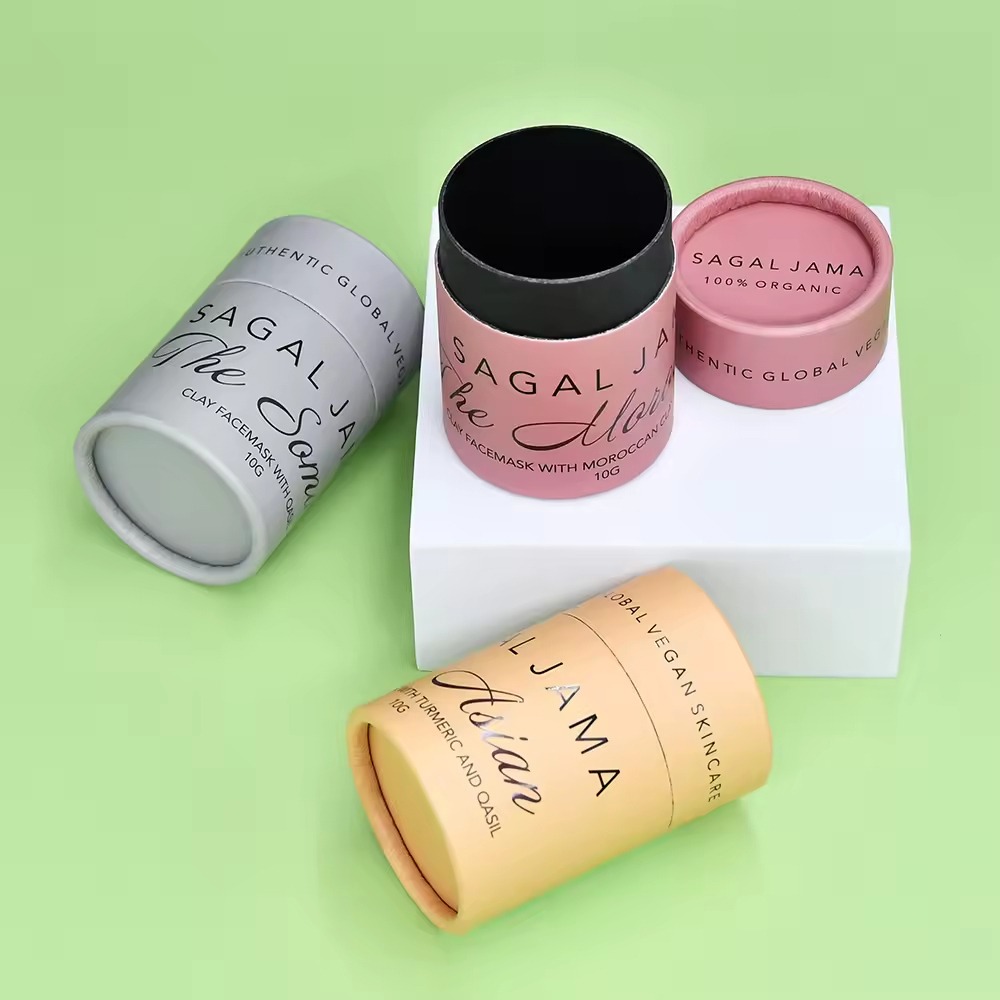
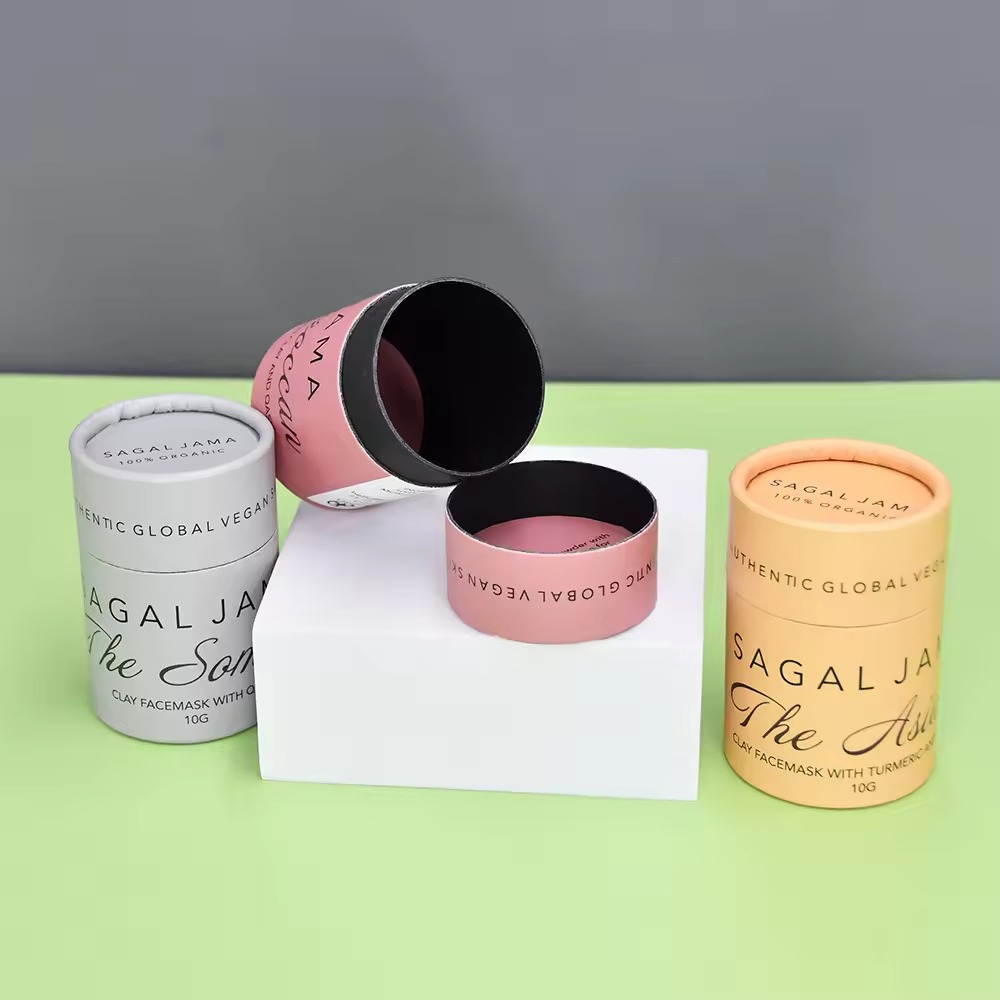
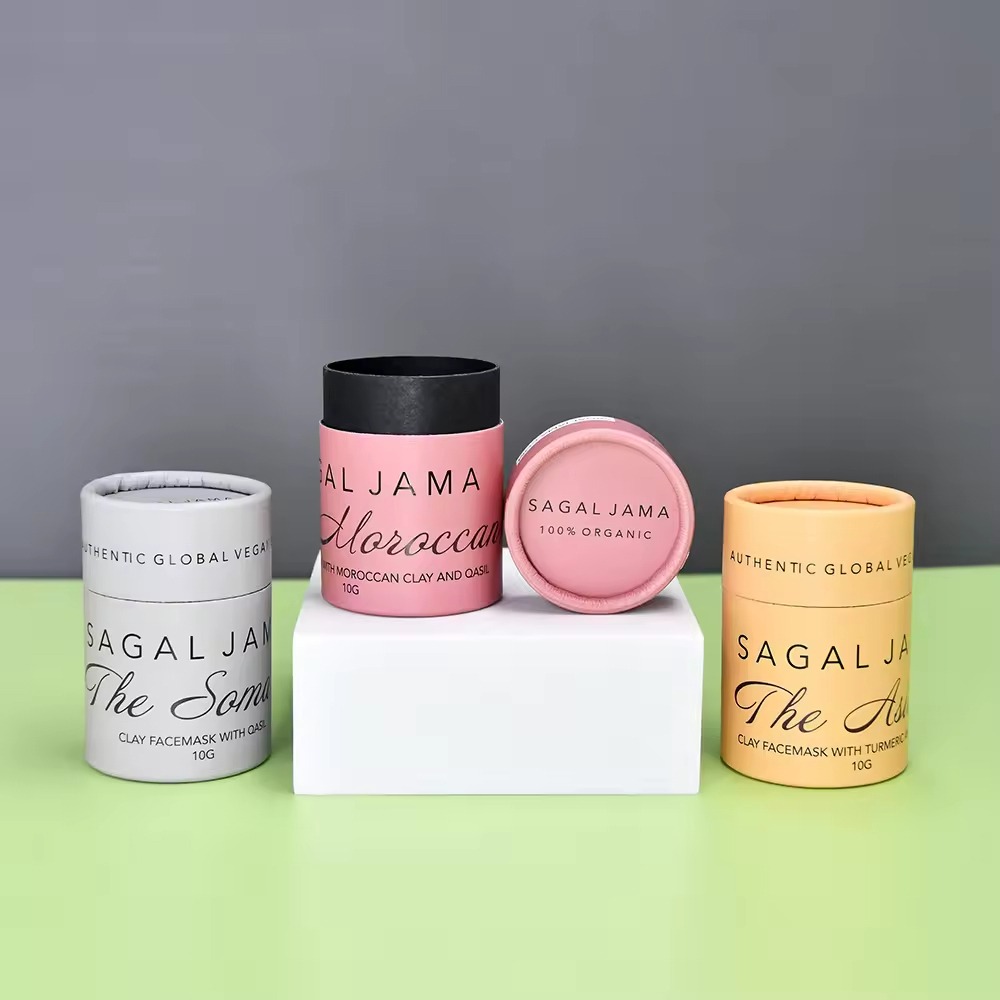
Cosmetics usually need a premium feel and clean print alignment. A practical example is cosmetics tube packaging.
You can’t run one packaging spec across every channel and expect it to work.
Retail shelf: You need consistent dimensions, clean edges, and strong print to survive handling.
DTC: You need unboxing that looks good on camera and survives carrier abuse.
Wholesale/distribution: You need efficient case packing and predictable palletization so you don’t waste warehouse space.
Buying in bulk helps you standardize the specs that matter, without cutting corners that create downstream chaos.
Cost Savings
Let’s keep it real: bulk buying saves money, but the bigger win is cost control.
Lower unit cost without chasing random “deals”
When you order in bulk, you avoid the expensive cycle of short runs, rush jobs, and constant reorders. You also reduce the hidden costs people forget to count:
repeated sampling and approvals
production stop-starts
“we need packaging next week” premiums
quality drift from switching suppliers too often
This is especially useful for brands that run paid ads, influencer drops, or seasonal promos. Those campaigns don’t wait for packaging.
Fewer touchpoints in your procurement workflow
If you’re a distributor, a brand owner, or a co-packer, your team lives in email threads. Bulk purchasing cuts down the back-and-forth:
fewer POs
fewer inbound shipments to receive
fewer “where is it?” check-ins
That’s less admin load and fewer chances for a spec to get misread.
Guaranteed Availability
This is the advantage that protects revenue.
Safety stock for launches, peak season, and platform spikes
If you sell on marketplaces, demand can jump fast. A good listing starts ranking. A TikTok clip hits. Your “slow mover” becomes a top seller overnight.
If packaging isn’t ready, your fulfillment line pauses. You risk late shipments, cancellations, and bad reviews. Bulk purchasing gives you breathing room so you can ship consistently.
For regulated or high-sensitivity categories, availability matters even more. A common example is recyclable cannabis child resistant paper tube packaging, where packaging isn’t optional—it’s part of compliance expectations.
Less downtime for co-packers and fulfillment teams
If you run a co-packing line, packaging delays are a direct productivity hit. Your labor is booked. Your production window is tight. Missing packaging turns into dead time.
Bulk orders help you keep the line fed and protect your schedule. Your team stays focused on throughput, not scrambling.
Expedited Delivery
Expedited delivery isn’t only about shipping speed. It’s about how fast you can go from “order received” to “order shipped.”
Faster pack-out because packaging is ready
When you keep bulk packaging on hand, your team can:
prep kits earlier
pre-label cartons
reduce pick-and-pack friction
That shows up as smoother fulfillment metrics and fewer customer tickets.
This matters for small-to-mid brands, too. If you’re competing in a crowded category, speed is a moat. Customers don’t remember your internal constraints. They remember whether the box showed up on time.
Once you’re consistent, you can build a simple packaging calendar around promotions and new launches. That’s how brands stop fighting fires every month.
Full Customization Options for Brand Identity
Custom packaging is a brand asset when you keep it consistent.
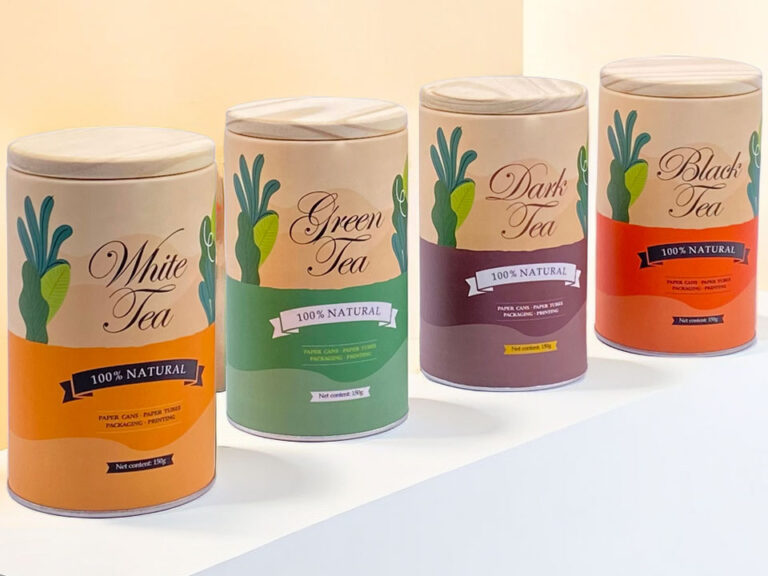
Cleaner brand consistency across SKUs and seasons
When you buy in bulk, you can keep your brand system tight:
consistent color tone across print runs
consistent placement of logos and claims
consistent opening experience
That consistency builds trust. It also makes your product line look like one family, not random items from different suppliers.
Bulk purchasing only feels “big” the first time. After that, it becomes normal ops. Your fulfillment team runs smoother, your brand looks tighter, and your inventory planning stops being guesswork.