Still Not Seeing The Right Packaging Solution? Talk to Our Boss.
If you’ve reviewed our website or spoken with sales and still don’t see a clear path, send your request here. Your message goes directly to our General Manager for an executive review of feasibility, cost, and lead time. You’ll get a clear next step—what we can do, what we need from you, and the fastest route to a quote.
Direct GM review of your specs, use case, and constraints
Print/finish recommendations to match brand + budget
Cost-down alternatives and lead-time improvement options
Quote path clarity: MOQ, sampling plan, and what to next
Talk to Our Boss
Get a Fast Quote for Custom Paper Tube Packaging
Built for packaging managers, procurement, and packaging engineers. Specify size, quantity, and finish to receive moq, lead time, and spec guidance for us/eu programs.
Quote-ready customization: diameter, height, wall thickness, inserts, liners, and closures
7 Different Hot Chocolate Powder Packaging Options
Table of Contents
Hot chocolate powder seems simple. Then you ship it. The powder picks up humidity, turns lumpy, and pours like wet sand. Or it tastes “flat” because oxygen sneaks in. Either way, you end up with returns, bad reviews, and a lot of awkward customer service.
So let’s keep this practical. I’ll walk through seven packaging formats you can actually sell, plus the core packaging requirements that protect flavor, flow, and shelf life. I’ll also tie these choices to real sales channels like retail shelves, cross-border shipping, and wholesale replenishment.
If you’re sourcing in bulk, you’ll also care about stable QC, scalable output, and OEM/ODM support for structure + printing. That’s exactly what a manufacturer-focused site like Custom Paper Tube Boxes is built for.
Oxygen barrier
Cocoa aroma is fragile. Oxygen makes it dull fast, especially when your formula includes milk powder or flavor oils. If you sell “rich” or “premium,” oxygen control isn’t optional.
What to ask for (in plain terms):
A barrier layer or liner that slows oxygen transfer
A closure that seals tight after repeat opens (not just “looks closed”)
Business angle: a solid oxygen barrier protects taste, which protects repurchase. That’s the loop you want in retail and ecom.
Moisture barrier packaging
Moisture is the real troublemaker. It drives clumping, caking, and that chalky look customers don’t trust. If you ship across climates or store in humid regions, this becomes a top KPI.
What to spec:
Moisture barrier liner or composite structure
Seal integrity that stays clean and tight (powder at the seal = leak risk)
Ops angle: better moisture control cuts “damaged on arrival” complaints and reduces warehouse write-offs.
Low-temperature heat sealing
If you use pouches, sachets, or stick packs, your sealing window matters. Too hot can distort layers or trap powder at the seal area. Too cold creates micro-leaks that fail during transit.
What to align early:
Your fill-finish line’s sealing range (temperature + dwell time)
A seal layer that hits spec without stressing the material
Simple rule: don’t fight physics. Match the packaging structure to your line.
Airtightness
Airtightness is the difference between “stays fresh” and “tastes stale.” It also protects aroma, which is half the product experience for hot cocoa.
What to build in:
Tight-fitting lid or closure
Optional inner seal for first-open confidence (helps with retail trust)
If you sell premium gifting, airtightness also reduces the “opened in transit?” anxiety.
Powder clumping and bridging
Powder isn’t always cooperative. Fine cocoa can bridge in hoppers, then dump suddenly. On the consumer side, messy openings create powder clouds and counter-top chaos.
What to plan for:
A format that supports your dosing method (scoop vs single-serve)
Easy-open features that don’t shred or tear crooked
Industry note: if your powder shows flow issues, your packaging choice can either hide the pain or amplify it.
Retail shelf space
Retail buyers think in facings, stackability, and planograms. If your packaging doesn’t stand stable or wastes shelf depth, you’re already negotiating from behind.
What works:
Stable footprints for stacking
Strong front panel readability (fast scan, clear brand blocks)
If you sell cross-border ecom, the “shelf” becomes a shipping carton. Pack geometry still matters because it affects damage rates and warehouse handling.
Stick pack vs sachet
These look similar, but they sell differently.
Stick pack: clean pour, strong “on-the-go” signal, easy to drop in a subscription box.
Sachet: flexible portion sizes, multipacks lay flat, more room for instructions and claims.
Quick choice guide:
If customers make cocoa at work or while traveling, stick packs reduce mess.
If customers bake or mix larger servings, sachets feel more natural.
Rigid paper tube canister vs flexible pouch
Rigid tubes feel premium and giftable. Pouches ship efficiently and support refills. Many brands win by pairing them: a hero tube for shelf impact, plus refill packs to keep repeat buyers coming back.
This combo also fits private label programs: one core formula, multiple pack formats for different channels.
Sustainability works when it’s believable and functional. Customers like recyclable paper structures and reusable containers. They don’t like “eco” packs that go stale.
Best practice:
Start with barrier performance (oxygen + moisture)
Then optimize materials and reuse story (refill programs work well here)
If you want a simple sustainability hook that sells: “Keep the tube, refill the product.”
7 different hot chocolate powder packaging options
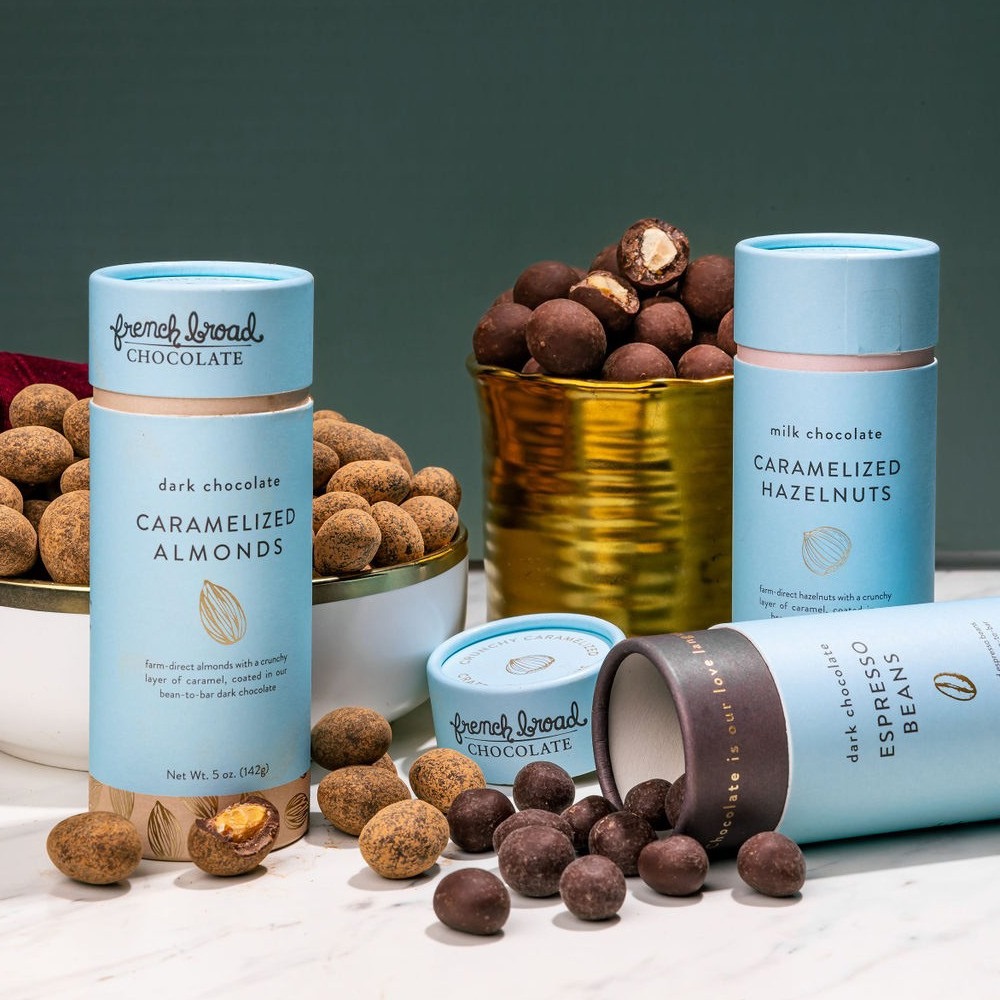
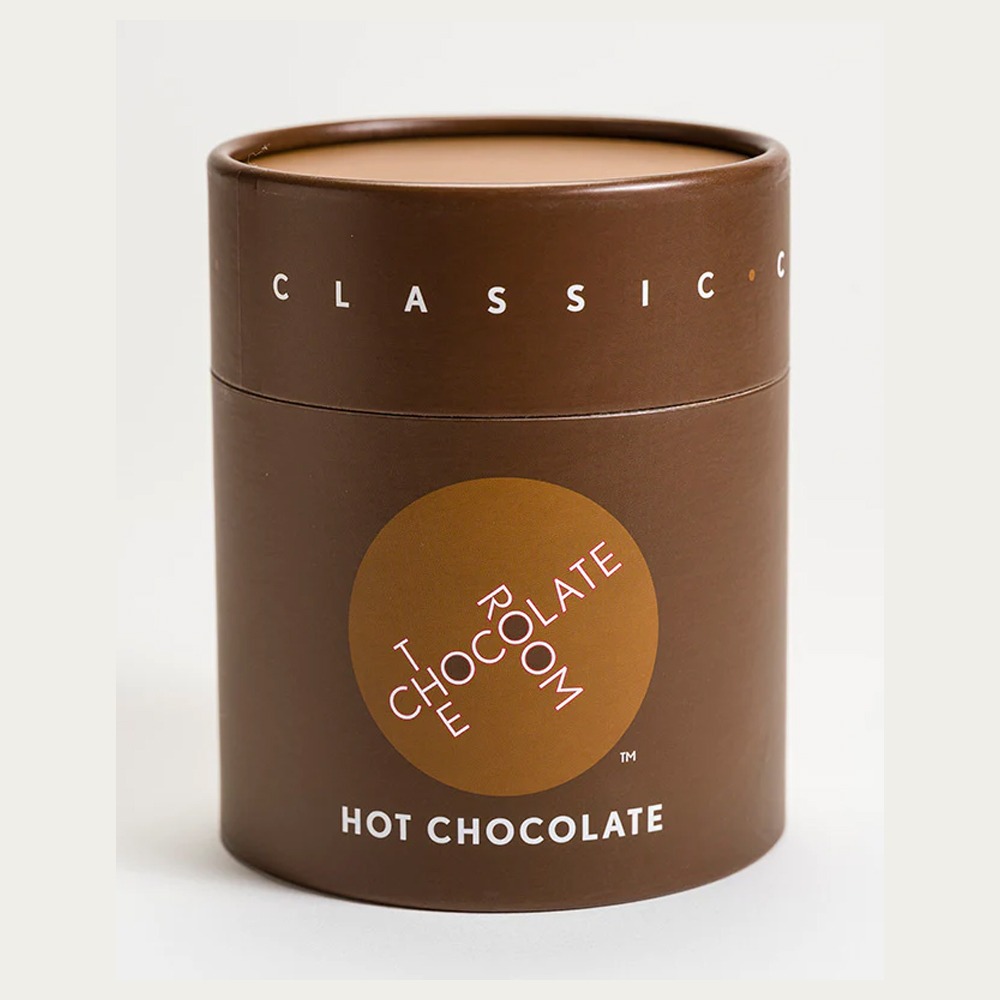
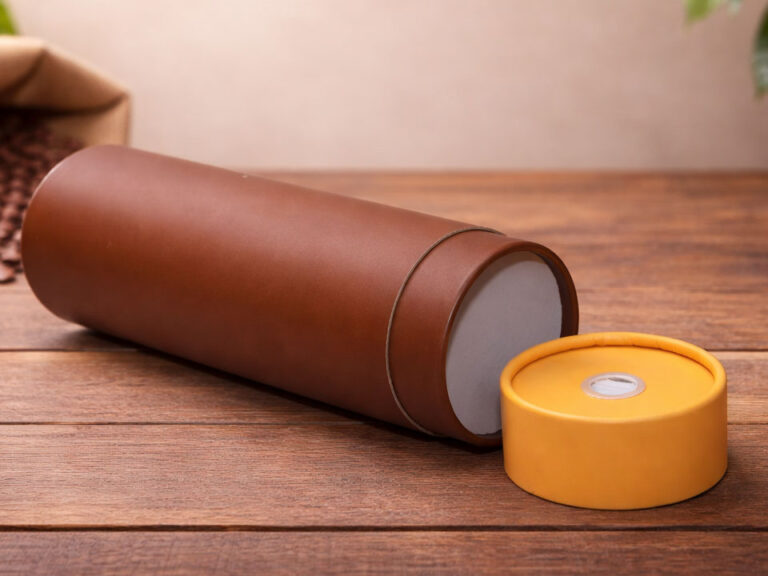
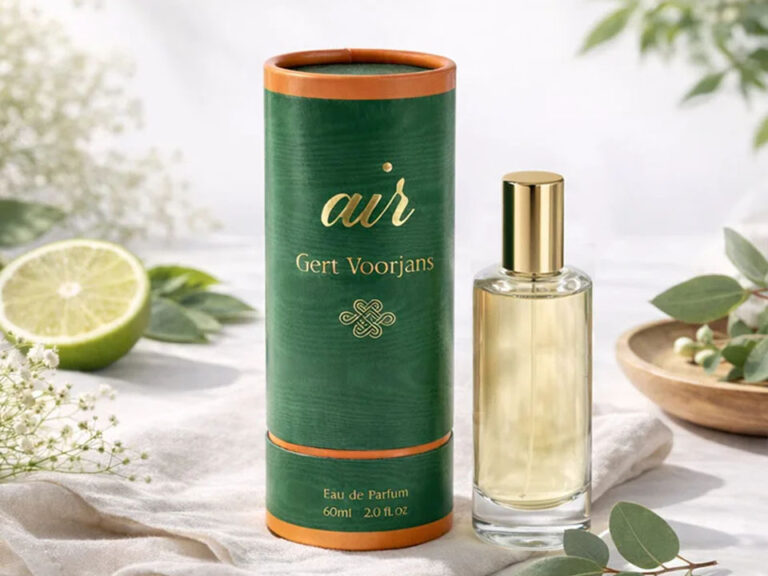
Paper tube packaging
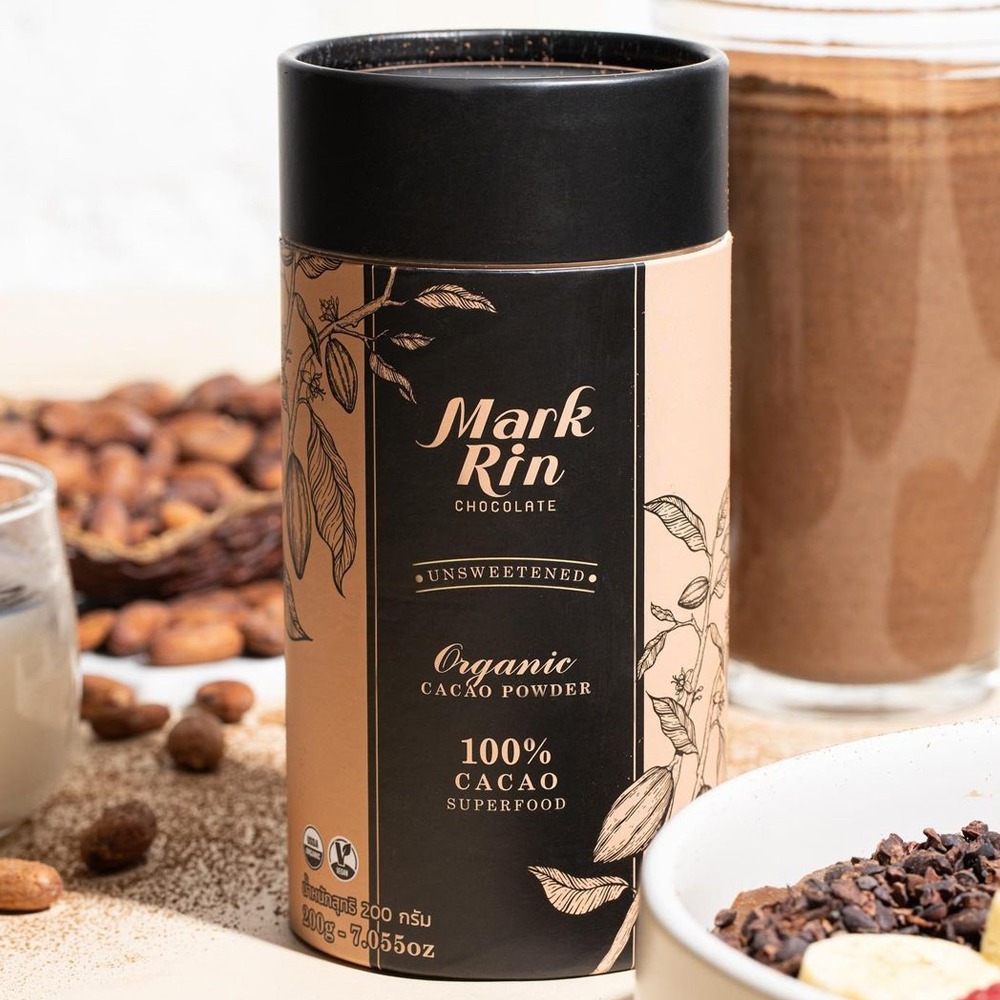
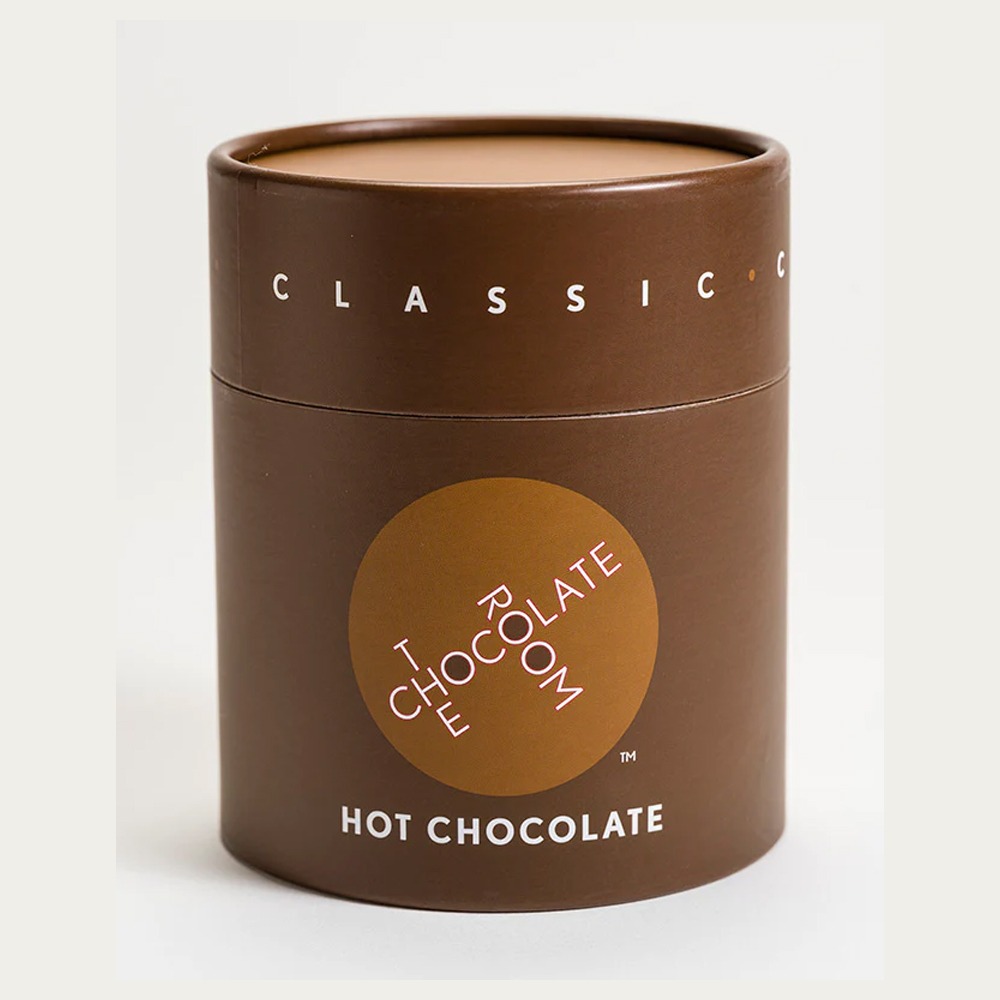
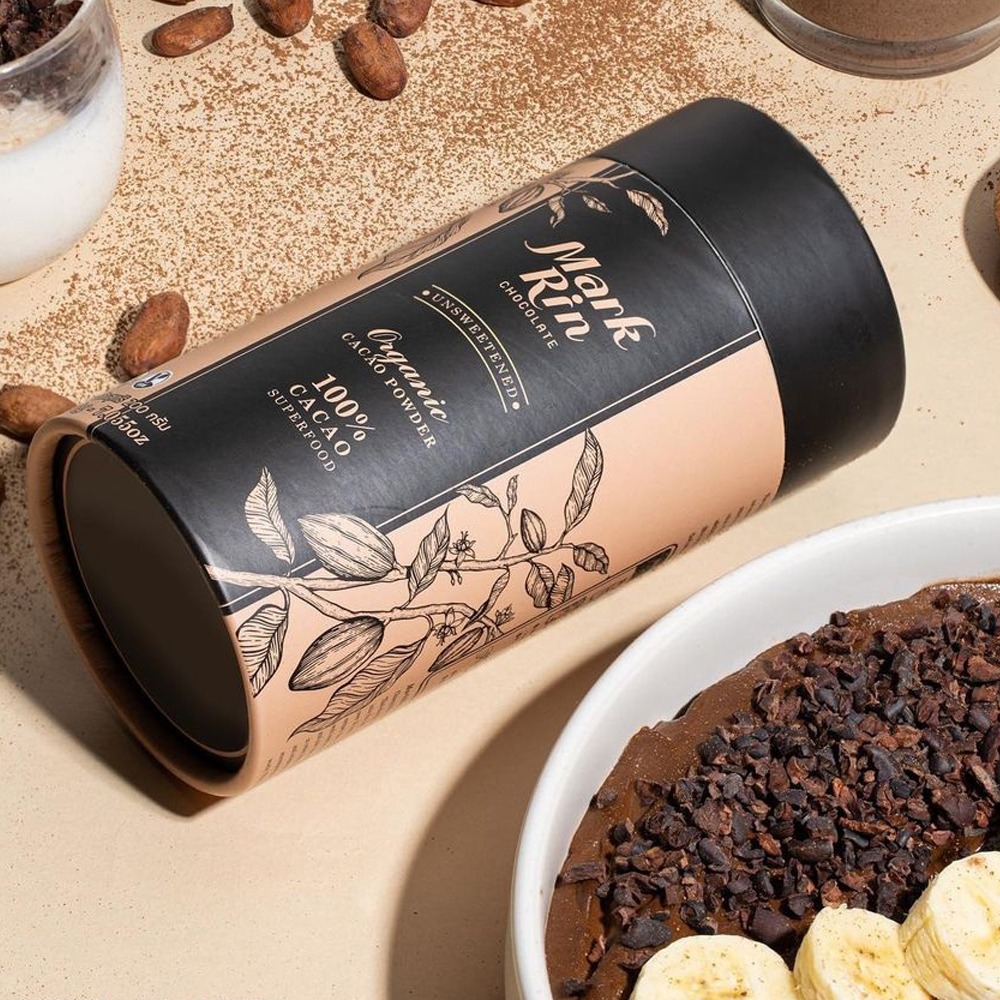
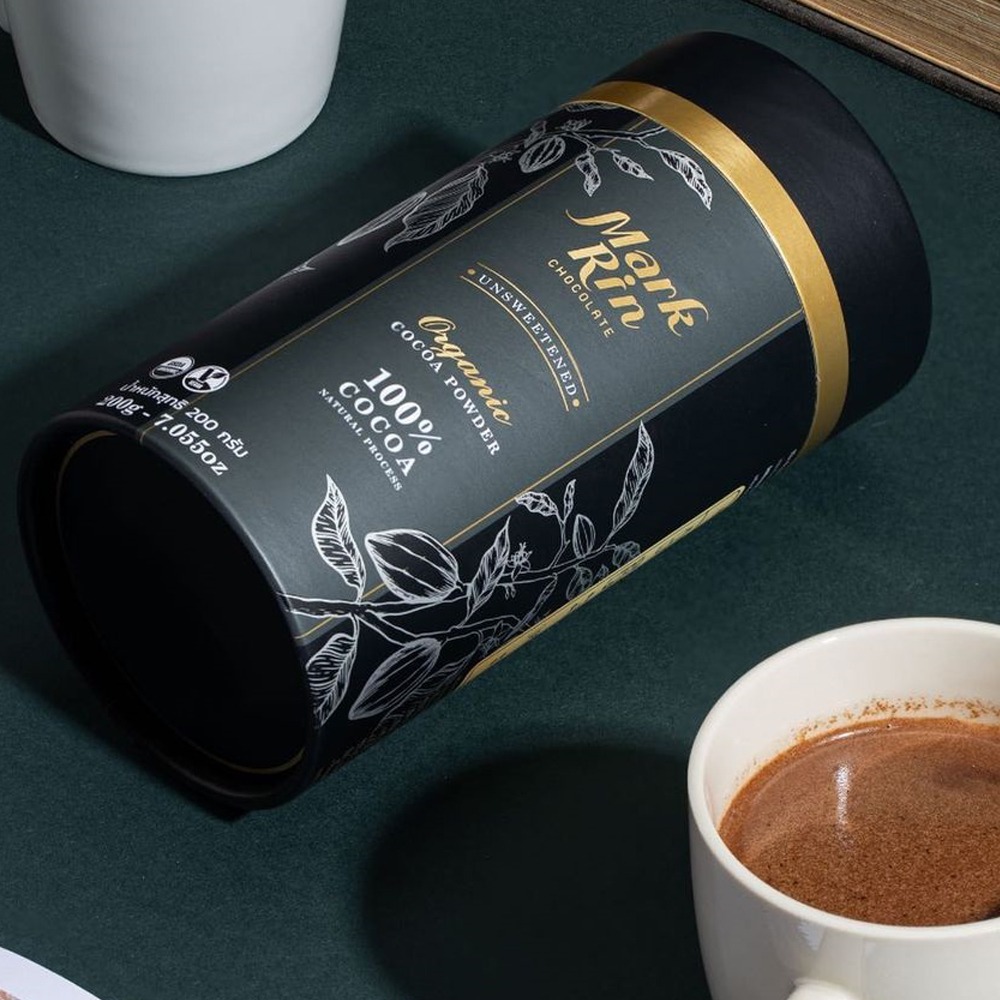
Paper tube packaging gives hot chocolate instant shelf presence. It feels solid in-hand, prints well, and supports premium finishes without looking loud.
Best for:
Retail brands that need “pick me up” impact
Seasonal gift sets and limited flavors
Private label lines that want one consistent look across SKUs
If you want to see how broad this format can go, start in Products.
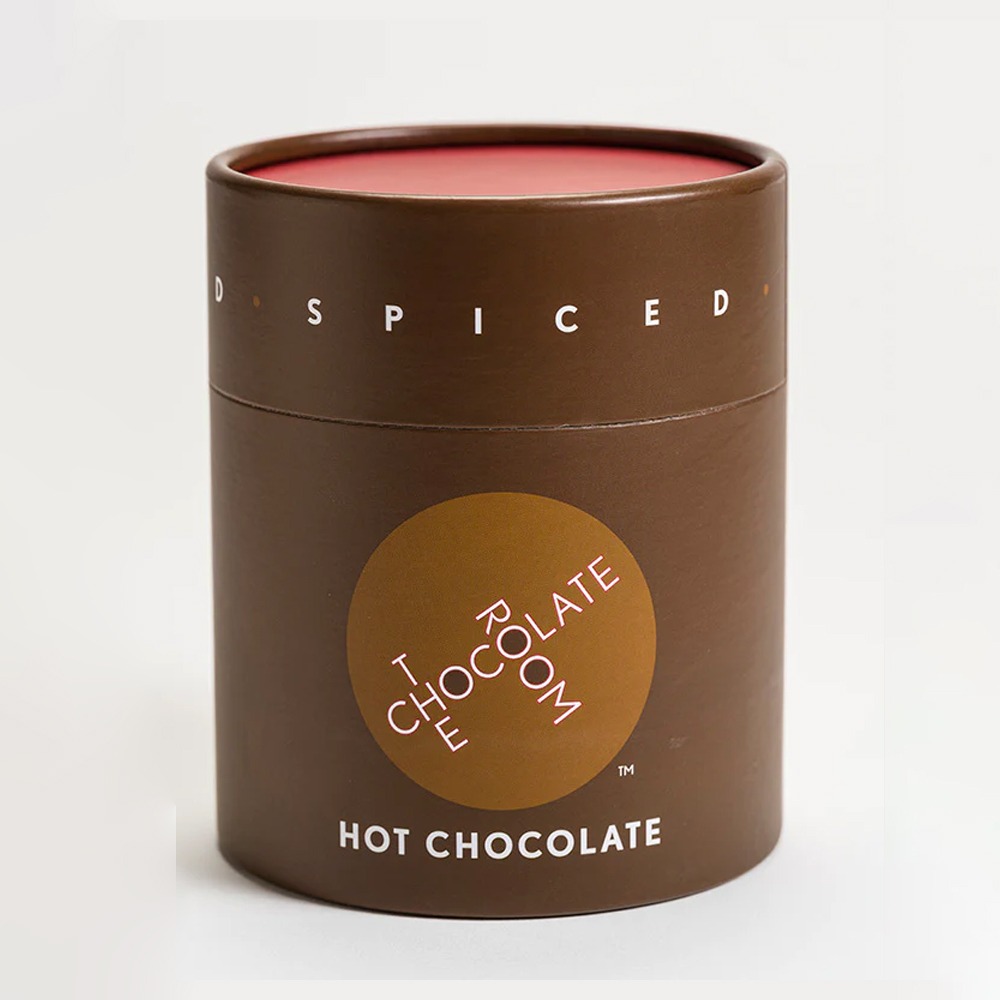
Composite paper tube canister
A composite paper tube canister fits the “premium everyday” lane. It balances protection and presentation. Add a tight closure and you get a pack that protects aroma while still looking giftable.
Where it shines:
DTC brands that want an unboxing moment
Retail shelves where you need height and presence
Subscription programs that want a reusable container
Aluminum foil lining paper tube
If you ship cross-border or store in mixed climates, foil lining helps you control moisture pickup and aroma loss. This is the safer play when you can’t control how the product gets handled after it leaves your warehouse.
Where it shines:
Marketplace sellers who live and die by reviews
Distributors who store inventory longer than planned
Brands selling dairy-based cocoa blends
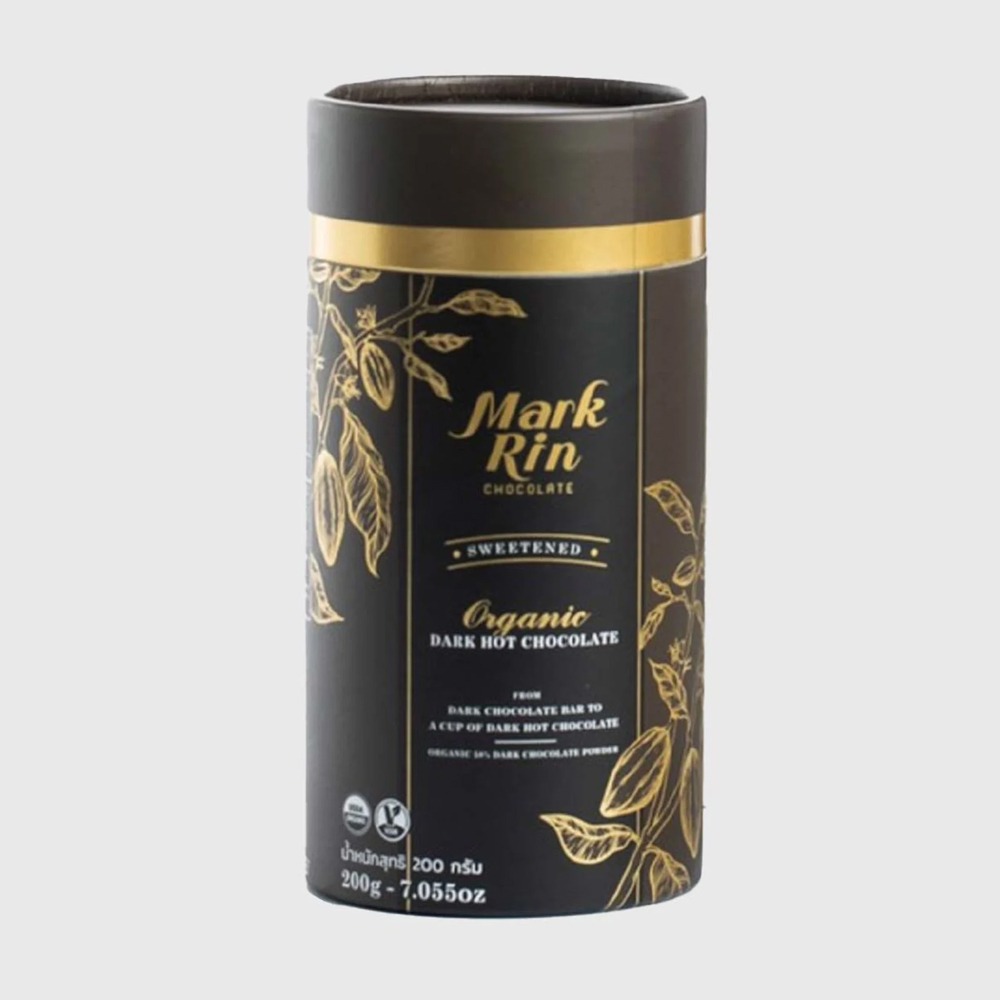
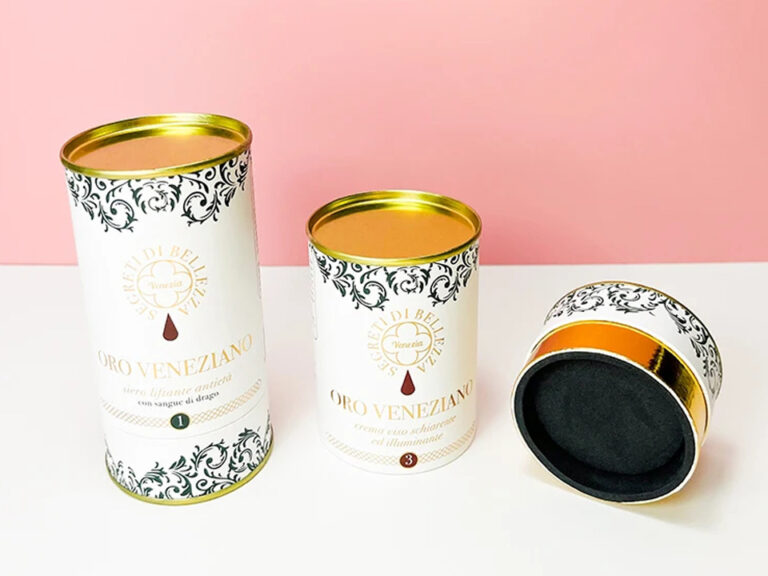
Metal lid paper tube
Metal lids signal quality fast. They also hold up better across repeated open-close cycles, which matters when customers use a tube over weeks.
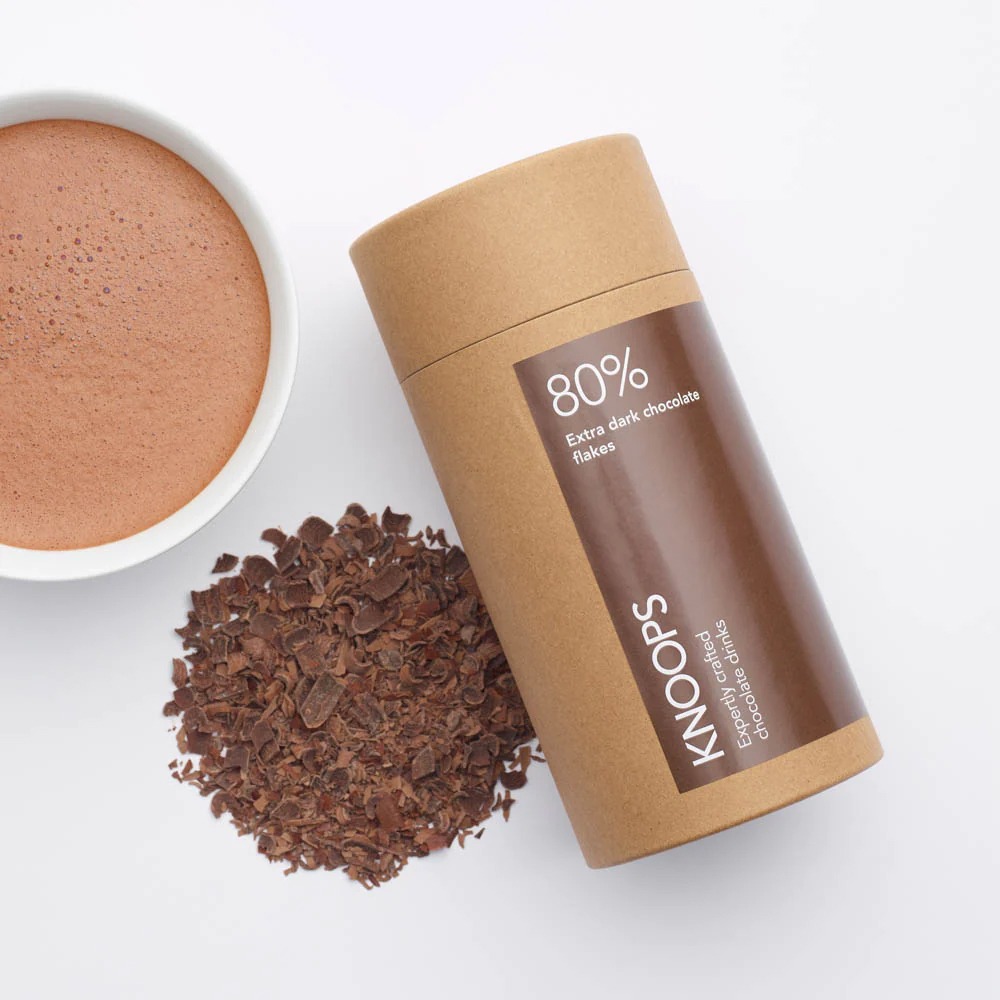
Kraft paper tube packaging supports a clean, natural look. It works well for “simple ingredients” positioning and minimalist brand systems.
Where it shines:
DTC brands leaning earthy and calm
Retail shelves where matte, natural textures pop
Refill programs (customers keep the tube, buy refills)
Stick pack
Stick packs are built for convenience. They pour clean, travel well, and make variety packs easy. If your audience drinks cocoa at work, on trips, or during outdoor activities, stick packs reduce mess.
Good selling angles:
Office pantry packs
Hotel welcome kits
Subscription boxes and sampler bundles
Sachet
Sachets give you flexibility on portion size and layout. They stack flat, ship well, and offer more printable space for instructions, claims, or QR-driven campaigns.
Where it shines:
Multipacks for ecommerce
Baking and recipe-driven customers
Trial packs and “add-on” checkout items
Where these formats create commercial leverage
Packaging doesn’t just protect powder. It protects margin and repeat purchases.
A premium tube helps you sell gifting and higher perceived value without changing the formula.
Refill formats support retention. Customers keep the container and reorder refills.
Better barrier and airtightness reduce damage claims and returns, especially in cross-border fulfillment.
OEM/ODM packaging makes private label moves easier: one supplier, one workflow, multiple SKUs.
If you want a fast decision path, pick a hero tube from the Products list, then design a refill pack that matches your channel strategy.