Still Not Seeing The Right Packaging Solution? Talk to Our Boss.
If you’ve reviewed our website or spoken with sales and still don’t see a clear path, send your request here. Your message goes directly to our General Manager for an executive review of feasibility, cost, and lead time. You’ll get a clear next step—what we can do, what we need from you, and the fastest route to a quote.
Direct GM review of your specs, use case, and constraints
Print/finish recommendations to match brand + budget
Cost-down alternatives and lead-time improvement options
Quote path clarity: MOQ, sampling plan, and what to next
Talk to Our Boss
Get a Fast Quote for Custom Paper Tube Packaging
Built for packaging managers, procurement, and packaging engineers. Specify size, quantity, and finish to receive moq, lead time, and spec guidance for us/eu programs.
Quote-ready customization: diameter, height, wall thickness, inserts, liners, and closures
7 Reasons to Why Choose Paper Tube Boxes for Child Puzzles
Table of Contents
If you sell child puzzles, you already know the real “enemy” isn’t your competitor. It’s missing pieces, dented corners, messy storage, and returns. A puzzle can be brilliant, but if the box arrives crushed or parts scatter everywhere, parents don’t care about your artwork. They just hit “refund.”
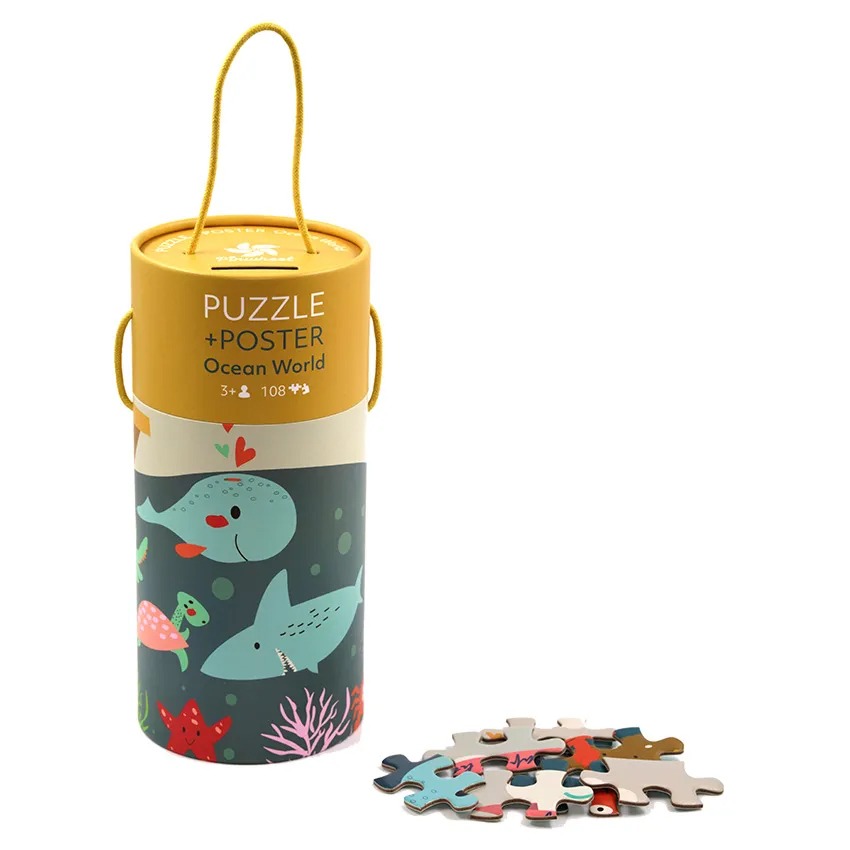
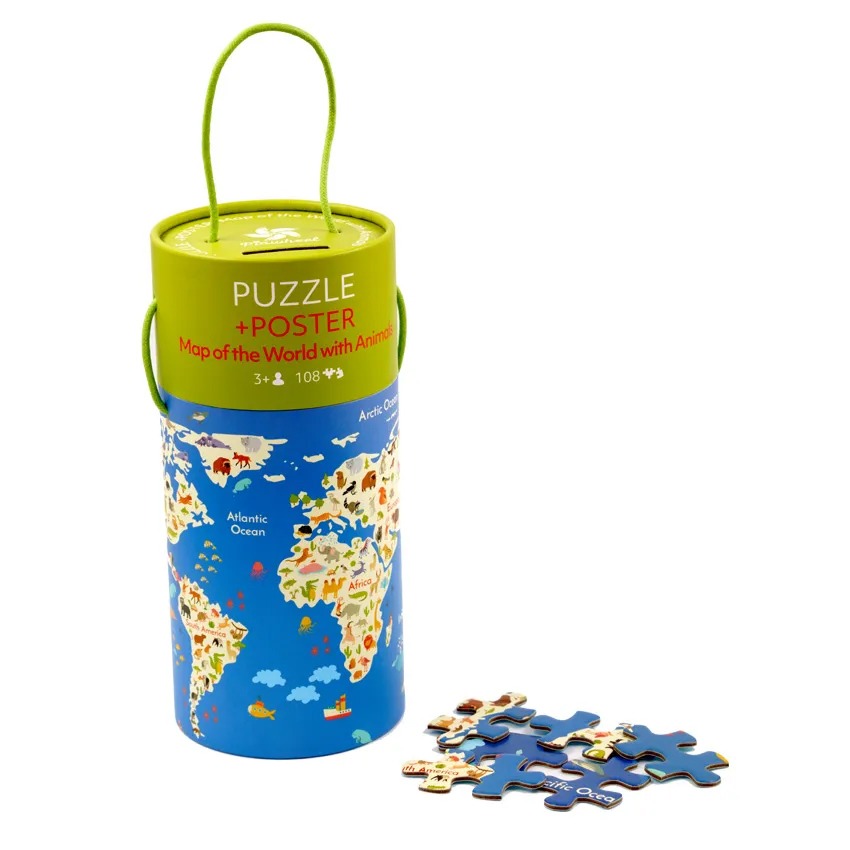
That’s why more brands switch to paper tube boxes for child puzzle packaging. They feel sturdy, look premium on a shelf, ship better in cross-border logistics, and double as a storage container at home.
Cylindrical structure resists squeeze during shipping
Packaging engineering principle
Child-Safe Materials
Parent trust issues, compliance worries
Children’s products often follow strict limits for toxic substances (ex: lead in paint/coat)
Regulatory reference (CPSC lead limit commonly cited at 90 ppm)
Rope Handle
Hard-to-carry sets, weak “gift feel”
Easy carry + better retail experience
Functional design
Space-Saving Storage Container
Lost pieces, clutter, low repeat purchase
Reusable storage keeps sets complete
Consumer use-case
Cost-Efficient
Premium look without premium headaches
Mature materials + scalable production
Manufacturing logic
Environmentally Friendly
Buyers ask “is it recyclable?”
Paper/paperboard has strong recycling infrastructure (EPA reports 68.2% recycling rate for paper & paperboard in 2018)
Data reference (EPA MSW Facts & Figures, 2018)
Creative Customization Options
Low shelf impact, weak unboxing
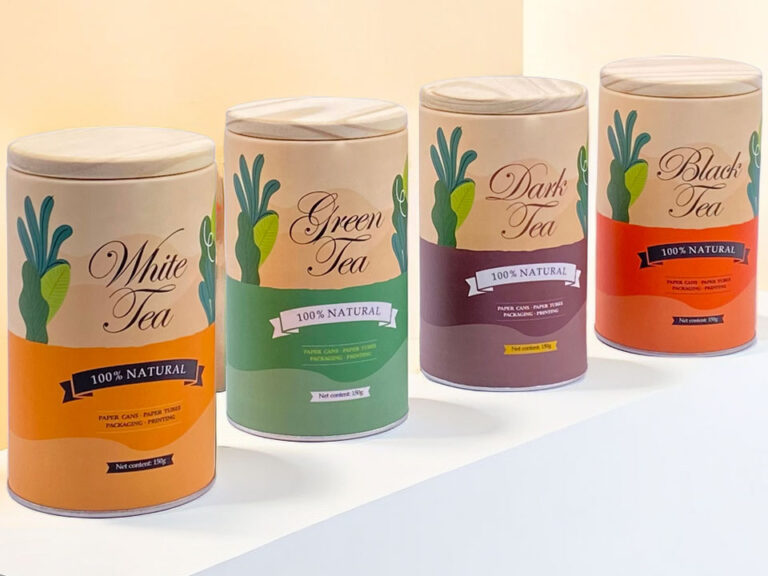
Print, texture, finishes, inserts, and closures
Brand/retail practice
You don’t need to copy every “premium” detail. You just need the few features that cut damage, lift shelf appeal, and make parents happy.
Lightweight but Sturdy
A child puzzle box goes through the roughest route: warehouse handling, courier tosses, last-mile stacking, and then a kid using it like a drum.
A paper tube box handles that chaos better because a cylinder fights compression. A flat carton collapses at the corners. A rigid tube spreads pressure around the wall. That’s why it works so well for items that need shape protection.
Shipping protection for puzzle pieces
Here’s how brands use this in the real world:
DTC shipping: fewer crushed corners means fewer “arrived damaged” tickets.
Cross-border fulfillment: better pack-out stability in mixed cartons.
Retail replenishment: tubes stand up in a bin, instead of getting flattened.
Parents don’t ask if your puzzle is “cute.” They ask if it’s safe.
Paper tube boxes let you build a child-friendly package with:
paperboard + cardboard construction
non-toxic ink choices
cleaner finishing options that don’t shed sharp plastic edges
Compliance keywords that build trust
If you sell into the US, buyers often reference CPSC-related limits (for example, the widely cited 90 ppm lead limit for paint and surface coatings on children’s products). You don’t need to turn your blog into a legal document. Just show you understand the buyer’s checklist and can support testing and documentation when required.
For brands that want an extra “safety mindset” in the closure design, you can also look at tube formats with tighter closures, like child resistant paper tube packaging. (You can adapt the closure concept for puzzles without adding unnecessary complexity.)
Rope Handle
Small detail, big payoff.
A rope handle turns a puzzle into something a kid can carry to grandma’s house, a playdate, or a classroom shelf. It also makes the product feel more giftable without extra wrapping.
Retail carry handle and gifting scene
Common scenes that sell better with a handle:
birthday party gifts (easy grab-and-go)
travel puzzles for cars and flights
subscription boxes where the tube becomes part of the “experience”
If you like the “carry handle + premium look” vibe, you can reference this tube style idea here: paper tube packaging with handle.
Space-Saving Storage Container
Puzzle brands don’t just sell a product. They sell a habit: open → play → pack → repeat.
A standard puzzle box often becomes a messy drawer situation. Pieces slip out, corners tear, lids warp, and parents end up using plastic bags. That kills the “premium” story.
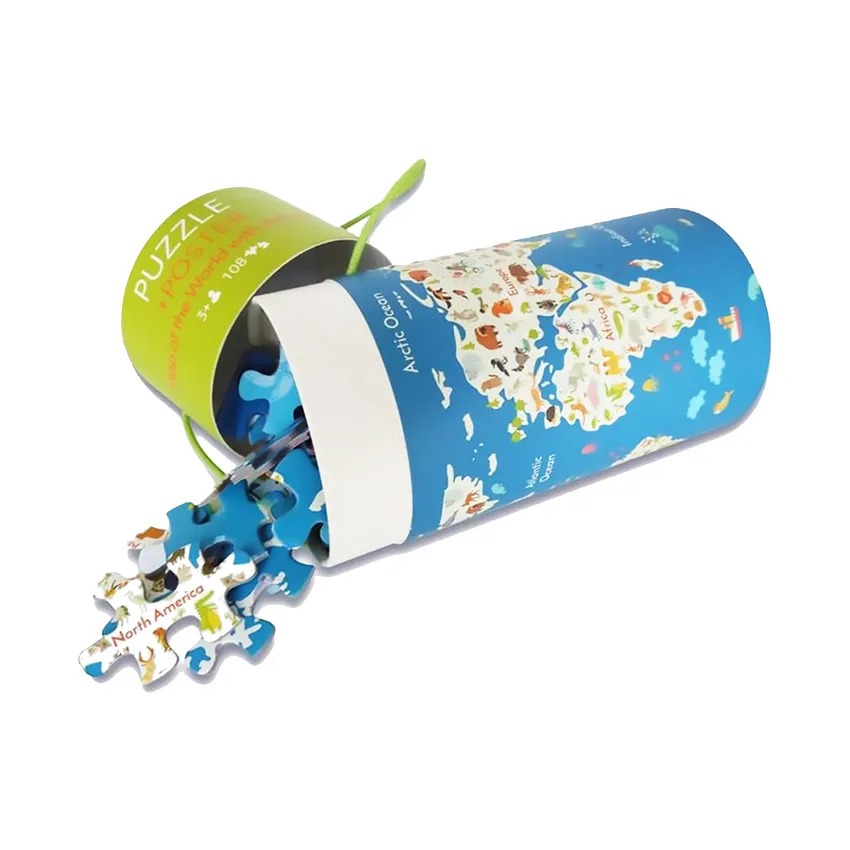
A paper tube box flips the script. It becomes a reusable storage container.
Home storage and repeat purchase
Here’s what parents like:
the tube stands upright on a shelf
pieces stay together
the set still looks nice after months of use
That matters for your business too. Better storage reduces “missing piece” complaints. It also helps the set survive long enough for hand-me-down marketing (one family passes it to another, and your brand name stays visible).
Cost-Efficient
You asked for no cost math, and that’s smart. Buyers don’t trust random “savings” claims anyway.
Here’s the clean way to explain this: paper tube boxes can be cost-efficient at scale because the supply chain is mature. Paperboard, wraps, common finishes, and standard production flows don’t require exotic materials.
MOQ and lead time reality
For wholesale, OEM/ODM, and bulk orders, buyers usually care about:
stable production planning
consistent color control across batches
repeatable structure for multiple SKUs
That’s exactly where a serious manufacturer matters. We run a modern food packaging purification workshop and a 12,300m² warehouse, with daily output capacity over 300,000 pieces for bulk manufacturing. That combination helps when you’re scaling multiple puzzle SKUs at once.
Environmentally Friendly
Parents and retailers now ask the eco question early. If your answer sounds vague, you lose the buyer.
Paper tube boxes give you a direct, simple message: paper-based packaging fits existing recycling systems better than many mixed-material alternatives. EPA’s MSW data reports paper & paperboard recycling at 68.2% (2018), which supports the idea that paper streams stay strong in many markets.
Eco-friendly packaging without greenwashing
What works in a sales conversation:
say “paper-based and recyclable where facilities exist”
avoid extreme claims
offer options like kraft wrap, minimal lamination, and paper inserts
And if your puzzle set needs a tighter “closure feel” (think: fewer spills in transit), tube structures used for small, fragile products can inspire the fit and tolerance approach, like: recyclable custom cardboard packaging tubes.
A practical wrap-up for brands, sellers, and wholesalers
Paper tube boxes aren’t just “nice packaging.” For child puzzles, they solve four annoying problems at once:
damage rate goes down (better crush resistance)
customer support gets quieter (fewer missing-piece stories caused by broken boxes)
shelf presence goes up (tubes stand out)
repeat purchase gets easier (the tube becomes storage, not trash)
If you’re running bulk orders, OEM/ODM, or wholesale supply, you’ll also like how easy it is to standardize tube dimensions across a product line while changing only the artwork. That keeps your SKU management cleaner and your replenishment smoother.