Still Not Seeing The Right Packaging Solution? Talk to Our Boss.
If you’ve reviewed our website or spoken with sales and still don’t see a clear path, send your request here. Your message goes directly to our General Manager for an executive review of feasibility, cost, and lead time. You’ll get a clear next step—what we can do, what we need from you, and the fastest route to a quote.
Direct GM review of your specs, use case, and constraints
Print/finish recommendations to match brand + budget
Cost-down alternatives and lead-time improvement options
Quote path clarity: MOQ, sampling plan, and what to next
Talk to Our Boss
Get a Fast Quote for Custom Paper Tube Packaging
Built for packaging managers, procurement, and packaging engineers. Specify size, quantity, and finish to receive moq, lead time, and spec guidance for us/eu programs.
Quote-ready customization: diameter, height, wall thickness, inserts, liners, and closures
7 Tips to Consider When Select Coffee Paper Tube Packaging
Table of Contents
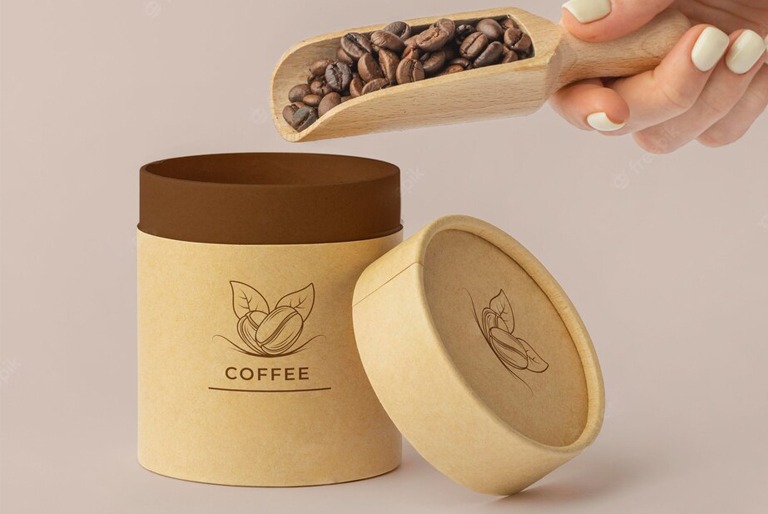
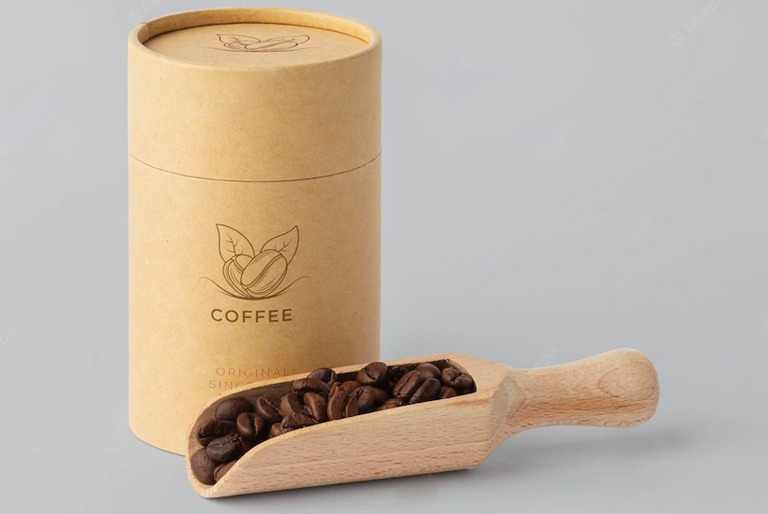
Coffee paper tube packaging looks premium, feels solid in the hand, and photographs well. That’s why you see it in gift sets, seasonal drops, and “limited roast” launches. But a tube isn’t just a pretty shell. If you choose the wrong build, you’ll run into classic headaches: stale aroma, dusty leakage, loose lids in transit, or labels that don’t pass marketplace checks.
This guide breaks the decision down into seven practical tips you can use whether you’re a roaster, a private-label seller, a distributor, or a design agency building packs for a client. You’ll also see quick scenarios like retail shelf, subscription shipping, and influencer kits—because what works on a café counter doesn’t always survive a fulfillment line.
Before the tips, here’s a fast cheat sheet you can share with your team:
Goal
What to prioritize
Typical add-ons
Best-fit selling scenario
Keep aroma tight
Barrier + liner + seal
Foil liner, inner bag, tighter lid fit
DTC, subscription, export
Look premium on shelf
Print + finish + label clarity
Matte/gloss lamination, emboss, spot UV
Retail, gift sets
Reduce returns
Structure + fit + drop resistance
Stronger board, snug lid, protective insert
Marketplace, 3PL
Hit “eco” expectations
Paper-forward materials + clear claims
Kraft look, recyclable options where possible
Boutique, brand storytelling
If you want to explore tube styles and finishes across categories, start at the paper tube packaging products catalog.
Material of the Tube
Paper tubes can use different board grades, wraps, and surface finishes. Don’t pick material only by how it looks. Pick it by how it performs when it meets humidity, handling, and shipping abuse.
Kraft paper
Kraft gives you that natural, “clean label” vibe. It also hides minor scuffs better than bright white. If you sell single-origin beans in smaller runs, kraft often fits the story.
Food grade liner
Coffee hates oxygen and moisture. A paper shell alone won’t block them enough for most real-world routes. Treat the tube as the outer pack, then protect freshness inside with a liner or inner bag.
Practical scenario:
Retail shelf: kraft exterior + premium print + inner barrier bag keeps the brand look without risking staleness.
Subscription box: prioritize inner barrier and tight lid fit. The box gets tossed around.
Size isn’t just “how much fits.” It affects your cost-to-ship, shelf presence, and unboxing feel. The classic mistake: choosing a tube that looks great but leaves too much empty headspace—or worse, doesn’t fit your inner bag cleanly.
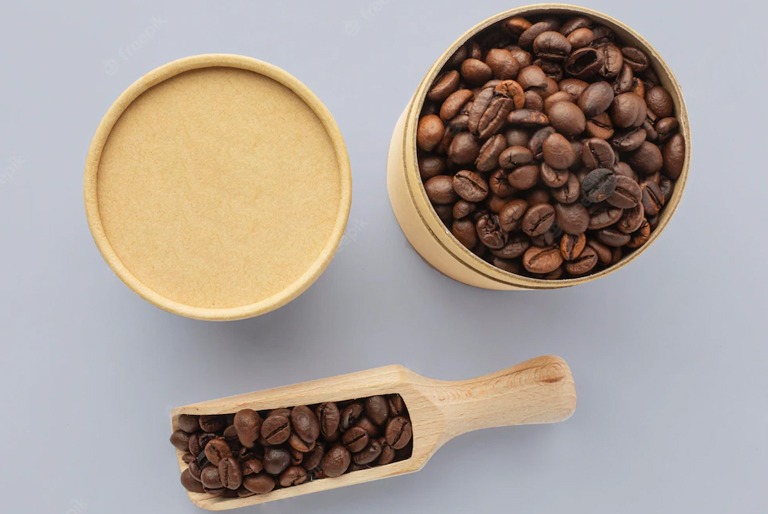
A common sizing example you’ll see in tube packaging discussions is 115mm × 75mm holding about 120g of coffee beans (your exact fill depends on bean size and roast level). Use that idea as a starting point, then dial it in with your real product.
Net weight fit
Start with your SKU weights (like your best sellers), then match the internal diameter and height to:
product volume
inner bag thickness
headspace for easy closing
Shipping carton efficiency
If you ship DTC or via marketplace fulfillment, cartons matter. A slightly shorter tube can reduce “air shipping” (paying to ship empty space) and lower damage risk in transit.
If you sell powders or ground coffee as a “scoop” product, you can borrow sizing logic from sports nutrition packs. The paper tube box for protein powder packaging page shows the type of tall, stable tube people expect for powder formats.
Shape of the Tube
“Shape” sounds simple, but structure changes how customers open it, how well it re-closes, and how it survives a drop test.
2-piece paper tube
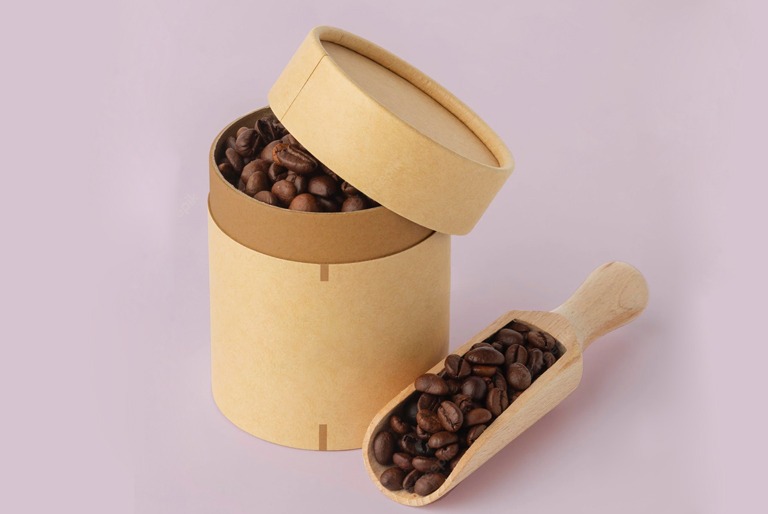
A 2-piece tube usually means a base and a lid. It’s straightforward and fast to use. If you want quick open-and-close for daily coffee use, this is a common route.
3-piece paper tube
A 3-piece build can add another layer (often a shoulder or inner sleeve). That can improve alignment and feel more “engineered,” which helps premium positioning.
Real-world picks:
Café counter sales: easy-open matters, because customers will use it daily.
Gift set: a slightly more complex structure can feel more special, especially with inserts.
If you want a more “retail display” look with extra print coverage, you can also reference multi-surface designs like double sides printed paper tube packaging. The category is different, but the print logic and finish options translate well.
Design of the Label
A coffee label has two jobs at once:
sell the vibe in two seconds
communicate the facts without confusion
If you sell cross-border or through platforms, label readability can make or break approvals.
Label readability
Keep the most important points easy to scan:
roast level (if you use it)
origin / blend name
net weight
grind type (whole bean vs ground)
best-by or roast date (depending on your model)
Branding consistency
Your tube gives you a 360° billboard. Use it, but don’t cram it. Clean spacing and strong hierarchy beat “more text” every time.
A quick rule that works:
front: brand + product name + one short hook
side: facts and instructions
back: story, QR, or wholesale info
If you want high-end inspiration for smooth labeling and premium finishes, look at how cosmetic brands treat tubes. The custom cosmetic cardboard tubes style is a good reference for clean layouts and upscale surface feel.
Suitable Coffee Packaging
This is where coffee packaging wins or fails. If the product arrives flat, customers won’t care how nice the tube looks.
Aluminum foil liner
Foil liners add strong barrier protection. They help block oxygen and moisture that kill aroma and taste.
Zipper pouch
A zipper inner bag adds convenience. People reseal it without clips or extra containers, which reduces mess and keeps the kitchen routine simple.
Degassing valve
Fresh roasted coffee releases gas. A degassing valve can help manage that pressure without letting outside air rush back in. If your customers buy freshly roasted beans, this matters.
Use the tube like a premium outer body, then engineer the inside like serious coffee packaging. That combo supports:
better reviews
fewer “stale” complaints
stronger repeat orders
If you need a pack that also shows the product (for example, sample kits), a window feature can help. While it’s not coffee-focused, the structure idea is similar in paper tube packaging with clear window and handle.
Affordable Coffee Packaging
“Affordable” doesn’t mean “cheap.” It means you control spec creep and choose upgrades that actually move sales.
Here’s a practical way to think about it:
Spec choice
What it improves
When it’s worth it
When to skip it
Stronger tube wall
Drop resistance, shelf feel
Marketplace, export, 3PL
Local café-only sales
Premium finish (matte/spot UV)
Shelf pop, brand value
Gift sets, premium beans
Low-price bulk SKUs
Inner zipper bag
Convenience, freshness
DTC, repeat customers
One-time promo giveaways
Valve option
Fresh roast experience
Fresh roasted beans
Long-aged coffee SKUs
If you sell wholesale or run OEM/ODM lines, lock your “core spec” early. Then create a second tier for limited editions. That way you don’t rebuild packaging every season.
For premium gift positioning (holiday drops, influencer kits, or VIP client bundles), a clean upscale base like matt white paper tube boxes can inspire the finish direction and unboxing feel.
Environmentally Friendly
Buyers want “eco” packs, but they also hate vague claims. Keep it simple. Use paper-forward materials where they make sense, then communicate the disposal path clearly.
Recyclable paper tube packaging
Paper-based outer packs can align with sustainability goals, especially when you avoid unnecessary plastic parts. However, inner barrier layers can complicate recycling. Don’t hide that. Spell it out on-pack so customers know what to do.
Kraft paper tube packaging
Kraft often signals “natural” right away. It also works well for brands that lean into origin stories, farm partnerships, and simple design.
Cross-border sales: keep claims conservative and verifiable to avoid headaches with platform checks.
A quick spec checklist for coffee paper tube packaging
Use this when you brief your supplier or align with your designer:
Tube material: kraft or coated paper
Structure: 2-piece or 3-piece
Size: matched to net weight + inner bag
Inner protection: liner and/or barrier bag
Reseal: zipper option if it’s a daily-use product
Freshness control: valve option for fresh roast models
Label layout: readable and platform-friendly
Finish: chosen to match your price tier and channel
If you’re building a bulk program, private-label line, or a retail-ready range, you’ll usually need a partner that can scale. As a manufacturer focused on custom paper tube boxes, we support OEM/ODM, wholesale runs, and brand-level consistency—backed by a modern food packaging purification workshop, a 12,300m² warehouse, and high daily output capacity for stable supply. Start from the Top Custom Paper Tube Boxes Manufacturer homepage, then browse the products list to shortlist the structures and finishes that fit your coffee line.