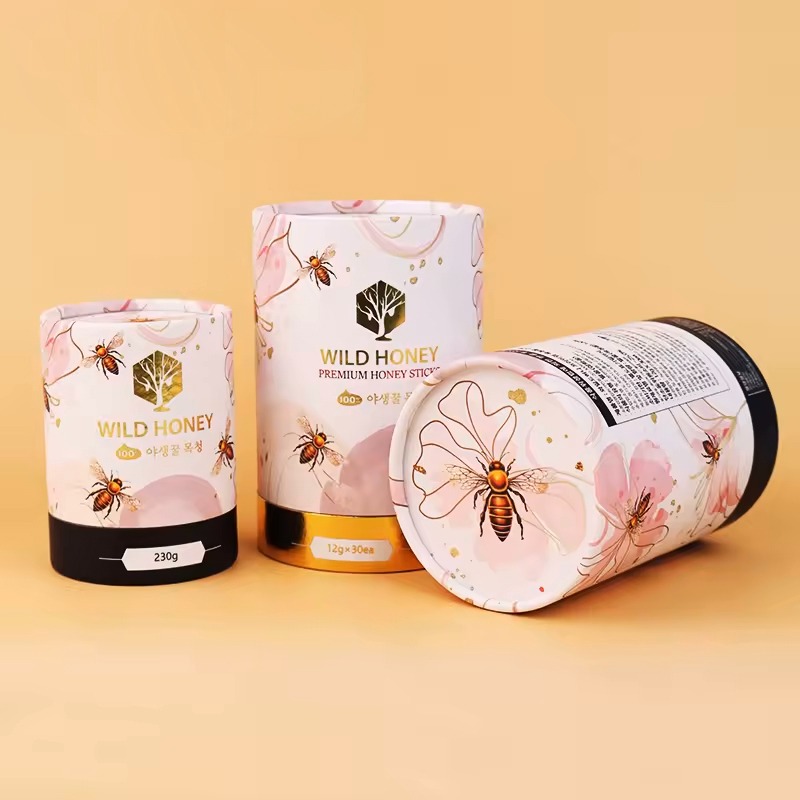
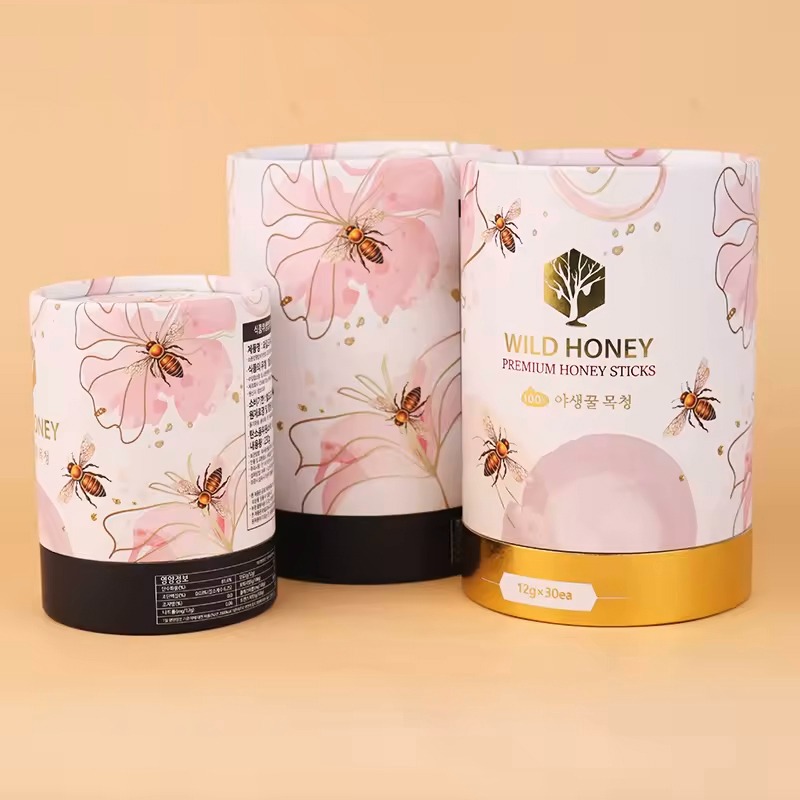
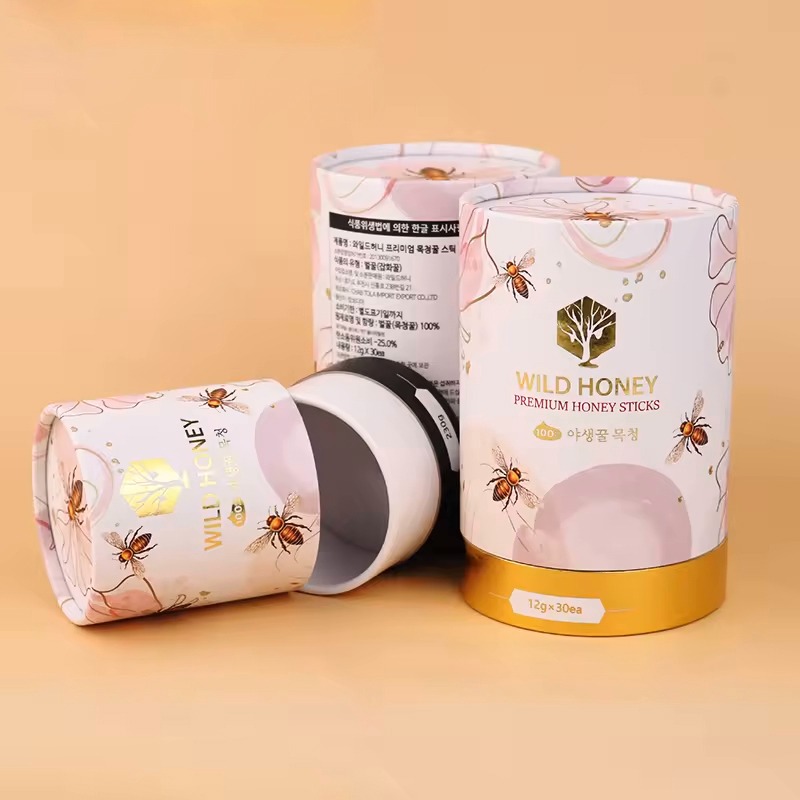
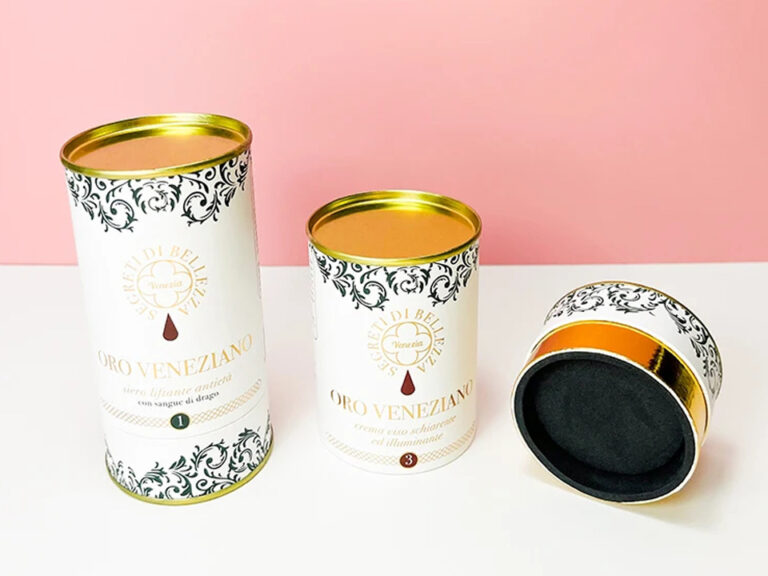
Still Not Seeing The Right Packaging Solution? Talk to Our Boss.
If you’ve reviewed our website or spoken with sales and still don’t see a clear path, send your request here. Your message goes directly to our General Manager for an executive review of feasibility, cost, and lead time. You’ll get a clear next step—what we can do, what we need from you, and the fastest route to a quote.
Built for packaging managers, procurement, and packaging engineers. Specify size, quantity, and finish to receive moq, lead time, and spec guidance for us/eu programs.
Quote-ready customization: diameter, height, wall thickness, inserts, liners, and closures
3 Common Types and 5 Unique Advantages of Retail Boxes
Retail boxes have one job on paper: hold your product. In real life, they do three things at once.
They protect units through picking, packing, and shipping. They help your product win the shelf scan in-store. And they shape the unboxing moment that drives reviews and repeat buys.
If you buy packaging in bulk, you’ve probably seen the usual headaches: crushed corners, scuffed print, “looks cheaper than the product,” and reorders that arrive too late for the next drop. Most of the time, the fix starts with structure, not artwork.
Custom Paper Tube Boxes supports OEM/ODM and bulk wholesale orders for retailers, brand owners, manufacturers, cross-border sellers, distributors, agencies, and growing brands. We operate with a modern food packaging purification workshop and a 12,300 m² warehouse, so you can scale without changing suppliers mid-growth.
3 Common Types of Retail Boxes
Different box types win in different parts of the supply chain. Some sell “premium” before the customer reads a word. Others survive rough handling and long routes. Some store flat so your warehouse doesn’t turn into a cardboard mountain.
Retail box type
What it’s best at
Storage & logistics
Best-fit categories
Typical upgrades
Rigid boxes
Premium presentation + strong structure
Ships assembled; uses more space
Gifts, jewelry, luxury sets
Inserts, foil, emboss, ribbons
Corrugated boxes
Protection + shipping toughness
Stackable; great for e-commerce
Fragile items, subscription kits, cross-border
Partitions, cushioning, tamper features
Folding cartons
Clean shelf look + efficient storage
Ships flat; fast assembly
Cosmetics, food, daily-use SKUs
Windows, hang tabs, spot UV
Rigid Boxes
Rigid boxes hold their shape. They don’t fold flat, and that’s why they feel expensive in-hand. If you sell premium items or giftable sets, rigid packaging helps you “justify the price” without saying it out loud.
Best use cases:
Boutique retail, gifting, and influencer unboxings
Products that need a snug insert so nothing rattles
Sets where presentation matters as much as protection
Corrugated boxes are built for abuse. If your orders go through 3PL handling, cross-border transit, or last-mile delivery, corrugated gives you a safety buffer and helps cut “arrived damaged” complaints.
Best use cases:
E-commerce fulfillment and long shipping routes
Bundles and kitting (multiple SKUs in one shipper)
Shelf-ready packaging (SRP) where the carton also supports display
Folding cartons are the high-volume retail workhorse. They ship flat, store flat, and assemble quickly. That makes them a strong fit when you manage many SKUs, frequent promo cycles, or tight warehouse space.
Best use cases:
Fast-moving consumer goods that need a clean shelf face
A retail box isn’t “just packaging.” It’s a sales tool, a protection system, and a brand signal. Done right, it helps you lower returns, improve conversion, and make distribution easier.
Advantage
What it means in practice
Buyer pain point it solves
How to use it well
Easy Customization
You control the shelf pitch
“My product looks generic”
Clear front panel, strong hierarchy, consistent brand rules
Reusability
The box keeps working after purchase
“Packaging gets tossed instantly”
Durable structure, easy open/close, keepsake look
Brand Recognition
Shoppers remember you faster
“Low recall, high churn”
Repeatable layout, signature finishes, logo placement
Gift-Worthy Packaging
No extra wrapping needed
“People won’t gift it”
Inserts, premium texture, tidy opening experience
Advertising Medium
Packaging becomes shareable
“Hard to get organic buzz”
Photo-friendly design, QR to reorder, unboxing flow
Easy Customization
Customization isn’t only size and printing. It’s how you tell your story in two seconds: brand, product name, key benefit, then details. That’s the shelf pitch.
Two practical moves:
Build a SKU system early (icons, color bands, label zones). It keeps new variants from looking like random products.
Let structure do some selling. A window, handle, or insert can signal quality before the shopper reads.
Brand recognition comes from consistency, not cleverness. Packaging helps you lock in the same look across retail shelves, marketplaces, and distributor channels.
What helps in the real world:
Repeatable layout rules across SKUs
Logo placement where hands naturally land, not only on the front
A small set of finishes you use again and again (so the line feels like one brand)
That consistency also reduces picking mistakes in warehouses. Clear packaging systems are easier to scan and sort.
Gift-Worthy Packaging
Gift-worthy packaging expands your sellable moments. Shoppers buy more when they can gift without extra wrapping. That’s especially true for seasonal peaks and corporate gifting.
Make it giftable without overcomplicating it:
Use inserts to stop movement and keep presentation neat
Retail boxes travel. They sit on counters, get photographed, and show up in unboxing clips. If your packaging looks clean on camera, it becomes a marketing surface.
How to turn the box into a channel:
Design for photos: readable type, clean panels, sharp edges
Add a QR that sends buyers to reorders, bundles, or subscriptions
Plan the unboxing sequence: outer message, inner reveal, then product
Pick rigid boxes when shelf impact and premium feel matter most.
Pick corrugated boxes when transit damage and handling risk are the main threat.
Pick folding cartons when you need flat storage, fast assembly, and big-volume consistency.
Then pressure-test your choice against your workflow: 3PL steps, cartonization, display needs, and reorder cadence.
To explore formats by category, start at the products catalog. Those internal links come from our site URL list , so you can map structure to your SKU mix faster.
If you’re scaling and need a supplier that can handle bulk wholesale and OEM/ODM production without sacrificing consistency, start from our homepage: Top Custom Paper Tube Boxes Manufacturer.