Still Not Seeing The Right Packaging Solution? Talk to Our Boss.
If you’ve reviewed our website or spoken with sales and still don’t see a clear path, send your request here. Your message goes directly to our General Manager for an executive review of feasibility, cost, and lead time. You’ll get a clear next step—what we can do, what we need from you, and the fastest route to a quote.
Built for packaging managers, procurement, and packaging engineers. Specify size, quantity, and finish to receive moq, lead time, and spec guidance for us/eu programs.
Quote-ready customization: diameter, height, wall thickness, inserts, liners, and closures
Compostable packaging sounds simple. Make the pack “go away,” right?
In real life, it’s messier. Compostability depends on where the package ends up, what it’s made of, and how you label it. If you get any one of those wrong, you can create returns, angry reviews, or recycling-stream contamination.
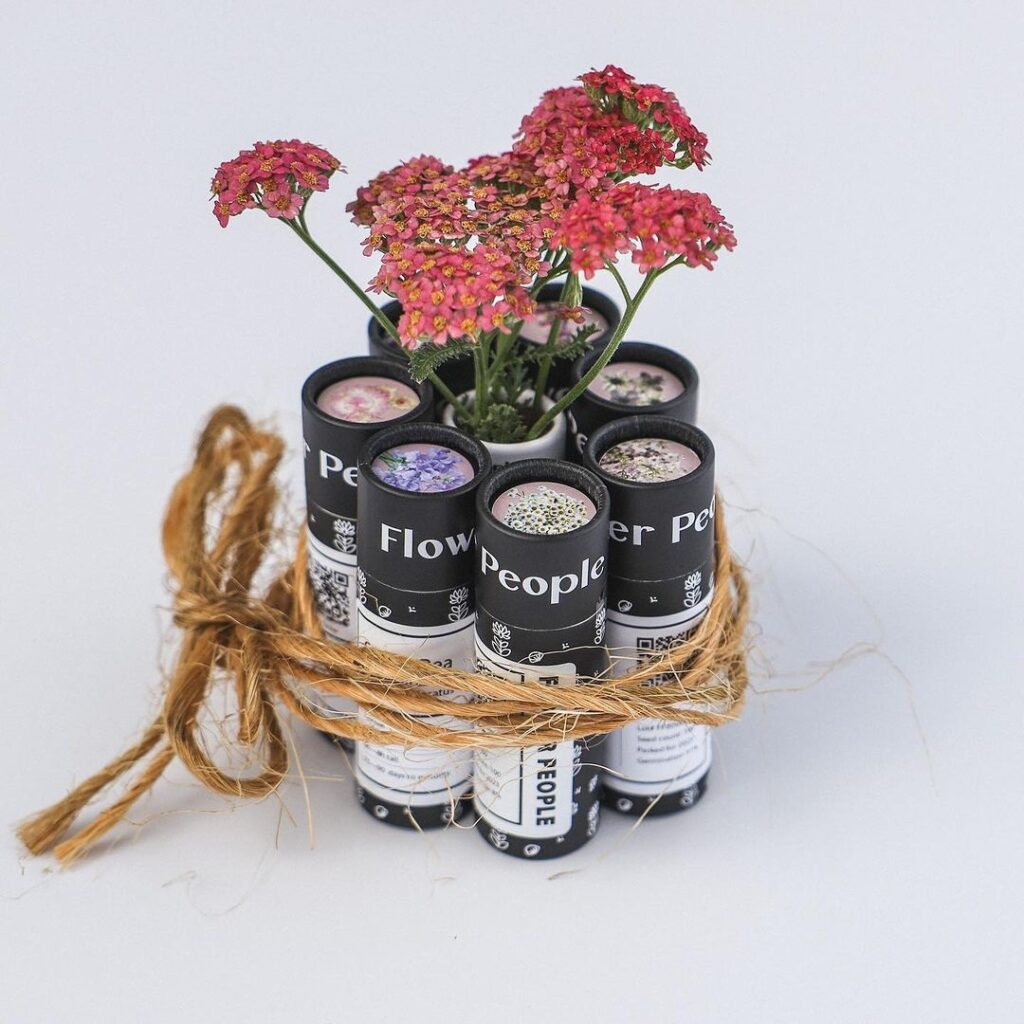
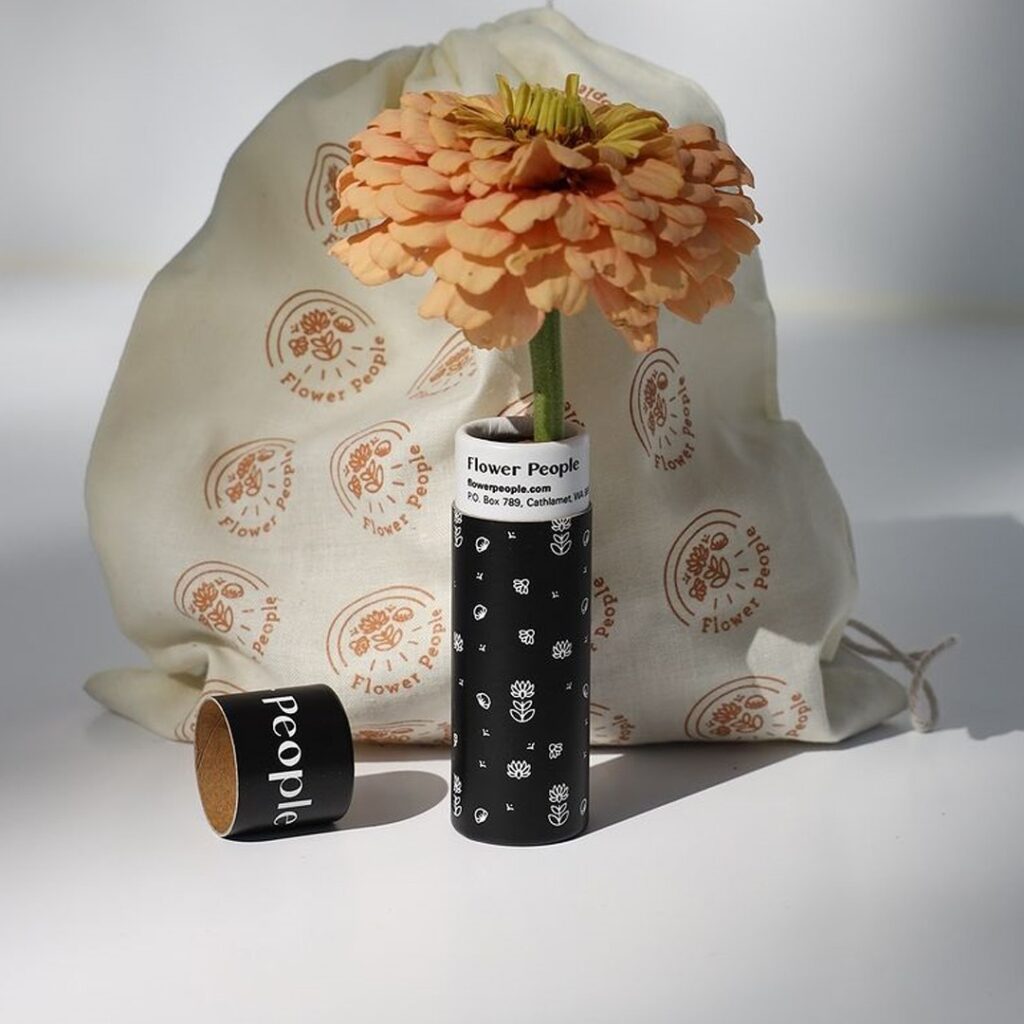
This guide breaks compostable packaging into eight practical, buyer-friendly checks. I’ll also tie it back to paper tube packaging, since rigid paper tubes often sit in the sweet spot for brands that want a premium look without plastic-heavy structures.
“Compostable” should mean the packaging breaks down in a composting environment and doesn’t leave harmful residue. The key phrase is in a composting environment. If your customers can’t access composting, “compostable” becomes a feel-good label with a landfill ending.
That’s why good compostable packaging work starts with one question:
Where will your customers actually throw it away?
If you sell online across regions, you’ll usually need a plan for mixed infrastructure. That plan often looks like this:
Compostable where industrial composting is common
Recyclable paper-based packs where composting access is limited
Clear disposal instructions so customers don’t guess
Paper tubes help here because they’re rigid, protective, and easy to present as a paper-forward solution for many categories, from cosmetics to food and supplements.
Guide 1: Compostable packaging definition and claims
When buyers say “we want compostable packaging,” they often mean one of three things:
A sustainability claim for the product page
A better unboxing story
A compliance or retailer requirement
Those are different targets. So you need to lock the claim first.
Compostable vs biodegradable vs recyclable keywords
Use these keywords correctly (and don’t mix them on the same pack unless your legal team blesses it):
Compostable packaging: designed to break down under composting conditions
Biodegradable packaging: vague without a standard and a timeframe
Recyclable packaging: depends on local acceptance and design (labels, coatings, inks)
Claim checklist for packaging artwork
Before you print anything, make sure your dieline notes include:
Which claim you will use (and where it appears)
Which standard you’re targeting (see Guide 2)
Disposal wording that matches real infrastructure (see Guide 4)
This is where OEM/ODM packaging shines. If you manufacture at scale, you can standardize these callouts and reduce “oops” reprints later.
Guide 2: EN 13432 and ASTM D6400 standards
Don’t build a compostable pack around vibes. Build it around a recognized standard.
You’ll see these keywords most often:
EN 13432 (commonly referenced in Europe for packaging recoverable through composting/biodegradation)
ASTM D6400 (commonly referenced in the US for compostable plastics)
ASTM D6868 (often used for compostable coatings/adhesives on compostable substrates)
What standards usually evaluate
Most compostability standards look at themes like:
Disintegration in composting (it shouldn’t stay as recognizable fragments)
Biodegradation (it should break down biologically)
Eco-toxicity / heavy metal limits (it shouldn’t harm compost quality)
If a supplier can’t tell you which standard they built to, treat that as a red flag.
This is the part most brands skip, and it’s where customer confusion starts.
Industrial composting runs hotter and more controlled. Home composting varies wildly. A package that composts in an industrial facility may sit unchanged in a backyard bin for a long time.
How this changes your material choices
If your packaging touches moisture, grease, or aroma-sensitive goods, you’ll likely use:
A paper structure (like a rigid paper tube)
A barrier layer, coating, or liner
That barrier layer often determines whether the whole structure can honestly claim compostability.
Real-world scenario
If you sell matcha, loose-leaf tea, or supplements, customers expect freshness. You may need a tighter barrier. In that case, you can either:
Keep the primary barrier as an inner pouch (and make the outer tube recyclable paper), or
Design a fully compostable structure only if your barrier materials and adhesives truly qualify
For tea, a rigid tube with a strong closure is a popular format because it protects aroma and reduces crushing during shipping. Here’s one example of a tea-focused tube structure: kraft paper tube boxes for tea packaging.
Guide 4: Compostable labeling and on-pack disposal instructions
Even perfect materials fail if customers toss them in the wrong bin.
Your label needs to do two jobs:
Tell the truth
Tell people what to do
Disposal instruction keywords that reduce confusion
Use plain instructions like:
“Compost where facilities exist”
“Not for recycling”
“Remove liner before composting” (if that’s your structure)
Avoid broad, feel-good lines that invite complaints.
Add a “bin decision” line near the barcode
This sounds small, but it reduces returns and bad reviews. Customers scan the back panel when they’re standing at the trash can. Make that moment easy.
Guide 5: Compostable materials and barrier coatings for paper packaging
Paper looks compostable, but packaging rarely uses plain paper. It uses:
inks
adhesives
coatings
labels
closures
That “small stuff” decides whether you can make a compostable claim with confidence.
Common risk points in paper-based compostable packaging
Watch these parts:
Lamination films (often the main compostability blocker)
Metallic foils / hot stamping (can cause disqualification depending on spec)
Closures (liners, inserts, or special features)
Paper tube packaging angle
Rigid paper tubes give you room to separate functions:
Outer tube = branding + protection
Inner pack = barrier + food contact needs
That split often solves a big customer pain: you keep shelf impact and shipping strength, without forcing the entire system into one claim.
If you package powders or supplements, a tube format can also improve “scoop experience” and reduce crushed-corner complaints. Example: paper tube box for protein powder packaging.
Guide 6: Food waste capture and food-service packaging scenarios
Compostable packaging makes the most sense when it helps capture food waste. That’s why it shows up a lot in:
cafeterias
stadiums
festivals
quick-service restaurants
office pantries
Where compostable packaging actually wins
It wins when:
Food residue makes recycling unrealistic
Collection bins go to industrial composting
Staff can train customers with clear signage
If your buyer sells into food service, help them build a packaging system, not a single box.
Packaging system tip
Pair your compostable claim with:
a simple disposal line on-pack (Guide 4)
consistent materials across the set (cup + lid + wrap)
a supplier who can keep specs consistent across batches
Guide 7: Recycling stream contamination and sorting risk
Here’s the uncomfortable truth: compostable packaging can create problems if it ends up in recycling.
Compostables and recyclables can look similar. Sorting lines move fast. If your pack gets mis-sorted, it may contaminate bales or trigger extra sorting costs.
If you choose paper-forward packaging instead, make sure your coatings and labels don’t quietly kill recyclability.
Guide 8: Supplier verification, OEM/ODM specs, and compliance documentation
This is where professional brands separate from “we saw a trend on social media.”
If you want compostable packaging at scale, you need a supplier who can run a real spec process:
material spec sheet
incoming QC
batch consistency
documentation support
Documentation checklist for compostable packaging projects
Ask for:
Target standard: EN 13432 / ASTM D6400 / ASTM D6868
Material composition and any coatings
Adhesive and ink notes (at least at the spec level)
Change control (what happens if a material is substituted)
Why this matters for wholesale and OEM/ODM
If you sell through retailers, distributors, or marketplaces, you’ll eventually get a question like:
“Can you prove this compostable claim?”
If your supplier already runs OEM/ODM programs and bulk production workflows, you’ll move faster. That’s also where manufacturing capacity and process control matter. Your operation setup (like a modern food packaging purification workshop and scalable warehousing) supports consistent output for large orders.
For product formats that need extra compliance attention (like child-resistant packaging), you can still keep a paper-forward structure and focus claims carefully. Example: cannabis child resistant paper tube packaging.
Final take: pick the claim that survives the trash can moment
Compostable packaging can be a smart move. It can also backfire if your customers don’t have composting access or your labeling leaves room for guesswork.
If you want a clean path with fewer surprises, start with a paper-forward structure, keep your claims precise, and design the pack like a system. When you’re ready to spec it, align materials, coatings, labeling, and documentation from day one.
If you want to explore formats quickly, jump back to the paper tube packaging products catalog and shortlist the structures that match your product’s barrier and shipping needs.