Still Not Seeing The Right Packaging Solution? Talk to Our Boss.
If you’ve reviewed our website or spoken with sales and still don’t see a clear path, send your request here. Your message goes directly to our General Manager for an executive review of feasibility, cost, and lead time. You’ll get a clear next step—what we can do, what we need from you, and the fastest route to a quote.
Built for packaging managers, procurement, and packaging engineers. Specify size, quantity, and finish to receive moq, lead time, and spec guidance for us/eu programs.
Quote-ready customization: diameter, height, wall thickness, inserts, liners, and closures
The Ascendance of Classic Cardboard Tube Designs and Creative Strategies
Cardboard tube packaging is having a real moment. Not because it’s “trendy,” but because it solves three problems at once: shelf impact, shipping protection, and brand consistency at scale. If you sell in retail, run a DTC store, or supply distributors, you already know the pain points: crushed boxes, messy branding across SKUs, and packaging that looks fine online but falls flat in a shopper’s hand.
This guide breaks down the core arguments behind the rise of classic tube designs, then turns them into practical packaging moves you can use for OEM/ODM and wholesale orders. It also links you to the right internal pages so you can match concepts to real tube styles and use cases.
Packaging Design as a Brand Attention Driver
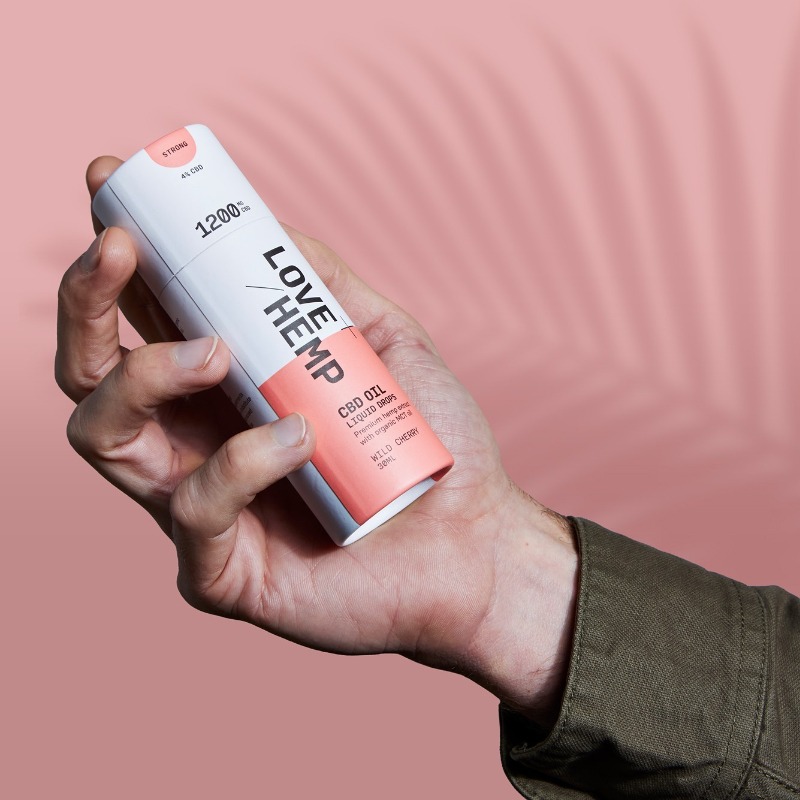
Packaging is your first sales rep. It works in silence, and it never takes a day off. A clean tube structure helps you “win the glance,” because shoppers read the shape before they read the label.
What “attention” really means in packaging design
Attention isn’t just “pretty.” It’s fast recognition in a crowded aisle or a scroll. Tubes help because they give you:
A strong silhouette (easy to spot in a lineup)
A 360° brand surface (more room for storytelling)
A premium feel without complicated structures (less that can go wrong in production)
If your product competes in a tight category, a tube can become your category disruptor without changing the formula inside.
Cardboard Tube Packaging Across Industries
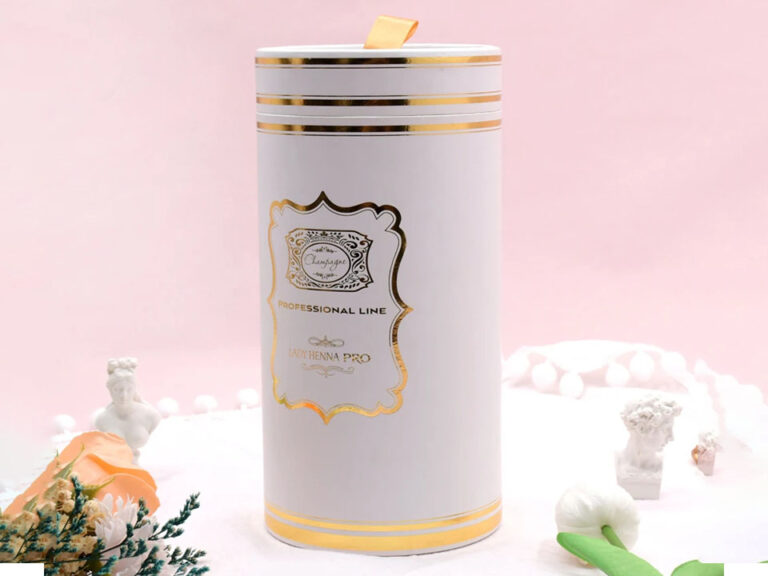
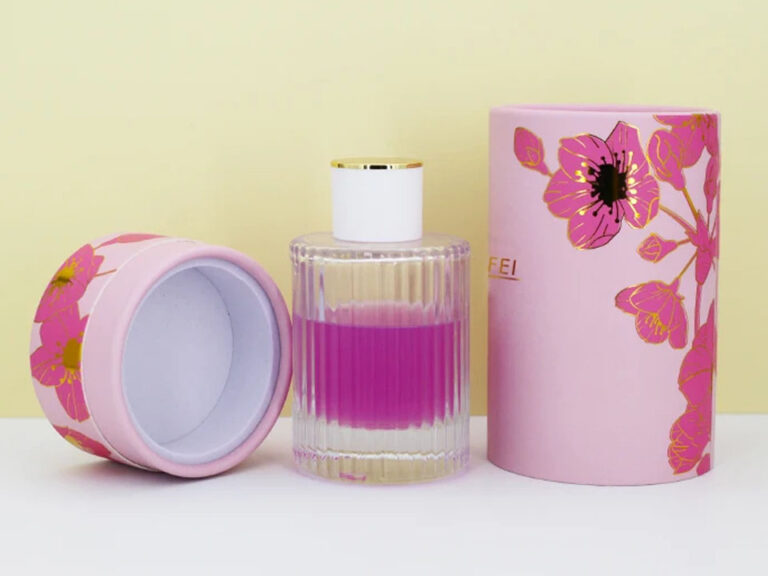
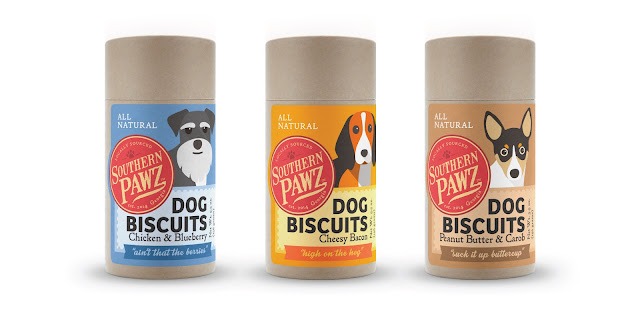
Tubes aren’t locked to one niche. You’ll see them across food, beauty, supplements, fashion accessories, gifts, and regulated items because the structure scales well and presents cleanly.
Where tube packaging fits best
Use tubes when you need shape protection + shelf presence + quick merchandising. Common scenarios:
Creative Strategies for Unboxing and Social Sharing
If you sell online, you don’t just ship a product. You ship a moment. Tubes make that moment easier to control because the structure feels “giftable” by default.
Practical creative levers that still run smoothly in bulk
Creative doesn’t need wild shapes. It needs smart surface decisions that production can repeat:
Texture cues: matte soft-touch, kraft feel, or a leather-like look
3D visuals: layered graphics that pop when the tube rotates
Opening feel: friction fit that feels secure but not annoying
Here’s the rule: build a “share trigger” into the first 5 seconds. If the cap lifts cleanly, the print looks sharp, and the surface feels premium, customers do the marketing for you.
Customization and Quality Control in OEM/ODM Tube Production
In OEM/ODM, the real work happens before the first carton ships. You don’t want “nice design.” You want repeatable design that survives mass production, handling, and long-distance logistics.
Where quality shows up (and where buyers complain)
Fit issues (cap too tight, too loose, or pops off in transit)
Damage rate (compression during shipping or warehouse stacking)
To reduce risk, treat packaging like a controlled process: clear specs, clear tolerance, clear QC gates. That’s how you protect sell-through and avoid rework.
Sampling and Pre-Production Proofing
Sampling isn’t a formality. It’s your insurance policy.
A sampling flow that prevents “looks good on screen” mistakes
A solid tube project usually runs like this:
Structure white sample (dimensions, insert fit, cap friction)
Print proof (color accuracy, text legibility, barcode clarity)
If you’re selling through distributors or retail chains, this step saves you from late-stage surprises that hurt timelines and relationships.
Sustainability Claims and Consumer Usability
Customers don’t buy “sustainable packaging” as a slogan. They buy what feels easy to live with.
Make sustainability practical, not preachy
If you want sustainability to land, talk about:
Reseal and reuse (customers store it instead of tossing it)
Shelf and pantry organization (tubes stack and look tidy)
Cleaner disposal (paper-based structure feels easier to sort)
That angle works especially well for subscription boxes, gifting, and premium consumables.
Key Arguments, Control Points, and Proof Signals
The table below turns the strategy into a quick decision tool. It gives you the argument, the manufacturing control point, and a source type you can cite internally in briefs and client decks.
Argument (thesis title)
What it means in the market
Manufacturing control point (what to lock)
Proof signal (what to measure)
Argument source
Packaging Design as a Brand Attention Driver
Shape + surface drive first impression and recall
Print placement, surface finish, cap alignment
Higher shelf pickup, stronger PDP photos
Packaging design practice
Cardboard Tube Packaging Across Industries
Tubes fit food, beauty, wellness, gifts, and more
Material grade selection, barrier needs, inserts
Lower damage rate, cleaner merchandising
Category packaging usage
Creative Strategies for Unboxing and Social Sharing
Customization and Quality Control in OEM/ODM Tube Production
Custom wins only if it stays consistent at scale
Color standard, finish spec, AQL checks
Fewer returns, fewer reprints
OEM/ODM operations
Sampling and Pre-Production Proofing
Samples catch issues before they become expensive
Sample sign-off checklist, golden sample retention
Faster approvals, fewer delays
Production management
Sustainability Claims and Consumer Usability
Convenience sells better than slogans
Reuse-friendly structure, scuff resistance
More repurchase, less complaint noise
Consumer usability logic
Real-World Scenarios You Can Use Right Away
Cross-border ecommerce SKU launch
You’re launching a new supplement line. You need packaging that looks premium on-camera, survives fulfillment, and stays consistent when you reorder. Start with a format like protein powder cardboard cylinder box packaging and lock a color standard early so your brand doesn’t drift across batches.
Retail brand seasonal drop
You’re doing a limited edition tea set. Tubes help you build a giftable look without overengineering. A style like food-grade tea paper tube boxes can carry the “premium” cue, while the structure keeps the product protected on shelves.
Distributor private label with fast reorder cycles
Distributors want packaging that’s stable, stackable, and easy to warehouse. Tubes check that box and keep SKUs visually unified. If you want to build a range, browse the paper tube packaging product catalog and pick 2–3 core tube sizes for a clean lineup.
Manufacturing Capacity and Scale for Wholesale Orders
When you scale, reliability matters as much as looks. Your positioning as a Top Custom Paper Tube Boxes Manufacturer works best when you connect it to operational reality: a modern food packaging purification workshop, a 12,300m² warehouse, and daily output capacity that supports bulk orders and ongoing replenishment.
That matters to:
Brand owners who need stable reorders
Cross-border sellers who can’t afford packaging variance
Wholesalers and distributors who need predictable supply
Agencies who need clean prototyping into mass production
OEM/ODM buyers who want one vendor to run the whole packaging lane
If you want a quick starting point, send buyers to your homepage so they understand the factory + capability story first, then route them to product pages based on category.
Tube Packaging Strategy Checklist
Use this checklist to keep projects moving and reduce back-and-forth:
Confirm product size, weight, and insert needs
Choose material and finish based on channel (retail vs DTC vs wholesale)
Lock color standard (Pantone/CMYK targets) before mass production
Approve structure sample before artwork finalization
Run scuff and compression checks for logistics reality
Keep a “golden sample” for future reorders
If you want to expand your tube lineup next, start in the paper tube packaging product catalog and build a modular system: a few tube sizes, consistent branding rules, and finishes that fit your margin and channel.