Still Not Seeing The Right Packaging Solution? Talk to Our Boss.
If you’ve reviewed our website or spoken with sales and still don’t see a clear path, send your request here. Your message goes directly to our General Manager for an executive review of feasibility, cost, and lead time. You’ll get a clear next step—what we can do, what we need from you, and the fastest route to a quote.
Built for packaging managers, procurement, and packaging engineers. Specify size, quantity, and finish to receive moq, lead time, and spec guidance for us/eu programs.
Quote-ready customization: diameter, height, wall thickness, inserts, liners, and closures
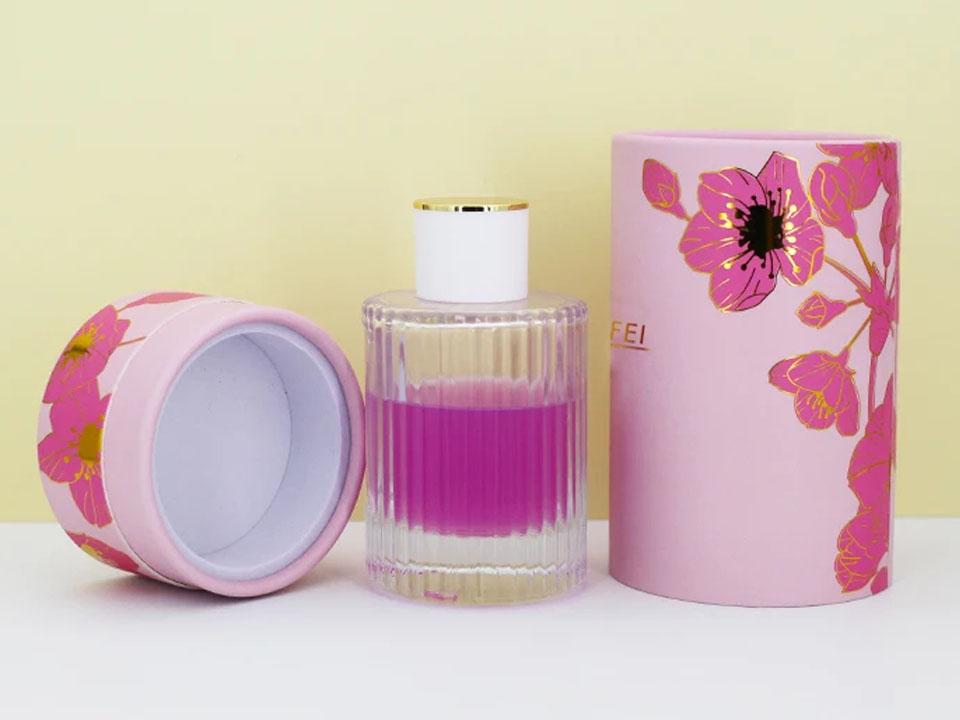
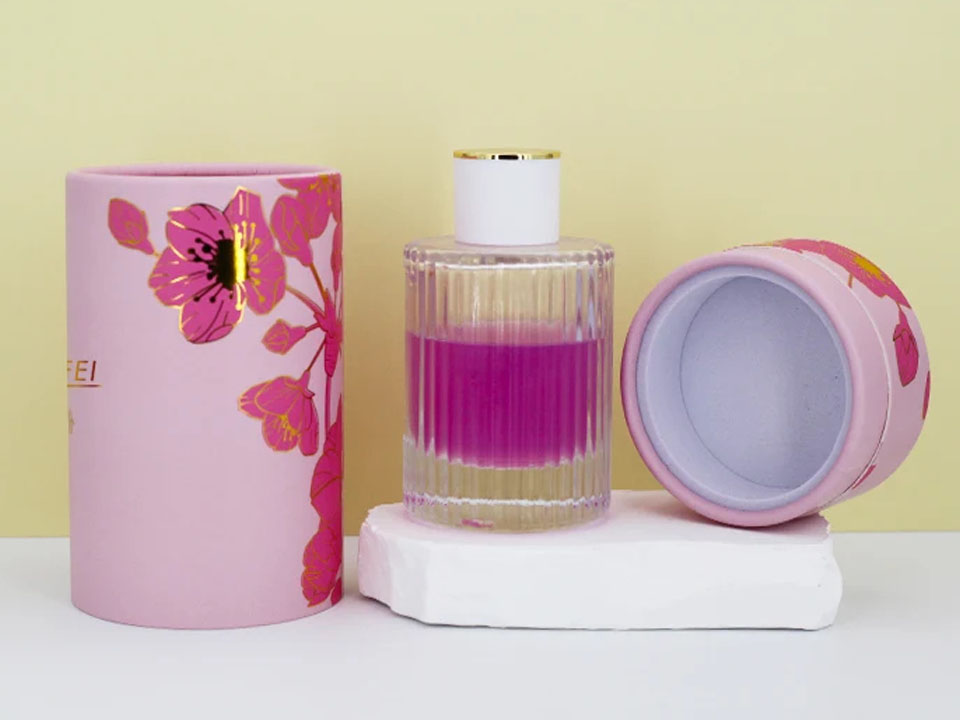
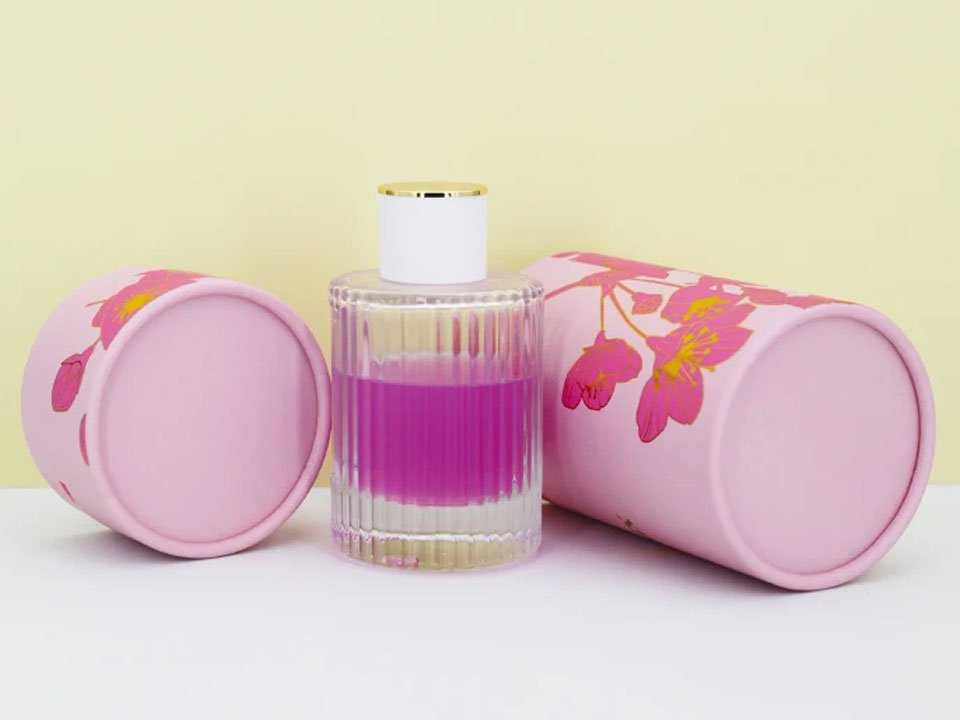
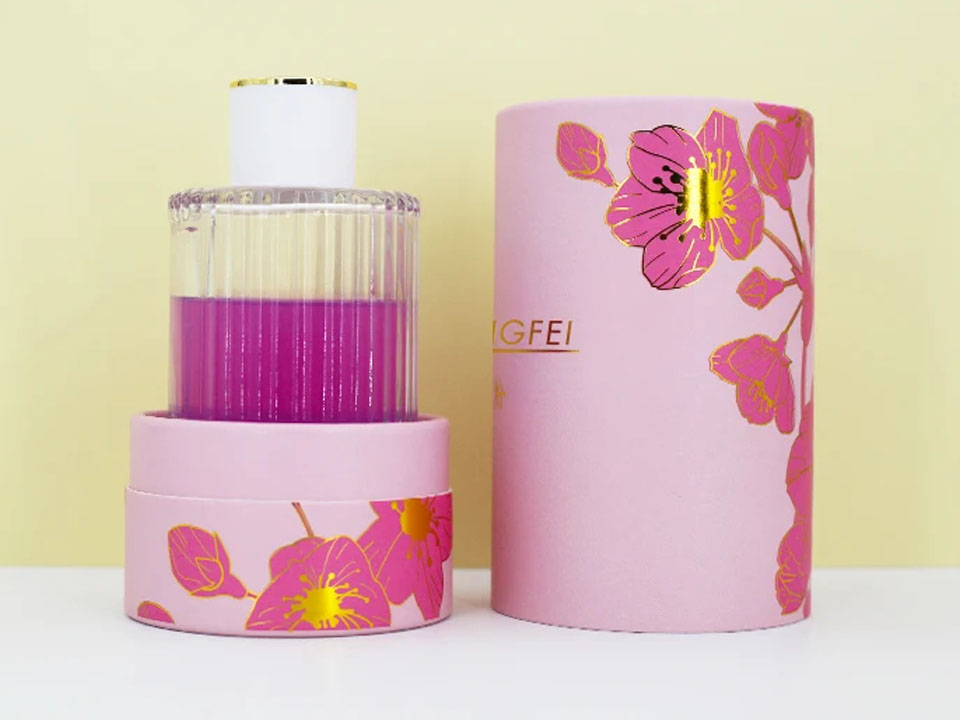
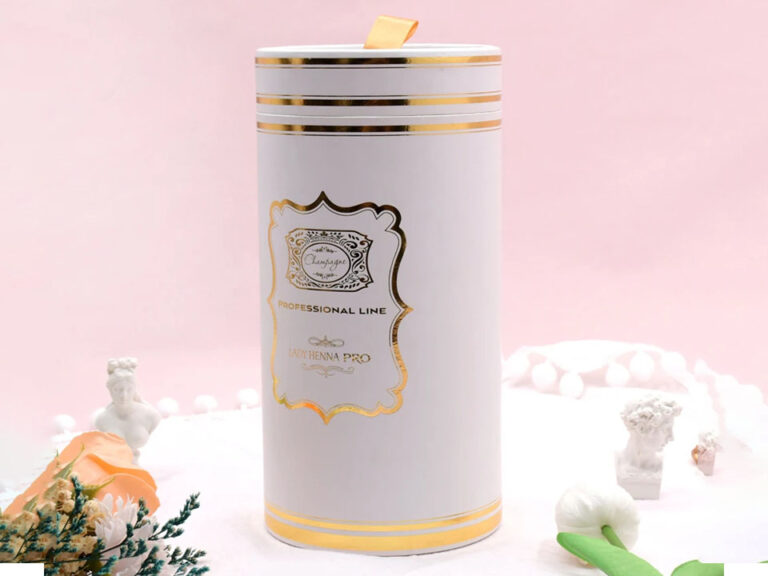
Luxury Cosmetics Paper Tubes: Premium Packaging Without Glass
Glass isn’t sacred. It’s just a heavy, breakable status symbol that procurement teams tolerate because “luxury” got lazily tied to weight, while regulators, retailers, and parcel networks are quietly punishing excess packaging and empty space with rules, fees, and stricter recyclability expectations. So why keep paying to ship fragility?
I’ve sat in too many sampling rooms where the buyer says “premium” and the factory hears “foil + low cost,” then ships a loose-lid cylinder with a fuzzy seam and a cap that burps air like a bad jar. That’s the hard truth: paper can look expensive, but it doesn’t look expensive by default. You have to engineer it.
If you’re building luxury paper tube packaging for skincare, fragrance accessories, balms, or cosmetic powders, you’re really building a mechanical system that happens to be paper: roundness, friction, compression strength, humidity behavior, edge finish, and the micro-sounds a closure makes when it seats.
And yes, the “without glass” angle is real business now, not a green brochure. In March 2024, EU negotiators agreed to packaging reduction targets (including 5% by 2030) and a push that all packaging should be recyclable by 2030, with bans and limits aimed at single-use formats. You can read Reuters’ straight take here: EU provisionally agrees on law to cut packaging waste. (Reuters) The Council’s own summary also flags restrictions that explicitly touch “small cosmetic and toiletry products” in the accommodation sector, plus the direction of travel: recyclable packaging and fewer substances of concern. Council press release on the PPWR deal. (Consilium)
Meanwhile in California, the state government publicly put numbers on the table: “less than 9%” of plastic recycled (California and the broader U.S., as stated in the announcement), and a 2032 mandate stack that includes selling less single-use plastic packaging, making packaging recyclable/compostable, and hitting specific recycling targets. California’s SB 54 implementation update (March 8, 2024). (Governor of California) CalRecycle’s rulemaking record shows the regulatory machinery moving, including the 2024 submission timeline to the Office of Administrative Law. CalRecycle SB 54 permanent regulations page. (CalRecycle Home Page)
That’s the backdrop. Now the work.
The luxury problem: paper fails at “fit” long before it fails at “print”
Most “cheap-looking” tubes share the same crime scene:
Cap wobble (radial clearance too big, ovality too high)
Soft edges (no clean curl, no crisp shoulder, fiber crush visible)
Seam telegraphing (wrap paper too thin, adhesive strike-through)
Bad sound (cap seats with a hollow slap, not a controlled glide)
Rattle (no insert strategy, product shifts and knocks)
If you want a paper tube to stand next to glass, stop thinking like a graphic designer first. Think like a tolerancing engineer.
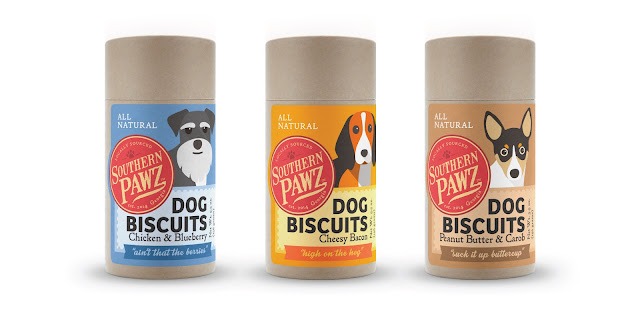
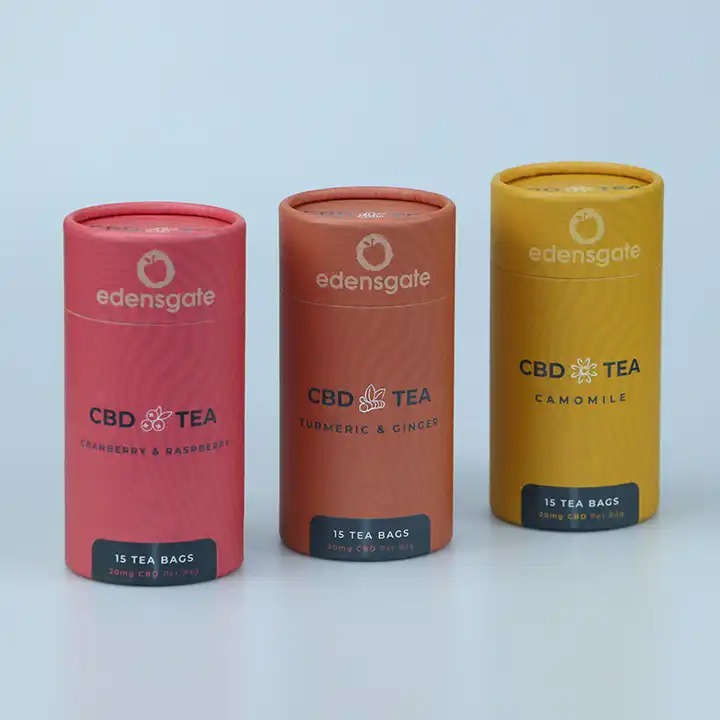
For product/category inspiration and baseline structures, start with these internal references and treat them like “platforms” you’ll spec upward:
Practical specs that actually change perceived luxury
Here’s where I typically start when I’m trying to prevent the “cheap cylinder” outcome. These ranges are practical for scalable production, not fantasy one-offs.
1) Wall thickness and board build: where “rigid” becomes “premium”
Entry-level tubes often sit around 0.8–1.0 mm wall and feel like a poster tube.
Premium paperboard tube packaging usually starts to “read luxury” at 1.2–1.6 mm wall, especially once wrapped with a heavier cover stock.
If your tube is tall (think 140–200 mm), I push 1.5–2.0 mm because slender tubes magnify ovality.
Board notes I wish more buyers understood:
Recycled greyboard can be strong, but odor and fiber speck can haunt light wraps.
Virgin or higher-cleanliness boards cost more, but they reduce “mystery smell” returns in hot warehouses.
FSC claims are nice; the customer’s hand doesn’t care. The hand cares about stiffness and edge quality.
2) Closure feel: friction is a design variable, not a gamble
A luxury telescopic paper tube box lives or dies by its closure.
What I spec and measure:
Cap overlap depth: deeper overlap hides tolerance variation and looks “built,” not “placed.”
Friction band strategy: a controlled friction zone beats full-length drag (full drag scuffs and squeaks).
Roundness/ovality limits: if you don’t set a number, you’ll get whatever the winding machine feels like that week.
Hard truth: factories love “loose lids” because they reduce complaints during assembly. Brands hate them because they feel like a thrift-store candle tube.
3) Wrap and tactile finish: luxury is mostly surface physics
Printing can’t save a tube with bad geometry, but good geometry with the wrong finish still looks mid.
Finishes that read premium (when done cleanly):
Soft-touch matte aqueous (controlled, not rubbery)
High-build UV spot for logo relief (use sparingly)
Emboss/deboss with tight registration
Cold foil or hot stamp (but only if the base wrap is flat and dense)
Texture papers (linen, felt, micro-sand) when your brand can own the vibe
Finishes that look premium in a photo but fail in real life:
Over-laminated gloss on “eco” claims
Heavy metallic flood that highlights seam lines
Cheap soft-touch that fingerprints like a crime lab sample
4) Insert strategy: stop letting the product rattle
If you’re replacing glass, odds are your primary pack is lighter (airless pump, aluminum, PP jar). Lightweight primaries need restraint.
Insert options that scale:
Paperboard collars (cheap, fast, good enough for many SKUs)
Pulp trays (great for sets, can be rough if not finished well)
EVA foam looks luxury but can trigger sustainability objections, so I use it only when the brand can justify it
Also: design for assembly. If your insert requires hand-fitting at 8 seconds per unit, your “premium” tube becomes a labor tax.
Why “no glass” is accelerating right now, even for luxury
This isn’t just brand virtue signaling. Systems are shifting.
The EU’s 2024 deal pushes packaging reduction and recyclability timelines that squeeze “decorative overbuild” habits. Reuters summary. (Reuters)
The Council text also spotlights reuse/refill expectations and restrictions on specific single-use formats, including hospitality cosmetics/toiletries. Council press release. (Consilium)
California’s SB 54 posture is blunt: cut single-use plastic packaging, make packaging recyclable/compostable, fund enforcement and infrastructure. Governor’s announcement. (Governor of California)
And shipping giants are ripping plastic out of the system because plastic void fill is becoming reputational debt. Bloomberg reported Amazon moving from plastic air pillows to recycled paper padding and swapping plastic mailers for paper sleeves. Bloomberg on Amazon’s shift (June 20, 2024). (Bloomberg.com)
When parcel networks and regulators start agreeing on “less packaging, more paper,” luxury brands don’t get a special exemption for glass nostalgia.
Comparison table: what buyers actually trade off
Packaging format
Premium cues (in-hand)
Failure mode in the market
Best use case
Procurement “gotcha”
Cosmetic paper tube packaging (rigid tube)
Warm touch, high print quality, controlled closure sound, low breakage
If you don’t spec tolerances + inserts, you’ll buy rattling tubes
Glass jar/bottle (with carton)
Weight, clarity, “cold luxury”
Breakage, freight cost, e-commerce damage claims
High-end serums, fragrance, where formula needs glass
Heavy packaging draws scrutiny when reduction targets tighten
Aluminum primary + paper tube secondary
Premium metal feel plus paper storytelling
Denting, scuffing, mismatch of finishes
Deodorant sticks, solid skincare, travel formats
Surface scratch resistance needs testing, not hope
Plastic primary + rigid paperboard tube
Visual luxury without glass
Greenwashing accusations if recyclability unclear
Mass-premium skincare and haircare
Mixed materials can confuse recycling and compliance claims
FAQs
What is cosmetic paper tube packaging?
Cosmetic paper tube packaging is a rigid cylindrical secondary pack made from spiral-wound or convolute paperboard, usually with a telescopic cap, designed to protect and present a primary cosmetic container while delivering a tactile, print-ready surface and lower breakage risk than glass, without needing a brittle outer shell. In practice, it’s a structural upgrade over folding cartons: more stiffness, more “giftable” presence, and better room for luxury finishes when the geometry is controlled.
Are paper tubes really a premium alternative to glass in luxury cosmetics?
A premium paper tube is a luxury alternative to glass when its structure, closure tolerance, and surface finish are engineered to deliver consistent rigidity and a precise “seat” feel, while the brand accepts that prestige comes from fit-and-finish discipline rather than raw weight or fragility-based signaling. If your cap wobbles, you lost. If your insert lets the primary knock, you lost. Paper is unforgiving that way.
What wall thickness makes a paper tube feel premium?
Premium-feeling wall thickness is the combined paperboard build that creates high hoop strength, clean edge formation, and stable roundness under handling, typically landing in the 1.2–1.6 mm range for most cosmetic tube diameters, with thicker builds often needed for tall tubes or heavy closures. I’d rather you overbuild slightly than spend money on foil trying to distract from flex.
How do you make paper tube packaging feel premium at scale?
Making paper tube packaging feel premium at scale means locking repeatable mechanical and cosmetic specs—roundness, cap fit, overlap depth, seam management, insert retention, and scuff resistance—then validating them under humidity, drop, and abrasion tests so production lots don’t drift into “loose and fuzzy” territory. Also: stop approving one perfect hand-built sample. Approve three samples from three different days.
Are “glass-free” paper tubes automatically recyclable?
Glass-free paper tubes are recyclable only when their material stack (wrap, inks, coatings, adhesives, and any barrier liner) meets local recycling acceptance rules and doesn’t introduce non-separable layers that behave like contamination, which is why claims should be written narrowly and backed by supplier declarations, not vibes. Regulators are signaling more scrutiny on substances and recyclability expectations. Council summary of recyclable packaging direction. (Consilium)
Final words
If you’re serious about paper tube packaging alternative to glass, don’t start with artwork. Start with the spec sheet. Use the internal product structures as your base, then spec upward for luxury and repeatability:
If you want, I can also turn your SKU list (diameter, height, primary pack type, target MOQ, and finish direction) into a buyer-facing RFQ spec that forces factories to quote the same build, instead of four different “interpretations” of “premium.”