ما زلت لا ترى حل التغليف المناسب؟ تحدث إلى رئيسنا.
إذا كنت قد راجعت موقعنا الإلكتروني أو تحدثت مع المبيعات وما زلت لا ترى مساراً واضحاً، أرسل طلبك هنا. ستنتقل رسالتك مباشرةً إلى مديرنا العام لإجراء مراجعة تنفيذية للجدوى والتكلفة والوقت اللازم. ستحصل على خطوة تالية واضحة - ما يمكننا القيام به، وما نحتاجه منك، وأسرع طريق للحصول على عرض أسعار.
الخصائص المشتركة الموجودة في العبوات المخصصة عالية الجودة
التغليف المخصص عالي الجودة ليس مجرد “مظهر جميل”. إنه التغليف الذي يحمي منتجك، ويروّج لعلامتك التجارية، ويظل متناسقًا مع الطلبات المتتالية - خاصةً عندما تقوم بتصنيع المعدات الأصلية/التصنيع حسب الطلب والشراء بكميات كبيرة.
إذا كنت تقوم بالتوريد من الخارج أو تتوسع بسرعة، فربما تكون قد رأيت نقاط الضعف: انحراف اللون، أو الأغطية غير المناسبة، أو الطلاءات الخارجية المكسورة، أو الكراتين التي يتم سحقها أثناء النقل، أو “العينة الجيدة” التي لا تتطابق أبدًا مع الإنتاج الضخم. يشرح هذا الدليل ما يجب البحث عنه، باستخدام نقاط تفتيش عملية يمكنك مشاركتها مع فريقك ومصممك ومورّد التغليف الخاص بك.
هيكل من الورق القابل لإعادة التدوير، مزيج ذكي من المواد
“ادعاءات ”الغسيل الأخضر" وشكاوى النفايات
مواصفات المواد + مسار إعادة التدوير حسب السوق
عبوة سهلة الاستخدام والراحة
فتح/إغلاق سلس، احتكاك متناسق، إعادة إغلاق عند الحاجة
فتح العلبة السيئة، والإرجاعات، والمراجعات السلبية
اختبار المستخدم + اختبار دورة الإغلاق
تصميم العبوات الوظيفية لملاءمة المنتج
تفاوت محكم، لا خشخشة، إدراج مستقر
الكسر والحركة وخدوش الملصق
تناسب العينة + محاكاة السقوط/الاهتزاز
عبوات متينة وواقية للشحن
مقاومة قوية للسحق، وحواف نظيفة، وغطاء مستقر
خدوش، علب كرتون محطمة، طلاء خارجي مخدوش
خطة اختبار الضغط + اختبار السقوط
الجاذبية البصرية واتساق العلامة التجارية
لون مستقر، وطباعة واضحة ومتناسقة اللمسات النهائية
“دفعة مختلفة تبدو مختلفة”
هدف Pantone/CMYK + العينة الرئيسية المعتمدة
الامتثال التنظيمي للتغليف والتعبئة والتغليف
ملصقات صحيحة وأحبار/بطانات أكثر أمانًا لحالة الاستخدام
المضبوطات ومخاطر الامتثال
قائمة التحقق من الامتثال حسب الفئة
تتبع سلسلة التوريد لمواد التعبئة والتغليف
تتبع الدفعات + وثائق الموردين
نزاعات الجودة، والانحراف في الطلبات المتكررة
سجلات الدفعات + عمليات فحص المواد الواردة
عملية مراقبة الجودة للتغليف المخصص
مسح نقاط التحقق من مراقبة الجودة وأخذ عينات AQL
“عينة جيدة، كتلة سيئة”
عينة ما قبل الإنتاج + تقارير مراقبة الجودة المضمنة
مواد تغليف صديقة للبيئة
صديقة للبيئة لا تعني “ناعمة” أو “رخيصة”. بل يعني أنك تختار المواد التي تتناسب مع منتجك وسوقك، دون الإفراط في البناء.
مواد الأنابيب الورقية القابلة لإعادة التدوير
تعمل العبوات الأنبوبية الورقية بشكل جيد هنا لأن الهيكل الأساسي يبقى ورقياً. يمكنك أيضًا التحكم في “الإضافات” التي غالبًا ما تكسر قابلية إعادة التدوير - مثل النوافذ البلاستيكية الثقيلة أو التصفيح المختلط أو البطانات التي يصعب فصلها.
إذا كان منتجك يحتاج إلى حضور متميز على الرفوف بدون بلاستيك، يمكنك الاعتماد على تشطيبات السطح والهيكل الذكي بدلاً من إضافة مواد مختلطة.
الحجم المناسب والحد من النفايات
مكسب مشترك بين الشركات: تقليل الوزن والحشو من حيث الأبعاد. لا يتعلق الحجم الصحيح بالحجم الصحيح بحفظ البنسات. بل يتعلق الأمر بخدوش أقل، وتعبئة كرتونية أفضل، واستيفاء أنظف (خاصة بالنسبة للتجارة الإلكترونية عبر الحدود والمستودعات على غرار FBA).
يجب أن يتحدث معك المورد الجيد عن
تفاوت القطر الداخلي (حتى لا يهتز المنتج)
اختيار سُمك الجدار (حتى لا ينهار الأنبوب)
عبوة كرتونية رئيسية (بحيث تتراص الكراتين بشكل أفضل)
عبوة سهلة الاستخدام والراحة
يتذكر العملاء الاحتكاك. إذا واجهوا صعوبة في فتحه، فإنهم يلومون علامتك التجارية وليس صندوقك.
غطاء سهل الفتح وتصميم سهل الفتح وإعادة الإغلاق
بالنسبة للأنابيب الورقية، فإن “الملمس” مهم: كيف ينزلق الغطاء، ومدى إحكام غلقه، وما إذا كان يبقى ثابتًا بعد تكرار الاستخدام. هذه ليست جماليات. هذه هي الهندسة - خاصة عندما تتغير الرطوبة ودرجة الحرارة أثناء الشحن.
إذا كنت تبيع أغراضاً للاستخدام اليومي، فاستهدف الإغلاق الذي يشعرك بالأمان ولكنه لا يحتاج إلى “معركة باليدين”.”
تفريغ الصناديق لاستيفاء التجارة الإلكترونية
إذا تم شحن منتجك بشكل فردي، يصبح التغليف جزءًا من مسار المراجعة. الفتح النظيف والكشف النظيف وعدم وجود غبار فوضوي أو جرجرة يقطع شوطاً طويلاً.
مثال عملي: يمكن لعلامة تجارية لإكسسوارات الشعر أن تضيف قيمة عرض من خلال نافذة مع الحفاظ على شكل الأنبوب. شاهد مفهوم نمط النافذة هنا: عبوة أنبوبية ورقية لرباط الشعر بنافذة شفافة .
تصميم العبوات الوظيفية لملاءمة المنتج
“المظهر الجيد” يفشل سريعًا إذا تغير المنتج بالداخل. كما أن الملاءمة الجيدة تسرّع خطوط التعبئة.
الملاءمة والتفاوت للتغليف الأسطواني
مع الأنابيب الورقية، تظهر تغييرات التحمل الصغيرة بسرعة:
يمكن للحزمة المتميزة أن ترفع التحويل. لكن الاتساق يحافظ على الثقة.
مطابقة بانتون وتناسق الألوان
إذا كنت تقوم بتحجيم وحدات SKU، فأنت بحاجة إلى لون يمكن التنبؤ به، وليس “قريب بما فيه الكفاية”. أخبر المورد الخاص بك بالهدف الذي تريده (بانتون أو CMYK) وقم بتأمين عينة رئيسية معتمدة.
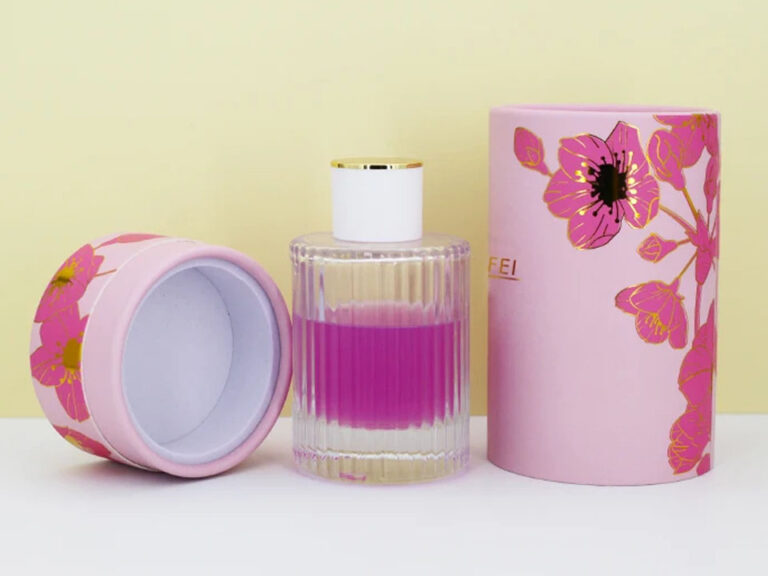
وهذا الأمر مهم أكثر بالنسبة لمستحضرات التجميل، حيث غالبًا ما يكون لون العلامة التجارية جزءًا من التعرف على المنتج. إليك مثال على فئة ذات صلة: عبوات أنابيب مستحضرات التجميل .
طلاء السطح ومقاومة الاحتكاك
الاحتكاك يقتل المظهر المتميز بسرعة - خاصةً في الشحن عبر الحدود حيث يتم التعامل مع الكراتين كثيرًا. اسأل عن:
أهداف مقاومة الفرك
حماية الحواف
متانة الطلاء النهائي (غير لامع، ملمس ناعم الملمس، إلخ)
الامتثال التنظيمي للتغليف والتعبئة والتغليف
الامتثال ليس موضوع “ربما لاحقًا”. فهو يغير ماهية المواد والعمليات المنطقية.
متطلبات التعبئة والتغليف من الدرجة الغذائية
إذا كانت العبوة تلامس الطعام (أو كانت قريبة بما فيه الكفاية بحيث يتعامل معها المنظمون على أنها تلامس الطعام)، فأنت بحاجة إلى خيارات أكثر أمانًا: الأحبار والطلاءات والبطانات التي تناسب حالة الاستخدام.
يعتبر الشاي مثالاً كلاسيكياً حيث يتوقع المشترون عرضاً متميزاً ونضارة عملية.
متطلبات التغليف المقاوم للأطفال
إذا كنت تبيع منتجات منظمة، يصبح تصميم الإغلاق هو المنتج. أنت بحاجة إلى حل مقاوم للأطفال لا يزال يعطي شعوراً بالتميز ولا يحبط البالغين.
عندما يحدث خطأ في الدفعة، فإن إمكانية التتبع توفر أسابيع من الجدل.
إمكانية التتبع على مستوى الدُفعات وثبات الطلبات المتكررة
يقوم الموردون ذوو الجودة العالية بتتبع دفعات المواد، ودفعات الإنتاج، ونقاط فحص مراقبة الجودة. وهذا مهم عندما تقوم بإعادة الطلب بعد أشهر وتريد نفس اللون ونفس ملمس الغطاء ونفس اللمسة النهائية.
كما أنه مهم أيضاً عندما تبيع بين الشركات وتحتاج إلى تغليف متناسق لشركاء التجزئة.
وثائق الموردين التي يمكنك استخدامها بالفعل
اسأل عن الوثائق التي تربطها بقرارات حقيقية:
مواصفات المواد
ملاحظات الطلاء/الحبر حسب حالة الاستخدام
سجلات الدفعة/الدفعة للمواد الرئيسية
عملية مراقبة الجودة للتغليف المخصص
وهنا تصبح كلمة “احترافي” قابلة للقياس.
الموافقة على عينة ما قبل الإنتاج
لا توافق على عينة تبدو جيدة فقط في الصور. وافق على عينة مطابقة:
لا تحتاج إلى إدارة المصنع بشكل دقيق. بل تحتاج إلى خطة مراقبة جودة قابلة للتكرار:
فحوصات المواد الواردة
نقاط الفحص المضمنة (الطباعة واللصق والتشكيل)
الفحص النهائي باستخدام قواعد أخذ العينات AQL
هكذا تتجنب المشكلة التقليدية: “الكرتونة الأولى تبدو رائعة، والباقي يبدو متعباً”.”
حيث تؤتي هذه الخصائص ثمارها في سيناريوهات العمل الحقيقية
إليك كيفية ربط قائمة المراجعة بأنواع المشترين الشائعة التي تخدمها بالفعل - أصحاب العلامات التجارية، وتجار الجملة، والبائعين عبر الحدود، وموزعي العبوات.
إذا كنت تقدم طلباً بالجملة لتصنيع المعدات الأصلية/التصنيع حسب الطلب، اجعل الأمر بسيطاً ومنظماً:
أقفل حالة الاستخدام أولاً. مستحضرات التجميل، والشاي، والمكملات الغذائية، والمكملات الغذائية، والمواد المنظمة - كل واحدة منها تغير المواد وخيارات الإغلاق.
الموافقة على عينة رئيسية واحدة مطابقة لواقع الإنتاج. لا توافق على “عينات الصور”.”
اطلب خطة مراقبة الجودة بلغة واضحة. أنت تريد نقاط تفتيش، وليس وعوداً.
تأكيد التعبئة والتغليف ومناولة الشحن. يمكن أن تظل العبوات القوية تفشل إذا كان التغليف الكرتوني غير متقن.