ما زلت لا ترى حل التغليف المناسب؟ تحدث إلى رئيسنا.
إذا كنت قد راجعت موقعنا الإلكتروني أو تحدثت مع المبيعات وما زلت لا ترى مساراً واضحاً، أرسل طلبك هنا. ستنتقل رسالتك مباشرةً إلى مديرنا العام لإجراء مراجعة تنفيذية للجدوى والتكلفة والوقت اللازم. ستحصل على خطوة تالية واضحة - ما يمكننا القيام به، وما نحتاجه منك، وأسرع طريق للحصول على عرض أسعار.
لا “تفسد” التوابل بين عشية وضحاها. إنها فقط تفقد بهدوء ما اشتريتها من أجله: الرائحة واللون والمذاق القوي الذي يجعل الطبق يبدو حيويًا. في معظم الأحيان، لا يكون العدو هو التوابل. إنه التخزين.
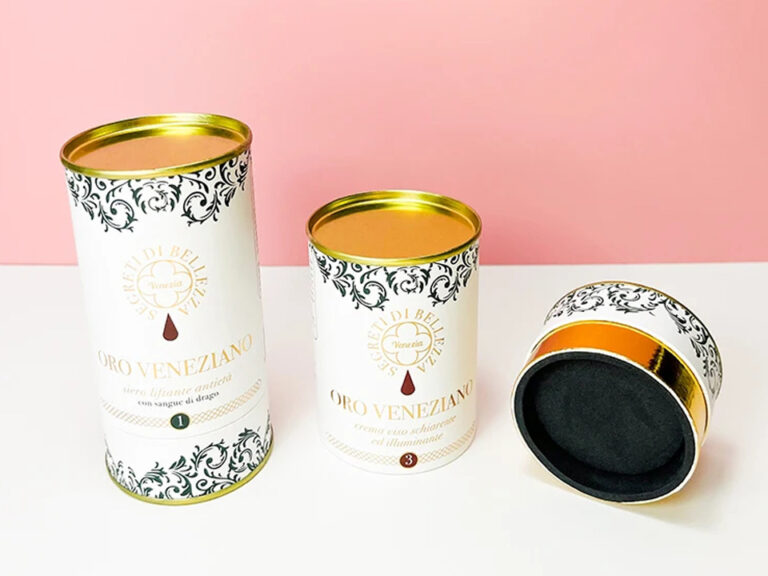
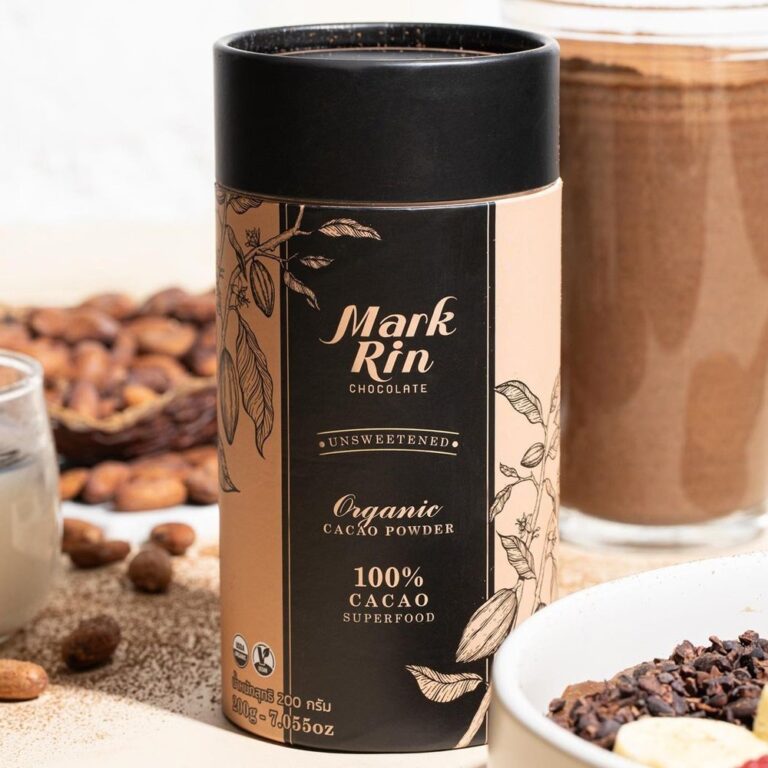
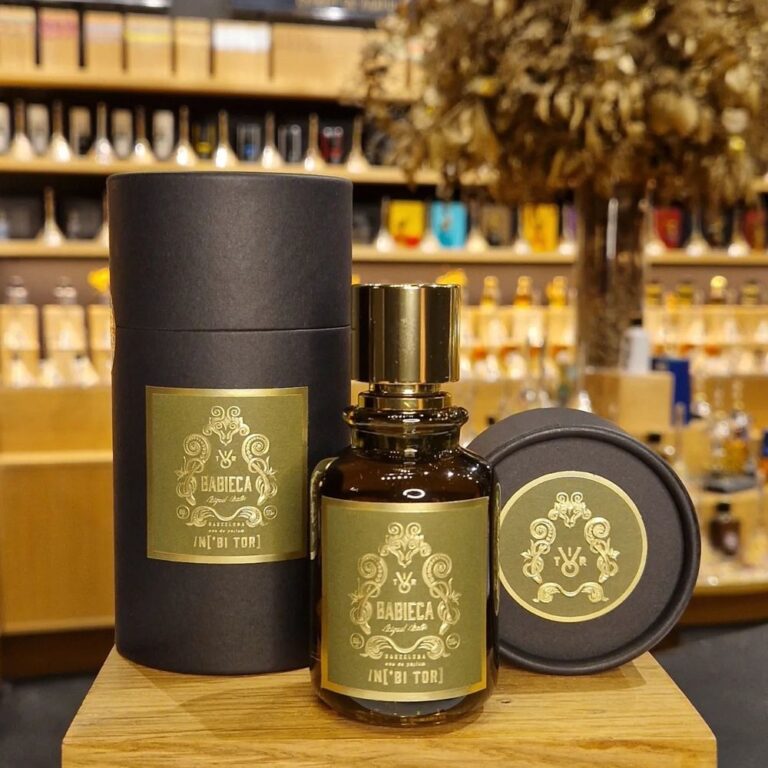
تجعل العلب الورقية المركبة (علب الورق المقوى مع بطانة وأغطية نهائية) تخزين التوابل أسهل لأنها مصممة للتعامل مع النكهات المعتادة القاتلة للنكهة: الضوء والأكسجين وتقلبات الرطوبة والمناولة الخشنة أثناء الشحن. كما أنها تبدو أنيقة على الرفوف، وهو أمر مهم عندما تقاتل من أجل النقرات أو مساحة مخطط الرسم البياني.
يؤدي التعرض للضوء إلى تآكل التوابل. فكر في وضع الفلفل الحلو أو الكركم تحت مصابيح LED الساطعة طوال اليوم. فحتى لو ظل الغطاء مغلقاً، فإن المنتج لا يزال يتعرض للضوء.
تمنحك العلب الورقية المركبة ميزة بسيطة: جسم معتم. يحجب الورق المقوى الضوء بشكل طبيعي، لذلك لا تحتاج إلى الاعتماد على العملاء في تخزين كل شيء بشكل مثالي في المنزل. يساعدك ذلك في الحفاظ على ثبات اللون والرائحة بشكل أكبر طوال الوقت الذي يوضع فيه المنتج على الرف.
سيناريو أرفف البيع بالتجزئة: وقت طويل تحت إضاءة المتجر
يرغب بائعو التجزئة في الحصول على عبوات لا تزال تبدو ممتازة بعد أسابيع من “وقت المواجهة”. تساعدك العلبة الصلبة غير الشفافة:
الحفاظ على سهولة قراءة الملصقات (تقليل الاحتكاك والتجاعيد)
تجنب مظهر “التوابل الباهتة”
تقليل شكوك العملاء عندما يقارنون وحدة حفظ المخزون الخاصة بك بوعاء واضح بجوارها
إذا كنت ترغب في طباعة تغطية قوية للتأثير الجريء على الرف، فإن نمط التخطيط الذي تراه في عبوات أنبوبية ورقية مطبوعة على الوجهين يُترجم بشكل جيد إلى علامة تجارية للتوابل، خاصةً بالنسبة لمجموعات الهدايا والخلطات الفاخرة.
حاجز الأكسجين والرطوبة للتوابل
تفقد التوابل نكهتها عندما يستمر الأكسجين في التسلل إلى الداخل والخارج. يمكن أن تؤدي تقلبات الرطوبة أيضًا إلى التكتل وتلك “القشرة الصلبة” المزعجة في الجزء العلوي من الحاوية. من حيث التعبئة والتغليف، أنت تدير OTR (انتقال الأكسجين) و WVTR (انتقال بخار الماء).
عادةً ما تُقرن العلب الورقية المركبة بين غلاف الورق المقوى و الخطوط الملاحية المنتظمة التي تحسن أداء الحاجز. تقوم هذه البطانة بالرفع الثقيل بينما يوفر الغلاف الشكل وجودة الطباعة والحماية.
الخلطات عالية الورم ومشاكل “انتقال الرائحة”
إذا كنت تبيع خلطات تحتوي على زيوت قوية، فإن انجراف الرائحة يصبح مشكلة حقيقية. لا أحد يريد أن تفوح رائحة الكمون مثل رائحة توابل الثوم الموجودة بجانبه. تساعد بنية الحاجز الأفضل في الحد من ذلك:
فقدان الرائحة (يصبح منتجك أضعف)
انتقال الرائحة (يلتقط منتجك رائحة شخص آخر)
مذاق غير متناسق عبر الدفعات التي يتم شحنها إلى مناخات مختلفة
بالنسبة للمنتجات ذات نمط البودرة، يمكنك أيضًا الاطلاع على التنسيقات المشابهة لـ عبوات أنبوبية ورقية لمسحوق البروتين. تختلف حالة الاستخدام، ولكن منطق الحاجز والهيكل متقارب: حماية المنتج الجاف من الرطوبة والحفاظ على ثبات العبوة في التوزيع.
ختم محكم الإغلاق وغطاء محكم الإغلاق
يقول الناس “محكم الإغلاق” كما لو كانت كلمة "محكم الإغلاق". في العبوات الحقيقية، يعتمد إحكام الإغلاق على نظام الإغلاق ومدى قدرته على التحمل بعد الشحن.
تدعم العلب الورقية المركبة إعدادات إغلاق متعددة، بحيث يمكنك مطابقة العبوة مع قناتك:
فتح/إغلاق سريع للطهي المنزلي
إحكام الغلق بإحكام عندما تحتاج إلى ثبات أطول على الرفوف
خيارات أدلة التلاعب بأدلة التلاعب لأمانة التجزئة
سيناريو المطبخ: الطهي بيد واحدة وإعادة الإغلاق السريع
استخدام التوابل سريع. تهز أو تقرص أو تغرف، ثم تغلق. إذا كان الغطاء رقيقًا أو كان الغطاء رخوًا أو كان الغطاء غير محكم الإغلاق، فإن العملاء سيصابون بالانسكاب والمنتج الفاسد والإحباط. يقلل الإغلاق الأفضل من “لحظات الفوضى”، مما يساعد على التقييمات وتكرار الطلبات.
إذا كنت تستكشف مظهر الغطاء الفاخر (نمط الغطاء المعدني)، تحقق من أفكار البناء في عبوات أنبوبية ورقية من الدرجة الغذائية بغطاء معدني. يشترك الشاي والتوابل في نفس التوقع: الاحتفاظ بالرائحة في الداخل وإبعاد الرطوبة.
بنية متينة متعددة الطبقات وقوة تكديس متينة
تتلقى عبوات التوابل ضربات في العالم الحقيقي. حيث يتم تكديسها في علب كرتونية رئيسية، ويتم رميها في صناديق الانتقاء، ويتم شحنها مع المواد الأثقل وزنًا. يمكن للعبوات المركبة الصلبة أن تحافظ على شكلها بشكل أفضل من العبوات المرنة، مما يساعد في مكانين مهمين للغاية:
عرض الرف:: عدد أقل من الزوايا المحطمة وأنظف من الأمام
توصيل التجارة الإلكترونية:: ردود فعل أقل “وصلت معطوبة”
سيناريو الإنجاز: ضرر أقل وصداع أقل
عندما تبيع عبر الإنترنت، يصبح معدل التلف ضريبة صامتة. كل عبوة منبعجة تؤدي إلى تذاكر الدعم والمرتجعات. يمكن للعلب الصلبة أن تقلل من هذه المخاطر، خاصةً بالنسبة للعلب الصلبة وصناديق الاشتراكات واستيفاء السوق حيث يصبح التعامل معها صعباً.
بالنسبة للتنسيقات ذات الأقطار الصغيرة (لقطات التوابل وحزم العينات)، فإن الهيكل الذي تراه في عبوات أنبوبية ورقية صغيرة يمكن أن تساعدك على تخيل تصميمات وحدات SKU المصغرة وتخطيطات حزم العلب الضيقة.
تغليف خفيف الوزن ومقاوم للتآكل
تظل العلب الورقية المركبة صلبة بدون وزن “معدني بالكامل” وبدون مخاوف من التآكل. وهذا مهم عندما تقوم بالشحن بكميات كبيرة وعندما ينتقل منتجك عبر البيئات الرطبة.
كما أنك تحصل على ملمس يد أفضل من الزجاجة البلاستيكية الرقيقة. يربط العديد من المتسوقين بين العبوات الورقية والورقية مع شعور أكثر فخامة في المخزن، خاصةً عندما يكون ملمسها ناعمًا وصلبًا.
مساحة العلامة التجارية وسهولة قراءة الملصق
تعيش التوابل في فئة مزدحمة. يقوم العملاء بالمسح السريع، لذا فأنت بحاجة إلى تغليف يتواصل في ثانية واحدة:
ما هو
مدى سخونته
ما يقترن به
سواء كانت عضوية أو منخفضة الصوديوم أو صديقة للحساسية
تمنحك الأسطوانة مساحة رأسية نظيفة للعلامة التجارية ونص الامتثال. كما أنها تعمل بشكل جيد مع اللمسات النهائية القوية.
إذا كنت ترغب في الحصول على مظهر أنيق وراقي، فإن الاتجاه النهائي في عبوة أنبوبية ورقية بيضاء غير لامعة يُظهر كيف يمكن لسطح بسيط أن يبدو مميزاً دون أن يكون صاخباً.
سيناريو عمليات وضع الملصقات: انخفاض عدد مشكلات “الباركود لا يتم مسحه ضوئيًا”
يمكن أن يتسبب الغشاء المجعد والزجاجات المنحنية في إفساد إمكانية قراءة الباركود. تحافظ العلبة الصلبة على اتساق منطقة الملصق، مما يقلل من حالات فشل المسح الضوئي عند الخروج وفي استلام المستودعات. هذا أمر صغير، لكنه يوفر الاحتكاك عبر السلسلة.
قابلية إعادة التدوير والتغليف القائم على الألياف
يحب الكثير من مشتري التوابل العبوات التي تبدو ورقية. يمكن أن تدعم العلب المركبة هذه القصة لأن الجسم يستخدم الورق المقوى. ومع ذلك، حافظ على صدقها: تعتمد إمكانية إعادة التدوير على البطانة ومادة الغطاء وقواعد إعادة التدوير المحلية.
إن أفضل خطوة هي مواءمة خيارات المواد مع المكان الذي تبيع فيه، ثم كتابة المطالبات التي يمكنك دعمها. فهذا يحمي علامتك التجارية ويحافظ على نظافة رسائلك.
حالات استخدام عبوات التوابل في تجارة التجزئة والتجارة الإلكترونية
تناسب العلب الورقية المركبة التوابل لأنها تتعامل مع كل من حماية المنتج وسلوك الرفوف. إليك بعض السيناريوهات الحقيقية التي تتألق فيها.
برطمانات التوابل بالتجزئة والخلطات الفاخرة
بالنسبة للبيع بالتجزئة، أنت تريد:
ثبات الرف
مظهر متناسق
التعرف السريع
تساعد العلب الصلبة غير الشفافة على حماية الجودة مع منحك حجباً أفضل على الرفوف وترويجاً أنظف.
حزم DTC وباقات الاشتراك
يهتم مشترو الاشتراكات بلحظة فتح العلبة. تبدو العلب الصلبة مقصودة، كما أنها تقلل من التلف أثناء الشحن. كما أنها تتكدس بشكل جيد في الأطقم، مما يجعل عملية التجميع أسرع وأنظف.
إذا كنت ترغب في نمط حزمة يضيف “طاقة هدية”، يمكن أن يعمل الهيكل ذو النوافذ مع مجموعات العينات. التنسيق في عبوة أنبوبية ورقية ذات نافذة شفافة ومقبض شفاف يوضح كيف يمكن للنافذة أن تخلق رؤية سريعة للمنتج دون التحول إلى حاوية شفافة بالكامل.
خدمات الطعام وإعداد الطعام في القسم الخلفي للمنزل
في المطابخ، تفوز السرعة في المطابخ. يحتاج الموظفون إلى ملصقات قابلة للقراءة، وحاويات ثابتة، وإعادة إغلاق سريعة. تكدس العلب المركبة بشكل جيد وتحافظ على شكلها بعد المناولة المستمرة، مما يساعد على التنظيم ويقلل من الاختلاط.
منطق مواصفات الحاجز (OTR/WVTR)، واختيار البطانة، وتخطيط مخاطر الرطوبة حسب السوق
ختم محكم الإغلاق وغطاء محكم الإغلاق
التعفن، والانسكابات، والمخاوف من العبث
استخدام مطبخ أنظف، ثقة أعلى في الرفوف
اختبار الملاءمة عند الإغلاق، وملاحظات اختبار السقوط، وتتبع شكاوى العملاء
بنية متينة متعددة الطبقات وقوة تكديس متينة
العبوات المسحوقة والملصقات المجروشة
وجود أفضل على الرفوف وتقليل مطالبات الأضرار
واقع المناولة العابرة، وأداء عبوات العلب، وملاحظات استلام المستودعات
تغليف خفيف الوزن ومقاوم للتآكل
ملمس ثقيل، مخاوف من الصدأ
سهولة التعامل مع الشحن، وتجربة مستخدم أفضل
سلوك المواد في الخدمات اللوجستية الرطبة + ملاحظات مناولة العبوات
مساحة العلامة التجارية وسهولة قراءة الملصق
ضعف اتصال الرف الضعيف
قرار أسرع للمتسوقين، ونص امتثال أوضح
سلوك المخطط، واتساق المسح الضوئي، وثبات سطح الطباعة
قابلية إعادة التدوير والتغليف القائم على الألياف
مطالبات الاستدامة المربكة
رسائل أنظف، إحساس أنظف، إحساس الورق إلى الأمام
مراجعة فواتير المواد + إرشادات التخلص من كل سوق على حدة
تصنيع المعدات الأصلية/التصنيع حسب الطلب والبيع بالجملة للعلامات التجارية للتوابل
إذا كنت تبيع التوابل كصاحب علامة تجارية أو بائع علامة تجارية خاصة أو موزع أو مشغل تجارة إلكترونية عبر الحدود، فأنت عادةً ما تهتم بثلاثة أشياء:
يبقى المنتج عطرياً
تنجو العبوة من الشحن ووقت التخزين
يمكن للمورد الخاص بك التوسع دون فوضى
وهنا تكمن أهمية دعم صانعي المعدات الأصلية/صانعي التصميم الأصليين والبيع بالجملة. أنت لا تشتري حاوية فقط. أنت تشتري:
مواصفات قابلة للتكرار
جودة طباعة مستقرة عبر الدفعات
سلوك مهلة زمنية متسقة للتجديد
إذا كان خط الإنتاج الخاص بك يتضمن مجموعات منتجات مختلفة (توابل، توابل، توابل، توابل، أطقم هدايا)، يمكنك أيضًا استعارة أفكار هيكلية من فئات المنتجات المتميزة المجاورة مثل عبوات أنبوبية كرتونية مخصصة. المنتج ليس هو نفسه، ولكن الهدف من التغليف هو: جودة طباعة عالية، وهيكل قوي، ومظهر متناسق ومتميز.
قائمة مراجعة سريعة لمواصفات العلب الورقية المركبة للتوابل
استخدم هذا كموجز عندما تقوم بالاقتباس أو أخذ العينات:
شكل المنتج: كامل، مطحون، مطحون، مخلوط، ملح توابل
الحاجز المستهدف: الحاجز المستهدف: عادي مقابل الرطوبة العالية مقابل الرطوبة العالية
تصلح العلب الورقية المركبة للتوابل لأنها تحمي الجودة مع دعم عرض البيع بالتجزئة ومتانة التجارة الإلكترونية. إذا قمت ببناء البطانة ومواصفات الإغلاق الصحيحة، فسترى عددًا أقل من شكاوى المنتجات الفاسدة، وعددًا أقل من الشحنات التالفة، ومظهرًا أنظف متميزًا يحقق مبيعات.