ما زلت لا ترى حل التغليف المناسب؟ تحدث إلى رئيسنا.
إذا كنت قد راجعت موقعنا الإلكتروني أو تحدثت مع المبيعات وما زلت لا ترى مساراً واضحاً، أرسل طلبك هنا. ستنتقل رسالتك مباشرةً إلى مديرنا العام لإجراء مراجعة تنفيذية للجدوى والتكلفة والوقت اللازم. ستحصل على خطوة تالية واضحة - ما يمكننا القيام به، وما نحتاجه منك، وأسرع طريق للحصول على عرض أسعار.
إذا سبق لك أن فتحت علبة كرتون ووجدت أنبوبًا بحافة منبعجة أو درزات منبعجة أو قاع يبدو “طريًا”، فأنت تعرف بالفعل ما الذي يكلفك حقًا من أنابيب ضعيفة: التأخير في خط التعبئة، والمزيد من شكاوى العملاء، واستبدالها بشكل إضافي.
يمكن للأنابيب الورقية أن تكون قوية، ولكن فقط إذا قمت ببنائها كهيكل للشحن، وليس مجرد أسطوانة جميلة. في هذا الدليل، ستتعرف في هذا الدليل على الروافع الدقيقة التي تزيد من قوتها في العالم الحقيقي: تكديس المنصات والرطوبة والنقل لمسافات طويلة والاستخدام المستمر في الفتح والإغلاق.
إذا كنت تقوم بالتوريد للبيع بالجملة، أو لتصنيع المعدات الأصلية/التصنيع حسب الطلب، أو لإطلاق علامة تجارية، سترى أيضًا أين ترتبط القوة بنتائج الأعمال. فالأنابيب الأقوى تقلل من المرتجعات وتحافظ على نظافة علبك، مما يساعد على البيع بالتجزئة وتكرار الطلبات.
إليك الخريطة السريعة قبل أن نتعمق أكثر.
قائمة التحقق من قوة الأنبوب الورقي
رافعة القوة (ما تغيره)
ما الذي يمنع
أين ستشعر به أكثر
ما الذي يجب تحديده في طلب الشراء/طلب عرض الأسعار
اختيار مادة الأنبوب الورقي
سحق، تمزق الألياف، جسم ناعم
منتجات الحشو الثقيل، الممرات الطويلة
درجة الورق، ومزيج الطبقات، وسلوك الضغط المستهدف
اختيار غراء الأنبوب الورقي
التفكك، وانقسام الدرز، وفشل الرطوبة
التخزين الرطب، المناولة الباردة
نوع المادة اللاصقة، والحاجة إلى مقاومة الماء، وملاءمة العملية
إزالة الثغرات ونقاط الضعف
“فرقعة التماس”، خطوط الانبعاج، انهيار القاع
قطرات وغطاء محكم الإغلاق
تحمل التماس، طريقة التقوية السفلية
زيادة سُمك الجدار وإضافة طبقات
البيضاوية، والانحناء، وانهيار الحمولة العلوية
أنابيب طويلة، وإدخالات هشة
سمك الجدار، وعدد الطبقات، ونمط البناء
تعزيز الغلاف الخارجي
الخدوش وسحق الحواف وتلف الطباعة
أرفف البيع بالتجزئة والطرود العابرة للحدود
غلاف خارجي وتصفيح/طلاء خارجي وحماية الحواف
طلاء راتنجات الإيبوكسي
أضرار الصدمات الشديدة
المناولة الصناعية
متطلبات الطلاء، وحدود السلامة، والتحكم في العلاج
بطانة من الألياف الزجاجية
سحق الإساءة العالية
الأنابيب الصناعية
خيار الخطوط الملاحية المنتظمة، وخطة الترابط، وحدود النطاق
التحكم في عملية اللف والتصفيح
النطاقات الضعيفة، انزلاق الطبقة
الإنتاج الضخم
شد اللف، والتحكم في التداخل، ووضع الغراء
التحكم في التجفيف والتحكم في الالتواء
أنابيب غير مستديرة، مشاكل في ملاءمة الغطاء
مواسم حارة/رطبة، تخزين طويل الأمد
طريقة التجفيف، والتحكم في الرطوبة، وتحمل الاستدارة
اختيار الحجم والسماكة
حزمة ناقصة البناء، حزمة مفرطة البناء
كل فئة
OD/ID، والطول، وسُمك الجدار المطابق للحمولة
الاختبارات الموحدة ومراقبة الجودة
“تبدو جيدة” ولكنها تفشل فيما بعد
عمليات الإطلاق الجديدة ووحدات حفظ المخزون ذات العائد المرتفع
أهداف السحق المسطح/الحمل الأعلى، وأخذ العينات، وقواعد القبول
عندما تريد استعراض أنماط الأنابيب ومطابقتها مع فئتك، ابدأ بـ صفحتنا الرئيسية لرؤية المجموعة الكاملة.
اختيار مادة الأنبوب الورقي
ابدأ بالورقة نفسها. لا تحدث الأنابيب القوية لأن أحدهم “يضغط بقوة أكبر”. إنها تحدث لأن قاعدة الألياف تحمل الحمل بالطريقة الصحيحة.
إذا كنت تشحن بضائع ثقيلة الوزن، فاختر الورق الذي يحافظ على شكله تحت الضغط والتكديس. إذا كنت تبيع سلعًا ممتازة، ركز على مقاومة الانبعاج والحواف النظيفة، لأن التلف الذي يصيب الرفوف يبدو وكأنه “تغليف رخيص” حتى عندما يكون منتجك رائعًا.
أمثلة لحالات الاستخدام التي تدفع اختيار المواد
يحتاج الشاي والأطعمة الجافة إلى ورق ثابت لا يلين في التخزين الرطب. النمط المرجعي الجيد هو أنابيب ورق تغليف الشاي.
تشهد أنابيب مسحوق البروتين إجهادًا حقيقيًا في علب الكرتون. انظر إلى تغليف أنبوب ورقي لمسحوق البروتين وتخيلها تحت الشحنات المكدسة.
نصيحة عملية: اطلب من المورد الخاص بك أن يتعامل مع اختيار الورق على أنه CTQ عنصر (حاسم إلى الجودة). عندما يقفلون درجة الورق، فإنهم يقفلون أدائك.
اختيار غراء الأنبوب الورقي
يحدد الصمغ ما إذا كان الأنبوب الخاص بك يتصرف كجدار واحد صلب أو كومة من الطبقات التي تنتظر التقشير.
إذا كان فريقك قد رأى في أي وقت مضى رفع التماس بعد بضع فتحات، فقد رأيت فشل الغراء في العمل. لا يبدو الأمر دائمًا دراماتيكيًا في البداية. في بعض الأحيان يبدأ الأمر برفع حافة صغيرة، ثم يقوم الاهتزاز العابر بالباقي.
اختر المادة اللاصقة بناءً على مسارك وفئتك:
يعاقب التخزين الرطب والشحن البحري على ضعف الترابط.
يمكن أن يؤدي التعامل البارد إلى جعل بعض الروابط هشة.
يحتاج التغليف عالي السرعة إلى تثبيت ثابت حتى لا تنزلق الطبقات أثناء اللف.
بالنسبة للفئات الخاضعة للتنظيم، فإن موثوقية الإغلاق مهمة أيضًا. إذا كنت تبيع عبوات متوافقة، يجب أن تعمل القوة وأداء الإغلاق معًا. انظر الهيكل النموذجي في عبوة أنبوبية ورقية مقاومة للطفل.
معلمات المادة اللاصقة للملف الحلزوني: اللزوجة، والتثبيت، والمواد الصلبة
إذا كنت تريد طريقة واحدة بسيطة للتحدث عن الصمغ مثل المصنع، استخدم هذه الكلمات الثلاث:
اللزوجة:: كيفية تدفق الصمغ وانتشاره.
تاك:: مدى سرعة الإمساك أثناء اللف.
المواد الصلبة:: مقدار مادة الربط المتبقية بعد التجفيف.
عندما تنحرف اللزوجة، يوضع الغراء بشكل غير متساوٍ. عندما تنحرف اللزوجة، تنزلق الطبقات. عندما تخطئ المواد الصلبة العلامة، ينتهي الأمر بضعف الرابطة حتى لو “بدت رطبة بما فيه الكفاية”.”
إذا كنت تقوم بتشغيل برامج بالجملة، اطلب إجراءات التشغيل الموحدة للغراء وتتبع الدفعات. فهو يساعد كثيرًا عند تكرار الطلبات.
إزالة الثغرات ونقاط الضعف
تبدأ معظم أعطال الأنابيب في نقاط الضعف، وليس في منتصف الجدار.
سترى عادةً واحدة من هذه:
خط التماس الذي ينبعج أولاً.
قاع يطلي إلى الداخل.
حافة تسحق الغطاء وتجعل الغطاء يبدو رخواً.
لا يتعلق إصلاح نقاط الضعف بـ “الأنبوب السميك” بقدر ما يتعلق بالبنية النظيفة:
حافظ على التداخلات متناسقة.
تجنبي الجيوب الهوائية المحتبسة.
قم بتدعيم الجزء السفلي عندما يتطلب وزن المنتج ذلك.
هذا الأمر مهم أكثر بالنسبة للأنابيب ذات القواطع أو المقابض، لأن هذه الميزات تخلق نقاط ضغط. على سبيل المثال، أنبوب نافذة مثل عبوة رباط شعر مع نافذة شفافة يحتاج إلى مزيد من الاهتمام حول الفتحة.
زيادة سُمك الجدار وإضافة طبقات
إذا كنت تريد قوة حمل علوي أعلى، فإن إضافة الطبقات تعمل على محاربة البيضاوية وتوزع القوة على المزيد من الألياف.
هذه هي الرافعة التي تستخدمها:
أنابيب طويلة قد تنحني أثناء النقل.
أنابيب ذات حشوات أو أغراض حساسة بداخلها.
أنابيب الهدايا الفاخرة التي يجب أن تبقى مستديرة تماماً.
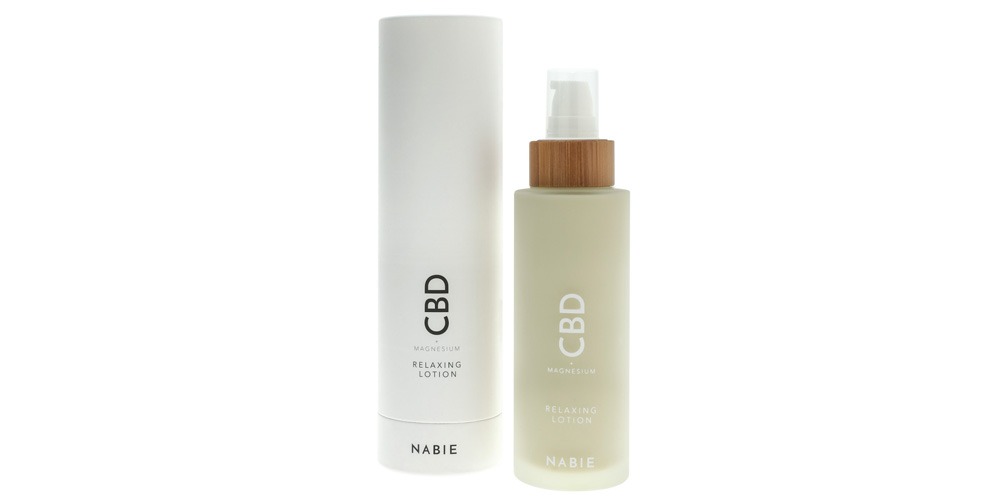
غالبًا ما تقع مستحضرات التجميل في هذه المنطقة. يمكن أن يبدو الأنبوب جيدًا على المنضدة، ثم يتحول إلى شكل بيضاوي بعد الشحن ويجعل الدرج الداخلي الخاص بك مربوطًا. تحقق من نمط البناء على أنابيب كرتونية مخصصة لمستحضرات التجميل.
لن يقوم المورد الصلب بإضافة السماكة فقط. بل سيقومون بضبط عدد الطبقات ومزيج الورق والتحكم في اللف لبلوغ هدفك.
تعزيز الغلاف الخارجي
يقوم الغلاف الخارجي بشيئين في آن واحد: فهو يحمي الأنبوب ويحمي المظهر.
إذا كانت عبواتك تباع على الكاميرا، فإن تلف الغلاف يضر بالتحويل. فالخدوش وانبعاجات الحواف تجعل السلعة الجديدة تبدو وكأنها “مستخدمة”. هذه مشكلة قاسية في البيع بالتجزئة والاشتراك.
يمكنك تقوية السطح الخارجي باستخدام:
ورق تغليف خارجي أكثر صلابة,
التصفيح أو طلاء السطح الذي يقاوم الاحتكاك,
تشطيب أفضل للحواف حتى لا تهترئ الحواف.
يساعد هذا أيضًا وحدات حفظ المخزون عالية اللمس، مثل منتجات العناية الشخصية التي يلتقطها العملاء ويضعونها طوال اليوم. مثال على الأسلوب تغليف أنبوب ورقي بشرة الشعر والجلد والأظافر.
طلاء راتنجات الإيبوكسي
يمكن أن يضيف الطلاء على غرار الإيبوكسي غلافًا واقيًا صلبًا، ولكنه ليس افتراضيًا لكل مهمة تغليف.
استخدمه عندما يواجه الأنبوب تعاملًا قاسيًا ولا تحتاج إلى سطح تجزئة نموذجي. يمكن أن يساعدك في البيئات الصناعية حيث يحدث التآكل والصدمات في كثير من الأحيان.
إذا كان منتجك غذاء أو مستحضرات تجميل، تعامل مع قرارات الطلاء بعناية. ستحتاج إلى فحوصات الامتثال والسلامة الصحيحة قبل الالتزام.
بطانة من الألياف الزجاجية
تعتبر البطانة المصنوعة من الألياف الزجاجية خياراً متيناً للحالات التي لا تتحمل فيها البنى الورقية فقط إساءة الاستخدام.
يناسب الأنابيب الصناعية أفضل من عبوات البيع بالتجزئة. في السلع الاستهلاكية، غالبًا ما تحصل على نتيجة أنظف وأكثر قابلية للتطوير من خلال تحسين بناء الطبقات والغراء والتحكم في العملية أولاً.
فكّر في تبطين الألياف الزجاجية كأداة متخصصة، وليس كخطوة أولى.
التحكم في عملية اللف والتصفيح
يمكنك تحديد مواد رائعة ومع ذلك يمكنك الحصول على أنابيب ضعيفة إذا انحرفت عملية اللف.
التحكم في العملية هو المكان الذي يربح فيه المشترون بالجملة أو يخسرون. عندما تقوم بإعادة الطلب، فأنت لا تريد “قريبة بما فيه الكفاية”. فأنت تريد نفس كثافة الجدار ونفس جودة الدرزات ونفس ملاءمة الغطاء.
اسأل المورد الخاص بك عن:
التحكم في شد اللف,
اتساق التداخل,
ثبات وضع الغراء,
جودة تشذيب الحواف.
هذه ليست أعمال ورقية للمتعة. إنها الطريقة التي تحافظ بها على تقليل صداع AQL وتحمي علامتك التجارية أثناء التوسع.
التحكم في التجفيف والتحكم في الالتواء
تخلق الأنابيب المشوهة فوضى هادئة.
إنها تتسبب في:
أغطية صخرية,
الأغطية التي تربط,
الملصقات التي تتجعد لأن الأنبوب ليس دائرياً.
التجفيف يقود الهندسة. إذا خرجت الرطوبة بشكل غير متساوٍ، فإن الأنبوب يخرج عن الاستدارة. ويؤدي ذلك إلى “مشاكل في الملاءمة”، والتي تتحول إلى بطء في التعبئة وإحباط العملاء.
إذا كنت تقوم بالشحن إلى المناطق الحارة أو الرطبة، اجعل التحكم في التجفيف والرطوبة جزءًا من المواصفات، وليس فكرة لاحقة.
اختيار الحجم والسماكة
لا تختار الحجم وسُمك الجدار بالتخمين من الصور. طابقها مع الحمولة ووزن التعبئة وطريقة الشحن.
إليك طريقة بسيطة للتفكير:
إذا كنت تكدس الكراتين عالياً، فأنت بحاجة إلى أداء تحميل علوي أقوى.
إذا كان العملاء يفتحون الأنبوب كثيراً، فأنت بحاجة إلى قوة التماس ومتانة الحافة.
إذا كنت تستخدم إدخالات ضيقة، فأنت بحاجة إلى التحكم في الاستدارة.
بالنسبة للبيع بالتجزئة المتميز، تعتبر المجوهرات مثالاً رائعاً. فالأنبوب لا يحمي المنتج فقط. بل يصبح صندوق الهدايا. سوف تهتم بمقاومة الانبعاج واللمسات النهائية النظيفة. انظر علب المجوهرات والأساور الورقية الأنبوبية.
الاختبارات الموحدة ومراقبة الجودة
إذا كنت تريد مفاجآت أقل، قم بقياس القوة كما تقيس لون الطباعة.
كحد أدنى، أنشئ حلقة أساسية لمراقبة الجودة:
شيكات بنمط الضغط (سحق مسطح أو تحميل علوي),
فحص التماس,
فحوصات الاستدارة وملاءمة الغطاء,
إسقاط الشيكات التي تطابق مسار الشحن الحقيقي الخاص بك.
يساعدك الاختبار على إيقاف “الإفراط في البناء” أيضًا. فبدلاً من طلب أنبوب أكثر سمكًا، يمكنك طلب مستوى أداء مستهدف والسماح للهندسة بالوصول إليه بالمزيج الصحيح من المواد والمعالجة.
عندما تقوم بتحسين اختيار المواد وأداء الغراء وتصميم نقطة الضعف والتحكم في العملية، فإنك لا تحصل على أنبوب أكثر صلابة فحسب. بل تحصل على تنفيذ أكثر سلاسة ومرتجعات أقل. كما أنك تحمي مظهر الرف الخاص بك، مما يساعد العلامات التجارية وتجار التجزئة والبائعين عبر الحدود في الحفاظ على نظافة المراجعات.
إذا كنت تشتري بكميات كبيرة أو تقوم بتشغيل OEM/ODM، تعامل مع القوة كمواصفات يمكنك تكرارها، وليس كإصلاح لمرة واحدة. ابدأ بمواءمة نمط الأنبوب مع فئتك في صفحتنا الرئيسية, ، ثم اضغط على المورد الخاص بك للحصول على معايير الجودة المقطعية الواضحة وفحوصات مراقبة الجودة وضوابط الإنتاج المستقرة.