ما زلت لا ترى حل التغليف المناسب؟ تحدث إلى رئيسنا.
إذا كنت قد راجعت موقعنا الإلكتروني أو تحدثت مع المبيعات وما زلت لا ترى مساراً واضحاً، أرسل طلبك هنا. ستنتقل رسالتك مباشرةً إلى مديرنا العام لإجراء مراجعة تنفيذية للجدوى والتكلفة والوقت اللازم. ستحصل على خطوة تالية واضحة - ما يمكننا القيام به، وما نحتاجه منك، وأسرع طريق للحصول على عرض أسعار.
مراجعة جنرال موتورز المباشرة لمواصفاتك وحالة الاستخدام والقيود
فحص الحجم + الهيكل: القطر، والارتفاع، وقوة الجدار، والإدخالات
توصيات الطباعة/الطلاء لمطابقة العلامة التجارية + الميزانية
بدائل خفض التكلفة وخيارات تحسين المهلة الزمنية
وضوح مسار التسعير: موك وخطة أخذ العينات وماذا بعد ذلك
تحدث إلى رئيسنا
احصل على عرض أسعار سريع للتغليف الأنبوبي الورقي المخصص
مصمم لمديري التغليف والمشتريات ومهندسي التغليف. حدِّد الحجم والكمية والتشطيب لتلقي إرشادات بشأن المواصفات والمهلة الزمنية والمواصفات لبرامجنا/برامج الاتحاد الأوروبي.
إذا كنت تبيع المساحيق أو الشاي أو القهوة أو الكانابيديول أو مستحضرات التجميل أو أي شيء حساس للرائحة، فإن ختمًا واحدًا سيئًا يمكن أن يتسرب بسرعة. تتسلل الرطوبة إلى الداخل. تتسرب الرائحة. يتكتل المنتج. يتم إلقاء اللوم على الملصقات. ترتفع المرتجعات.
الخبر السار: يمكنك بناء أنبوب ورقي محكم الإغلاق ويتحمل الشحن. عليك فقط أن تصممه كما يفعل مهندسو التغليف - ابدأ بنظام الختم، وليس بسماكة الورق.
ستشاهد أيضًا أمثلة حقيقية على غرار المنتج من أفضل مصنع لصناديق الأنابيب الورقية المخصصة الموقع، بالإضافة إلى خيارات عملية لفرق البيع بالجملة، وتصنيع المعدات الأصلية/التصنيع حسب الطلب، وفرق العلامات الخاصة.
أساسيات الأنبوب الورقي المحكم الإغلاق: دخول الأكسجين والرطوبة
لن يحجب الورق وحده كلاهما. يأتي أداء الختم الخاص بك من كومة الحواجز:
الحاجز الداخلي (بطانة/فيلم/رقائق معدنية)
ختم الحافة (ختم حراري أو ختم رقائق معدنية أو ختم مضغوط)
تركيب الإغلاق (سدادة، غطاء معدني، غطاء CR)
ضوابط العملية (التعبئة، الختم، الفحص)
فكر في الأمر مثل معطف المطر. القماش مهم، لكن السحاب هو مكان حدوث التسريبات.
نظام الختم النهائي: حيث يحدث التسرب فعلياً
تأتي معظم التسريبات من فم الأنبوب والقاعدة, وليس الجدار الجانبي. يمكنك لف الورق طوال اليوم ومع ذلك تفشل إذا كانت الحافة بها فجوات صغيرة.
ختم الحافة ومسارات التسرب
تبدو مسارات التسرب الشائعة مملة، ولكنها مؤلمة:
انبعاجات صغيرة في الحافة من العبور
خط الغراء غير المستوي أو حافة الورق المشوهة
ملاءمة فضفاضة بين السدادة الداخلية والمعرف (القطر الداخلي)
غطاء “يشعرك بأنه مغلق” ولكنه لا يضغط على الحشية أبداً
إذا قمت بإصلاح الحافة، يصبح الباقي أسهل.
ختم القاع وسلامة التماس القاع
يمكن أن يتسرب الجزء السفلي أيضًا، خاصةً عندما يهتز المنتج أثناء النقل و“يضخ” الهواء من خلال الوصلات الضعيفة. يقلل بناء القاع المحكم بالإضافة إلى حاجز داخلي من تأثير الضخ هذا ويساعد في الصمود في اختبار السقوط.
ختم حراري كامل الطرف للأنابيب الورقية المحكمة الإغلاق
إذا كنت ترغب في الحصول على أقوى سلامة مانع تسرب قوي، فاستخدم ختم حراري كامل النهاية. هذا هو أقرب ما يكون للأنابيب الورقية إلى غشاء على شكل “علبة”.
كيف تعمل بعبارات بسيطة
يمكنك إضافة طبقة داخلية قابلة للغلق بالحرارة (فيلم أو بطانة مغلفة)
المنتجات ذات الروائح العطرية الكثيفة التي تحتاج إلى دخول منخفض للأكسجين
ملاحظة تشغيلية (في العالم الحقيقي): عادةً ما يكون الختم الحراري الكامل مفتوح لمرة واحدة. إذا كان منتجك يحتاج إلى إعادة الإغلاق اليومي، فقم بإقرانه بغطاء ثانوي.
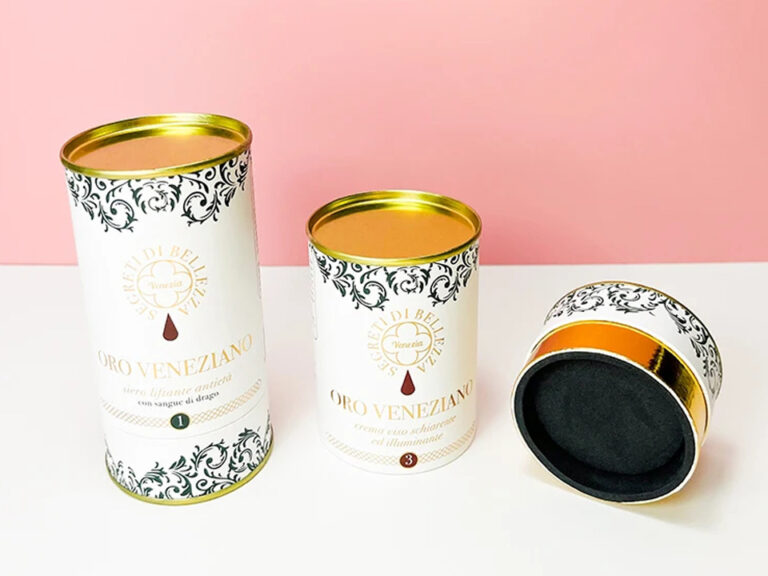
مجموعة بطانة + غطاء لأنابيب ورقية محكمة الإغلاق قابلة لإعادة الإغلاق
معظم العلامات التجارية تريد “راحة ”فتح-إغلاق-فتح-إغلاق-فتح-إغلاق". هذا هو المكان مزيج البطانة + الغطاء يفوز.
تبدو الكومة العملية بهذا الشكل:
بطانة داخلية يقوم بوظيفة الحاجز (رقائق معدنية أو رقائق معدنية أو ورق مطلي)
الإغلاق هل تجربة المستخدم (غطاء معدني، سدادة بلاستيكية، غطاء CR)
اختياري ختم داخلي يضيف دليل تلاعب (المزيد عن ذلك أدناه)
يناسب هذا التصميم منتجات التجزئة التي يتم استخدامها على مدار أسابيع:
ما يجب مشاهدته: يجب أن يكون الإغلاق فعلياً ضغط شيء ما (شفة بطانة أو حلقة حشية أو حلقة تداخل). “غطاء جميل” بدون ضغط هو مجرد ديكور.
رقائق معدنية حساسة للضغط والختم الحراري الجزئي للدفعات الصغيرة
لا تستحق كل وحدة SKU خطًا آليًا. بالنسبة لعمليات الإطلاق التجريبية والقطرات الموسمية، لا يزال بإمكانك الحصول على ختم محكم بطرق أبسط:
أختام رقائق معدنية حساسة للضغط (يدويًا أو شبه آلي)
ختم حراري جزئي حول سدادة/شفة داخلية
تعمل هذه الطرق بشكل جيد عندما:
تحتاج إلى تحول سريع لاختبار السوق
سرعة خطك منخفضة
تريد ترقية واقعية لمانع تسرب واقعي دون إعادة تجهيز كل شيء
إنها تتطلب الانضباط. سيؤدي الغبار على الحافة أو الزيت على البطانة أو الضغط غير المتناسق إلى فشل مانع التسرب. لهذا السبب فإن بوابة مراقبة الجودة الأمور حتى بالنسبة للأشواط الصغيرة.
عبوات أنبوبية + كيس للتغليف لتحقيق أقصى أداء للحاجز
إذا كنت تحتاج إلى حاجز من الدرجة الأولى ولكنك تريد الأنبوب الورقي للعلامة التجارية والرفوف البارزة، استخدم أنبوب + حقيبة.
المفهوم:
قم بإغلاق المنتج في الحقيبة ذات الحاجز العالي
ضع الكيس في الأنبوب الورقي
يصبح الأنبوب عبوة خارجية ممتازة ذات قوة تكديس قوية
هذا النهج مناسب:
شحنات التجارة الإلكترونية عبر الحدود (عبور طويل، مناخات مختلطة)
البائعون ذوو العلامات التجارية الخاصة مع تغييرات متكررة في وحدات حفظ المخزون
المواد الغذائية والمكملات الغذائية وأي منتج له أهداف صارمة لفترة صلاحية محددة
المكافأة: يمكنك ترقية الحاجز دون تغيير العمل الفني للأنبوب الخارجي. وهذا يحافظ على مرونة نظام التغليف الخاص بك.
خيارات الختم التعريفي والختم الواضح التلاعب به
يثق العملاء في العبوات التي تُظهر لحظة “الفتح الأول” الواضحة. كما أن الختم الواضح التلاعب به يقلل أيضاً من عمليات رد المبالغ المدفوعة ومطالبات “وصلت مفتوحة”.
طريقان شائعان:
ختم رقائق معدنية تحت الغطاء (ختم الغشاء)
ختم الحث (رقائق معدنية ملتصقة عن طريق التسخين بالحث، وتستخدم عادةً مع مواد الحافة المتوافقة)
بالنسبة للأنابيب الورقية، غالبًا ما تقوم ببناء هذا على شكل هجين:: أنبوب ورقي + بطانة داخلية/بطانة/بطانة داعمة لختم الرقاقة المعدنية. وهذا شائع في الفئات الخاضعة للتنظيم مثل القنب واتفاقية التنوع البيولوجي.
هكذا تحمي علامتك التجارية. تتوقف عن التخمين وتبدأ في التحكم في المتغيرات.
الأغطية الطرفية والسدادات والأقفال المقاومة للأطفال
الإغلاق يقود كلاً من الأداء والمراجعات. لا يترك العملاء تعليقات 5 نجوم لأن جدار الأنبوب سميك. فهم يحبون الأنبوب الذي يغلق بشكل نظيف وممتاز ولا ينسكب في حقيبة الظهر.
عندما تتعامل مع هذا كنظام، فإنك تقلل من إعادة العمل. كما أنك تحمي جدولك الزمني للإطلاق.
دعم الشركة المصنعة للصناديق الأنبوبية الورقية المخصصة للبيع بالجملة بالجملة وتصنيع المعدات الأصلية/التصنيع حسب الطلب
إذا كنت تقوم بتصنيع أنابيب ورقية محكمة الإغلاق للبيع بالتجزئة أو عبر الحدود، فأنت تريد موردًا يمكنه تشغيل إنتاج مستقر والحفاظ على تفاوتات التفاوتات. ويستهدف وضع الموقع ذلك بالفعل: أفضل مصنع لصناديق الأنابيب الورقية المخصصة, مع ورشة حديثة لتنقية تغليف المواد الغذائية، ومستودع بمساحة 12,300 متر مربع، وطاقة إنتاجية يومية عالية.
عندما تكون جاهزًا، أحضر شيئًا واحدًا للمناقشة: “قائمة أعداء” منتجك (الرطوبة والأكسجين والغبار ومخاطر العبث). من هنا، من السهل تحديد نظام الختم الصحيح - وبناء أنبوب يبقى محكم الإغلاق من أرضية المصنع إلى أن يقوم العميل بفتح العلبة.