ما زلت لا ترى حل التغليف المناسب؟ تحدث إلى رئيسنا.
إذا كنت قد راجعت موقعنا الإلكتروني أو تحدثت مع المبيعات وما زلت لا ترى مساراً واضحاً، أرسل طلبك هنا. ستنتقل رسالتك مباشرةً إلى مديرنا العام لإجراء مراجعة تنفيذية للجدوى والتكلفة والوقت اللازم. ستحصل على خطوة تالية واضحة - ما يمكننا القيام به، وما نحتاجه منك، وأسرع طريق للحصول على عرض أسعار.
مراجعة جنرال موتورز المباشرة لمواصفاتك وحالة الاستخدام والقيود
فحص الحجم + الهيكل: القطر، والارتفاع، وقوة الجدار، والإدخالات
توصيات الطباعة/الطلاء لمطابقة العلامة التجارية + الميزانية
بدائل خفض التكلفة وخيارات تحسين المهلة الزمنية
وضوح مسار التسعير: موك وخطة أخذ العينات وماذا بعد ذلك
تحدث إلى رئيسنا
احصل على عرض أسعار سريع للتغليف الأنبوبي الورقي المخصص
مصمم لمديري التغليف والمشتريات ومهندسي التغليف. حدِّد الحجم والكمية والتشطيب لتلقي إرشادات بشأن المواصفات والمهلة الزمنية والمواصفات لبرامجنا/برامج الاتحاد الأوروبي.
الكريم شخصي. يفركه الناس على وجوههم وأيديهم وبشرة أطفالهم. لذلك لا يمكن أن تبدو العلبة وكأنها فكرة ثانوية. يجب أن تحمي المنتج، وتبدو شرعية، وتجعل المشترين يشعرون بالرضا عن دفع ثمنه.
وهنا تكمن أهمية شريك التعبئة والتغليف. بصفتك أفضل مصنع لصناديق الأنابيب الورقية المخصصة, نحن ندعم عمليات التشغيل المخصصة، والبيع بالجملة بالجملة، وتصنيع المعدات الأصلية/التصنيع حسب الطلب لتجار التجزئة، وأصحاب العلامات التجارية، والبائعين عبر الحدود، والموزعين، والوكالات، والشركات الناشئة المتنامية. كما أننا ندير أيضاً ورشة عمل حديثة للتنقية بالإضافة إلى 12,300m² مستودع، مع مخرجات يومية يمكنها التعامل مع الحجم الحقيقي (وليس مجرد عينات قليلة).
على أحد الرفوف (أو صفحة البحث على موقع أمازون)، يتنافس كريمك مع الكثير من “الجميلات”. تساعدك البنية على الفوز في هذه المعركة.
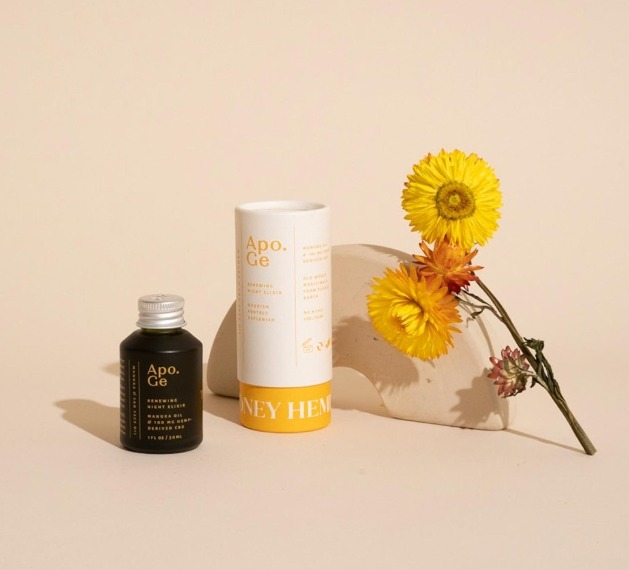
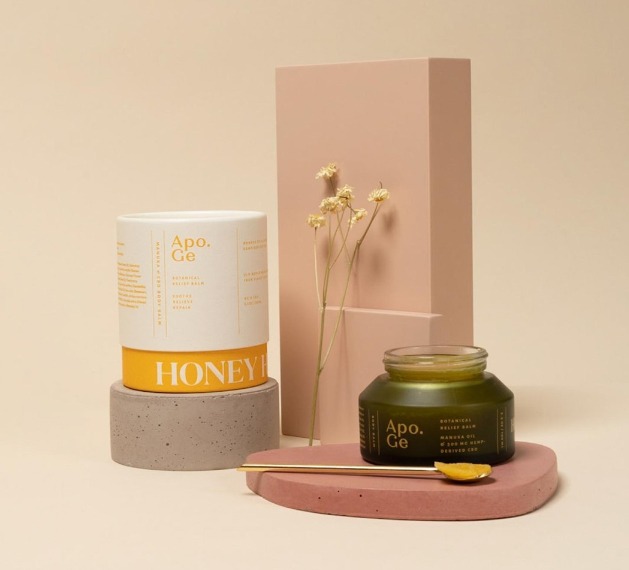
إذا كنت تبيع مستحضرات عناية بالبشرة فاخرة أنبوب ورقي يمكن أن تبدو أكثر شبهاً بالهدايا من الكرتون العادي القابل للطي. فهي تقف أطول وتبدو أكثر سمكاً في اليد وتبدو “تذكاراً” وليس “شاحن رخيص”. على سبيل المثال، هذا عبوات أنابيب مستحضرات التجميل يعمل الأسلوب بشكل جيد مع كريمات الليل وزبدة الجسم وعلب البلسم لأن الشكل نفسه يشير إلى الجودة.
إذا كنت بحاجة إلى مساحة سطح أكبر لقصة العلامة التجارية أو وسائل شرح المكونات أو الملصقات متعددة اللغات، فإن الطباعة على الوجهين تساعدك على تجميع المعلومات دون تشويش في المقدمة. تنسيق مثل عبوات أنبوبية ورقية مطبوعة مزدوجة الجوانب يمنحك مساحة لنسخة البيع بالتجزئة، وتعليمات الاستجابة السريعة، ونص الامتثال مع الحفاظ على نظافة لوحة البطل.
سيناريو العالم الواقعي:
البائع عبر الحدود يشحن كريم الوجه إلى مناطق متعددة. تبقى اللوحة الأمامية بسيطة (العلامة التجارية + الفائدة)، وتتولى الطباعة الداخلية/الخارجية باقي الأمور (كيفية الاستخدام، التحذيرات، الرمز الشريطي، الدفعة/الكثير). تبدو لوحة PDP الخاصة بك متميزة. تبقى لوجستياتك مرتبة.
تغليف النوافذ يجعل المعلومات “مرئية”
في بعض الأحيان تكون أسرع طريقة لبناء الثقة هي إظهار المنتج. النافذة تحول “الادعاءات” إلى “إثبات”. يمكن للمشترين رؤية لون البرطمان أو تشطيب الغطاء أو درجة لون البلسم بالضبط.
تساعد أنماط النوافذ أيضًا في أطقم هدايا. فكر: كريم + بكرة + بكرة + ملعقة. يريد الناس أن يروا ما يشترونه، خاصةً عندما تكون المجموعة موجودة بالقرب من مكان الدفع.
من النقاط المرجعية الجيدة هي العبوات المزودة بلوحة عرض واضحة وتفاصيل حمل، مثل عبوة أنبوبية ورقية ذات نافذة شفافة ومقبض شفاف. ترجمي هذه الفكرة إلى مستحضرات العناية بالبشرة: نافذة للرؤية، وشريط سحب أو شريط لسهولة الفتح، ولوحة أمامية نظيفة لوضع العلامة التجارية.
نصيحة توفر الصداع حافظ على تواضع النوافذ. تبدو النوافذ الكبيرة رائعة، لكنها قد تضعف من قوة السحق إذا لم تقم بتقوية الهيكل.
استخدم الإضافات لتحويل “خطر الكسر” إلى “تجربة فتح العلبة”
غالبًا ما تُشحن الكريمة في برطمانات زجاجية, وهنا تبدأ المرتجعات. إذا وصل منتجك متكسرًا أو مسربًا أو فوضويًا، فلن “ينتظر العميل استبدال المنتج”. سيترك تقييم بنجمة واحدة ويمضي قدماً.
إدراج مخصص يحل مشكلتين في آن واحد:
الاستقرار: يثبت البرطمان في مكانه، مما يقلل من الحركة أثناء السقوط والاهتزاز.
الخبرة: يجعل الفتح يبدو مقصوداً كما لو أن المنتج كان من المفترض أن يكون موجوداً هناك.
إذا كنت تقوم بإعداد أطقم أو أغراض أثقل، ففكر في الهياكل ذات الأغطية الأقوى. يمكن أن يلهم أسلوب الغطاء على شكل صفيحة (شائع في إهداء الطعام) إحساس “الإغلاق المحكم” لمجموعات العناية بالبشرة الفاخرة. انظر كيف يستخدم هذا النمط مفهوم الجزء العلوي الأكثر ثباتاً: صناديق أنابيب ورق الكرافت ذات الغطاء المعدني.
الزاوية التشغيلية (الأشياء التي يهتم بها المشترون):
عدد أقل من شكاوى “DOA”
إعداد FBA أنظف FBA أنظف
ملء فراغ أقل وعدد أقل من الوحدات التالفة أثناء النقل
انخفاض عبء العمل في خدمة العملاء من مطالبات الشحن
استخدم الطبع بالرقائق المعدنية أو الأشعة فوق البنفسجية الموضعية لإبراز شعارك
لا تحتاج إلى الطباعة بصوت أعلى. أنت بحاجة إلى طباعة أكثر ذكاءً.
تعمل الرقاقة المعدنية والأشعة فوق البنفسجية الموضعية لأنها تخلق التباين. تقع عين العميل على الشعار أولاً. هذا هو تأثير الرف دون تحويل الصندوق إلى لوحة إعلانية.
غالباً ما يأتي المظهر النظيف والراقي من:
قاعدة غير لامعة + تظليل لامع (بقعة فوق البنفسجية)
ملمس ناعم الملمس + شعار رقائق معدنية
الحد الأدنى من اللون + الملمس
إذا كنت ترغب في الحصول على مظهر جيد “متميز ولكن تحت السيطرة”، فابحث عن أسلوب مثل تغليف أنبوب ورقي أبيض غير لامع وتخيّلي نفس لغة اللمسة النهائية للعناية بالبشرة: هادئة ونظيفة وباهظة الثمن.
سيناريو العالم الواقعي:
مالك العلامة التجارية تطلق كريم ريتينول. يحافظون على الأنبوب غير لامع، ويضيفون علامة رقائق معدنية صغيرة، ويستخدمون الأشعة فوق البنفسجية الموضعية على أيقونة واحدة فقط. النتيجة: شعور راقٍ وسهولة تذكر العلامة التجارية وصور تبدو حادة في محتوى المؤثرين.
عندما تختار التشطيب، ركّز على “التحكم في العملية”
لا تساعد التشطيبات الفاخرة إذا كانت غير متناسقة.
إذا كنت قد حصلت من قبل على عبوات يتغير فيها الشعار، أو يبدو اللمعان غير مكتمل، أو تتشقق الرقائق، فأنت تعرف ما أعنيه. تحدث مع الشركة المصنعة عن ذلك:
دقة التسجيل (محاذاة الرقائق المعدنية/الأشعة فوق البنفسجية)
مقاومة الجرجرة للشحن
اتساق الألوان عبر الدفعات (التحكم في CMYK أو مطابقة بانتون)
كيف تتصرف اللمسة النهائية على الأسطح المنحنية (تحتاج الأنابيب الورقية إلى التفاف ثابت + تفاوت محكم)
هذا هو المكان الذي يصبح فيه المشترون بالجملة وتجار الجملة انتقائيين، ويجب عليهم ذلك. يمكن لدفعة واحدة سيئة أن تفسد طرح القناة بأكملها.
“العبوات ذات القيمة المضافة” يجب أن تبدو جيدة وتعمل بشكل أفضل
تغليف جميل يبيع الوحدة الأولى. العبوات المفيدة تبيع الثانية.
بالنسبة للكريم، تعني كلمة “مفيد” عادةً:
سهولة الفتح (بدون تمزق، بدون “قتال الغطاء”)
سهلة التخزين (تقف بشكل جيد ولا تسحق في خزانة الحمام)
سهولة إعادة الاستخدام (يحتفظ بها العملاء، مما يحافظ على علامتك التجارية لفترة أطول)
يمكنك أيضاً بناء قيمة بلمسات وظيفية صغيرة:
مدمج فتحة الملعقة في الملحق
QR يفتح روتين “كيفية وضع الطبقات”
إشارات العبث التي تطمئن المشترين لأول مرة
سيناريو العالم الواقعي:
مورد المنتجعات الصحية/الفنادق تريد مظهرًا نظيفًا ولكن إعادة تخزين سريعة. تكدس العبوة الأنبوبية بشكل أفضل، وتبدو ممتازة في متجر الردهة، وتحمي البرطمانات أثناء النقل. يحبها الموظفون لأنها تبقى مرتبة على الرفوف.
أضف مكافحة التزييف وإمكانية التتبع حتى تكون الثقة قابلة للقياس
إذا تم بيع الكريم الخاص بك بشكل جيد، تظهر النسخ. إنها ليست “ربما”. بل “متى”.”
ليس عليك أن تبالغ. ابدأ بالتغليف الذي يدعم التحقق البسيط:
الأختام الواضحة التلاعب
ملصقات متسلسلة
رموز QR مرتبطة بالدفعة/الدفعة
رموز الصفر للكشف (شائعة في الفئات عالية الخطورة)
إذا كنت تبيع في القنوات التي يشيع فيها التقليد (الأسواق، الموزعون، الموزعون وعبر الحدود)، فإن شكل الأنبوب يساعدك أيضاً لأنه من الصعب تقليده بشكل جيد وبجهد منخفض.
ميزات الأمان لا تمنع التزوير فقط. فهي تقلل أيضاً من المخاطر التشغيلية
لا تقتصر مكافحة التزييف على إيقاف الفاعلين السيئين فقط. بل تساعدك أنت أيضاً:
إدارة نزاعات الموزعين (“أي دفعة كانت هذه؟”)
تقليل عمليات رد المبالغ المدفوعة من “سلعة ليست كما تم وصفها”
حماية سمعة العلامة التجارية في المراجعات
تحسين جاهزية الاستدعاء إذا احتجت إليها في أي وقت
لهذا السبب تتعامل العلامات التجارية الكبرى مع التعبئة والتغليف كجزء من خطة المخاطر، وليس فقط التسويق.
اكتب الاستدامة كخطة حقيقية وليس كشعار
لقد سمع المشترون الكلمات الطنانة. إنهم يريدون التفاصيل.
نهج أفضل: اجعل الاستدامة تبدو عملية.
استخدام الهياكل الورقية التي يمكن للعملاء فهمها
تقليل المواد المختلطة حيثما أمكن
حافظ على نظافة الطباعة وقابليتها للقراءة (لا يعني أن تكون “قبيحة”)
تصميم لإعادة الاستخدام (غالباً ما يتم الاحتفاظ بالأنابيب)
إذا كنت ترغب في الحصول على رسالة بسيطة وواضحة، فاعتمد على تنسيقات الأنبوب الورقي المتين والعلامة التجارية النظيفة. منتج مثل عبوات أسطوانية أنبوبية ورقية صديقة للبيئة يوضح كيف يمكن للأسطوانة الورقية أن تحمل مكانة “خضراء” مع الحفاظ على قوتها وجاهزيتها للبيع بالتجزئة.
وإذا كنت تعمل على التوسع، فإن الاستدامة تعني أيضًا أن المورد الخاص بك يمكنه التعامل مع الحجم دون فوضى. يدعم إعداد الإنتاج لدينا احتياجات البيع بالجملة بالجملة وتصنيع المعدات الأصلية/التصنيع حسب الطلب، مع سعة المستودعات والإنتاج اليومي المصمم لتوريد ثابت.
تقديم “خارطة طريق للمواد” يمكن للمشترين فهمها
إذا كنت تبيع لتجار التجزئة أو الموزعين أو الوكالات، فسوف يسألونك “ماذا بعد؟ خارطة طريق بسيطة تحافظ على مصداقيتك:
الآن: أنبوب ورقي + طباعة مُحسّنة + ملحق صحيح = حماية قوية وملمس ممتاز
التالي: تقليل البلاستيك حيثما أمكن (مثل مواد النوافذ)، وتحسين قابلية إعادة التدوير، وتبسيط المكونات
في وقت لاحق: استكشف طبقات الطلاء أو الطبقات العازلة الأحدث إذا كان منتجك يحتاج إلى حماية إضافية من الرطوبة/الزيت
لست بحاجة إلى أن تعد بمعجزات. أنت تحتاج فقط إلى اتجاه واضح يتناسب مع فئتك وقناتك.
جدول تلخيصي: روافع القيمة التي يمكنك تحديدها اليوم
رافعة القيمة (ما يلاحظه المشترون)
ما يجب عليك تحديده (ما تحتاجه المشتريات)
قناة المبيعات الأنسب لك
الجانب الإيجابي للأعمال
هيكل التغليف (شكل الأنبوب الورقي)
حجم الأنبوب، وسمك الجدار المستهدف، ونمط الإغلاق
أرفف البيع بالتجزئة، مجموعات الهدايا
تأثير أفضل على الرفوف وجودة مدركة أقوى
تغليف النوافذ
حجم النافذة، وخطة التعزيز، وتخطيط الملصق
DTC، العلاقات العامة المؤثرة، باقات الهدايا
الثقة من خلال وضوح الرؤية، وسرعة اتخاذ قرار الشراء
إدخالات/صواني داخلية
إدراج المواد، وتفاوت القطع، ونقاط قفل الجرة
السوق، FBA، عبر الحدود
عدد أقل من مطالبات التلف، وتفريغ أنظف للعلبة
ختم الرقائق المعدنية/الأشعة فوق البنفسجية الموضعية
خريطة الموضع، وتحمل التسجيل، ومقاومة الاحتكاك
متاجر البيع بالتجزئة الفاخرة، ومحلات العلامات التجارية
تذكّر أقوى للعلامة التجارية وقيمة مدركة أعلى
التحكم في العمليات
هدف اللون، ونقاط فحص مراقبة الجودة، واتساق الدُفعات
البيع بالجملة، الموزعون
انخفاض مخاطر إعادة العمل، ودورات إعادة تخزين أكثر سلاسة
مكافحة التزييف والتتبع
منطقة الاستجابة السريعة/المنطقة التسلسلية، وإشارات التلاعب، ومنطقة رمز الدُفعات
متعدد القنوات، وحدات حفظ المخزون متعددة القنوات، عالية الطلب
تقليل مخاطر التزييف والتحكم الأقوى في القناة
خطة الاستدامة
خيارات المواد، وعدد المكونات، وقصة إعادة الاستخدام
تجار التجزئة والعلامات التجارية ذات الموقع البيئي
الثقة في العلامة التجارية، وموافقات المشتري الأسهل
جاهزية المقياس
سير العمل في تصنيع المعدات الأصلية/التصنيع حسب الطلب، وتخطيط الرصاص بالجملة، وسعة التخزين
الوكالات، والعلامات التجارية الكبيرة، والبائعون سريعو النمو
إمدادات مستقرة، ونقص في المخزون
إذا كنت ترغب في بداية سريعة، اختر “ترقية بطولية” واحدة (الهيكل أو الإدخال أو التشطيب) و“مخفض مخاطر” واحد (إمكانية التتبع أو حماية أقوى). هذا المزيج عادةً ما يحرك الإبرة دون أن يجعل عبواتك معقدة للغاية.