ما زلت لا ترى حل التغليف المناسب؟ تحدث إلى رئيسنا.
إذا كنت قد راجعت موقعنا الإلكتروني أو تحدثت مع المبيعات وما زلت لا ترى مساراً واضحاً، أرسل طلبك هنا. ستنتقل رسالتك مباشرةً إلى مديرنا العام لإجراء مراجعة تنفيذية للجدوى والتكلفة والوقت اللازم. ستحصل على خطوة تالية واضحة - ما يمكننا القيام به، وما نحتاجه منك، وأسرع طريق للحصول على عرض أسعار.
مراجعة جنرال موتورز المباشرة لمواصفاتك وحالة الاستخدام والقيود
فحص الحجم + الهيكل: القطر، والارتفاع، وقوة الجدار، والإدخالات
توصيات الطباعة/الطلاء لمطابقة العلامة التجارية + الميزانية
بدائل خفض التكلفة وخيارات تحسين المهلة الزمنية
وضوح مسار التسعير: موك وخطة أخذ العينات وماذا بعد ذلك
تحدث إلى رئيسنا
احصل على عرض أسعار سريع للتغليف الأنبوبي الورقي المخصص
مصمم لمديري التغليف والمشتريات ومهندسي التغليف. حدِّد الحجم والكمية والتشطيب لتلقي إرشادات بشأن المواصفات والمهلة الزمنية والمواصفات لبرامجنا/برامج الاتحاد الأوروبي.
يتناقل الناس كلمات “قابلة لإعادة التدوير” و“قابلة للتحلل” و“قابلة للتحلل” و“قابلة للتسميد” وكأنها نفس الشيء. وهي ليست كذلك. وإذا كنت تبيع بالجملة، أو تدير تصنيع المعدات الأصلية/التصنيع حسب الطلب، أو تشحن عبر الحدود، فإن الخلط بين هذه المصطلحات يمكن أن يؤدي إلى مشاكل حقيقية: رفض المطالبات، وعلامات امتثال بائعي التجزئة، وأسئلة العملاء الفوضوية حول "نهاية العمر الافتراضي".
يحافظ هذا الدليل على الطابع العملي. سترى تعريفات واضحة، وسيناريوهات تغليف حقيقية، وجدول قرارات سريع يمكنك استخدامه عند اختيار هيكل للتشغيل التالي.
تعني العبوات القابلة لإعادة التدوير أن السلعة يمكن أن تنتقل عبر نظام إعادة التدوير: التجميع ← الفرز ← إعادة المعالجة ← إعادة المعالجة ← مادة جديدة. كلمة “نظام” مهمة. إذا لم يتمكن مرفق استعادة المواد (MRF) المحلي من فرزها، أو إذا لم تتمكن جهة إعادة التدوير من استخدامها، تصبح عبارة “قابلة لإعادة التدوير” علامة تسويقية بدلاً من نتيجة نهاية العمر الافتراضي.
تعتمد قابلية إعادة التدوير على الجمع والفرز المحليين
وإليك الحقيقة التي تتعلمها معظم العلامات التجارية بالطريقة الصعبة: يمكن أن تكون العبوة قابلة لإعادة التدوير من الناحية الفنية ولكنها غير قابلة لإعادة التدوير عملياً في سوق معينة.
فكّر كمسؤول عمليات:
هل ستقبلها برامج الرصيف؟
هل سيتعرف عليها الفرز البصري؟
هل لديها سوق نهائي مستقر؟
إذا كانت الإجابة “ربما”، فإن أفضل خطوة لك هي تبسيط البناء. حافظ على الهيكل نظيفاً وقابلاً للتنبؤ به حتى ينجو من خط الفرز.
قائمة مراجعة التصميم من أجل إعادة التدوير
استخدم قائمة المراجعة هذه عندما تقوم بمراجعة خطوط الإنتاج والمواد مع المورد الخاص بك:
تجنب مكدسات المواد المختلطة التي لا تنفصل جيدًا (ورق + شرائح بلاستيكية ثقيلة، ورقائق عشوائية، وإضافات لاصقة).
الحد من أجزاء “خطر التلوث” (النوافذ، والأغشية المعدنية، والطلاءات ناعمة الملمس) إلا إذا كان بإمكانك تبريرها للتأثير على الرفوف.
استخدام تعليمات واضحة للتخلص من النفايات حتى لا يخمن العملاء.
خطة الحجم: ما يبدو جيدًا عند أخذ العينات يمكن أن ينكسر عند الإنتاج بكميات كبيرة إذا انحرفت التفاوتات.
بالنسبة لتنسيقات الأنابيب الورقية، عادةً ما تتوافق عبارة “قابلة لإعادة التدوير” بشكل جيد مع سرد قصص العلامة التجارية لأن العبوات الورقية تبدو مألوفة للمستهلكين وتناسب العديد من برامج الاستدامة لدى بائعي التجزئة - عندما تحافظ على هيكلها بشكل مباشر.
عبوات قابلة للتحلل الحيوي
تعني العبوات القابلة للتحلل الحيوي أن الميكروبات يمكن أن تكسر المواد مع مرور الوقت. يبدو ذلك لطيفاً، لكن الكلمة تنطوي على مشكلة كبيرة: فهي غالباً لا تخبرك مدى سرعة تعطلت أو تحت أي ظروف.
المطالبات القابلة للتحلل الحيوي تحتاج إلى شروط وجداول زمنية
إن الادعاء بقابلية التحلل الحيوي دون شروط يشبه قول “هذا الطعام صالح للأكل” دون إخبار أحد عندما تنتهي صلاحيتها. فدرجة الحرارة والرطوبة والأكسجين والميكروبات كلها عوامل تغير النتيجة.
لذلك عندما يقول أحد المشترين “هل يمكننا التحول إلى القابلة للتحلل الحيوي؟
قابل للتحلل الحيوي أين؟ التربة؟ المحيط؟ مكب نفايات؟ منشأة صناعية؟
قابل للتحلل الحيوي إلى متى؟ أسابيع؟ أشهر؟ سنوات؟
إذا لم تتمكن من الإجابة على هذه الأسئلة بثقة، فاحذف المطالبة من العلبة. لا يزال بإمكانك بناء حزمة أكثر مسؤولية دون الاعتماد على ملصق غامض.
يمكن أن يؤدي التحلل الحيوي في مدافن النفايات إلى إنتاج الميثان
وإليك حقيقة أخرى غير مريحة: إذا انتهى المطاف بالعبوات “القابلة للتحلل” في مكب النفايات، يمكن أن تؤدي ظروف انخفاض الأكسجين إلى توليد غاز الميثان. لذا فإن عبارة “تتحلل” لا تعني تلقائيًا “أفضل للكوكب”. فمسار التخلص منها يقرر النتيجة.
إذا كان المشترون لديك يبيعون في الأسواق، يصبح هذا أيضًا مشكلة في خدمة العملاء. فأنت لا تريد مراجعات للمنتج تشتكي من أن العبوات “القابلة للتحلل” لم تختفِ في سلة المهملات المنزلية.
العبوات القابلة للتحويل إلى سماد
تستهدف العبوات القابلة للتحويل إلى سماد مسارًا محددًا لنهاية العمر الافتراضي: التسميد. التسميد ليس مجرد “التعفن”. التحويل إلى سماد يعني أن المادة تتحلل إلى سماد عضوي دون الإضرار بجودة السماد العضوي.
التسميد الصناعي مقابل التسميد المنزلي
معظم العبوات القابلة للتحويل إلى سماد مصممة من أجل التسميد الصناعي, وليس كومة الفناء الخلفي. تعمل المنشآت الصناعية بشكل أكثر سخونة، وتتحكم في تدفق الهواء، وتتحكم في الرطوبة. يختلف التسميد المنزلي بشكل كبير.
لذا عليك أن تكون دقيقاً:
سماد صناعي قابل للتسميد:: مخصص لظروف التسميد التجاري.
سماد منزلي قابل للتحويل إلى سماد:: مصممة للتحلل في الأماكن ذات درجات الحرارة المنخفضة في الفناء الخلفي.
إذا كنت لا تعرف أيهما يدعم الهيكل الخاص بك، فلا تخمن. فالمطالبة الخاطئة تخلق عوائد وشكاوى ومخاطر الامتثال.
يمكن للبلاستيك القابل للتحويل إلى سماد أن يلوث مجاري إعادة التدوير
من الأخطاء الشائعة: يقوم الناس برمي البلاستيك القابل للتحويل إلى سماد في إعادة التدوير لأنه “يشبه البلاستيك”. يمكن أن يؤدي ذلك إلى تلويث بالات إعادة التدوير والتسبب في ارتفاع معدلات الرفض. من من منظور العلامة التجارية، هذه خسارة في كلتا الحالتين: لقد دفعت مقابل مادة “أفضل” ومع ذلك فهي تفسد مجرى النفايات.
إذا اخترت المكونات القابلة للتحويل إلى سماد، فأنت بحاجة أيضاً إلى إرشادات قوية للتخلص من السماد على العبوة حتى لا يتخلف العملاء عن استخدام سلة المهملات الزرقاء.
عندما ترى العبوات القابلة للتحويل إلى سماد تتم بشكل جيد، فإنها عادةً ما ترتبط بمعايير معترف بها. مرجعان شائعان
ASTM D6400 (غالبًا ما تستخدم في أمريكا الشمالية لمتطلبات التسميد الصناعي)
EN 13432 (يُشار إليها على نطاق واسع في أوروبا لمعايير التغليف القابل للتحويل إلى سماد)
لا تحتاج إلى تحويل التغليف الخاص بك إلى كتاب معايير. تحتاج فقط إلى قاعدة داخلية نظيفة: إذا كانت المطالبة تؤثر على الامتثال أو ثقة المشتري أو قبول بائع التجزئة، فقم بربطها بمعيار حقيقي أو مسار اختبار تم التحقق منه.
هذا النهج يحميك أيضًا أثناء نمو الجملة. عندما يتزايد حجم أعمالك، يلمس المزيد من أصحاب المصلحة العبوات: الموزعون، والأسواق، ومشترو التجزئة، وأحيانًا المنظمون. تقلل لغة المعايير من الاحتكاك.
جدول مقارنة سريع: القابل لإعادة التدوير مقابل القابل للتحلل مقابل القابل للتحلل الحيوي مقابل القابل للتسميد
المدة
ما يعنيه ذلك بلغة إنجليزية بسيطة
أين يجب أن تذهب
المخاطرة الأكبر
الأنسب لـ
قابلة لإعادة التدوير
يمكن للنظام جمعها وفرزها وإعادة معالجتها
مسار إعادة التدوير (حيثما كان مقبولاً)
المواد المختلطة تخفض معدلات إعادة التدوير في العالم الحقيقي
حزم البيع بالتجزئة كبيرة الحجم، وصناديق الاشتراك، ووحدات حفظ المخزون المتكرر للشراء
قابل للتحلل الحيوي
يمكن للميكروبات أن تكسرها بمرور الوقت
يعتمد على الظروف؛ وغالباً ما يكون غير واضح
مطالبات غامضة + نتائج طمر النفايات لا تتطابق مع توقعات المشتري
استخدام محدود عندما تكون الظروف محددة ومضبوطة
قابل للتحويل إلى سماد
يتحلل إلى سماد عضوي في ظروف سماد عضوي محددة
مجرى السماد (صناعي أو منزلي، إن أمكن)
يضعها العملاء في إعادة التدوير، مما يتسبب في التلوث
المواد الغذائية والمناسبات/المأكولات والمشروبات والأسواق مع إمكانية الوصول إلى السماد العضوي
تمنحك العبوات الأنبوبية الورقية خطًا وسطًا لطيفًا: حضور قوي على الرفوف، وحماية قوية، ومساحة كبيرة للطباعة والتشطيبات. يمكنك ضبط الهيكل بما يتناسب مع قناتك - قناة البيع بالتجزئة أو البيع بالتجزئة أو البيع بالجملة أو المنظم.
فيما يلي سيناريوهات عملية باستخدام تنسيقات الأنبوب من قائمة عناوين URL الخاصة بموقعك.
عبوات مستحضرات التجميل
يهتم مشترو مستحضرات التجميل بسرعة فتح العلبة والتخزين و“الملمس المتميز”. كما أنهم يكرهون مطالبات التلف.
يمكن أن تدعم بنية الأنبوب الورقي النظيف وضع الأنبوب الورقي القابل لإعادة التدوير عندما تتجنب التصفيح المعقد وتحافظ على سهولة فصل المكونات. إذا كنت تبيع خطوط مستحضرات التجميل، انظر إلى عبوات أنابيب مستحضرات التجميل
ما الذي يجب تحسينه:
مقاومة الجرجرة للشحن
تركيب محكم حتى لا يهتز المنتج
مطابقة ألوان متناسقة بين الدفعات
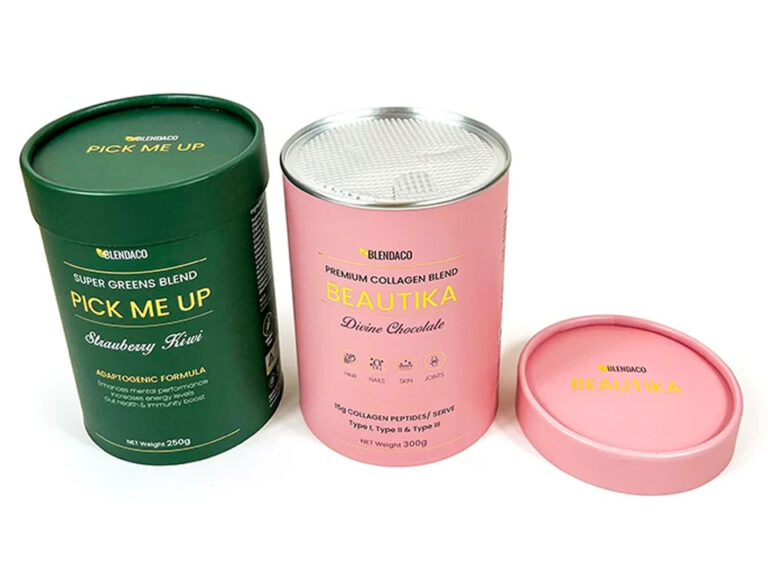
عبوات مسحوق البروتين
يحتاج البروتين والمكملات الغذائية إلى التفكير في الحاجز وليس فقط المظهر. التحكم في الرطوبة وثبات التخزين مهمان. يمكن أن تعمل الهياكل الأنبوبية بشكل جيد عندما تحدد البنية الداخلية والإغلاق المناسبين.
عصابات الشعر والإكسسوارات الصغيرة تحب ميزات العرض. تعمل النوافذ والمقابض على تحسين التعامل مع البيع بالتجزئة، لكنها يمكن أن تعقد أيضًا عملية إعادة التدوير. لا يزال بإمكانك استخدامها - فقط كن صادقًا بشأن المقايضات وحافظ على سهولة فصلها.
قائمة التحقق من مخاطر المطالبة لطلبات الشراء بالجملة وتصنيع المعدات الأصلية/التصنيع حسب الطلب
قبل أن تطبع أي مطالبة تتعلق بالاستدامة، قم بإجراء هذه القائمة المرجعية السريعة. فهي توفر عليك إعادة الطباعة ومشاكل القنوات.
المطالبة التي تريدها
ما يجب عليك تأكيده
ما يجب طباعته على العبوة
“قابلة لإعادة التدوير”
قبول محلي + هيكلية سهلة الفرز
خط التخلص البسيط (إعادة التدوير حيثما كان مقبولاً)
“قابل للتحلل الحيوي”
الشروط + الإطار الزمني + الإثبات
لا تطبع إلا إذا كان بإمكانك تحديد “أين” و “كم من الوقت”
“قابل للتحويل إلى سماد”
محاذاة صناعية مقابل منزلية + محاذاة قياسية
“قابل للتحويل إلى سماد صناعي” أو “قابل للتحويل إلى سماد منزلي”، وليس فقط “قابل للتحويل إلى سماد”
أهمية ذلك بالنسبة لخط أنابيب المبيعات لديك
لا تؤثر مطالبات الاستدامة على التسويق فقط. فهي تؤثر على التحويل وثقة المشتري وتكرار الطلبات. عندما تتكلم بوضوح، فإنك تقلل من الأخذ والرد مع المشتريات وتختصر حلقة الموافقة.
وعندما يكون بإمكانك التسليم على نطاق واسع - ورشة حديثة لتنقية تغليف المواد الغذائية، ومستودع بمساحة 12,300 متر مربع، وإنتاج يومي يدعم الطلبات بالجملة - يمكنك الحفاظ على استقرار جانب التوريد بينما يدفع عملاؤك الحجم. هذا الاستقرار مهم لأصحاب العلامات التجارية والموزعين والبائعين عبر الحدود الذين لا يستطيعون تحمل التأخير في التعبئة والتغليف.
إذا كنت ترغب في تحديد أنبوب يتوافق مع قناتك واستراتيجية المطالبة، ابدأ بـ كتالوج المنتجات واختر أقرب حالة استخدام. ثم أقفل الهيكل أولاً. بعد ذلك، حدد ما يمكنك طباعته بأمانة على الصندوق.