ما زلت لا ترى حل التغليف المناسب؟ تحدث إلى رئيسنا.
إذا كنت قد راجعت موقعنا الإلكتروني أو تحدثت مع المبيعات وما زلت لا ترى مساراً واضحاً، أرسل طلبك هنا. ستنتقل رسالتك مباشرةً إلى مديرنا العام لإجراء مراجعة تنفيذية للجدوى والتكلفة والوقت اللازم. ستحصل على خطوة تالية واضحة - ما يمكننا القيام به، وما نحتاجه منك، وأسرع طريق للحصول على عرض أسعار.
مراجعة جنرال موتورز المباشرة لمواصفاتك وحالة الاستخدام والقيود
فحص الحجم + الهيكل: القطر، والارتفاع، وقوة الجدار، والإدخالات
توصيات الطباعة/الطلاء لمطابقة العلامة التجارية + الميزانية
بدائل خفض التكلفة وخيارات تحسين المهلة الزمنية
وضوح مسار التسعير: موك وخطة أخذ العينات وماذا بعد ذلك
تحدث إلى رئيسنا
احصل على عرض أسعار سريع للتغليف الأنبوبي الورقي المخصص
مصمم لمديري التغليف والمشتريات ومهندسي التغليف. حدِّد الحجم والكمية والتشطيب لتلقي إرشادات بشأن المواصفات والمهلة الزمنية والمواصفات لبرامجنا/برامج الاتحاد الأوروبي.
مفاهيم مبتكرة لتغليف الأكواب الورقية المخصصة الفريدة من نوعها
جدول المحتويات
تبدو الأكواب بسيطة. شحنها (وبيعها) ليس كذلك.
يجب أن تقوم حزمة الكوب بشيئين في آن واحد: إيقاف التلف أثناء النقل و اجعل المنتج يستحق الاحتفاظ به. تناسب العبوات الأنبوبية الورقية هذه المهمة بشكل جيد لأنها تحمي الشكل، وتكدس بشكل نظيف، وتمنحك سطحًا ممتازًا لفك العبوة.
إذا كنت تقوم بالتصنيع للبيع بالجملة، أو لتصنيع المعدات الأصلية/التصنيع حسب الطلب، أو الشراء بالجملة، فأنت بحاجة أيضًا إلى إنتاج لا يتذبذب عند زيادة الحجم. لهذا السبب غالبًا ما تبدأ العلامات التجارية غالبًا مع شركة تصنيع يمكنها التعامل مع عمليات التشغيل المتسقة والتشطيبات القابلة للتكرار. يمكنك الاطلاع على المجموعة الكاملة من أنماط الأنابيب في أفضل مصنع لصناديق الأنابيب الورقية المخصصة الصفحة الرئيسية، ثم انتقل إلى منتجات التغليف الأنبوبية الورقية قائمة للمقارنات السريعة.
علم نفس اللون
اللون هو مصافحتك الأولى. فهو يضبط المزاج قبل أن يقرأ أي شخص كلمة واحدة.
تناسق الألوان لوحدات حفظ المخزون والمجموعات
إذا كنت تبيع تصميمات أكواب متعددة، لا تتعامل مع كل أنبوب كعمل فني منفصل. قم ببناء نظام الألوان:
لون أساسي واحد للعلامة التجارية (يظل كما هو في جميع وحدات SKU)
لون مميز واحد (يتغير حسب النكهة أو الموسم أو التعاون)
يساعد هذا النهج في ثلاثة سيناريوهات شائعة
الصور المصغرة للسوق:: تصبح الكتلة اللونية المتناسقة كتلة لونية متناسقة في الحال.
مجموعات أرفف البيع بالتجزئة:: تبدو المجموعة مقصودة، مما يساعد المشترين على الثقة في العلامة التجارية.
إعادة الطلبات بالجملة:: من الأسهل أن تحافظ على تشكيلة الفريق دون إعادة تصميم كل شيء.
ألوان جاهزة للهدايا دون مبالغة في التصميم
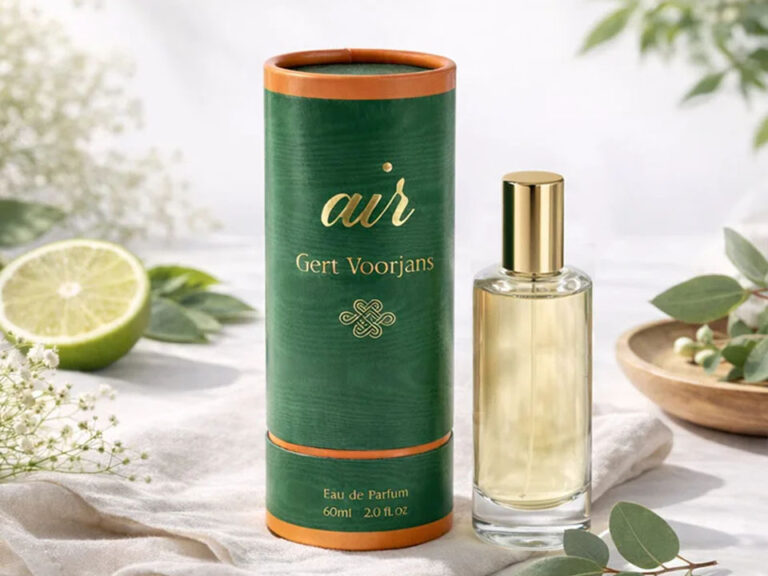
إذا كان الكوب عبارة عن عنصر هدية، فيمكن للونك أن يقوم بدور كبير. فغالباً ما تقرأ القاعدة الهادئة ذات اللمسة الحادة “متميزة” دون الحاجة إلى رسومات صاخبة. قم بإقران هذا المظهر مع أسلوب الإغلاق المتميز للحصول على شعور أقوى “احتفظ بهذا”. للاطلاع على مرجع حول هذا النوع من الإغلاق والإحساس بالإهداء، انظر هذا أنبوب من ورق الكرافت مع غطاء من الصفيح المقصدري.
الطباعة
الطباعة ليست زخرفة. إنه الوضوح ونبرة العلامة التجارية ودعم التحويل.
نسخة اللوحة الأمامية سريعة المسح الضوئي
معظم الناس لا يقرأون نصوص التغليف الطويلة. فهم يقومون بالمسح الضوئي. لذا يجب أن تعمل اللوحة الأمامية في ثلاث ثوانٍ:
اسم العلامة التجارية
اسم الكوب (أو اسم المجموعة)
فائدة واحدة قصيرة (ليست فقرة)
ثم انقل كل شيء آخر إلى اللوحة الجانبية أو بطاقة إدراج:
تعليمات العناية
الملاحظات المادية
معلومات الامتثال (إذا لزم الأمر للقناة)
الطباعة التي تساعد على الإنجاز
إليك حقيقة لوجستية: في المستودع، لا يعجب منتقي الأحرف في المستودع بتقسيم الأحرف. فهم يبحثون عن وحدة التخزين الصحيحة بسرعة. يقلل التسلسل الهرمي للنوع النظيف من أخطاء الانتقاء، خاصةً عندما تقوم بتشغيل عدة أنواع من الأكواب ذات الأعمال الفنية المتشابهة.
صداقة البيئة
يجب أن تبدو العبوات الصديقة للبيئة حقيقية وليست تمثيلية.
تقليل “ملمس القمامة” أثناء فتح العلبة
غالباً ما يتم شحن الأكواب بحشو إضافي. الكثير من الحشو الزائد يمكن أن يجعل العبوة تبدو مهدرة، حتى لو كان الكوب رائعاً. تساعدك الأنابيب الورقية لأن هيكلها محكم ووقائي، لذا يمكنك في كثير من الأحيان تقليل الحشو العشوائي.
اجعل عملية الفرز وإعادة التدوير واضحة
إذا قمت بإضافة إدخالات يسهل فصل المواد. ثم اطبع إشارة قصيرة لإعادة التدوير بلغة بسيطة. لا تدفنها في نص صغير.
إذا كنت تبيع الأكواب كجزء من حزم العافية (كوب + مكملات غذائية، كوب + عينات تغذية)، يمكنك استعارة أفكار هيكلية من عبوات الأسطوانات المستخدمة في فئات المساحيق. هذا شكل أنبوب أسطواني صديق للبيئة يُظهر اتجاهًا نظيفًا وصديقًا للرفوف.
سرد العلامة التجارية
الكوب شخصي. يشرب الناس منه كل يوم. يجب أن تتناسب عبواتك مع هذه الحميمية.
حركة “القصة الداخلية”
بدلاً من حشو الأنبوب الخارجي بالنسخ، ضع القصة في الداخل:
خط علامة تجارية واحدة
تفصيل واحد حقيقي (الأصل، إلهام التصميم، ملاحظة حرفية)
رمز الاستجابة السريعة إلى صفحة أطول (رائع للبائعين عبر الحدود الذين يحتاجون إلى دعم متعدد اللغات)
تنسيقات القصص التي تناسب القنوات المختلفة
DTC:: رسالة داخلية تبدو وكأنها ملاحظة وليست تسويقية.
إهداء الشركات:: قصة بسيطة للعلامة التجارية تساعد المتلقي على فهم سبب تميزها.
البيع بالتجزئة:: السطر القصير والنظيف “لماذا يوجد هذا الكوب” يبني الثقة دون قتل جماليات الرف.
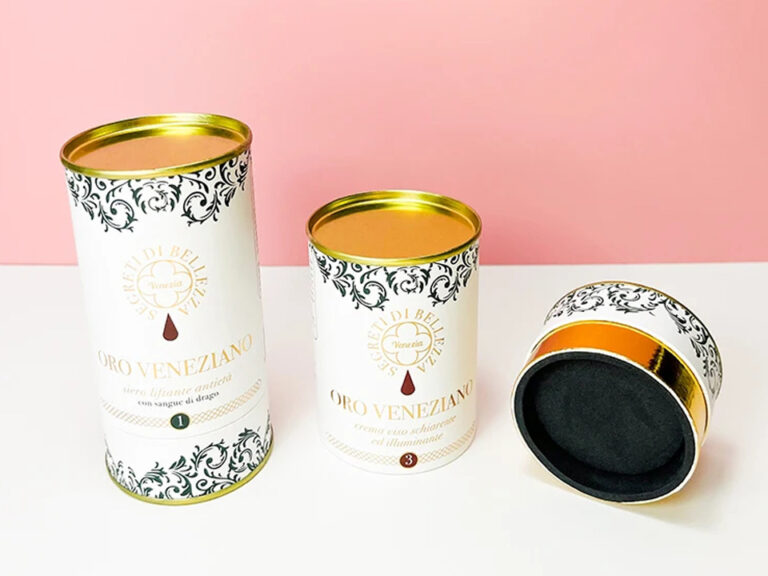
إذا كانت علامتك التجارية تبيع منتجات نمط الحياة في مختلف الفئات، فيمكنك أن تستلهم من الطريقة التي تقدم بها عبوات مستحضرات التجميل الفاخرة القصة + اللمسة النهائية معاً. هذا نمط تغليف أنبوب مستحضرات التجميل نقطة مرجعية مفيدة.
التخصيص
يعد التخصيص أحد أسرع الطرق لتحويل الكوب إلى منتج هدية.
التخصيص الذي لا يعطل تدفق الإنتاج لديك
لا تحتاج إلى إعادة بناء الأنبوب بالكامل لإضافة ملمس مخصص. جرب واحدة من هذه:
“منطقة رسائل” مخصصة على الأنبوب (تحافظ على استقرار التخطيط)
غلاف أو ملصق للقطرات المحدودة (يحافظ على اتساق عبواتك الأساسية)
بطاقة إدراج مع اسم المستلم لطلبات الشركات (سهلة لفرق التجهيز)
أفكار التخصيص التي تباع في سيناريوهات حقيقية
قطرات المؤثرين:: ملاحظة قصيرة للمبدع داخل الغطاء تبدو حصرية.
هدايا الزفاف:: لحظة الاسم/التاريخ دون تغيير العمل الفني بالكامل.
الإهداء الموسمي:: احتفظ بالأنبوب الأساسي وقم بتبديل الرسالة واللكنة.
إذا كنت تحب عقلية “الميزة تضيف قيمة”، انظر كيف أن النافذة + المقبض تغيير الجودة المتصورة مع الحد الأدنى من التغيير الهيكلي. وهذا مفهوم النافذة الشفافة والمقبض الحريري مصدر إلهام قوي لأنابيب أكواب الهدايا أيضاً.
النهج البسيط
الحد الأدنى من التغليف ليس فارغاً. يتم التحكم فيها.
بساطتها التي تصوّر بشكل جيد
بالنسبة للتجارة الإلكترونية، غالبًا ما تفوز التصاميم البسيطة لأنها تبدو نظيفة في صور المنتج و UGC. يمكنك الحصول على “محتوى فتح العلبة” بشكل أفضل دون التوسل إليه.
صيغة الحد الأدنى جيد:
عنصر بطل واحد (شعار أو رمز أو نمط واحد)
مساحة كبيرة لالتقاط الأنفاس
تشطيب واحد ممتاز (وليس خمسة)
إذا كنت تريد مرجعًا لجمالية الأنبوب النظيف والمتميز، فهذا نمط الأنبوب الورقي الأبيض غير اللامع يُظهر كيف يمكن لضبط النفس أن يُضفي شعوراً بالارتقاء.
بساطتها التي تدعم مخططات البيع بالتجزئة
يهتم تجار التجزئة بحجب الرفوف. يساعد التغليف البسيط والمتسق على أن تبدو أكوابك منظمة و“مملوكة للعلامة التجارية”، مما يجعل إعادة الطلبات أسهل في تبريرها.
المزالق الشائعة التي يجب تجنبها
معظم مشاكل تغليف الأكواب لا تأتي من سوء الذوق. بل تأتي من تخطي الفحوصات المملة.
مأزق: “يبدو ممتازًا، لكن شحنه رديء”
إذا تحرك الكوب داخل الأنبوب، يصبح المقبض نقطة ضغط. هكذا تحصل على التشققات والرقائق والمرتجعات.
إصلاح: استخدم استراتيجية إدراج مناسبة.
قفل جسم الكوب
حماية الحافة
احتفظ بالخلوص حتى لا يغلق الكوب بالغطاء
عيب: الأغطية التي يصعب فتحها
يمكن أن يُشعرك الغطاء المحكم بـ “الأمان”، ولكن إذا قاوم العملاء ذلك، يبدأ فتح العلبة بالإحباط.
إصلاح: قم بضبط التثبيت بحيث يكون آمنًا وسلسًا في نفس الوقت. اختبرها كما يفعل العميل الحقيقي: يد واحدة، بدون أدوات، بدون معاناة.
عيب: النص الصغير جدًا أو المشغول جدًا
النسخ الصغيرة والأيقونات الكثيفة لا تبدو متميزة. إنها تبدو قلقة.
إصلاح: ضع ما يهم فقط في الخارج. انقل التفاصيل إلى بطاقة إدراج أو طباعة داخلية.
مأزق: لا يوجد تمايز على الرف
إذا كان الأنبوب الخاص بك يبدو عاماً، فيجب أن يقوم التسويق الخاص بك بكل العمل.
إصلاح: اختر عنصراً مميزاً واحداً:
قاعدة ألوان فريدة من نوعها
قفل من النوع المميز
لمسة نهائية أو ملمس مميز
إذا كنت تبيع في الفئات التي تتطلب إغلاقًا أكثر أمانًا (أو إذا كنت تريد عقلية هندسية “السلامة أولاً”)، فمن الجدير دراسة هياكل الأنابيب المقاومة للأطفال. هذه شكل العبوة الأنبوبية الورقية المقاومة للطفل يمكن أن تثير أفكارًا لإغلاق أكثر إحكامًا وذكاءً في أطقم الأكواب المتميزة أيضًا.
جدول مفهوم التعبئة والتغليف لتغليف الأنبوب الورقي المخصص للأكواب الورقية
إذا كنت تريد تغليف أنبوب كوب “فريد من نوعه” يعمل بالفعل، ابدأ بالأساسيات: البنية + الإدراج + سهولة القراءة. ثم ضع طبقة في تحركات العلامة التجارية: سيكولوجية الألوان، والطباعة، والقصة، والتخصيص، والحد الأدنى من انضباط التصميم.
هذه هي الطريقة التي تبني بها التغليف الذي يحمي المنتج، ويساعدك على تدفق عملية التنفيذ، ويحول عملية فتح العلبة إلى تسويق مجاني - دون الاعتماد على الزخرفة أو التعقيدات المحفوفة بالمخاطر.