ما زلت لا ترى حل التغليف المناسب؟ تحدث إلى رئيسنا.
إذا كنت قد راجعت موقعنا الإلكتروني أو تحدثت مع المبيعات وما زلت لا ترى مساراً واضحاً، أرسل طلبك هنا. ستنتقل رسالتك مباشرةً إلى مديرنا العام لإجراء مراجعة تنفيذية للجدوى والتكلفة والوقت اللازم. ستحصل على خطوة تالية واضحة - ما يمكننا القيام به، وما نحتاجه منك، وأسرع طريق للحصول على عرض أسعار.
مراجعة جنرال موتورز المباشرة لمواصفاتك وحالة الاستخدام والقيود
فحص الحجم + الهيكل: القطر، والارتفاع، وقوة الجدار، والإدخالات
توصيات الطباعة/الطلاء لمطابقة العلامة التجارية + الميزانية
بدائل خفض التكلفة وخيارات تحسين المهلة الزمنية
وضوح مسار التسعير: موك وخطة أخذ العينات وماذا بعد ذلك
تحدث إلى رئيسنا
احصل على عرض أسعار سريع للتغليف الأنبوبي الورقي المخصص
مصمم لمديري التغليف والمشتريات ومهندسي التغليف. حدِّد الحجم والكمية والتشطيب لتلقي إرشادات بشأن المواصفات والمهلة الزمنية والمواصفات لبرامجنا/برامج الاتحاد الأوروبي.
هل العبوات الأنبوبية الورقية قابلة لإعادة التدوير؟
جدول المحتويات
لقد رأيت الأنابيب الورقية في كل مكان - الشاي، والعناية بالبشرة، والمكملات الغذائية، وحتى المجوهرات. إنها تبدو نظيفة وممتازة وتبدو ممتازة وتصور بشكل جيد. ثم يسأل أحد العملاء السؤال الذي يمكن أن يجعل صندوق الوارد الخاص بك حارًا: “هل العبوات الأنبوبية الورقية قابلة لإعادة التدوير؟”
إليك الإجابة الحقيقية: في كثير من الأحيان، نعم. ولكن ليس دائمًا. إن إعادة التدوير لا تتعلق فقط بما تتكون منه العبوة. بل يتعلق الأمر بكيفية تصرف تلك العبوة في مجرى إعادة التدوير الحقيقي: صناديق التجميع وخطوط الفرز ومصانع الورق.
إذا كنت تريد عبوات أنبوبية ورقية يثق بها العملاء (ولا تثير تعليقات “الغسل الأخضر”)، فأنت بحاجة إلى تصميم يتناسب مع كيفية عمل إعادة التدوير بالفعل - وكيف يرمي الناس الأشياء بالفعل.
إذا كنت تقوم بالتوريد بالجملة أو تقوم بإنشاء خط تغليف لتصنيع المعدات الأصلية/التصنيع حسب الطلب، ابدأ بالأساسيات في صناديق الأنابيب الورقية المخصصة الموقع ثم ابحث في الأنماط التي تتناسب مع منتجك وسوقك.
معظم العبوات الأنبوبية الورقية قابلة لإعادة التدوير عندما تكون نظيفة وجافة ومعظمها من الورق. وهذا يعني عادةً هيكل من الورق المقوى، وملصق ورقي، ولا توجد طبقات خادعة.
غالبًا ما تفشل الأنابيب الورقية في إعادة التدوير عندما تكون مختلطة المواد. فكر في بطانات الرقائق، أو الأغشية البلاستيكية، أو التصفيح الثقيل، أو الأجزاء المعدنية الدائمة، أو تغطية الغراء السميك. يمكن لهذه الميزات أن تعيق عملية اللب أو تربك عملية الفرز أو أن يتم الإبلاغ عنها على أنها ملوثة.
لذا فإن الشكل ليس هو المشكلة. فالمشكلة الهيكل هو.
قواعد إعادة تدوير الأنابيب الورقية حسب المادة والبنية
أنبوب الورق المقوى (أنبوب ورقي أحادي المادة)
أنبوب الورق المقوى العادي هو أفضل سيناريو. فهو يتصرف مثل الورق المقوى في أنظمة إعادة التدوير، ويسهل على العملاء فهمه.
حيث تتألق:
بضائع جافة لا تسرب
أطقم هدايا مع حماية داخلية
سلع التجزئة التي تحتاج إلى “قسط دون هشاشة”
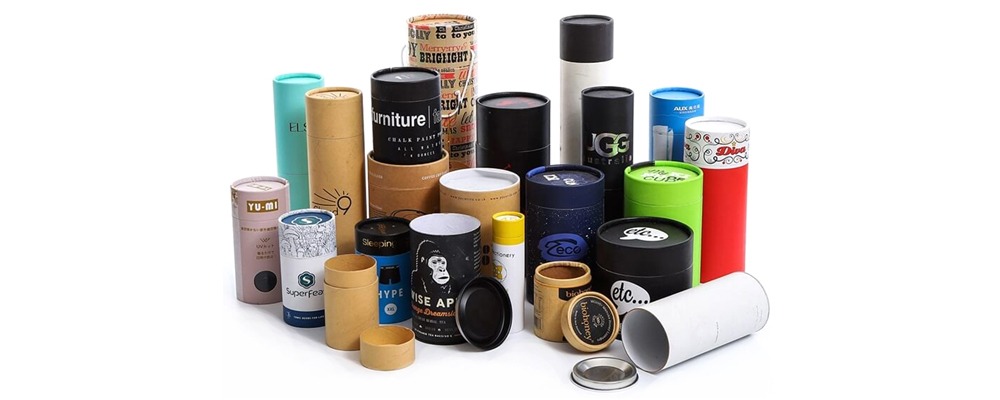
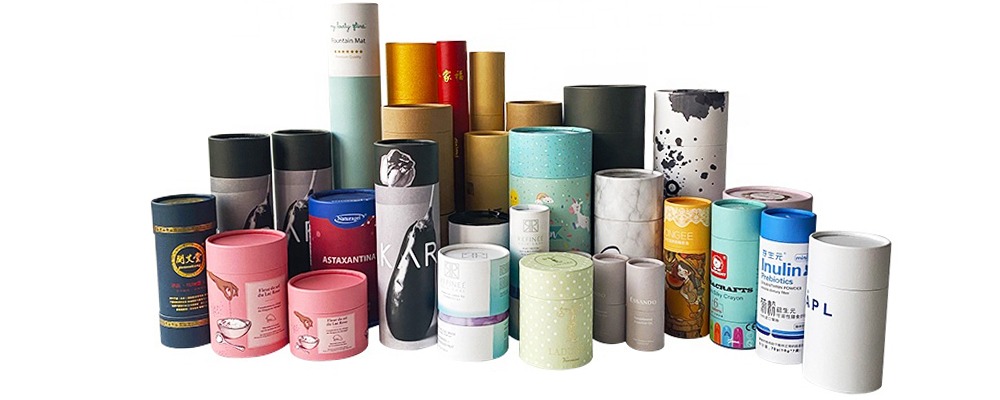
إذا كنت ترغب في رؤية مجموعة كبيرة من التنسيقات بسرعة، فقم بمسح منتجات التغليف الأنبوبية الورقية القائمة وملاحظة أي البنايات تبقى على الورق أولاً.
هذا هو المكان الذي تحترق فيه العلامات التجارية. يمكن للأنبوب انظر مثل الورق ومع ذلك يتم رفضها.
“قاتلات إعادة التدوير” الشائعة:
بطانات عازلة من الرقائق المعدنية
تصفيح بلاستيكي لا ينفصل عن البلاستيك
الأكمام البلاستيكية المنكمشة التي تغطي الأنبوب بالكامل
أطراف أو حلقات أو أطراف معدنية دائمة
مواد لاصقة مفرطة البناء (رائعة للقوة وسيئة لللب)
إذا كان أنبوبك يحتاج إلى أداء الحاجز، فلا تقم تلقائيًا “بلف الأنبوب بالبلاستيك”. يمكنك عادةً تحويل احتياجات الحاجز إلى العبوة الداخلية والحفاظ على نظافة الأنبوب الخارجي.
أنبوب ورقي مع نافذة / مقبض (نافذة شفافة وشريط وإدخال)
النوافذ والإضافات الفاخرة تبيع المنتج. كما أنها تجعل التخلص منها مربكاً.
إذا كنت تستخدم نافذة أو مقبض، اجعلها سهلة الفصل. لا تحبس البلاستيك تحت طبقات الورق الملصقة. لا تخفي المواد المختلطة حيث لا يمكن للعملاء العثور عليها.
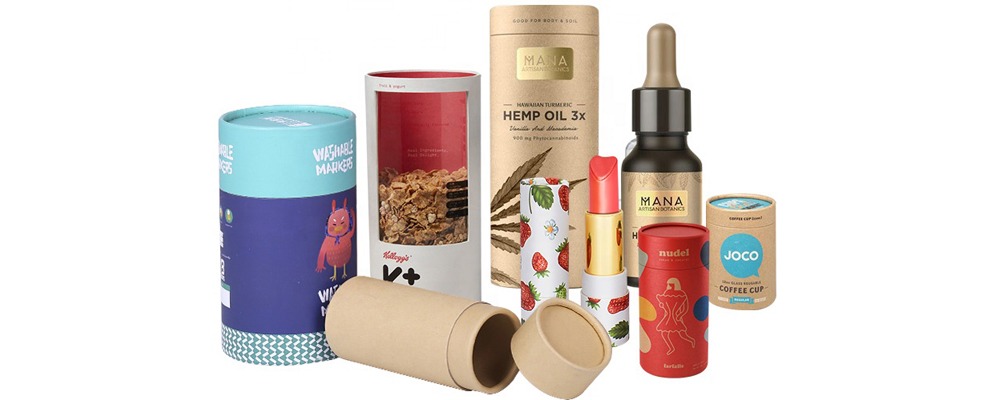
يمكن أن يعمل هذا النمط بشكل جيد مع العناصر التي تعتمد على العرض - انظر مثالًا حقيقيًا على عبوة أنبوبية ورقية ذات نافذة شفافة ومقبض شفاف وفكر في كيفية جعل القطع غير الورقية سريعة الإزالة.
تلوث الأنابيب الورقية: فارغة ونظيفة وجافة
لا ترفض برامج إعادة التدوير “المواد الفاسدة” فقط. فهي ترفض التغليف القذر.
بقايا الطعام والرطوبة
إذا كان أنبوبك يحتوي على طعام أو مساحيق أو أي شيء يمكن أن يتلطخ، فقد يرميها العملاء مع وجود بقايا بداخلها. يمكن لهذه البقايا أن تلوث البالات الورقية وتقلل من جودة الإنتاج.
قاعدة بسيطة تبقيك أميناً: إذا كانت لزجة أو زيتية أو مبللة أو ذات رائحة كريهة، فإن إعادة التدوير تصبح أصعب.
الزيوت، والشمع، و“تسرب قليلاً”
يصيب هذا الأمر عبوات مستحضرات التجميل والعناية الشخصية طوال الوقت. يمكن أن تكون الأنبوبة مثالية على الورق، ولكن إذا تسرب الزيت إلى الألياف، فقد تتعامل معها المصانع مثل القمامة.
إذا كان منتجك يمكن أن يتسرب منه، تعامل مع الأنبوب على أنه التغليف الثانوي. احتفظي بالفوضى داخل وعاء أساسي ثابت. وهذا هو السبب في أن العديد من العلامات التجارية تقرن الأنابيب ببرطمانات أو زجاجات أو أكياس داخلية محكمة الغلق.
لن يقرأ عملاؤك دليلاً طويلاً للتخلص من النفايات. امنحهم قائمة مرجعية قصيرة سيتبعونها بالفعل.
أفرغها لا يوجد منتج متبقي بالداخل. لا توجد حشوات منقوعة.
حافظ على نظافتها وجفافها إذا كانت رطبة أو دهنية، فقد يتم رفضها.
قم بإزالة الأجزاء غير الورقية التي يمكنك رؤيتها انزعي النوافذ والأشرطة والشرائط والرغوة والأغطية المعدنية والأغطية البلاستيكية عند الإمكان.
لا تبالغ في التفكير في الأمر إذا كانت قواعدك المحلية ترفض المواد المختلطة، فإن التصميم “الأفضل” هو الذي يتجنب المواد المختلطة في المقام الأول.
هذه ليست مجرد خدمة عملاء. إنها حماية للعلامة التجارية. عندما تبدو عملية التخلص من النفايات بسيطة، تظل مراجعاتك أنظف أيضاً.
تصميم العبوات الأنبوبية الورقية لقابلية إعادة التدوير
إذا كنت جادًا بشأن التوسع، فإن قابلية إعادة التدوير تنتمي إلى ورقة المواصفات الخاصة بك - بجانب جودة الطباعة ومقاومة السقوط وسرعة التعبئة.
تصميم أحادي المادة (الورق أولاً)
هذه هي الطريقة الأنظف:
جسم الأنبوب الورقي
ملصق ورقي أو طباعة مباشرة
الحد الأدنى من تغطية الغراء (استخدم فقط ما تحتاج إليه)
تجنب الأكمام البلاستيكية التي تغطي الجسم بالكامل
يساعد هذا التصميم أيضًا فريق العمليات لديك. عدد أقل من الأجزاء يعني عددًا أقل من نقاط الفشل في الإنتاج، ومشاكل أقل للموردين، ومراقبة جودة أكثر سلاسة.
مكونات قابلة للإزالة (سهلة الفصل)
في بعض الأحيان تحتاجين إلى إضافات: غطاء ممتاز، ملحق، ختم. لا بأس بذلك. فقط اصنعها سهلة الإزالة.
خيارات جيدة:
أغطية ملائمة للاحتكاك بدلاً من الروابط الدائمة
ألسنة السحب أو الشرائط المسيلة للدموع التي تبين بوضوح مكان الفصل
حشوات تُرفع للخارج بشكل نظيف (لا توجد حبائل للصمغ)
إذا كنت تريد مظهر “الغطاء الفاخر”، يمكنك القيام بذلك دون تحويل العبوة بأكملها إلى مشكلة إعادة تدوير. ومن الأمثلة الجيدة على ذلك فئة الشاي - انظر عبوة أنبوب شاي ورقي بغطاء معدني وفكر في “الأجزاء القابلة للإزالة، بنية واضحة”.”
احتياجات الحاجز مقابل قابلية إعادة التدوير (مفاضلات حقيقية)
تحتاج بعض المنتجات إلى التحكم في الرطوبة أو حماية الأكسجين أو قفل الرائحة. هذه هي الحياة الحقيقية. ولكن ليس عليك بناء الحاجز في جدار الأنبوب في كل مرة.
نمط عملي يعمل بشكل جيد:
استخدم الأنبوب للهيكل والعلامة التجارية والتأثير على الرفوف
ضع أداء الحاجز في العبوة الداخلية
احتفظ بالأنبوب الخارجي معظمه من الورق حتى يسهل فرزه ولبه
تساعد هذه الاستراتيجية أيضًا في وضع علامات الامتثال والتغييرات السريعة لوحدات SKU، خاصةً للأسواق والبائعين عبر الحدود.
مطالبات إعادة التدوير والواقع: الجمع والفرز وإعادة المعالجة والأسواق النهائية
العبوة ليست “قابلة لإعادة التدوير” لمجرد أنها تحتوي على ورق.
في أنظمة إعادة التدوير الحقيقية، يجب أن ينجو الأنبوب الخاص بك من السلسلة الكاملة:
المجموعة: هل يمكن للعملاء وضعها في سلة المهملات دون تخمين؟
الفرز: هل يمكن للمرفق فصله دون إبطاء الخط؟
إعادة المعالجة: هل يمكن لمصانع الورق أن تقوم بلب الورق دون أن تترك خردة خلفها؟
الأسواق النهائية: هل يمكن لشخص ما استخدام وشراء الناتج المعاد تدويره بالفعل؟
لهذا السبب تسبب المواد المختلطة مشكلة. قد تكون كل طبقة قابلة لإعادة التدوير بمفردها، ولكن يمكن أن تفشل المجموعة في الممارسة العملية.
إذا كنت تبيع بين الشركات، فإن هذا الأمر أكثر أهمية. فتجار التجزئة وكبار المشترين لا يريدون فقط “المشاعر البيئية”. إنهم يريدون ادعاءات لن تأتي بنتائج عكسية.
حالات استخدام العبوات الأنبوبية الورقية: مستحضرات التجميل والشاي ومسحوق البروتين واتفاقية التنوع البيولوجي
دعنا نخرج من الجانب النظري إلى أعمال التغليف الحقيقية.
عبوات أنبوب ورقي لمستحضرات التجميل
مشترو مستحضرات التجميل يحكمون بسرعة. تمنحك الأنابيب إحساسًا متميزًا دون هشاشة الزجاج، بالإضافة إلى مساحة أكبر للتصميم.
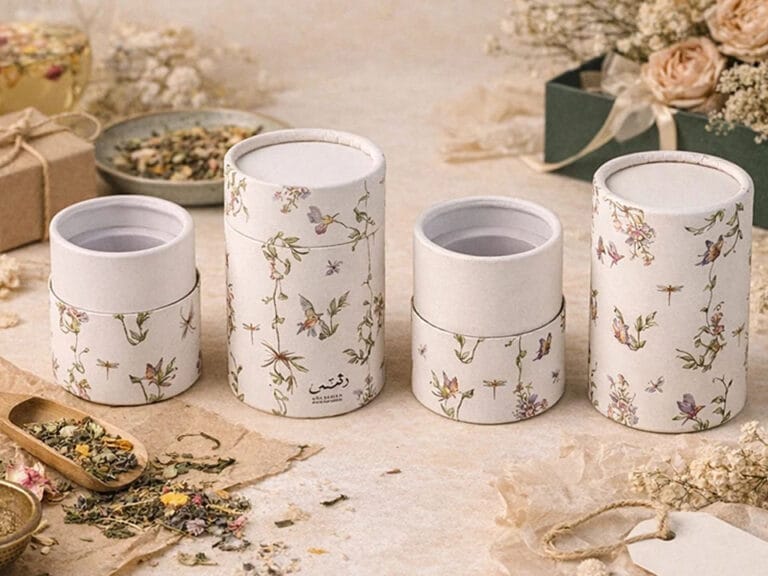
الشاي لعبة رفوف. أنت تريده طازجاً، ولكنك تريد أيضاً علامة تجارية قوية.
تساعد الأنابيب لأنها
قف شامخاً من أجل الترويج
حماية ضد تلف السحق أثناء الشحن
اشعر بالهدية دون الحاجة إلى عبوات زائدة
الشكل المتميز الشائع الشائع هو أنبوب بغطاء معدني، مثل هذا نمط أنبوب تغليف الشاي. اجعل الغطاء قابلاً للإزالة، وحافظ على شكله الخارجي ورقيًا، وحافظ على بساطة الرسالة للعملاء.
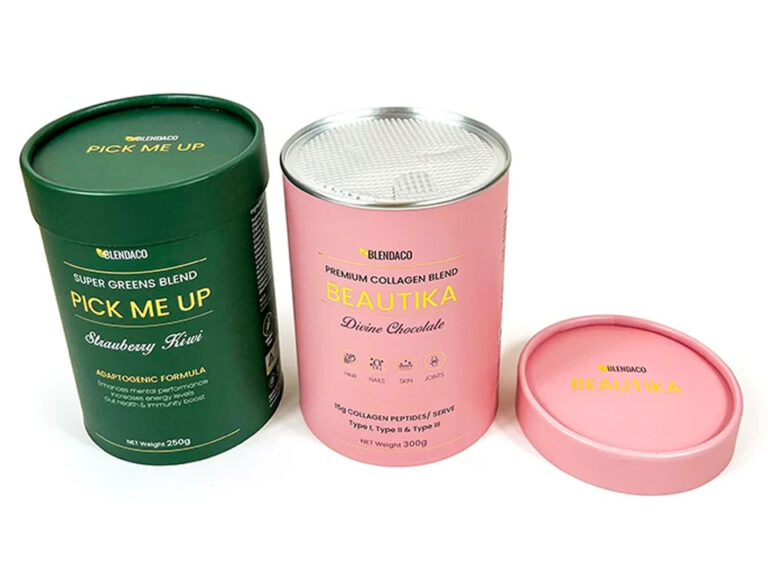
تغليف مسحوق البروتين الأنبوبي الورقي
تتعرض المكملات الغذائية للضرب في الخدمات اللوجستية. يمكن للأنابيب أن تقلل من الانبعاجات وسحق الزوايا مقارنة بالكرتون الخفيف، خاصة عند الشحن من خلال شبكات الإيفاء.
ما يهم هنا
جدران أنبوبية قوية
إغلاق محكم الإغلاق
طباعة تحافظ على وضوحها حتى مع التعامل مع المستودعات
لا تحتاج المجوهرات إلى حماية حاجزة، لذا فهي مناسبة تمامًا للأنابيب الورقية. تحصل على كشف ممتاز دون الإفراط في البناء.
النمط المرجعي النظيف هو تغليف أنبوب ورقي للمجوهرات والأساور. إذا كنت ترغب في إعادة تدويرها بشكل أفضل، اجعل الإضافات قابلة للإزالة وتجنب الزخارف البلاستيكية الثقيلة.
جدول قرارات إعادة التدوير لتغليف الأنابيب الورقية
استخدم هذا الجدول عند اختيار المواصفات لعمليات البيع بالجملة، أو إطلاق العلامات التجارية الخاصة، أو مشاريع تصنيع المعدات الأصلية/التصنيع حسب الطلب.
نوع الأنبوب الورقي
السمات المشتركة
نتائج إعادة التدوير (نموذجي)
حركة المواصفات التي تساعد
أنبوب ورقي (ورقي بالكامل)
جسم ورقي + ملصق ورقي
غالبًا ما يتم قبولها عندما تكون نظيفة
احتفظ بالورق أولاً، وقلل من تغطية الغراء
أنبوب ورقي من مواد مختلطة
بطانة رقائق معدنية / تصفيح بلاستيكي
غالباً ما يتم رفضها
تحويل الحاجز إلى العبوة الداخلية، وتجنب التصفيح الدائم
أنبوب ورقي بغطاء معدني
غطاء معدني + جسم ورقي
نتائج متباينة
اجعل الغطاء قابلاً للإزالة، وحافظ على السندات خفيفة
أنبوب ورقي مع نافذة بلاستيكية
نافذة شفافة + غلاف ورقي شفاف
نتائج متباينة
استخدام نافذة سهلة التقشير وتقليل المساحة البلاستيكية
أنبوب ورقي مع حشوة رغوية
رغوة + جسم من الفوم + ورق
غالبًا ما يتم رفضها ما لم يتم إزالتها
جعل الإدخال يرفع للخارج، والنظر في الصواني الورقية
OEM/ODM بالجملة: الشركة المصنعة لصناديق الأنابيب الورقية المخصصة
إذا كنت تشتري على نطاق واسع، فأنت لا تتسوق لشراء “حزمة لطيفة”. أنت تبني نظاماً.
أنت تهتم بـ
طباعة وإنهاء متناسق عبر الدفعات
مراقبة الجودة المستقرة وقابلية التكرار
عبوات تغليف سريعة التعبئة والتغليف وتقاوم الشحن
مواصفات واضحة لا تنحرف بين عمليات الإنتاج
بصفتك أفضل مصنع لصناديق الأنابيب الورقية المخصصة, نحن ندعم التصاميم المخصصة، والبيع بالجملة بالجملة، وتصنيع المعدات الأصلية/التصنيع حسب الطلب لتجار التجزئة والبائعين عبر الحدود والموزعين وأصحاب العلامات التجارية والوكالات والفرق المتنامية. لقد صممنا الإنتاج والتخزين للعمل بكميات كبيرة، بحيث يمكنك التوسع دون التضحية بالملاءمة أو التشطيب أو الموثوقية.
إذا كنت ترغب في مقارنة الهياكل واختيار الاتجاه بسرعة، ابدأ من كتالوج المنتجات ومطابقة بنية الأنبوب مع الاحتياجات الحقيقية لمنتجك - الحاجز، والامتثال، والامتثال، وسلوكيات فتح العلبة، وإعادة التدوير.
خلاصة القول اجعل “قابلة لإعادة التدوير” سهلة للأشخاص الحقيقيين
إذا كنت تريد عددًا أقل من أسئلة العملاء ومشاكل أقل، فلا تصمم أنبوبًا يحتاج إلى سلوك مثالي لإعادة التدوير. صمم أنبوباً يناسب التخلص منه في الحياة الواقعية.
حافظ على الأنبوب ورقيًا في الغالب
تجنب الطبقات المختلطة الدائمة عندما تستطيع
اجعل الأجزاء غير الورقية سهلة الإزالة
ضع حاجز الأداء في العبوة الداخلية عند الحاجة
هكذا تبقى العبوات الأنبوبية الورقية متميزة على الرف وثابتة في الشحن، ويسهل إعادة تدويرها في العالم الحقيقي.