ما زلت لا ترى حل التغليف المناسب؟ تحدث إلى رئيسنا.
إذا كنت قد راجعت موقعنا الإلكتروني أو تحدثت مع المبيعات وما زلت لا ترى مساراً واضحاً، أرسل طلبك هنا. ستنتقل رسالتك مباشرةً إلى مديرنا العام لإجراء مراجعة تنفيذية للجدوى والتكلفة والوقت اللازم. ستحصل على خطوة تالية واضحة - ما يمكننا القيام به، وما نحتاجه منك، وأسرع طريق للحصول على عرض أسعار.
مراجعة جنرال موتورز المباشرة لمواصفاتك وحالة الاستخدام والقيود
فحص الحجم + الهيكل: القطر، والارتفاع، وقوة الجدار، والإدخالات
توصيات الطباعة/الطلاء لمطابقة العلامة التجارية + الميزانية
بدائل خفض التكلفة وخيارات تحسين المهلة الزمنية
وضوح مسار التسعير: موك وخطة أخذ العينات وماذا بعد ذلك
تحدث إلى رئيسنا
احصل على عرض أسعار سريع للتغليف الأنبوبي الورقي المخصص
مصمم لمديري التغليف والمشتريات ومهندسي التغليف. حدِّد الحجم والكمية والتشطيب لتلقي إرشادات بشأن المواصفات والمهلة الزمنية والمواصفات لبرامجنا/برامج الاتحاد الأوروبي.
الثورة المادية للتغليف الأسطواني: فك الشفرة التكنولوجية والتعبير الجمالي لصناديق التغليف الحديثة
جدول المحتويات
لم تعد العبوات الأسطوانية مجرد “صندوق أجمل” بعد الآن. إنها مواصفات أداء، ونقطة اتصال للعلامة التجارية، وأداة لسلسلة التوريد - في صندوق واحد.
إذا كنت تشتري بكميات كبيرة (تصنيع المعدات الأصلية/التصنيع حسب الطلب، البيع بالجملة، العلامات الخاصة، برامج تجار التجزئة)، يجب أن يتحمل الأنبوب الخاص بك الحياة الواقعية: المستودعات الرطبة، ومناولة 3PL، والنقل عبر الحدود، ومرتجعات السوق، والرفوف الفوضوية. تحدد خيارات المواد ما إذا كانت العبوة الخاصة بك تبقى هشّة ومغلقة بإحكام، وتطبع بشكل نظيف، وتظل تبدو ممتازة بعد آخر ميل.
تبدو الأنابيب الورقية بسيطة، لكن التصاميم الحديثة متعددة الطبقات. فكّر في الهيكل + الحاجز + الطلاء النهائي. عندما تحدد مواصفاتها بشكل صحيح، تتعامل مركبات الورق مع ضغط التكديس ومخاطر الرطوبة وعرض العلامة التجارية دون تحويل العبوة إلى أسطوانة “ذات ملمس بلاستيكي”.
طبقات الحاجز والتحكم في الرطوبة
إذا كنت تشحن الشاي أو القهوة أو المكملات الغذائية أو المساحيق، فإن الرطوبة هي الشرير الهادئ. يمكن أن يضيف الأنبوب الورقي المركب بطانة عازلة وإغلاق أكثر إحكامًا وحماية للسطح حتى لا تصبح العبوة لينة أو تتجعد أثناء التعبئة.
تقاوم الأنابيب بطبيعة الحال الضغط الرأسي بشكل أفضل من العديد من العلب الكرتونية القابلة للطي. وهذا أمر مهم عندما يتم تكديس الكراتين عالياً أو ربطها بإحكام أو ضغطها في منصات نقالة مختلطة.
بالنسبة لوحدات التغذية السائبة، عادةً ما تحدد عادةً جدارًا أكثر سمكًا + قلبًا صلبًا بحيث يبقى الأنبوب مستديرًا ويبقى الغطاء في وضع مستقيم. إليك مثال قوي لهذه الفئة: تغليف أنبوب ورقي لمسحوق البروتين.
لمسات نهائية مطبوعة وملموسة
يفوز الورق عندما تريد أن يكون “الملمس اليدوي” جزءًا من عملية البيع. الملمس الناعم، والنقش، وملمس الكرافت، والتصفيح غير اللامع - هذه كلها إشارات للعلامة التجارية يفهمها العملاء على الفور.
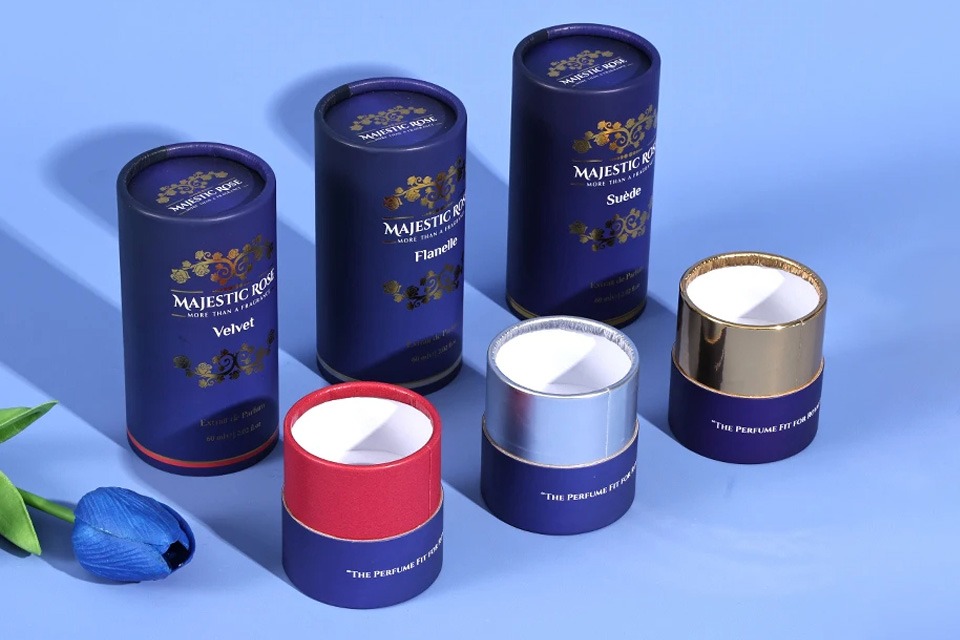
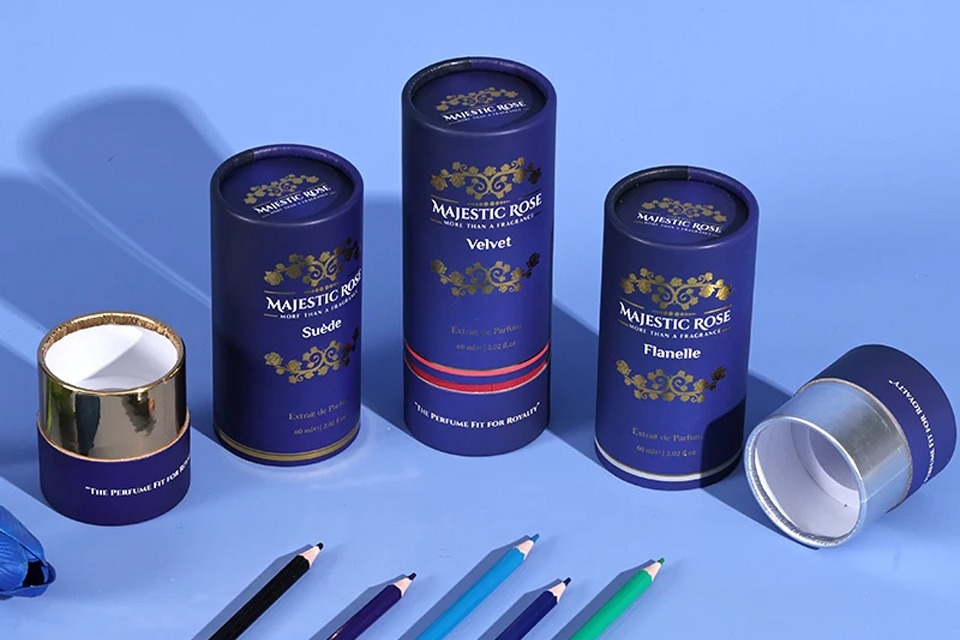
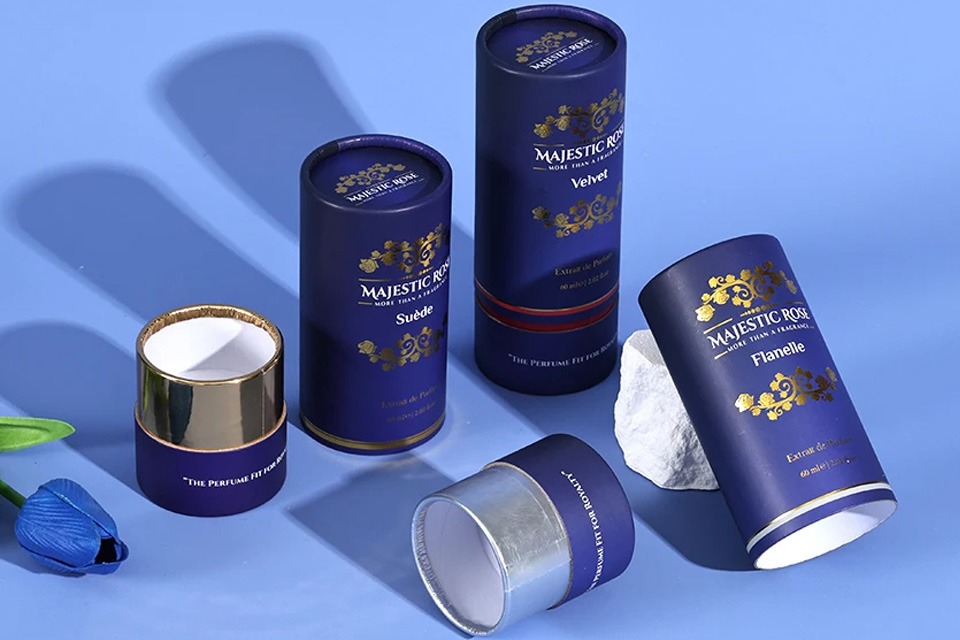
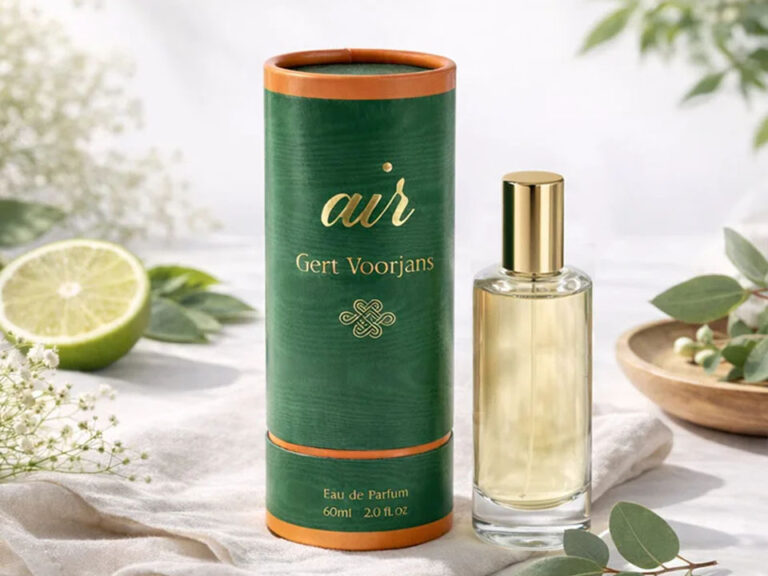
إذا كنت من محبي الجمال وتريد تلك القبضة المتميزة بالإضافة إلى الرسومات النظيفة، فإن هذا النمط يُظهر الاتجاه: أنابيب كرتون التجميل.
اللدائن الهندسية
في الأنابيب، لا ينبغي أن تكون المواد البلاستيكية افتراضية. بل يجب أن تستحق مكانها. استخدمها عندما تحتاج إلى رؤية واضحة، أو مقاومة للصدمات، أو تفاوتات أكثر دقة، أو طبقة داخلية مستقرة - خاصةً لوحدات حفظ المخزون عبر الحدود والأسواق.
الرؤية ومقاومة الصدمات
إذا كان العملاء يرغبون في “رؤية المنتج قبل شرائه”، فإن الأنبوب ذو النوافذ يعزز التحويل ويقلل من التردد. كما أنه يساعد أيضًا في وضوح المتغيرات عند تشغيل الكثير من وحدات حفظ المخزون.
يعد هذا حلاً وسطًا شائعًا للعلامات التجارية التي تريد قصة ورقية ولكنها لا تزال بحاجة إلى سلوك العرض. من حيث التوريد، من الأسهل أيضًا إدارتها: يمكنك الحفاظ على ثبات إمدادات الأنبوب الورقي، ثم ضبط حجم النافذة ونوع الفيلم ومواصفات الغراء بناءً على قناتك.
السبائك المعدنية
يدور المعدن في العبوات الأسطوانية حول الثقة وإعادة الاستخدام. الإغلاق المعدني يشعرك بالأمان. فهو يشير إلى أنه “طازج ومتميز”، ويشجع العملاء على الاحتفاظ بالأنبوب على الرف - بعد فترة طويلة من نفاد المنتج.
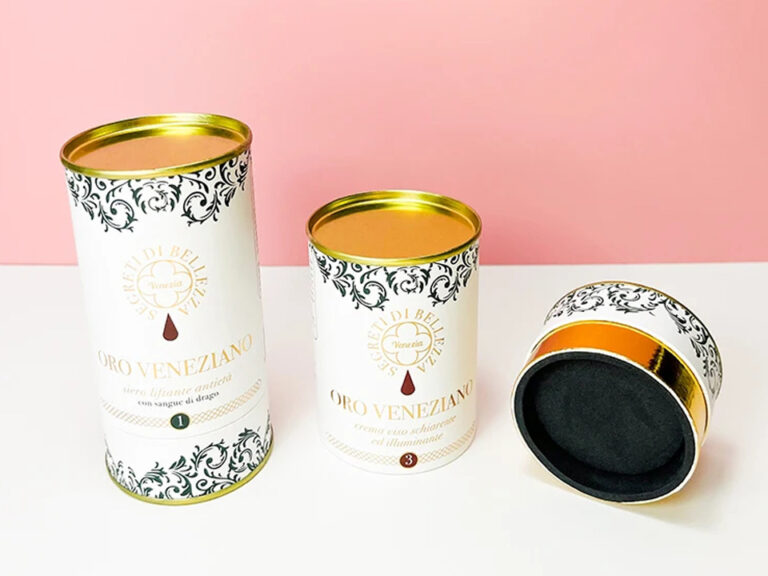
أغطية صفيح الصفيح وإشارات النضارة
بالنسبة للشاي والقهوة والحلويات، فإن ملمس الغطاء ليس تفصيلاً. إنه محفز للإدراك. فالغطاء المعدني الصلب يقلل من شكوك “هل هذا قديم؟” ويمكنه تحسين لحظة فتح العلبة دون أن يجعلها مبهرجة.
يمكن للمعادن أيضًا أن تزيد من حدة المظهر - خاصةً عندما تحتاج إلى لون متناسق أو حواف واضحة أو شعور أكثر “قابلية للتحصيل”. إذا كانت علامتك التجارية تعتمد على لون مميز (مطابقة ألوان بانتون أو حواف واضحة أو تصميم بسيط)، تساعد الإغلاقات المعدنية في الحفاظ على مظهر العبوة متعمدًا تحت إضاءة البيع بالتجزئة.
المواد ذات الأساس حيوي
لا يجب أن تعني المنتجات القائمة على أساس حيوي أن تكون هشة. ما يريده المشترون عادةً أمر بسيط: هيكل من الألياف لا يزال يحقق أهداف الأداء ويدعم متطلبات الاستدامة عبر قنوات البيع بالتجزئة والتصدير.
الهياكل القابلة لإعادة التدوير القائمة على الألياف
بالنسبة للعديد من العلامات التجارية، فإن المكاسب العملية هي نفسها: الأنابيب الورقية التي تتسع، وتشحن بشكل جيد، وتناسب توقعات إعادة التدوير في الأسواق الرئيسية. يحافظ ذلك على ثبات قصة التعبئة والتغليف الخاصة بك بينما تنمو من عمليات التشغيل الصغيرة إلى دورات تجديد كبيرة.
عبوات أنبوبية ورقية مقاومة للأطفال
في الفئات الخاضعة للتنظيم، “الأمان حسب التصميم” مهم. أنت بحاجة إلى عبوات تدعم الامتثال، وتقلل من المخاطر، وتظل تبدو كعلامة تجارية حقيقية - وليس حاوية عامة.
“عادةً ما تعني كلمة ”ذكي" في التعبئة والتغليف أحد أمرين: التتبع والتعقب أو إشارات الحالة. لا يتعلق الأمر بالحيل. بل يتعلق الأمر بنزاعات أقل، وتزييف أقل، وتحكم أكثر سلاسة في القنوات.
تقنية NFC والتغليف المضاد للتزييف
إذا كنت تبيع في الأسواق أو من خلال موزعين متعددين، يمكن أن يصبح التزوير وتسريب القنوات مشكلة أسبوعية. يمكن أن تدعم ميزات التغليف الذكية تدفقات المصادقة والتحقق من الدفعات وتعزيز مطالبات تسجيل العلامة التجارية.
بالنسبة للمنتجات التي لا يمكن أن ترتفع درجة حرارتها أو يساء التعامل معها، تساعد المؤشرات المرئية في الحد من نزاعات “هو قال وهي قالت” في مجال الخدمات اللوجستية. حتى أن إشارة بسيطة لدرجة الحرارة يمكن أن تدعم التعامل مع المطالبات ومحادثات تجار التجزئة بشكل أفضل.
مصفوفة اختيار المواد
إليك طريقة ملائمة للمصادر لتعيين المواد إلى نقاط الألم الحقيقية للمشتري. استخدمها عندما تقوم بإنشاء طلب عرض الأسعار، أو تشديد خط الإنتاج، أو التنسيق مع شركة 3PL الخاصة بك.
نظام المواد
نقطة الألم الأكثر ملاءمة
نهج البناء النموذجي
الفئات ذات الملاءمة القوية
“لغة ”نتائج المشتري"
المواد المركبة الورقية
مقاومة السحق، والتحكم في الاحتكاك، والملمس المتميز
قلب ورقي صلب + بطانة حاجزة + غلاف فاخر
المكملات الغذائية ومستحضرات التجميل والهدايا الغذائية
عدد أقل من الوحدات التالفة، ومظهر أنظف للرفوف
اللدائن الهندسية
رؤية المنتج، وأداء الانخفاض، والتفاوتات الأكثر صرامة
أنبوب ورقي + نافذة شفافة/طبقة داخلية ثابتة
الملحقات، ووحدات حفظ المخزون المتنوعة، والأطقم
تحويلات أعلى، عدد أقل من المطالبات “المعطلة”
السبائك المعدنية
الثقة في النضارة، وقيمة إعادة الاستخدام
أنبوب ورقي + غطاء من الصفيح
الشاي والقهوة والحلويات
جودة متصورة أفضل، وجاذبية أقوى للإهداء
المواد ذات الأساس حيوي
مواءمة الاستدامة، والتوريد القابل للتطوير
هياكل الألياف إلى الأمام، بناءات الورق أولاً
العافية، والجمال، والفئات المنظمة
تيسير انضمام بائعي التجزئة إلى سوق التجزئة وقصة امتثال أنظف
المواد الذكية
مكافحة التزوير، وإمكانية التتبع، وإشارات سلسلة التبريد
بنية NFC/QR جاهزة للاستخدام في NFC/QR، وميزات المؤشر
السوق الثقيلة، والمنظمة، والتصدير
نزاعات أقل، وتحكم أفضل في القنوات
سيناريوهات التغليف التي تظهر في العالم الحقيقي
معظم المشاريع لا تفشل في التصميم. بل تفشل بسبب الاحتكاك التشغيلي: المرتجعات، أو الخدوش، أو عدم ملاءمة الغطاء، أو الألوان غير المتناسقة، أو التغليف الذي يبطئ عملية الانتقاء والتعبئة.
استيفاء التجارة الإلكترونية والشحن في السوق
إذا كانت وحدة SKU الخاصة بك تمر عبر شركة 3PL، فخطط للاحتكاك: الكراتين المعبأة بإحكام، والناقلات، وعمليات الإنزال في الميل الأخير، والطقس العشوائي.
قاعدة بسيطة: مواصفات الاحتفاظ بالشكل و ثبات الإغلاق. يحافظ ذلك على استدارة الأنبوب، ويحافظ على محاذاة الغطاء ويقلل من شكاوى العملاء.
مخطط البيع بالتجزئة وتحويل الرفوف
تجارة التجزئة قاسية. يجب أن يبدو الطرد الخاص بك حاداً بعد المناولة، وليس فقط طازجاً من الصندوق.
بالنسبة لمكملات التجميل أو المنتجات “الروتينية اليومية”، فإن الرسومات القوية وتناسق الطباعة مهمان. هذا هو اتجاه الأسلوب الذي تستخدمه العديد من العلامات التجارية: عبوات أنبوبية ورقية مطبوعة مزدوجة الجوانب.
إدارة المتغيرات وتوسيع نطاق SKU
عندما ينمو خط إنتاجك، يجب أن يظل نظام التعبئة والتغليف الخاص بك مرتبًا. تساعدك الأشكال الأسطوانية من خلال توحيد الأقطار والارتفاعات مع السماح لك بتنويع الملصقات والتشطيبات والأغطية. وهذا يقلل من فوضى الإنتاج ويحافظ على نظافة المشتريات.
تنفيذ تصنيع المعدات الأصلية/التصنيع حسب الطلب بالجملة للعلامات التجارية المتنامية
يهتم المشترون بالجملة بإمكانية التكرار: اتساق الألوان، وأوقات التسليم المستقرة، ومراقبة الجودة النظيفة، والمخرجات الموثوقة - خاصةً عندما تقوم بتوريد منتجاتك إلى تجار التجزئة أو التوسع عبر الحدود.
لهذا السبب ندعم برامج تصنيع المعدات الأصلية/التصنيع حسب الطلب وبرامج البيع بالجملة المصممة لأصحاب العلامات التجارية والمصنعين والبائعين عبر الحدود والموزعين والوكالات وفرق العلامات التجارية الخاصة - حتى يمكن توسيع نطاق التغليف الخاص بك دون إعادة العمل المستمر.