ما زلت لا ترى حل التغليف المناسب؟ تحدث إلى رئيسنا.
إذا كنت قد راجعت موقعنا الإلكتروني أو تحدثت مع المبيعات وما زلت لا ترى مساراً واضحاً، أرسل طلبك هنا. ستنتقل رسالتك مباشرةً إلى مديرنا العام لإجراء مراجعة تنفيذية للجدوى والتكلفة والوقت اللازم. ستحصل على خطوة تالية واضحة - ما يمكننا القيام به، وما نحتاجه منك، وأسرع طريق للحصول على عرض أسعار.
مراجعة جنرال موتورز المباشرة لمواصفاتك وحالة الاستخدام والقيود
فحص الحجم + الهيكل: القطر، والارتفاع، وقوة الجدار، والإدخالات
توصيات الطباعة/الطلاء لمطابقة العلامة التجارية + الميزانية
بدائل خفض التكلفة وخيارات تحسين المهلة الزمنية
وضوح مسار التسعير: موك وخطة أخذ العينات وماذا بعد ذلك
تحدث إلى رئيسنا
احصل على عرض أسعار سريع للتغليف الأنبوبي الورقي المخصص
مصمم لمديري التغليف والمشتريات ومهندسي التغليف. حدِّد الحجم والكمية والتشطيب لتلقي إرشادات بشأن المواصفات والمهلة الزمنية والمواصفات لبرامجنا/برامج الاتحاد الأوروبي.
الدليل الكامل للتغليف الأنبوبي الورقي وكيف أنه صديق للبيئة
جدول المحتويات
إذا كنت تبيع منتجًا في عام 2026، فإن التغليف الخاص بك يقوم بأكثر من مجرد “الاحتفاظ بالأشياء”. يجب أن تنجو من الشحن، وأن تبدو ممتازة على الرف، وأن تتناسب مع سير عمل التنفيذ، وأن تجتاز اختبار الاستدامة.
لهذا السبب التغليف الأنبوبي الورقي يستمر في الظهور في مستحضرات التجميل والشاي والمكملات الغذائية واتفاقية التنوع البيولوجي ومجموعات الهدايا. إنه ملمس قوي في اليد، ويطبع بشكل جميل، ويمكن أن يتناسب مع أنظمة إعادة التدوير بشكل أفضل من العديد من العبوات المختلطة - عندما تحددها بالطريقة الصحيحة.
إذا كنت تبحث عن مصادر صناديق الأنابيب الورقية المخصصة على نطاق واسع (تصنيع المعدات الأصلية/التصنيع حسب الطلب، والبيع بالجملة، والعلامة التجارية الخاصة)، فإنك تهتم أيضًا بالاتساق والسعة والإنتاجية. يدعم إعدادنا الإنتاج بكميات كبيرة من خلال ورشة تنقية حديثة ومستودع بسعة 12,300㎡، بالإضافة إلى الإنتاج اليومي الذي يمكنه التعامل مع عمليات الإنتاج الكبيرة.
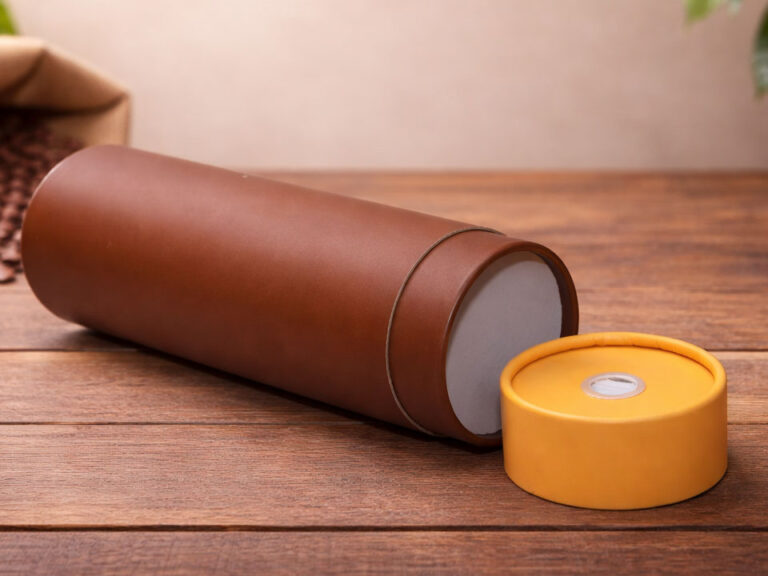
العبوة الأنبوبية الورقية عبارة عن أسطوانة صلبة مصنوعة من ورق مقوى متعدد الطبقات (غالباً ما يكون من ورق الكرافت أو الورق المقوى الرمادي) مع غلاف خارجي لوضع العلامة التجارية. تستخدم معظم التصميمات الغطاء + القاعدة هيكل (غطاء منزلق، أو متداخل، أو محكم الإغلاق). سترى أيضًا ترقيات مثل الأغطية المعدنية، والنوافذ الشفافة، والمقابض، والإدخالات، والإغلاق المقاوم للأطفال حسب الفئة.
التغليف الصديق للبيئة: لماذا يتم اختيار الأنابيب الورقية
“لا يمكن أن تكون ”صديقة للبيئة" مجرد شعور. بل يجب أن تصمد في العمليات الحقيقية: المصانع، ومتعهدي النقل، والأسواق، ورفوف البيع بالتجزئة، والمرتجعات.
عادة ما تفوز الأنابيب الورقية لثلاثة أسباب عملية:
المواد المصنوعة من الألياف تتناسب مع تيارات إعادة التدوير الراسخة أكثر من العديد من العبوات البلاستيكية الثقيلة (لا يزال ذلك يعتمد على القواعد المحلية وطلاء الأنبوب).
الحماية الصلبة يقلل من الأضرار، مما يقلل من عمليات إعادة الشحن والاسترداد (هذه مشكلة استدامة خفية ينساها الناس).
فتح العلبة المميزة يساعد في التحويل لـ DTC والأسواق، حتى لا تتعثر في إضافة صناديق هدايا إضافية في الأعلى.
يُقبل الورق على نطاق واسع في برامج إعادة التدوير (بقواعد محلية)
تقبل معظم البرامج البلدية الورق/الورق المقوى بشكل ما. لكن الكلمة الأساسية هي قواعد البرنامج. إذا أضفت تصفيحًا ثقيلًا أو رقائق معدنية أو أجزاء بلاستيكية لاصقة، فقد تدفع العبوة إلى “سلة المهملات” في بعض المناطق.
يتم إعادة تدوير الألياف الورقية لعدد محدود من المرات (غالبًا ما يُشار إلى حوالي 5-7 دورات)
إعادة التدوير ليست بلا حدود. تقصر الألياف في كل مرة تمر فيها عبر النظام، لذلك لا تزال العلامات التجارية بحاجة إلى بعض اللب البكر في الحلقة العالمية. وهذا أمر طبيعي. الهدف هو الحفاظ على تداول الألياف لأطول فترة ممكنة.
يمكن للبلاستيك أن يستمر لعقود إلى قرون
هذا هو التباين الذي غالباً ما تنقله العلامات التجارية: يمكن أن يدوم البلاستيك لفترة طويلة وقد يتفتت إلى قطع أصغر بدلاً من أن يختفي. لا تحتاج إلى تسويق مخيف هنا. فقط اجعلها واقعية وهادئة.
العبوات الورقية القابلة لإعادة التدوير: ما الذي يتم إعادة تدويره بالفعل
إليك الجزء الذي تتخطاه معظم العلامات التجارية، ثم تندم عليه لاحقاً. إمكانية إعادة التدوير هي مواصفات وليست شعاراً. يمكن أن يبدو أنبوبان متطابقان ويتصرفان بشكل مختلف تمامًا في إعادة التدوير.
الطلاءات والطبقات المركبة تقرر النتيجة
إذا كنت بحاجة إلى حماية الحاجز (الرطوبة والشحوم والأكسجين)، يمكنك إضافة طلاءات أو بطانات. بعضها خفيف وصديق لإعادة التدوير. والبعض الآخر يحول العبوة إلى مركب لا تريده منشآت الفرز.
تبدو النافذة الشفافة رائعة للعرض. كما أنها قد تعقّد عملية إعادة التدوير إذا كانت كبيرة الحجم، أو ملتصقة بقوة، أو مصنوعة من مادة ترفضها البرامج المحلية.
لا يمكنك “إظهار” أداء الحاجز. إذا كان منتجك حساساً، يجب عليك هندسة العبوة.
غالبًا ما يقلل التغليف ذو الحاجز العالي من إمكانية إعادة التدوير
قد تحتاج المكملات الغذائية والمساحيق والشاي والسلع الحساسة للرطوبة إلى ختم وحاجز أفضل. قد يعني ذلك
بطانات داخلية
أوراق مغلفة
تفاوتات أكثر إحكاماً في ملاءمة الغطاء
أدلة التلاعب بالأدلة
تتمثل الخطوة الذكية في تحديد ما يحتاجه منتجك حقًا، ثم اختيار الحل الأخف وزنًا الذي لا يزال يحميه. فالإفراط في البناء يشعرك بالأمان، ولكنه قد يضر بالاستدامة وكفاءة التغليف.
التغليف بالحجم المناسب يقلل من نفايات الشحن
تسمي العلامات التجارية هذا “تحسين المكعبات”. وتسميه شركة 3PL “إيقاف شحن الهواء”. عندما يلائم الأنبوب الخاص بك المنتج بإحكام (ولا يزال يجتاز اختبارات السقوط)، فإنك تقلل من ملء الفراغ وتقلل من مشاكل الوزن البعدي.
تطبيقات تغليف الأنابيب الورقية: حالات الاستخدام في العالم الحقيقي
الأنابيب الورقية ليست فقط “للأشياء الجميلة”. فهي تعمل عندما تطابق البنية مع الوظيفة.
عبوات مستحضرات التجميل
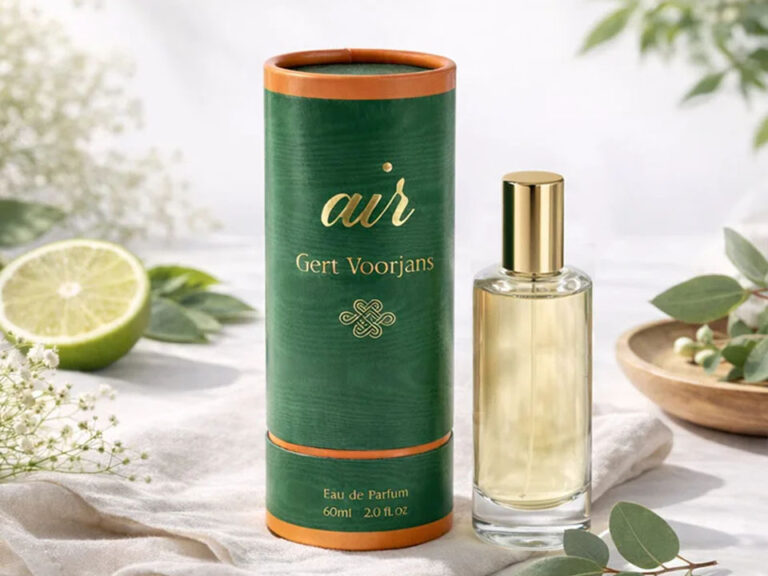
يلاحظ مشترو مستحضرات التجميل الملمس وتفاصيل الطباعة وملمس الإغلاق. توفر الأنابيب ملمسًا يدويًا متميزًا دون الحاجة إلى علب ثقيلة صلبة.
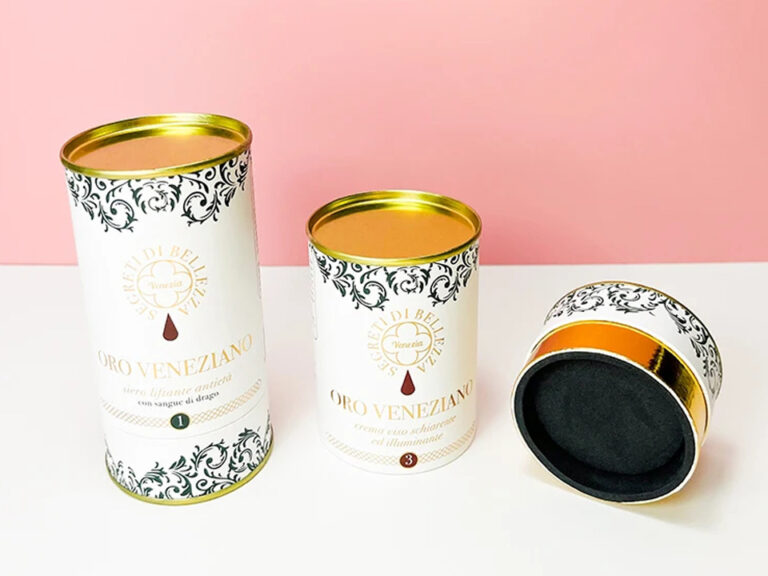
غالبًا ما ترغب العلامات التجارية للشاي في الحصول على قصة “نضارة” بالإضافة إلى مظهر متميز جاهز للهدايا. يمكن أن تعزز الأغطية المعدنية من القيمة المتصورة مع الحفاظ على الهيكل الرئيسي القائم على الألياف.
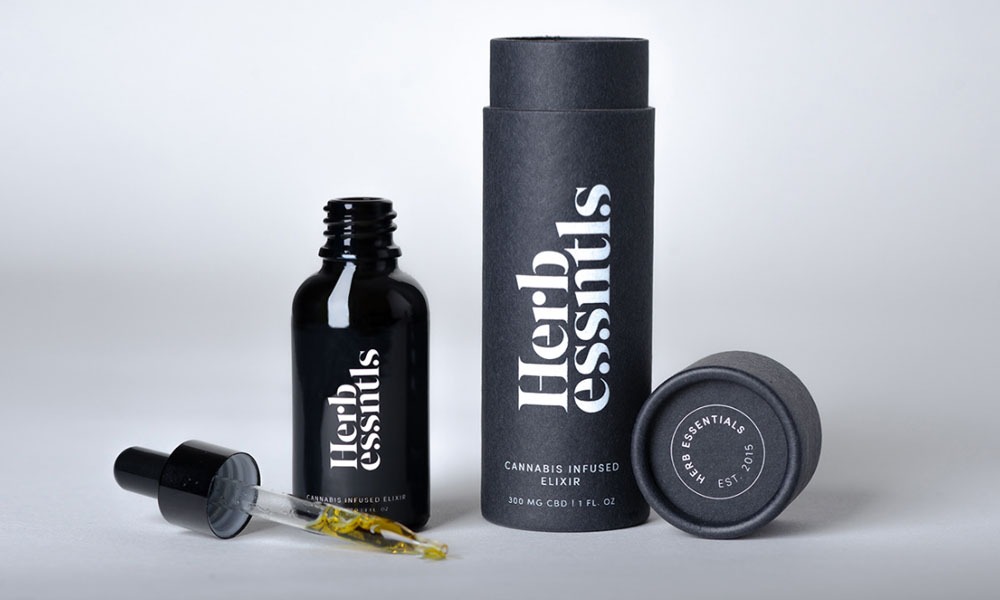
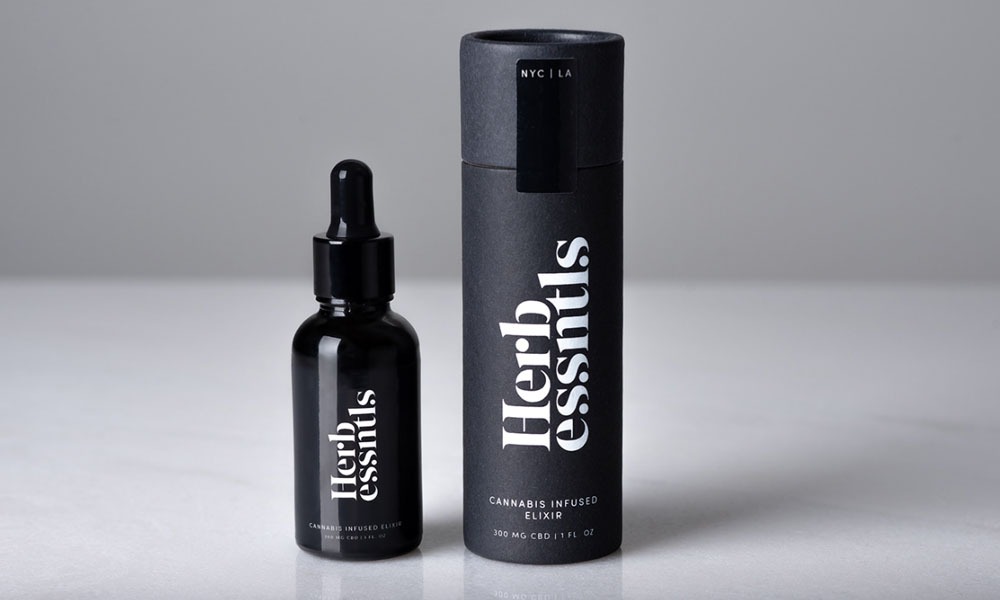
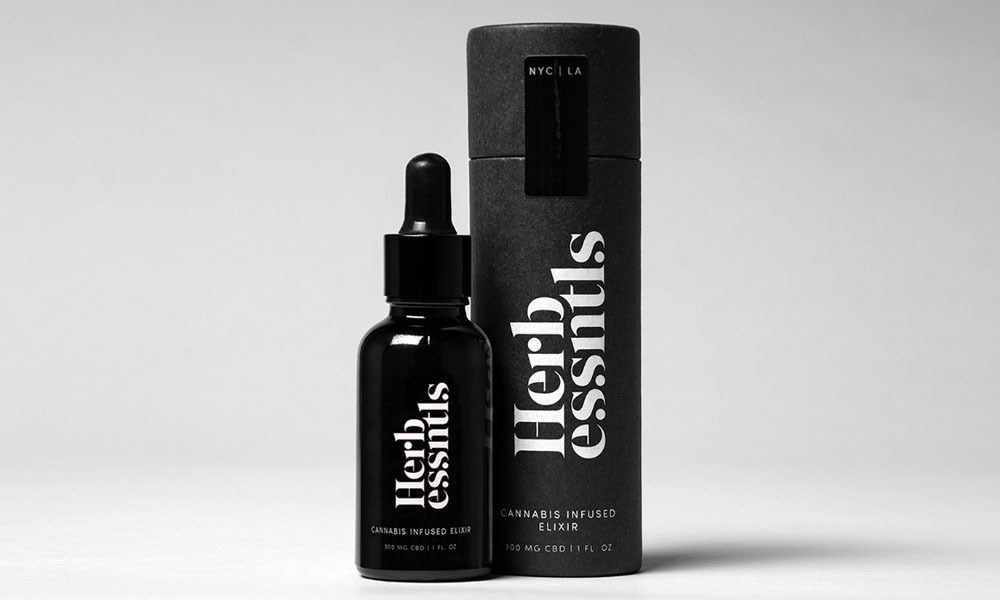
عبوات خرطوشة اتفاقية التنوع البيولوجي وعبوات القنب المقاومة للأطفال
هذا هو المكان الذي يتحول فيه التغليف إلى امتثال. قد تحتاج إلى إغلاق مقاوم للأطفال، ودليل على التلاعب، ومناطق وضع العلامات الدقيقة. يمكن للأنابيب التعامل مع هذه المتطلبات مع الحفاظ على مظهرها النظيف.
إذا كنت مالك علامة تجارية، أو مُصنِّع، أو بائع عبر الحدود، أو موزع، أو وكالة، فأنت عادةً ما تريد ثلاثة أشياء: جودة مستقرة ومخرجات قابلة للتطوير وتكرار سريع.
هذا هو المكان الذي يساعد فيه إنتاج OEM/ODM. يمكنك تثبيت خط الإنتاج والمواد ومعايير الطباعة، ثم تشغيل الطلبات بالجملة مع ضمان جودة ثابت.
يهتم المشترون بالجملة بتناسق التعبئة والتغليف
في الحياة الواقعية، يشتكي المشترون من
الأغطية التي تبدو مختلفة عبر الكثير
انجراف اللون بين الأشواط
الدرزات التي لا تصطف
الصواني الداخلية التي تتحلل أثناء النقل
يمكنك منع معظم ذلك من خلال المواصفات المشددة: مراجع بانتون، وقواعد موضع التماس، وأهداف التفاوت المسموح به، وأخذ العينات قبل الشحن.
يهتم بائعو التجزئة والتجارة الإلكترونية بـ “جاهز للتخزين” + “جاهز للشحن”
البيع بالتجزئة يحتاج إلى عرض نظيف. وتحتاج التجارة الإلكترونية إلى المتانة ومعدلات إرجاع منخفضة. يمكن للأنبوب الورقي القيام بالأمرين معاً إذا اخترت الهيكل المناسب.
إذا كنت تقوم ببناء خط إنتاج يحتوي على وحدات تخزين متعددة، فابدأ بتعيين الأحجام والإغلاق عبر النطاق. فهذا يسهل عملية الشراء ويسرع عملية التجديد.
استخدم هذا كموجز داخلي سريع قبل طلب عروض الأسعار أو العينات.
متطلبات حماية المنتج
هل تحتاج إلى حاجز للرطوبة أو مقاومة الشحوم أو التحكم في الرائحة؟
هل تحتاج إلى غلق محكم أم مجرد حماية من الغبار؟
هل تحتاج إلى دليل تلاعب؟
متطلبات العلامة التجارية والطباعة
CMYK أم بانتون؟
غير لامع أم ناعم الملمس أم لامع؟
ختم الرقائق، النقش، النقش، الأشعة فوق البنفسجية الموضعية؟
الاستيفاء والمتطلبات اللوجستية
هل يناسب مخططك الكرتوني ونمط المنصة النقالة؟
هل يستطيع فريقك تجميعها بسرعة؟
هل يقلل من ملء الفراغ و“هواء الشحن”؟
متطلبات نهاية العمر الافتراضي
هل يمكن للعملاء إعادة تدويرها بسهولة؟
هل تؤدي الإضافات (النوافذ، والبطانات، والأجزاء المعدنية) إلى حدوث ارتباك؟
هل يمكنك طباعة إشارات التخلص البسيطة على العبوة؟
الأسئلة المتداولة حول التغليف الأنبوبي الورقي
هل الأنابيب الورقية قابلة لإعادة التدوير دائمًا؟
لا، فالكثير منها كذلك، لكن الطلاءات والبطانات والتركيبات المركبة الثقيلة يمكن أن تغير النتيجة. إذا كنت ترغب في الريادة في قابلية إعادة التدوير، فحافظ على الهيكل من الألياف أولاً وتجنب المواد التي يصعب فصلها حيثما استطعت.
هل تصلح الأنابيب الورقية للأغذية والمكملات الغذائية؟
نعم، بالمواد والبنية المناسبة. الشاي والمساحيق شائعة. عادةً ما ستحدد المواد الملامسة من الدرجة الغذائية (عند الاقتضاء)، والإغلاق المحكم، وخيارات الحاجز بناءً على حساسية المنتج.