ما زلت لا ترى حل التغليف المناسب؟ تحدث إلى رئيسنا.
إذا كنت قد راجعت موقعنا الإلكتروني أو تحدثت مع المبيعات وما زلت لا ترى مساراً واضحاً، أرسل طلبك هنا. ستنتقل رسالتك مباشرةً إلى مديرنا العام لإجراء مراجعة تنفيذية للجدوى والتكلفة والوقت اللازم. ستحصل على خطوة تالية واضحة - ما يمكننا القيام به، وما نحتاجه منك، وأسرع طريق للحصول على عرض أسعار.
مراجعة جنرال موتورز المباشرة لمواصفاتك وحالة الاستخدام والقيود
فحص الحجم + الهيكل: القطر، والارتفاع، وقوة الجدار، والإدخالات
توصيات الطباعة/الطلاء لمطابقة العلامة التجارية + الميزانية
بدائل خفض التكلفة وخيارات تحسين المهلة الزمنية
وضوح مسار التسعير: موك وخطة أخذ العينات وماذا بعد ذلك
تحدث إلى رئيسنا
احصل على عرض أسعار سريع للتغليف الأنبوبي الورقي المخصص
مصمم لمديري التغليف والمشتريات ومهندسي التغليف. حدِّد الحجم والكمية والتشطيب لتلقي إرشادات بشأن المواصفات والمهلة الزمنية والمواصفات لبرامجنا/برامج الاتحاد الأوروبي.
عندما تقول “طول الأنبوب الورقي”، فإنك تقصد عادةً طول الأنبوب الورقي النهائي القطع إلى الطول لجسم الأنبوب (أو الارتفاع الكلي بمجرد اختيار نمط الغطاء). يبدو هذا الرقم بسيطاً. في الإنتاج الحقيقي، يتصرف كهدف متحرك.
إليك سبب وجوب اهتمامك: ضوابط الطول ملاءمة الغطاء, إدراج التخليص, محاذاة التسمية, وكيف يبدو الأنبوب على الرف. في البيع بالجملة بالجملة، يمكن أن يتحول الانجراف الصغير إلى صداع كبير - بطء التعبئة، وارتفاع تداعيات مراقبة الجودة، وحلقات إعادة العمل المزعجة.
إذا كنت تقوم بتوريد أنابيب مخصصة للبيع بالتجزئة أو للتجزئة أو لتصنيع المعدات الأصلية/التصنيع حسب الطلب، فإن هذا الدليل يعطيك العوامل العملية التي تدفع الطول إلى الطول أو القصر، بالإضافة إلى ما يمكنك فعله للحفاظ على استقرارها. يدير مصنعنا إنتاجًا بكميات كبيرة من خلال ورشة حديثة لتنقية عبوات المواد الغذائية، ومستودع بمساحة 12,300 متر مربع، وطاقة إنتاجية يومية تزيد عن 300,000 قطعة.
للرجوع إليها بسرعة، يمكنك استعراض أنماط الأنابيب في كتالوج المنتجات
طول الأنبوب الورقي
قبل أن ننتقل إلى الأسباب الجذرية، تأكد من أنك ومورّدك تقصدان نفس الشيء:
طول جسم الأنبوب:: ارتفاع أسطوانة الورق المقوى بعد القطع.
الارتفاع الكلي:: جسم الأنبوب + هيكل الغطاء (هيكل أنبوبي + غطاء معدني (سدادة أو تلسكوبي أو غطاء معدني أو غير ذلك).
طريقة الفحص:: كيفية قياس المصنع (التركيبات مقابل الفرجار، النقطة الواحدة مقابل النقاط المتعددة).
إذا لم تقم بإغلاقها، ستحصل على “ناجح” في المصنع و“راسب” في خط التعبئة الخاص بك - لأنك قمت بقياس أشياء مختلفة.
محتوى الرطوبة
الرطوبة هي المحرك الهادئ وراء تغير الطول. يمتص الورق الماء ويطلقه، وهذا يغير الأبعاد.
يشرح منشور إخباري للشركة أن اختلاف محتوى الماء يمكن أن يغير طول الورق، ويمكن أن يؤدي ارتفاع محتوى الماء إلى مزيد من الانكماش بعد الطباعة.
توازن الرطوبة
لا “يبقى الورق في مكانه” بعد الطباعة أو التصفيح مباشرةً. فهو يريد الوصول إلى توازن جديد مع البيئة المحيطة به. إذا كانت منطقة التخزين لديك تتأرجح بين الجفاف والرطوبة، يمكن أن يزحف الأنبوب ببطء أطول أو أقصر بمرور الوقت.
فحص الرطوبة الواردة
إذا كنت تريد مفاجآت أقل، تعامل مع الرطوبة على أنها مواصفات وليس ذبذبات:
اطلب من المورد أن الحالة الورق قبل الطباعة.
أخذ عينات من العلب الكرتونية عند وصولها (IQC) وتخزينها مختومة حتى الاستخدام.
بالنسبة لشحنات التصدير، اطلب التغليف الذي يحد من تبادل الرطوبة أثناء النقل.
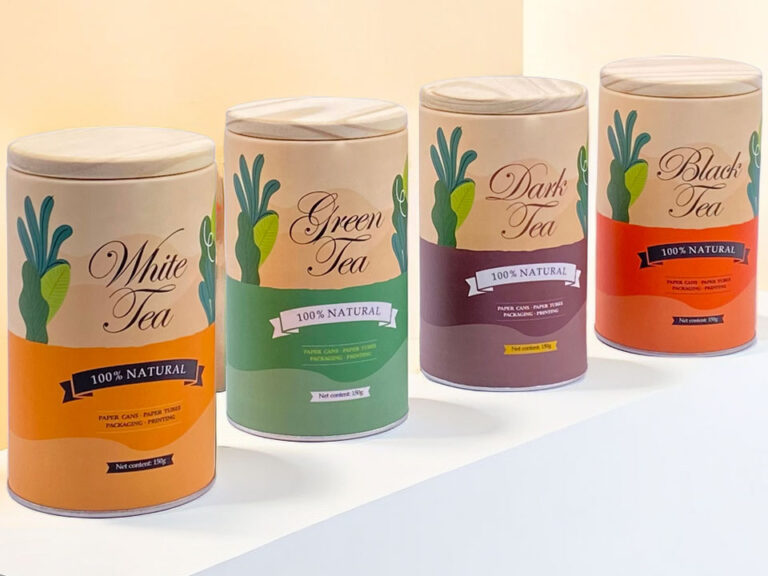
مثال واقعي: غالبًا ما تستخدم عبوات الشاي غلافًا أكثر إحكامًا. إذا كنت تستخدم نمط غلاف صفيحي مثل هذا عبوات أنابيب الشاي الورقية, ، يمكن أن تظهر تقلبات الرطوبة على شكل غطاء يبدو “مشدودًا جدًا اليوم، ومرتخيًا جدًا الأسبوع المقبل”.”
سُمك الورق
يتصرف الورق الأكثر سُمكًا (غرامات أعلى) بشكل مختلف تحت ضغط الطباعة والمعالجة.
تشير كتابة شركتك إلى أنه في ظل الشد نفسه، يمكن أن يظهر الورق السميك انكماشًا أكثر بعد الطباعة، كما أن الرطوبة في الورق السميك مهمة أيضًا.
كمية الورق وانكماش الورق
في المتجر، غالبًا ما يعني المخزون السميك:
المزيد من “الذاكرة” بعد التمدد
حساسية أكثر لظروف التجفيف بعد الحبر/التصفيح
المزيد من الضغط عند التفافه وعلاجه
هذا لا يعني “تجنب الورق السميك”. بل يعني أنه يجب عليك مطابقة السُمك مع قطر الأنبوب، وبناء الجدار، ونمط الإغلاق, ، ثم التحكم في نافذة العملية.
السيناريو العملي: بالنسبة للمنتجات الأثقل مثل المكملات الغذائية، يساعد الهيكل الأكثر ثباتاً. ولكن إذا كنت تقوم بتنسيق واسع الفم مثل هذا تغليف أنبوب ورقي لمسحوق البروتين, وخيارات السُمك والتحكم في العملية أمران مهمان لأن خط التعبئة الخاص بك يحتاج إلى مساحة رأس ثابتة.
توتر الطباعة
يمكن أن يؤدي شد الطباعة إلى تمدد الورق، ثم “يرتد” لاحقًا. هذا الارتداد يمكن أن يجعل الطول النهائي يبدو غير متناسق.
يشرح المنشور الإخباري للشركة نفسها أن الشد الزائد أثناء الطباعة يؤدي إلى تمدد الورق، وبعد إزالة الشد يتراجع الورق.
توتر نظام تغذية الورق
إذا سبق لك أن شاهدت عملاً فنياً “يسير” أو انجراف خط التماس، فغالباً ما يكون الشد جزءاً من القصة. في الأنابيب، يمكن أن تظهر مشاكل الشد على شكل:
تباين الطول بين الدفعات
محاذاة التماس التي تتحول
الملصقات التي لا تهبط في المكان الذي توقعه فريق التصميم الخاص بك
ما يمكنك فعله:
اسأل المورّد الذي تتعامل معه عن كيفية تعيين توتر الشبكة وكيفية التحقق من ذلك.
تأكيد ما إذا كانت تطبع مضمنة مع تشكيل الأنبوب أو في خطوة منفصلة مع وقت المعالجة.
الرطوبة ودرجة الحرارة
حتى إذا كنت تتحكم في الرطوبة في الورق، تظل بيئة الغرفة مهمة. تتغير الرطوبة ودرجة الحرارة:
سرعة التجفيف بعد الطباعة
سلوك معالجة المادة اللاصق
مدى سرعة إعادة توازن الورق بعد القص
ظروف التخزين
عاداتان بسيطتان تقللان من الانجراف:
قم بتخزين الأنابيب في علب كرتونية مغلقة حتى تصبح جاهزاً للتعبئة.
تجنب ترك الأنابيب غير محكمة الإغلاق بالقرب من أبواب الرصيف المفتوحة أو انفجارات التدفئة والتهوية والتكييف المباشرة.
وهذا الأمر مهم للغاية بالنسبة لمستحضرات التجميل الفاخرة حيث يكون “الإحساس” هو الأكثر مبيعاً. تجعل الحافة النظيفة والارتفاع المتناسق العبوة تبدو مقصودة. إذا كنت تنشئ خطاً للعناية بالبشرة بإدخال مريح وحافة نظيفة مثل هذه عبوات أنابيب مستحضرات التجميل, ، يساعدك التحكم البيئي على تجنب الأغطية التي توضع بشكل غير متساوٍ على الرف.
سُمك الجدار
يغير سمك الجدار (عدد الطبقات + الطبقات اللاصقة) من سلوك الأنبوب أثناء المعالجة والقطع. يمكن أن يعني المزيد من الطبقات المزيد من الضغط الداخلي، خاصةً إذا كان الغراء يحمل الرطوبة أو إذا كانت المعالجة سريعة جداً.
سُمك جدار الأنبوب وانكماشه
الواقع الشائع في المتجر:
يمكن للجدار السميك الاحتفاظ بالرطوبة لفترة أطول.
إذا قمت بالقص قبل أن يستقر الهيكل، فسوف تقيس “صحيح” اليوم و“معطلاً” غداً.
إذا كان مشروعك يحتاج إلى أداء مقاوم للأطفال، يصبح بناء الجدار وملاءمته أكثر حساسية لأن الآليات تعتمد على هندسة قابلة للتكرار. على سبيل المثال، في عبوات القنب الأنبوبية الورقية المقاومة للأطفال, يساعد اتساق الطول على الإغلاق بسلاسة بدلاً من الشعور بالشجاعة أو عدم الاتساق.
عرض الورق
يؤثر عرض الورق على كيفية التفاف المادة وتداخلها واستقرارها. إذا انجرف العرض أو تم شقه بشكل غير متناسق، يمكن أن تتغير زاوية الالتفاف ومنطقة التماس، مما قد يؤثر بمهارة على الارتفاع النهائي (خاصةً عند إضافة طبقات الالتفاف والتشذيب).
عرض الورق وثبات أبعاده
إذا كنت تقوم بالتوسع، اسأل عن:
عناصر التحكم في عرض الشق (إجراءات التشغيل الموحدة للمورد)
قواعد التعامل مع تغيير البكرات واللصق
قرار واضح “ماذا يحدث عندما ينحرف العرض” (تعليق/إعادة العمل/إلغاء)
هذه واحدة من تلك التفاصيل المملة التي تحمي هامش ربحك لأنها تبقيك خارج جحيم إعادة التعبئة.
نوع الغراء
المواد اللاصقة لا “تلتصق” فقط. فهي تُدخل الرطوبة وتتقلص أثناء معالجتها وتضبط الصلابة النهائية للأنبوب. يمكن أن تغير أنظمة الغراء المختلفة وأوزان الطبقات كيفية استقرار الأنبوب بعد التشكيل.
المحتوى المائي للمادة اللاصقة
ما يجب مشاهدته:
وقت العلاج قبل التقطيع
تناسق وزن طبقة الطلاء الغراء
التغيرات الموسمية (لأن الغراء والورق يتفاعلان مع الغرفة)
إذا كنت تشحن أغراضًا هشة مثل الخراطيش الزجاجية، فأنت لا تريد أن يستقر الأنبوب لاحقًا ويغير الملاءمة حول الحشوات. عبوات مثل هذه علبة أنبوب ورقي خرطوشة CBD استفد من الطول الثابت بحيث يثبت الملحق المنتج ويمنع الخشخشة.
طريقة القطع
القطع يحول “الأنبوب المتصل” إلى وحدة قابلة للبيع. تظهر حالة الشفرة وإعداد التركيبات والطريقة في نتائج الطول.
قطع المنشار
يمكن للقطع بالمنشار أن يتعامل مع الإنتاجية العالية، ولكنه يحتاج إلى انضباط محكم في الإعداد:
التحكم في تآكل الشفرات
التغذية المستقرة والتثبيت المستقر
إدارة الغبار (بحيث تستقر الأنابيب بالكامل في التركيبات)
قطع النصل
يمكن أن يوفر قطع الشفرة حوافاً نظيفة، ولكنها لا تزال بحاجة إلى:
معايير الحدة
ضغط ثابت
أداة تثبيت تمنع انضغاط الأنبوب أثناء القياس
إذا كان التغليف الخاص بك على شكل هدية (حيث يلاحظ العملاء كل شيء)، تصبح جودة القطع مرئية. فالارتفاع النظيف والمتساوي يُحدث فرقاً كبيراً في العرض التقديمي المتميز مثل هذا تغليف أنبوب المجوهرات والأساور.
التعبئة والتغليف والنقل
حتى عندما يكون الإنتاج مثاليًا، يمكن أن يعبث الشحن بالطول. فالأحمال الضاغطة والكرتون السائب ودورات العبور الطويلة تغير من كيفية توازن الورق.
لفائف التمدد والتعرض للطبقة الخارجية
إذا كانت الكراتين تتنفس أكثر من اللازم، فإن تبادل الرطوبة يتسارع. وفي حالة سحق الكراتين، يمكن أن تصبح الأنابيب بيضاوية الشكل وتختلف في شكلها عند القياس (وهو ما قد يبدو كمشكلة في الطول أثناء مراقبة الجودة الواردة).
وهذا أمر شائع بشكل خاص في العبوات الجاهزة للبيع بالتجزئة المزودة بنوافذ أو مقابض، حيث يضيف التصميم المزيد من القواطع والتعقيدات الهيكلية. على سبيل المثال، هذا تغليف أنبوب ورقي لرباط الشعر تبدو رائعة للعرض، ولكنها تستحق حماية أقوى عند الشحن حتى تصل الأنابيب متناسقة وجاهزة للعرض على الرفوف.
جدول قائمة التحقق من العوامل
فيما يلي عرض عملي “لماذا يحدث ذلك + ما يجب فعله”. تأتي العناصر الثلاثة الأولى مباشرةً من الشرح المنشور للشركة (الرطوبة، وسُمك الورق، والشد) وتعكس إجراءات التحكم كيف يحول مهندسو التغليف عادةً الأفكار إلى مواصفات إنتاج مستقرة.
الكلمة المفتاحية للعامل
ما يفعله في الطول
أين ستلاحظه أولاً
طريقة التحكم التي يمكنك طلبها
المصدر
محتوى الرطوبة
الانكماش أو التمدد بعد الطباعة وبمرور الوقت
تبدو الأغطية غير متناسقة؛ يبدو الارتفاع “غير متناسق” بعد التخزين
يمكن لمزيد من الطبقات أن تحبس الرطوبة وتحرر الضغط لاحقًا
يتغير الطول بعد يوم واحد من القطع
وقت التثبيت قبل القطع؛ قياس التركيبات
إرشادات مهندسي التعبئة والتغليف
نوع الغراء
انكماش المعالجة + تأثير الرطوبة
تغيرات في ملاءمة الإدخال؛ تبدو منطقة التماس أكثر صلابة/أنعم
مواصفات الغراء + التحكم في وزن الطلاء؛ التحقق من المعالجة
إرشادات مهندسي التعبئة والتغليف
طريقة القطع
يؤدي التثبيت والتآكل إلى إجراء تخفيضات متناسقة فوق/دون المستوى
ارتفاع حالات رفض مراقبة الجودة؛ تغيرات في جودة الحواف
قواعد تآكل الشفرات؛ تركيبات الذهاب/عدم الذهاب؛ خطة أخذ العينات
إرشادات مهندسي التعبئة والتغليف
التعبئة والتغليف والنقل
يؤدي الضغط + تبادل الرطوبة إلى تغيير الأبعاد
فشل الفحص الوارد بعد عبور طويل
كرتون قوي، ومنصات نقالة، وتغليف مقاوم للرطوبة
إرشادات مهندسي التعبئة والتغليف
مواصفات تصنيع المعدات الأصلية والبيع بالجملة التي توفر عليك العناء
إذا كنت مالك علامة تجارية أو تاجر تجزئة أو موزع أو بائع عبر الحدود تتوسع بسرعة، فأنت لا تريد أن تجالس التغليف. أنت تريد مواصفات تعمل بشكل نظيف.
إليك ما يجب إرساله للمورد الخاص بك قبل أخذ العينات:
تعريف طول جسم الأنبوب (حيث يبدأ/ينتهي القياس)
تعريف الارتفاع الكلي (في حالة تضمين الأغطية)
نمط الإغلاق وملمس الإغلاق (ضيق / عادي / سهل الفتح)
موضع التماس العمل الفني والانحراف المقبول
طريقة التعبئة والتغليف (حشوة، كيس، بطانة، رغوة)
وضع الشحن وتوقعات التخزين
من جانبنا، يمكنك العمل مباشرةً مع مهندسي التعبئة والتغليف على الهيكل والمواد والتشطيبات والإدخالات والامتثال لأسواق الولايات المتحدة/الاتحاد الأوروبي. هكذا يمكنك تحويل عبارة “أريد أنبوبًا” إلى وحدة تخزين جاهزة للإنتاج لن يشتكي منها فريق التنفيذ لديك.