Still Not Seeing The Right Packaging Solution? Talk to Our Boss.
If you’ve reviewed our website or spoken with sales and still don’t see a clear path, send your request here. Your message goes directly to our General Manager for an executive review of feasibility, cost, and lead time. You’ll get a clear next step—what we can do, what we need from you, and the fastest route to a quote.
Direct GM review of your specs, use case, and constraints
Print/finish recommendations to match brand + budget
Cost-down alternatives and lead-time improvement options
Quote path clarity: MOQ, sampling plan, and what to next
Talk to Our Boss
Get a Fast Quote for Custom Paper Tube Packaging
Built for packaging managers, procurement, and packaging engineers. Specify size, quantity, and finish to receive moq, lead time, and spec guidance for us/eu programs.
Quote-ready customization: diameter, height, wall thickness, inserts, liners, and closures
Comprehensive Guide to Create Cardboard Box Packaging
Table of Contents
If you’ve ever launched a product and watched returns spike because the box arrived crushed, you already know this: packaging isn’t “just a box.” It’s protection, branding, compliance, and ops—rolled into one.
This guide walks you through how to create cardboard box packaging that holds up in shipping, looks sharp on a shelf, and stays friendly for bulk orders (OEM/ODM, wholesale, and repeat runs). I’ll also pull in real packaging formats from our site—especially rigid-style paper tube packaging, which is a cardboard-based option many brands use when they want a premium feel.
Before you touch materials or printing, lock down the job your packaging must do.
Product protection requirements
Ask yourself one blunt question: What’s the worst thing that can happen in transit? Drops, corner impacts, vibration, heat, moisture, compression in cartons—shipping is basically a stress test.
Practical rule: Design for your weakest point, not your best day. If your product has a glass jar, sharp edges, or a heavy core, you’ll need stronger board or better inserts.
Retail display and unboxing requirements
Retail packaging has a different KPI than shipping packaging. You want:
clean edges
consistent color
premium “hand feel”
easy open, easy close (no messy tearing)
This is where rigid-style cardboard packaging shines. For example, premium paper tube formats work well for cosmetics and gift items because they feel sturdy and intentional, not flimsy. See a cosmetics-style tube example here: cosmetics cardboard tube packaging.
Compliance and labeling requirements
If you sell food, supplements, cosmetics, or regulated items, you’ll likely need:
barcode placement that scanners can read fast
mandatory labeling zones
safety messages (and sometimes child-resistant features)
A real example: child-resistant packaging is a common requirement in cannabis packaging. Here’s a matching format: child resistant paper tube packaging.
Corrugated Cardboard Materials
When people say “cardboard box,” they often mean corrugated. Corrugated is the workhorse for shipping because the flute structure adds strength without making the box crazy heavy.
Single wall and double wall corrugated
Single wall works for lighter products and shorter shipping routes.
If you’re dealing with chargebacks and “arrived damaged” claims, don’t jump straight to thicker board. First check your packout (insert fit, void fill, and how the product moves inside the box). That’s usually where the problem starts.
Kraft liner and white liner
Kraft liner looks natural and hides scuffs better.
White liner makes print look cleaner and brighter.
If color accuracy matters (beauty, premium gifts), you’ll usually prefer white liner or a printed wrap.
Recycled content and fiber choices
Recycled content can support sustainability goals, but it can also change stiffness and surface smoothness. If you need crisp printing, talk about liners and coatings early—don’t wait until after the dieline is done.
Box Structure and Dieline
Structure decides how the box behaves in real life: how it stacks, opens, ships, and survives handling.
RSC shipping box
The classic “regular slotted carton.” It’s cheap to ship, easy to tape, and plays nicely with automated packing lines.
Pick it when:
you ship in master cartons
you need stacking strength
you don’t need an “unboxing moment” on every order
Mailer box for ecommerce packaging
Mailer boxes (often tuck-top styles) are popular for DTC because they:
look good without extra wrapping
open cleanly
can include inside print for brand moments
If you run a subscription program, a mailer style also makes kitting faster (less tape, less fuss).
Rigid box alternatives: paper tube packaging
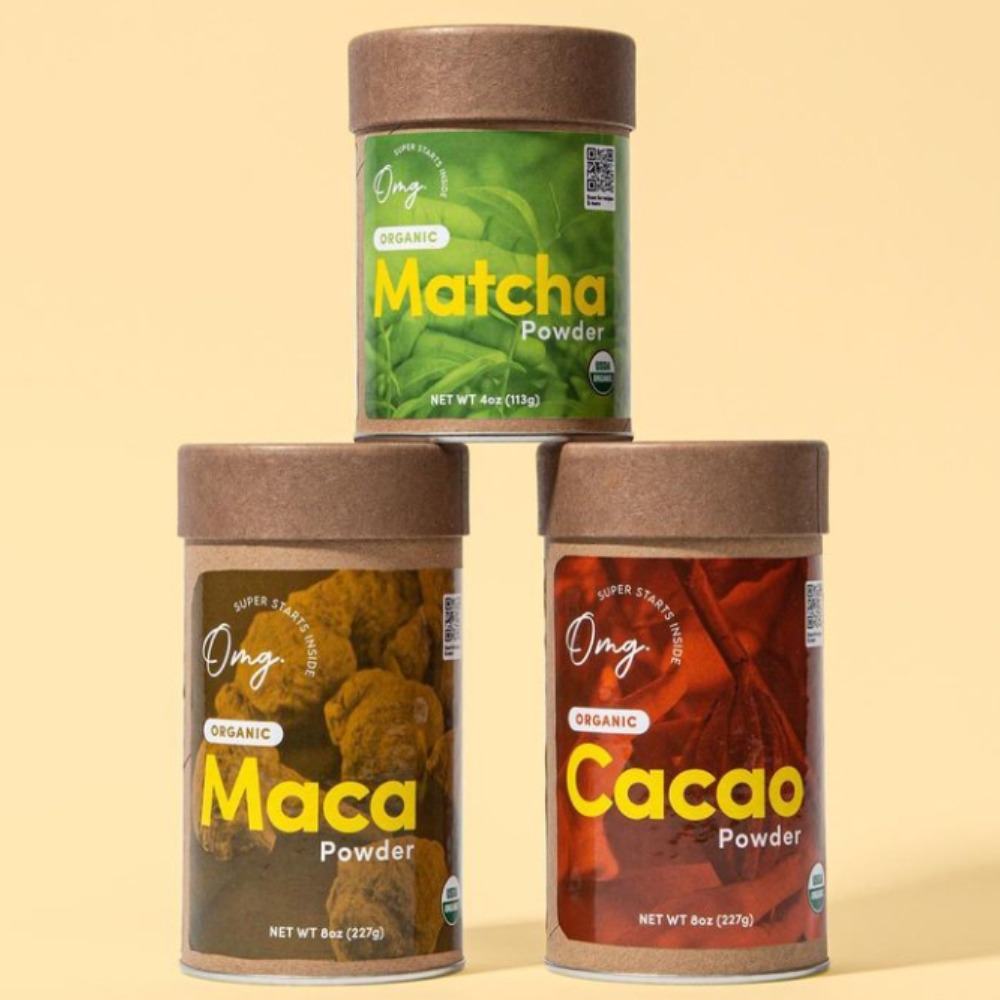
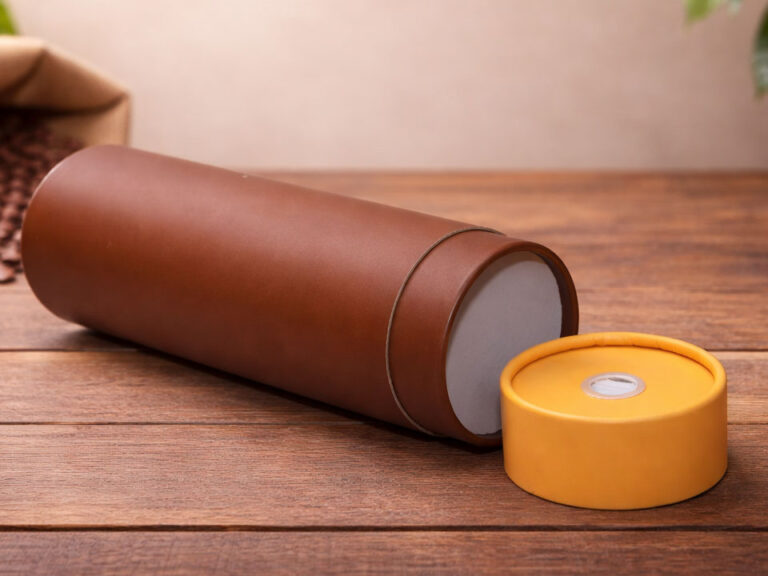
If you want premium without fragile corners, cardboard tube packaging is a smart option. It’s rigid, shelf-ready, and feels like a gift by default.
If you sell a product that people gift, display on a vanity, or keep on a counter, rigid tube packaging can quietly lift perceived value.
Custom Box Printing and Packaging Finish
Printing sells the first impression. Finish sells the second.
CMYK printing and Pantone color matching
CMYK fits full-color artwork and photos.
Pantone matching helps when your brand color must look consistent across batches.
If you’ve ever had “same file, different color” across suppliers, you already know why this matters. Call out color expectations up front (including acceptable tolerance) and approve a physical proof when possible.
Lamination, matte finish, and soft touch
Finishes change how scuff-resistant your box is and how premium it feels in hand.
Packaging finish
What it feels like
Best use cases
Common risk if misused
Matte lamination
smooth, modern
beauty, lifestyle, gifting
can show rub marks if handled rough
Gloss lamination
shiny, punchy
bold retail, bright graphics
fingerprints show easily
Soft touch lamination
“velvety” premium
luxury, high AOV products
can scratch if abused
Spot UV
contrast + highlights
logos, patterns
looks messy if registration is off
Foil stamping
premium shine
gift, jewelry, special editions
overuse can feel tacky
Source: packaging production practice (print + finishing workflows); use cases align with premium rigid examples on our catalog page.
Packaging Inserts and Fitment
Inserts do two jobs: stop movement and upgrade presentation.
Protective inserts
You can use:
folded paperboard inserts (clean and recyclable)
molded pulp (eco-friendly and shock-absorbing)
foam (strong protection, but harder for sustainability claims)
Ops tip: if your fulfillment team complains about slow packing, your insert design is probably too “fussy.” A good insert should be hard to assemble wrong.
Fit tolerance and the “shake test”
Do this before mass production:
put product in the box
close it
shake it like a delivery van hit a pothole
If you hear movement, you’ll likely see damage later.
A nice example of packaging that often benefits from fit control is personal care or accessory packaging—especially when you add windows, handles, or display features. See a window + handle style here: hair band tube packaging.
Ecommerce Packaging and Shipping Workflow
This is where brands win or bleed margin.
Right-sizing to reduce dimensional penalties
Carriers price many shipments by size, not weight. When your box is bigger than it needs to be, you pay for air. That’s why right-sizing and tight packout matter.
Practical move: design packaging around your fulfillment carton size strategy (single item, bundles, subscription kits). Don’t design a box that forces your warehouse to “make it work” with extra void fill.
Barcodes, kitting, and pack speed
If you sell on marketplaces or manage multiple SKUs, bake in:
barcode zones
batch/lot label space (if needed)
predictable open/close so packers don’t fight the box
In other words, don’t make your packaging a daily micro-problem for ops.
Sustainable Packaging and Recyclable Packaging
Sustainability sells when it’s real and easy to understand.
Use mono-material packaging where possible
If the box is mostly paper-based, recycling is straightforward. Problems show up when you mix too many materials (plastic windows, heavy foils everywhere, messy coatings).
If sustainability is part of your brand story, aim for:
paper-based structure
minimal mixed materials
simple consumer disposal instructions
Recyclable packaging that still looks premium
You don’t need loud “eco” messaging. Many brands win by making it feel premium first, then letting sustainability be a bonus. Rigid paper tube packaging often plays well here because it’s cardboard-based and reusable in real life (people keep it for storage).
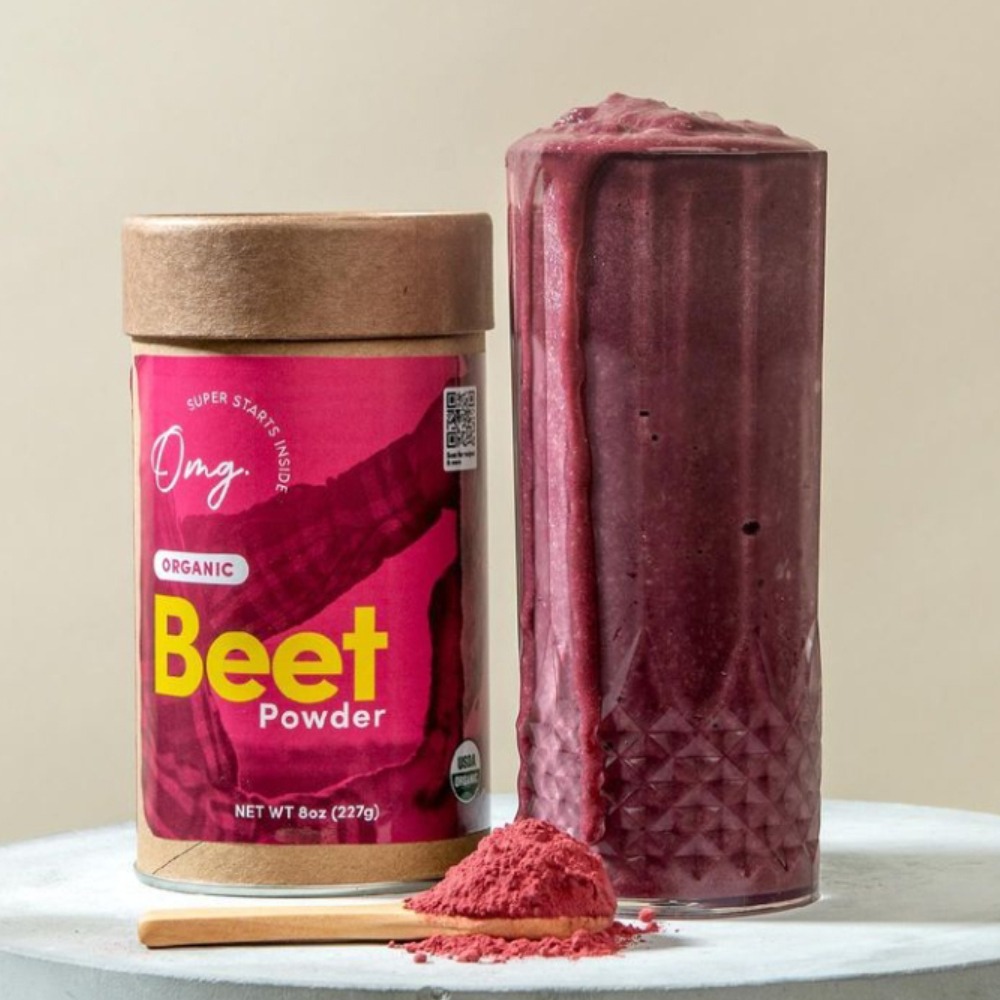
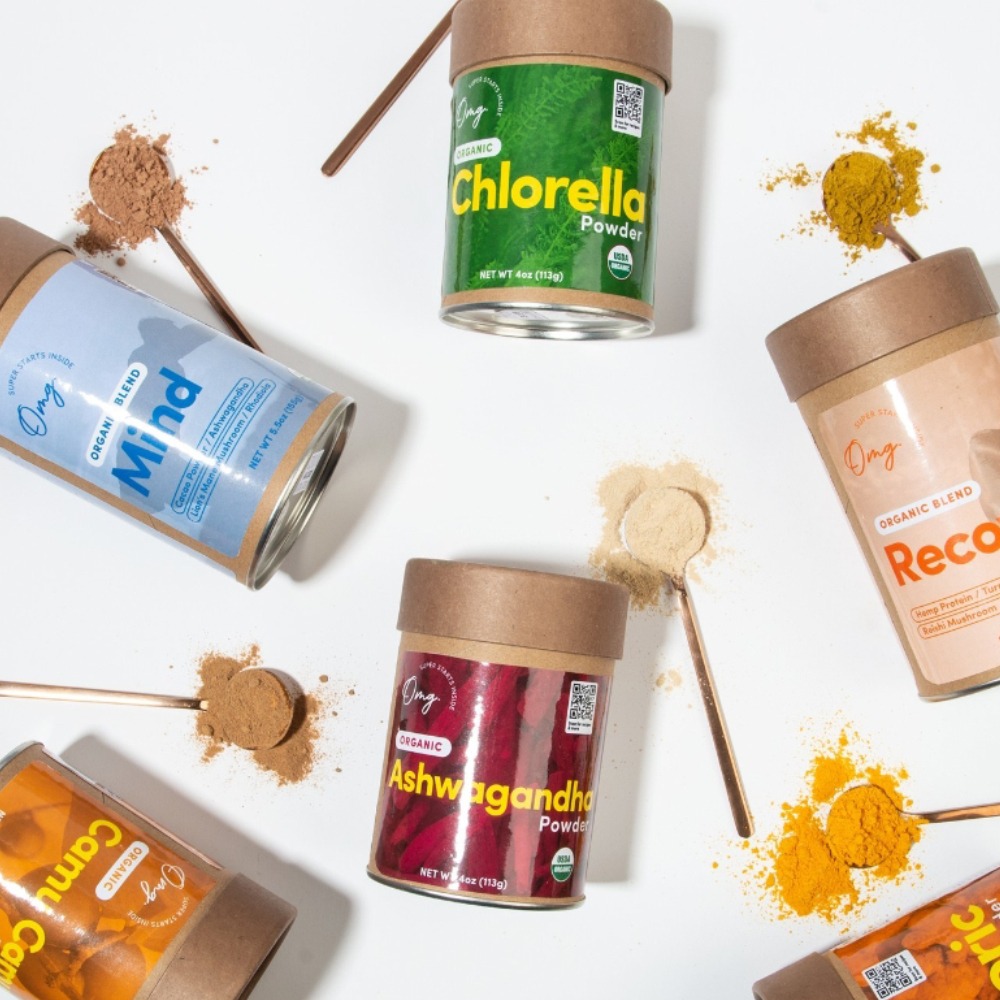
For instance, supplements and protein powders often use rigid tubes to feel sturdy and clean: protein powder packaging tube.
OEM/ODM Packaging and Bulk Wholesale Orders
If you plan repeat orders, don’t treat your first run like a one-off.
insert requirements (recyclable vs max protection)
Quality control that protects your brand
A solid QC plan checks:
dieline accuracy (fit + close)
print alignment (registration)
color consistency
glue strength and seam quality
scuff resistance for your shipping reality
If you’re scaling, QC isn’t “extra.” It’s how you avoid a whole batch that looks off.
Spec table you can copy into your RFQ
Spec item
What to define
Why it matters
Box style
mailer / shipping carton / rigid / tube
affects cost, shipping, and unboxing
Material
corrugated / rigid board / paper tube
decides strength + print surface
Insert type
paperboard / pulp / foam / none
reduces damage + improves presentation
Printing
CMYK / Pantone
brand consistency across runs
Finish
matte / gloss / soft touch / spot UV / foil
feel + scuff resistance
Packing method
flat pack / assembled
affects warehouse handling
Source: standard RFQ fields used in custom packaging manufacturing; supported by the variety of structures shown in our product catalog.
Final thought: build packaging that sells and ships
The best cardboard box packaging does three things at once:
survives shipping (so returns don’t eat your margin)
looks like your brand (so customers trust you instantly)
runs smoothly in ops (so your team can scale without chaos)
If you want inspiration across different industries—beauty, food, gifts, and regulated categories—browse the custom packaging products page and pick the structure that matches your sales channel.