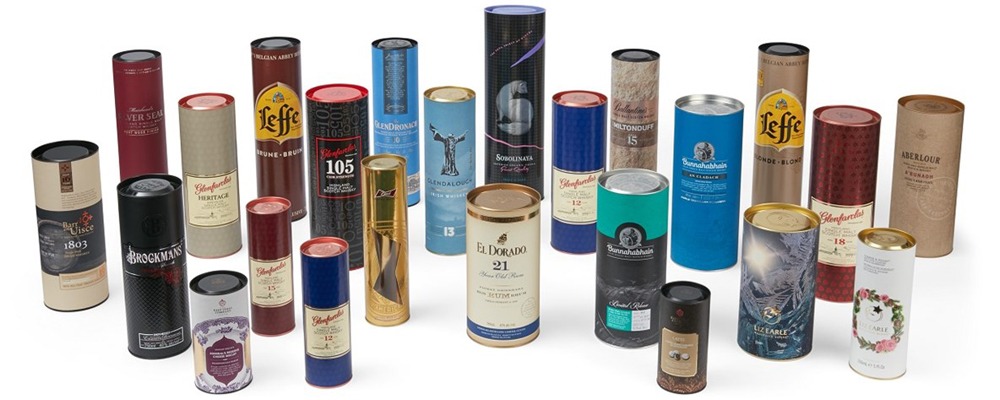
Sie sehen noch nicht die richtige Verpackungslösung? Sprechen Sie mit unserem Chef.
Wenn Sie sich unsere Website angesehen oder mit dem Vertrieb gesprochen haben und immer noch keinen klaren Weg sehen, senden Sie Ihre Anfrage hier. Ihre Nachricht wird direkt an unseren General Manager weitergeleitet, der die Machbarkeit, die Kosten und die Vorlaufzeit prüft. Sie erhalten einen klaren Hinweis auf den nächsten Schritt - was wir tun können, was wir von Ihnen benötigen und wie Sie am schnellsten zu einem Angebot kommen.
Direkte GM-Prüfung Ihrer Spezifikationen, Ihres Anwendungsfalls und Ihrer Beschränkungen
Kontrolle von Größe und Struktur: Durchmesser, Höhe, Wandstärke, Einsätze
Druck- und Veredelungsempfehlungen passend zu Marke und Budget
Alternativen zur Kostensenkung und zur Verbesserung der Durchlaufzeit
Klarheit über den Angebotsweg: MOQ, Stichprobenplan und das weitere Vorgehen
Sprechen Sie mit unserem Chef
Erhalten Sie ein schnelles Angebot für individuelle Papierröhrenverpackungen
Entwickelt für Verpackungsmanager, Einkäufer und Verpackungsingenieure. Geben Sie Größe, Menge und Ausführung an, um Preis, Vorlaufzeit und Spezifikationsanweisungen für us/eu-Programme zu erhalten.
Angebotserstellung nach Maß: Durchmesser, Höhe, Wandstärke, Einsätze, Einlagen und Verschlüsse
Wenn Sie jemals eine Papiertube geöffnet haben und dachten “schön”, dann haben Sie nicht auf die Zylinderform reagiert. Sie haben auf die Passform, den Druck, das Gefühl und die Sauberkeit der gesamten Verpackung reagiert. Hochwertige Papiertuben sind kein Zufallsprodukt. Sie sind das Ergebnis strenger Spezifikationen, einer zweckmäßigen Struktur und einer Fabrik, die eine stabile Massenproduktion ohne Qualitätsschwankungen durchführen kann.
Das ist umso wichtiger, wenn Sie in großen Mengen für Einzelhandelsregale, Amazon FBA oder Vertriebskanäle einkaufen. Eine schwache Charge kann zu Dellen, verkratzten Grafiken und Rückgabeforderungen führen.
Wenn Sie sich schnell einen Überblick über die verschiedenen Rohrtypen und Anwendungsfälle verschaffen wollen, beginnen Sie hier mit dem Hauptkatalog: Top Custom Paper Tube Boxen Hersteller.
Wenn Menschen von “hochwertigen Papierhülsen” sprechen, meinen sie in der Regel eines: Sie sehen teuer aus und fühlen sich konsistent an. Das ist nur möglich, wenn Ihr Lieferant die langweiligen Details - Toleranzen, Ausrichtung und Endbearbeitung - maßstabsgetreu kontrollieren kann.
Größenanpassung und -toleranz
Eine Papierhülse muss das Produkt “umarmen”. Ist sie zu locker, klappert das Produkt. Ist sie zu fest, kommt es zu eingeklemmten Beilagen, geteilten Kanten oder langsamen Verpackungslinien.
Hier machen Ihnen erfahrene OEM/ODM-Verpackungsteams das Leben leichter. Sie sprechen in Diagrammen, Toleranzen und Verpackungsabläufen, nicht nur in “Durchmesser und Höhe”. Wenn Sie ein Multi-SKU-Set zusammenstellen (verschiedene Größen, gleiches visuelles System), ist dies sogar noch wichtiger, denn Sie möchten, dass Ihr Sortiment im Regal einheitlich aussieht.
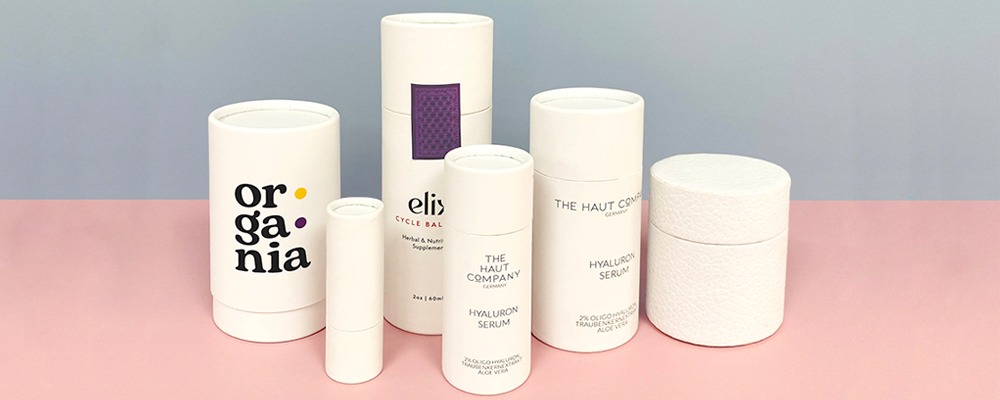
Ein gutes Beispiel für eine spezifizierbare Präsentation sind Kosmetikverpackungen, bei denen die Tube eine saubere Druckregistrierung und ein einheitliches Verschlussgefühl aufweisen muss: kundenspezifische Kosmetikhülsen aus Karton.
Druck und Veredelung
Drucken ist nicht nur “schön machen”. Druck ist das Signal für Ihr Regal. Wenn Ihr CMYK-Druck matschig aussieht, wirkt Ihre Marke minderwertig. Wenn Ihre Folienprägung falsch ausgerichtet ist, merken das die Kunden.
Hochwertige Papierhülsen unterstützen stabile Veredelungsoptionen wie matte/glänzende Laminierung, Heißfolie, Prägung/Entprägung und kantenscharfe Umhüllung - besonders wichtig für Premiumkategorien wie Kosmetik, Schmuck und Geschenksets.
Eine Tube, die für Tee geeignet ist, kann bei Proteinpulver versagen. Eine Tube, in der Kosmetika verkauft werden, kann bei ölhaltigen Produkten nicht gut ankommen. Der Begriff “zweckbestimmt” klingt offensichtlich, aber die Käufer übersehen ihn immer wieder und geben dann dem Versand die Schuld.
Barriereauskleidung und Versiegelung
Wenn Sie trockene Waren (Tee, Kaffee, Pulver) verpacken, haben Sie mit Feuchtigkeit, Geruch und Klumpenbildung zu kämpfen. Eine speziell angefertigte Papiertube verwendet oft eine Barrierestruktur und ein dichteres Deckelsystem, um diese Probleme zu verringern.
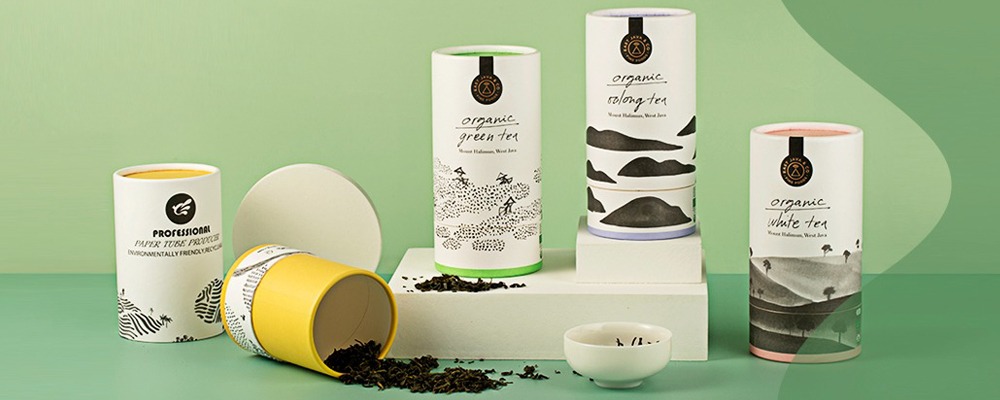
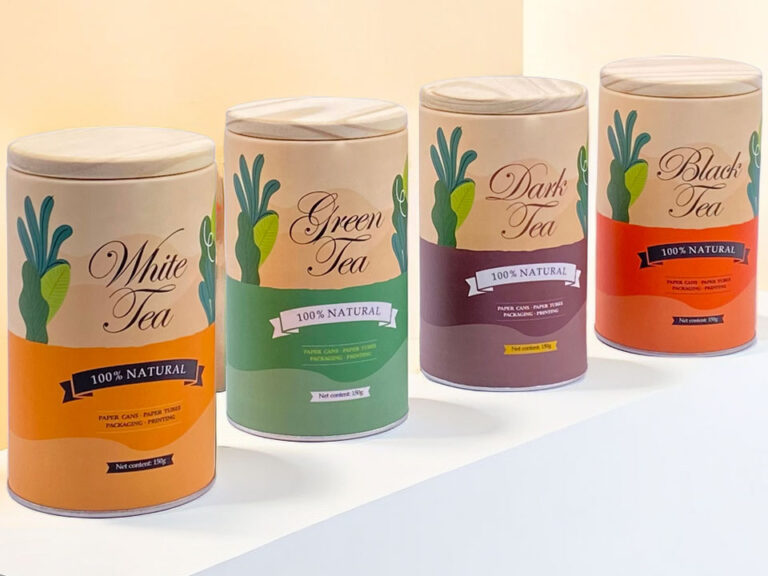
Die Verpackung von Tee ist eine klassische Kategorie, bei der der Zweck im Vordergrund steht, da das Aroma wichtig ist und die Verbraucher ein sauberes, lebensmitteltaugliches Erlebnis erwarten. Hier ist eine relevante Struktur-Referenz: Kraftpapierschachteln für Teeverpackungen mit Weißblechdeckel.
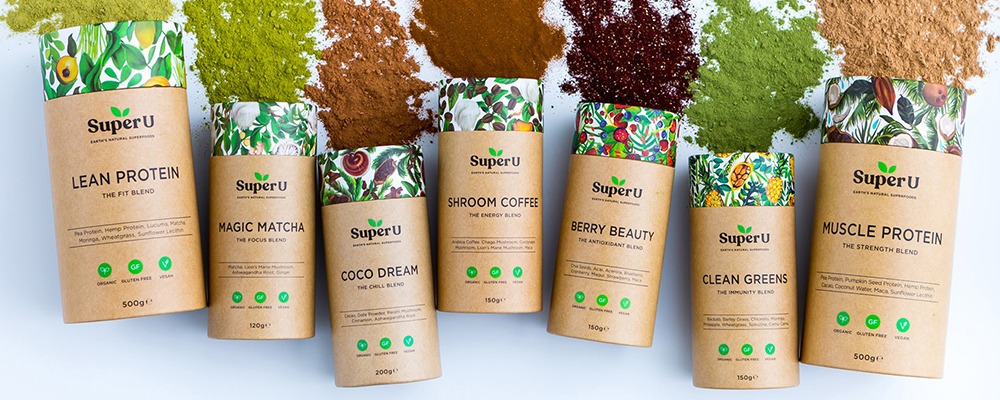
Eiweißpulver ist ein weiteres Beispiel. Die Leute schütteln die Becher während des Transports, und das feine Pulver findet jede noch so kleine Lücke. Wenn die Passform des Verschlusses und die innere Struktur nicht stimmen, kommt es zu Verschmutzungen in den Kartons und zu unordentlichem Auspacken. Dieses Produktszenario passt gut zueinander: Karton-Zylinderbox für Proteinpulververpackungen.
Details für Fenster, Griffe und Verkaufsdisplays
Einige Produkte gewinnen, weil der Kunde siehe sie. Andere gewinnen, weil der Rucksack leicht zu tragen oder aufzuhängen ist. Das ist immer noch “Zweck”, nur mit Blick auf das Verhalten im Einzelhandel.
Wenn Sie Kartons im Großhandel versenden, kennen Sie die Probleme bereits: Stapeldruck, Eckstöße und lange Strecken, auf denen “zerbrechliche” Etiketten nicht viel bedeuten. Eine hochwertige Papierhülse macht sich hier bezahlt, denn die zylindrische Struktur ist von Natur aus widerstandsfähiger als viele Faltschachteln - wenn der Wandaufbau und die Klebstoffkontrolle stimmen.
Wanddicke und Wicklungsstruktur
Die meisten stabilen Tuben sind aus mehrlagiger Pappe gewickelt. Mehr Lagen und eine bessere Verklebung erhöhen die Steifigkeit und tragen dazu bei, dass die Hülse zurückfedert, anstatt eingedrückt zu bleiben.
Dies ist wichtig für schwerere Füllgüter wie Nahrungsergänzungsmittel oder dichte Pulver, bei denen die Tube sowohl das Produkt als auch das Markenbild durch raue Handhabung schützen muss. Ein Beispiel für ein solides Szenario ist dies: Umweltfreundliche Papierröhre für Proteinpulververpackungen.
Sturz, Abnutzung und Transit Realität
Die Kompression ist nicht der einzige Feind. Kratzer zerstören schnell die hochwertige Wahrnehmung. Wenn Ihre Tuben in einem Originalkarton reiben, brauchen Sie einen Oberflächenschutz (z. B. eine Laminierung), der dafür sorgt, dass die Druckvorlagen frisch aussehen, wenn sie in einem Auslieferungslager landen.
Wenn Sie Schönheits- oder Körperpflegeprodukte verkaufen, wirkt sich dieser Moment des “perfekten Eintreffens” direkt auf die Bewertungen aus. Ein bedrucktes Äußeres und ein sauberes Inneres schaffen Vertrauen, insbesondere bei Nachbestellungen. Eine gute Referenz für den Druck ist: beidseitig bedruckte Haar-Haut-Nägel-Tubenverpackung.
Papierhülsen für vielfältige Verwendungszwecke
Menschen behalten Verpackungen, wenn sie sich nützlich fühlen. Das ist kein netter Bonus. Es ist kostenlose Markenwerbung, die auf einem Schreibtisch, einer Kommode oder einem Küchenregal steht.
Unboxing Wert und Keepsake Verpackung
Eine Tube kann zur Aufbewahrung von Schmuck, Kabeln, Teebeuteln oder kleinen Kosmetika dienen. Dieses “zweite Leben” gibt dem Käufer das Gefühl, dass er nicht nur für einen Behälter bezahlt hat.
Schmuckmarken nutzen dies ständig, weil die Tube Teil des Geschenks wird. Wenn der Verschluss glatt ist und die Oberfläche sauber aussieht, verwenden die Kunden sie ohne nachzudenken wieder: Schmuck und Armband Papierröhre mit Seidenschleifenknoten.
Markenkonsistenz über SKUs hinweg
Für Markeninhaber und grenzüberschreitende Verkäufer sind Mehrwegverpackungen auch bei der SKU-Architektur hilfreich. Sie können die gleiche Röhren-“Plattform” beibehalten und das Artwork, die Etiketten oder die Einsätze austauschen, um saisonale Angebote zu unterstützen, ohne die gesamte Verpackung neu erfinden zu müssen.
Das ist ein praktischer Gewinn für OEM/ODM-Workflows: weniger Verpackungsvariablen, reibungslosere Produktion, weniger Reibungsverluste bei der Qualitätskontrolle.
Biologisch abbaubare Papierhülsen
Kunden und Einzelhändler drängen auf bessere Materialien, aber sie hassen auch schwache Verpackungen. Eine biologisch abbaubare Papiertube muss beides leisten: die Abhängigkeit von Plastik verringern und das Produkt in der gesamten Lieferkette zu schützen.
Faserbasierte Materialien und recyclingfreundlicher Aufbau
Papierhülsen aus Pappe und Kraftstoffen können besser mit den Erwartungen an das Recycling übereinstimmen, insbesondere wenn Sie unnötige Mischmaterialien vermeiden. Einkäufer in den Bereichen Clean Beauty, Naturkost und Wellness fragen in der Regel frühzeitig danach.
Konformitätsbedingte Schließungen und Sicherheitsanforderungen
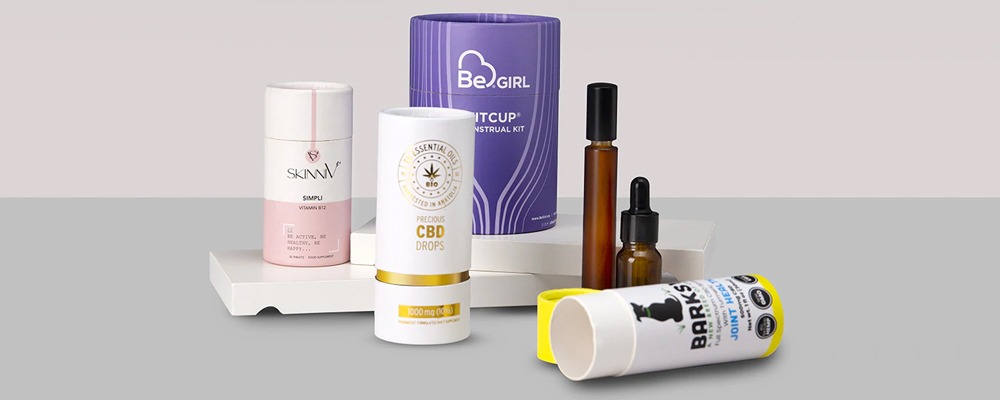
Einige Kategorien erfordern mehr als “Öko”. Sie brauchen ein Sicherheitsdesign, wie kindersichere Verschlüsse für regulierte Märkte. Auch wenn Sie nur der Verpackungseinkäufer für eine Marke sind, müssen Sie sich Gedanken darüber machen, wie sich der Verschluss in der Praxis verhält.
Beschreiben Sie Ihr Produkt und Ihren Verpackungsablauf; fragen Sie nach einer empfohlenen Struktur
Haltbarkeit der Oberfläche
reduziert Kratzer in Kartons und bei der Handhabung im Lager
Fragen Sie, welche Lacke am besten gegen Abrieb und Fingerabdrücke schützen
Skalierbarkeit und Vorlaufzeitstabilität
hilft Ihnen, Fehlbestände bei Sonderangeboten zu vermeiden
Bestätigung des Fabrikdurchsatzes und der QC-Besetzung während der Hochsaison
Wo diese Funktionen in echten Vertriebskanälen auftauchen
Wenn Sie über Distributoren verkaufen, sind Ihnen die “Schadensquote” und das “regalfertige Aussehen” wichtig. Beim DTC-Verkauf geht es um Unboxing und Nachbestellungen. Wenn Sie Amazon betreiben, kümmern Sie sich um Transitmissbrauch und Compliance-Kopfschmerzen.
Aus diesem Grund investieren Hersteller, die sich auf den Großhandel mit maßgeschneiderten Produkten und Großmengen konzentrieren, in der Regel in Produktionskontrolle und saubere Verpackungsumgebungen. Wenn Sie täglich große Mengen produzieren, eine moderne Werkstatt für die Reinigung von Lebensmittelverpackungen betreiben und den Bestand in einem großen Lager unterbringen können, sind Sie in der Lage, eine kontinuierliche OEM/ODM-Produktion für Einzelhändler, Markeninhaber, grenzüberschreitende Verkäufer und Agenturen zu gewährleisten, ohne dass die Qualität zwischen den Chargen schwankt.
Für kategoriespezifische Rohrleitungen decken diese internen Referenzen ein breites Spektrum an realen Anwendungsfällen ab: