Sie sehen noch nicht die richtige Verpackungslösung? Sprechen Sie mit unserem Chef.
Wenn Sie sich unsere Website angesehen oder mit dem Vertrieb gesprochen haben und immer noch keinen klaren Weg sehen, senden Sie Ihre Anfrage hier. Ihre Nachricht wird direkt an unseren General Manager weitergeleitet, der die Machbarkeit, die Kosten und die Vorlaufzeit prüft. Sie erhalten einen klaren Hinweis auf den nächsten Schritt - was wir tun können, was wir von Ihnen benötigen und wie Sie am schnellsten zu einem Angebot kommen.
Direkte GM-Prüfung Ihrer Spezifikationen, Ihres Anwendungsfalls und Ihrer Beschränkungen
Kontrolle von Größe und Struktur: Durchmesser, Höhe, Wandstärke, Einsätze
Druck- und Veredelungsempfehlungen passend zu Marke und Budget
Alternativen zur Kostensenkung und zur Verbesserung der Durchlaufzeit
Klarheit über den Angebotsweg: MOQ, Stichprobenplan und das weitere Vorgehen
Sprechen Sie mit unserem Chef
Erhalten Sie ein schnelles Angebot für individuelle Papierröhrenverpackungen
Entwickelt für Verpackungsmanager, Einkäufer und Verpackungsingenieure. Geben Sie Größe, Menge und Ausführung an, um Preis, Vorlaufzeit und Spezifikationsanweisungen für us/eu-Programme zu erhalten.
Angebotserstellung nach Maß: Durchmesser, Höhe, Wandstärke, Einsätze, Einlagen und Verschlüsse
Eine praktische Anleitung zur Herstellung luftdichter Papierröhren
Inhaltsübersicht
Wenn Sie Puder, Tee, Kaffee, CBD, Kosmetika oder irgendetwas Geruchsempfindliches verkaufen, kann ein schlechtes Siegel schnell zum Schneeball werden. Feuchtigkeit schleicht sich ein. Aroma entweicht. Das Produkt verklumpt. Etiketten werden beanstandet. Rücksendungen häufen sich.
Die gute Nachricht: Sie können eine Papierhülse bauen, die dicht schließt und den Versand übersteht. Man muss sie nur so konstruieren, wie es Verpackungsingenieure tun: Man muss mit dem Dichtungssystem beginnen, nicht mit der Papierstärke.
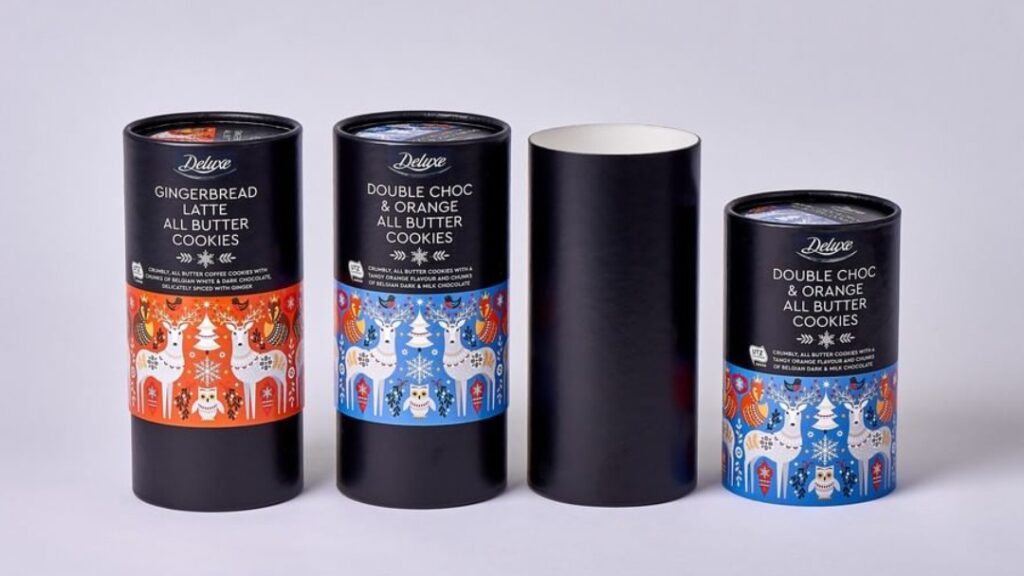
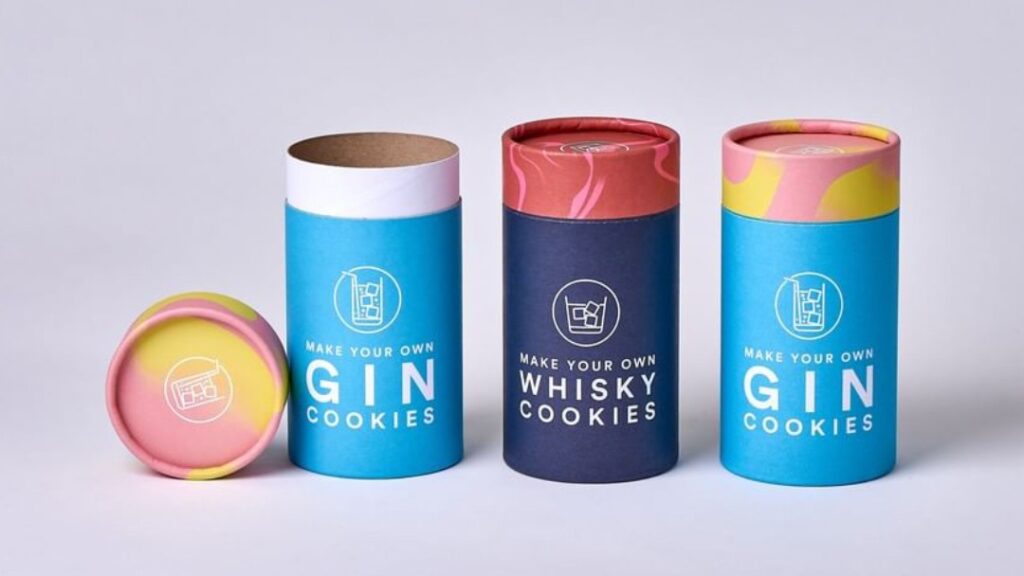
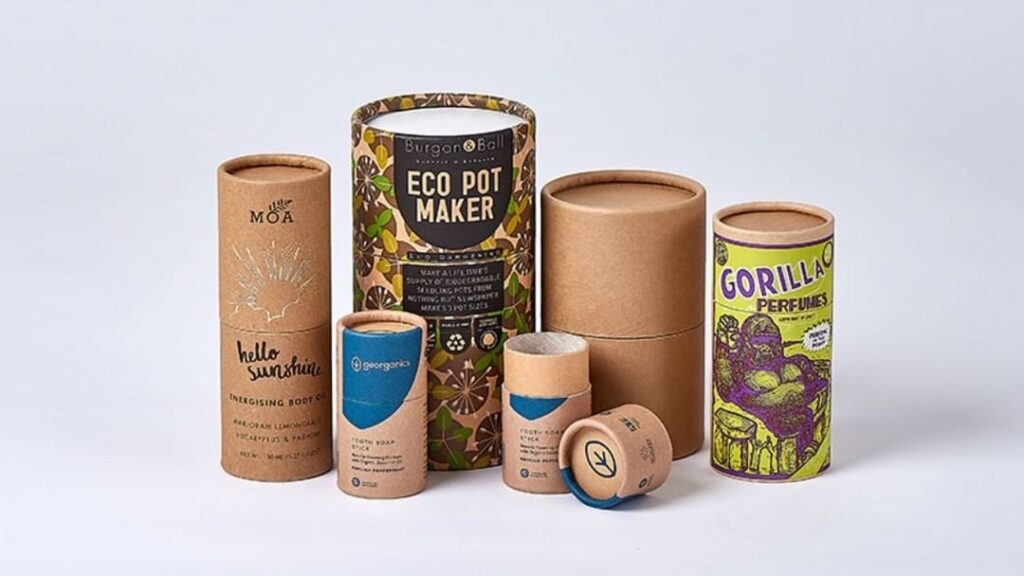
Sie werden auch Beispiele aus der Praxis sehen, die von einem Top Custom Paper Tube Boxen Hersteller sowie praktische Optionen für den Großhandel, OEM/ODM und Private-Label-Teams.
Grundlagen der luftdichten Papiertuben: Eindringen von Sauerstoff und Feuchtigkeit
“Luftdicht” bedeutet in der Regel, dass Sie die zwei Feinde:
Eindringen von Sauerstoff (Oxidation, Geschmacksverlust, Ranzigkeit des Öls)
Übertragung von Wasserdampf (Anbackungen, Klebrigkeit, Schimmelgefahr)
Papier allein wird nicht beides blockieren. Ihre Dichtungsleistung kommt von einer Barrierestapel:
Innere Barriere (Liner/Film/Folie)
Randversiegelung (Heißsiegelung, Folienversiegelung oder Druckversiegelung)
Stellen Sie sich das wie einen Regenmantel vor. Der Stoff ist wichtig, aber der Reißverschluss ist der Ort, an dem Lecks entstehen.
Enddichtungssystem: wo Lecks tatsächlich entstehen
Die meisten Lecks kommen von der Rohrmündung und Boden, nicht die Seitenwand. Sie können den ganzen Tag Papier wickeln und trotzdem versagen, wenn die Felge Mikrospalte hat.
Felgenabdichtung und Leckagepfade
Übliche Leckagepfade sehen langweilig aus, aber sie tun weh:
Winzige Felgenbeulen vom Transport
Ungleichmäßige Leimfuge oder verzogene Papierkante
Lose Passung zwischen Innenstecker und ID (Innendurchmesser)
Kappe, die sich “geschlossen anfühlt”, aber nie eine Dichtung zusammendrückt
Wenn man die Felge repariert, wird der Rest einfacher.
Bodenversiegelung und Nahtintegrität
Auch der Boden kann undicht werden, vor allem, wenn das Produkt während des Transports wackelt und Luft durch schwache Verbindungen “pumpt”. Eine dichte Bodenkonstruktion und eine innere Barriere verringern diesen Pumpeffekt und tragen dazu bei, dass das Produkt Falltests übersteht.
Vollendete Heißsiegelung für luftdichte Papierhülsen
Wenn Sie die stärkste Siegelintegrität wünschen, verwenden Sie Vollendung der Heißsiegelung. Dies ist das, was einer “dosenartigen” Membran am nächsten kommt.
So funktioniert es im Klartext:
Sie fügen eine heißsiegelfähige Innenschicht (Folie oder beschichtetes Trägermaterial)
Nach der Befüllung bringt eine Maschine Wärme und Druck auf.
Die Folie verschmilzt zu einer durchgehenden Dichtung über der Öffnung
Aromastarke Produkte, die einen geringen Sauerstoffeintritt benötigen
Hinweis zum Betrieb (in der Praxis): Eine vollständige Heißsiegelung ist normalerweise einmalig offen. Wenn Ihr Produkt täglich neu verschlossen werden muss, sollten Sie es mit einem zweiten Verschluss versehen.
Liner + Deckel-Kombination für wiederverschließbare, luftdichte Papiertuben
Die meisten Marken wollen “öffnen-schließen-öffnen-schließen” Komfort. Das ist der Punkt, an dem die Liner + Deckel-Kombination gewinnt.
Ein praktischer Stapel sieht wie folgt aus:
Innenauskleidung die Barrierefunktion erfüllt (Folie, metallisierte Folie oder beschichtetes Papier)
Schließung die Benutzererfahrung (Metalldeckel, Kunststoffstopfen, CR-Kappe)
Optional innere Dichtung fügt Manipulationsnachweise hinzu (mehr dazu weiter unten)
Dieses Layout eignet sich für Einzelhandelsprodukte, die über Wochen hinweg verwendet werden:
Was zu beachten ist: Die Schließung muss tatsächlich komprimieren etwas (Dichtungslippe, Dichtungsring oder Presspassung). Ein “schöner Deckel” ohne Kompression ist nur Dekor.
Selbstklebende Folie und partielle Heißsiegelung für Kleinserien
Nicht jede SKU verdient eine automatisierte Linie. Bei Piloteinführungen und saisonalen Auslieferungen können Sie auch mit einfacheren Methoden einen dichten Verschluss erreichen:
Druckempfindliche Foliendichtungen (handbetrieben oder halbautomatisch)
Partielle Heißsiegelung um einen Stecker/eine innere Lippe
Diese Methoden funktionieren gut, wenn:
Sie brauchen eine schnelle Abwicklung für einen Testmarkt
Ihre Leitungsgeschwindigkeit ist niedrig
Sie wollen ein realistisches Dichtungs-Upgrade, ohne alles umzurüsten
Sie erfordern jedoch Disziplin. Staub auf der Felge, Öl auf der Lauffläche oder ungleichmäßiger Druck führen zu Dichtungsfehlern. Deshalb ist eine grundlegende QC-Gate auch bei kleinen Auflagen.
Tuben- und Beutelverpackung für maximale Barriereleistung
Wenn Sie eine erstklassige Barriere benötigen, aber die Papierhülse für das Branding und den Auftritt im Regal nutzen möchten, verwenden Sie Tube + Beutel.
Das Konzept:
Versiegeln Sie das Produkt in einem Hochbarriere-Beutel
Legen Sie den Beutel in die Papierröhre
Das Rohr wird zu einer hochwertigen Umverpackung mit hoher Stapelfestigkeit
Private-Label-Anbieter mit häufigen SKU-Änderungen
Lebensmittel, Nahrungsergänzungsmittel und alle Produkte mit strengen Haltbarkeitsvorgaben
Bonus: Sie können die Barriere aufrüsten, ohne das äußere Rohrdesign zu ändern. So bleibt Ihr Verpackungssystem flexibel.
Optionen für Induktionssiegel und Originalitätssiegel
Kunden vertrauen Verpackungen, die einen eindeutigen “Erstöffnungs”-Moment aufweisen. Ein manipulationssicheres Siegel reduziert auch Rückbuchungen und Reklamationen wegen “geöffneter Verpackung”.
Zwei gängige Routen:
Foliendichtung unter der Kappe (Membranabdichtung)
Induktionsdichtung (durch Induktionserwärmung geklebte Folie, typischerweise mit kompatiblen Felgenmaterialien verwendet)
Bei Papierröhren wird dies oft als hybridPapierhülse + innere Auskleidung, die die Folienversiegelung unterstützt. Dies ist in regulierten Kategorien wie Cannabis und CBD üblich.
Offensichtliche Luftlecks am Mund oder an der Basis
Probenahme während der Produktion
“Stichprobenprüfung der Siegelintegrität”
OTR / WVTR-Verifizierung (Laborverfahren)
Langfristiges Risiko des Eindringens von Sauerstoff/Feuchtigkeit
Neue Struktur, neuer Liner, neuer Lieferant
“Validierung der Barriere”
So schützen Sie Ihre Marke. Man hört auf zu raten und beginnt, Variablen zu kontrollieren.
Endkappen, Stopfen und kindersichere Verschlüsse
Die Verschlüsse bestimmen sowohl die Leistung als auch die Bewertungen. Kunden geben keine 5-Sterne-Bewertung ab, weil Ihre Tube dickwandig ist. Sie lieben eine Tube, die sich sauber schließen lässt, sich hochwertig anfühlt und in einem Rucksack nicht ausläuft.
Regeln für die Auswahl von Verschlüssen, die funktionieren:
Kleines, aber wichtiges Detail: Der Verschluss muss zu Ihrem ID-Toleranz. Lose Toleranzen zerstören die Konsistenz der Versiegelung, vor allem im Maßstab.
Luftdichte Papiertubenverpackungen für reale Produktszenarien
Im Folgenden finden Sie einige Szenarien, die Ihnen helfen, die richtige Struktur zu wählen:
Abo-Box-MarkenWählen Sie Tube + Beutel, damit Sie die Geschmacksrichtungen schnell wechseln können, ohne die ganze Tube umarbeiten zu müssen.
Grenzüberschreitende E-Commerce-Verkäufer: Hinzufügen von Manipulationsnachweisen zur Verringerung von Streitigkeiten und zum Schutz der Gewinnspanne
Marken im Einzelhandelsregal: Bauen Sie ein wiederverschließbares Liner + Deckel-System, damit die Kunden keine Clips oder Zip-Beutel benötigen.
Vergleichstabelle der praktischen Versiegelungsmethoden
Damit können Sie schnell eine Richtung wählen.
Methode der Versiegelung
Stärke der Barriere
Wiederverschließbar
Am besten geeignete Produkttypen
Typischer Fehlerpunkt
Vollflächige Heißsiegelung
Sehr hoch
Nein (außer in Verbindung mit einer Mütze)
Pulver, aromastarke Waren
Felgenverschmutzung, ungleichmäßige Hitze/Druck
Liner + Deckel Kombination
Hoch
Ja
Tee, Kosmetika, Artikel des täglichen Bedarfs
Lose Passung, Liner-Lippe nicht komprimiert
Foliendichtung + Kappe
Hoch
Ja
CBD, regulierte Produkte, Premium-Einzelhandel
Schlechte Haftung oder schiefe Dichtung
Selbstklebende Folie / partielle Heißsiegelung
Mittel bis hoch
Abhängig von
Probeläufe, saisonale Rückgänge
Ungleichmäßiger Druck, staubiger Rand
Tube + Beutel
Sehr hoch
Ja (über Beutel)
Langer Transit, strenge Haltbarkeitsdauer
Qualität der Versiegelung von Beuteln, Handhabung beim Auspacken
OEM/ODM-Checkliste für luftdichte Papierröhrenprojekte
Wenn Sie in großen Mengen einkaufen, können Sie Zeit sparen, indem Sie sich diese frühzeitig sichern:
Empfindlichkeit des Produkts: feuchtigkeitsempfindlich, sauerstoffempfindlich oder beides
Ziel “luftdichter” Nachweis: Definieren Sie, was Sie testen werden (OTR/WVTR und/oder Dichtungsintegritätsproben)
Plan für die Schließung: Metalldeckel, Stopfen, CR, Originalitätssiegel
Artwork + Finish: Matt, Soft-Touch, Folienprägung, Prägung - passend zu Ihrer Markenebene
Auspacken und VersandFallfestigkeit, Druckfestigkeit, Feuchtigkeitseinwirkung während des Transports
Qualitätskontrolle und DokumentationPrüfpunkte, AQL-Niveau, Musterzulassung, Wiederholbarkeit
Wenn Sie dies als System handhaben, reduzieren Sie die Nacharbeit. Außerdem schützen Sie Ihren Zeitplan für die Markteinführung.
Benutzerdefinierte Papier Tube Boxen Hersteller Unterstützung für Bulk-Großhandel und OEM / ODM
Wenn Sie luftdichte Papierhülsen für den Einzelhandel oder den grenzüberschreitenden Verkehr herstellen, brauchen Sie einen Lieferanten, der eine stabile Produktion und enge Toleranzen einhalten kann. Die Positionierung des Standorts ist bereits darauf ausgerichtet: Top Custom Paper Tube Boxen Hersteller, mit einer modernen Werkstatt für die Reinigung von Lebensmittelverpackungen, einem 12.300 m² großen Lager und einer hohen täglichen Produktionskapazität.
Wenn Sie bereit sind, bringen Sie eine Sache in die Diskussion ein: die “Feindesliste” Ihres Produkts (Feuchtigkeit, Sauerstoff, Staub, Manipulationsrisiko). Dann ist es ganz einfach, das richtige Dichtungssystem zu finden - und ein Rohr zu bauen, das vom Werk bis zum Auspacken beim Kunden dicht bleibt.