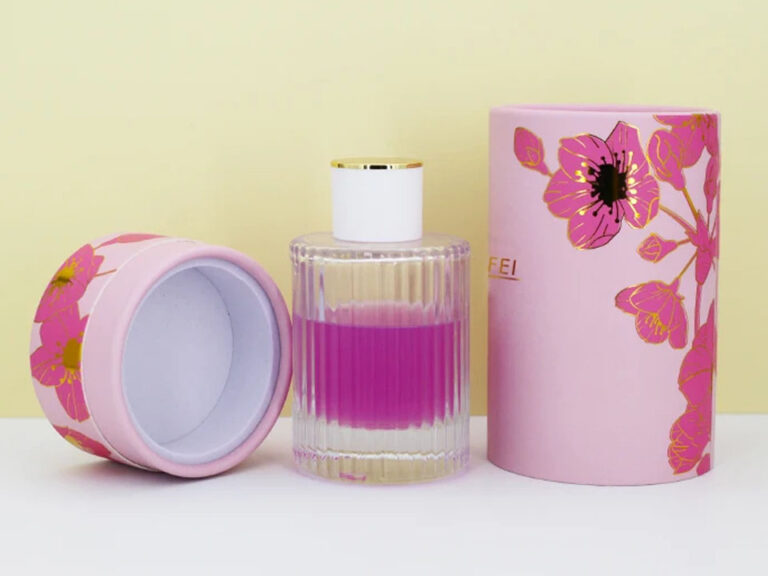
Sie sehen noch nicht die richtige Verpackungslösung? Sprechen Sie mit unserem Chef.
Wenn Sie sich unsere Website angesehen oder mit dem Vertrieb gesprochen haben und immer noch keinen klaren Weg sehen, senden Sie Ihre Anfrage hier. Ihre Nachricht wird direkt an unseren General Manager weitergeleitet, der die Machbarkeit, die Kosten und die Vorlaufzeit prüft. Sie erhalten einen klaren Hinweis auf den nächsten Schritt - was wir tun können, was wir von Ihnen benötigen und wie Sie am schnellsten zu einem Angebot kommen.
Direkte GM-Prüfung Ihrer Spezifikationen, Ihres Anwendungsfalls und Ihrer Beschränkungen
Kontrolle von Größe und Struktur: Durchmesser, Höhe, Wandstärke, Einsätze
Druck- und Veredelungsempfehlungen passend zu Marke und Budget
Alternativen zur Kostensenkung und zur Verbesserung der Durchlaufzeit
Klarheit über den Angebotsweg: MOQ, Stichprobenplan und das weitere Vorgehen
Sprechen Sie mit unserem Chef
Erhalten Sie ein schnelles Angebot für individuelle Papierröhrenverpackungen
Entwickelt für Verpackungsmanager, Einkäufer und Verpackungsingenieure. Geben Sie Größe, Menge und Ausführung an, um Preis, Vorlaufzeit und Spezifikationsanweisungen für us/eu-Programme zu erhalten.
Angebotserstellung nach Maß: Durchmesser, Höhe, Wandstärke, Einsätze, Einlagen und Verschlüsse
Effiziente Geschäftsergebnisse durch zylindrische Kartonverpackungen
Inhaltsübersicht
Die meisten Marken verlieren kein Geld, weil ihr Produkt schlecht ist. Sie verlieren es in der unordentlichen Mitte - durch Versandschäden, Retourenscheine, “Sonderbehandlung” im Lager und Verpackungen, die im Regal billig aussehen. Das ist der Punkt zylindrische Kartonverpackung (Papierschachteln) verdient sein Geld.
Eine Papiertube ist keine ausgefallene Technik. Es handelt sich um ein praktisches Format, das eckenempfindliche Waren schützt, unter Druck stabil bleibt und eine saubere Oberfläche für Branding und Etikettierung bietet. Wenn Sie in großen Mengen verkaufen, OEM/ODM anbieten oder Distributoren beliefern, werden diese Details zu echten Geschäftsergebnissen.
Wenn Sie sehen möchten, wie dies in den verschiedenen Kategorien aussieht, beginnen Sie mit der Homepage und durchsuchen Sie die Katalog der Papierhülsenboxen.
Business Outcomes Map für zylindrische Kartonverpackungen
Titel des Arguments (verwenden Sie diese als Abschnittsüberschriften)
Was sie verbessert
Was es in der realen Welt behebt
Quelle für Glaubwürdigkeit (keine externen Links)
Einhaltung der Vorschriften für den Versand und Abmessungsdisziplin
Weniger Versandausnahmen, reibungslosere Abwicklung
Weniger “kann nicht scannen / kann nicht sortieren / muss neu verpackt werden”-Chaos
Spediteurregeln + Ihre SOP für die Auftragsabwicklung + QS-Prüfungen im Ausgang
Schutz für rollbare und eckenempfindliche Produkte
Weniger Schadenersatzansprüche, weniger Erstattungen
Keine gequetschten Ecken, weniger verbogene Waren, weniger Meldungen über eine “beschädigte Ankunft”.
Kunden behalten es, verwenden es wieder, sprechen darüber
Verhalten nach dem Kauf + Unboxing-Erlebnis
Wiederverwertbarkeit und Nachhaltigkeit
Leichtere Gespräche mit Einzelhändlern
Deutlichere “papierbasierte” Botschaft, wenn sie korrekt aufgebaut ist
Materialaufschlüsselung + lokale Recycling-Anleitung
Einhaltung der Vorschriften für den Versand und Abmessungsdisziplin
Versandprobleme werden normalerweise nicht in einer Produktbesprechung angesprochen. Sie treten an einem Montagmorgen auf, wenn das Lagerhaus sagt: “Diese Charge läuft nicht durch das Band.”
Zylindrische Kartonverpackung hilft Ihnen, die Dinge zu standardisieren, die für eine ruhige Erfüllung sorgen:
Konsistente GeometrieEine Tube hält ihre Form besser als ein weicher Karton, wenn die Pakete beim Transport zusammengedrückt werden.
Sauberere Platzierung der Etiketten: weniger zerknitterte Barcode-Etiketten, weniger Scanfehler, weniger Fehlleitungen.
Wiederholbares Auspacken: Ihr Team kann schnell packen, weil sich das Format jedes Mal gleich verhält.
Wenn Sie in regulierten oder regelungsintensiven Bereichen verkaufen, benötigen Sie auch Verpackungen, die Sicherheitsanforderungen und saubere Verschlüsse unterstützen. Ein gutes Beispiel ist Wiederverwertbare kindersichere Papierröhrenverpackungen aus Cannabis, wo Struktur und Abschlussstrategie ebenso wichtig sind wie die Grafik.
Schutz für rollbare und eckenempfindliche Produkte
Ecken versagen zuerst. Deshalb gewinnen Rohre bei Produkten, die scharfe Kanten und flache Druckstellen hassen.
Ein Rohr schützt durch Design:
es hat keine Ecken zum Zerkleinern
sie verteilt die Kraft um die Kurve
er hält Beulen besser stand als dünnwandige Kartons
Poster-Versandrohre
Wenn Sie Poster, Drucke, Urkunden, Blaupausen oder Kunstwerke versenden, kennen Sie das Problem: Eine verbogene Kante kann einen perfekten Artikel in eine Rücksendung verwandeln.
Mit Schläuchen können Sie das Produkt rollen und sauber halten. Das reduziert die Nachricht “verbogen angekommen” und die Zeit, die Sie damit verbringen, darüber zu streiten, ob der Schaden vor oder nach der Lieferung passiert ist.
Schönheitspflege, Körperpflege und Artikel des täglichen Bedarfs
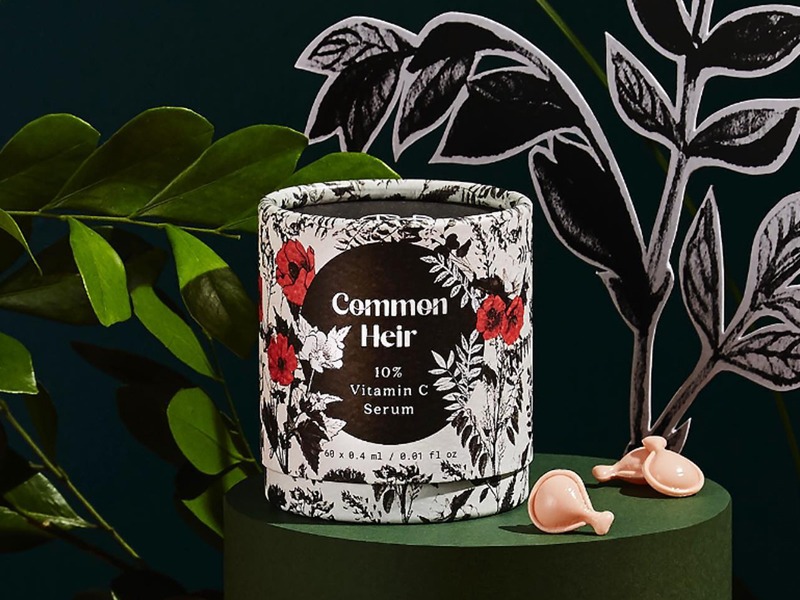
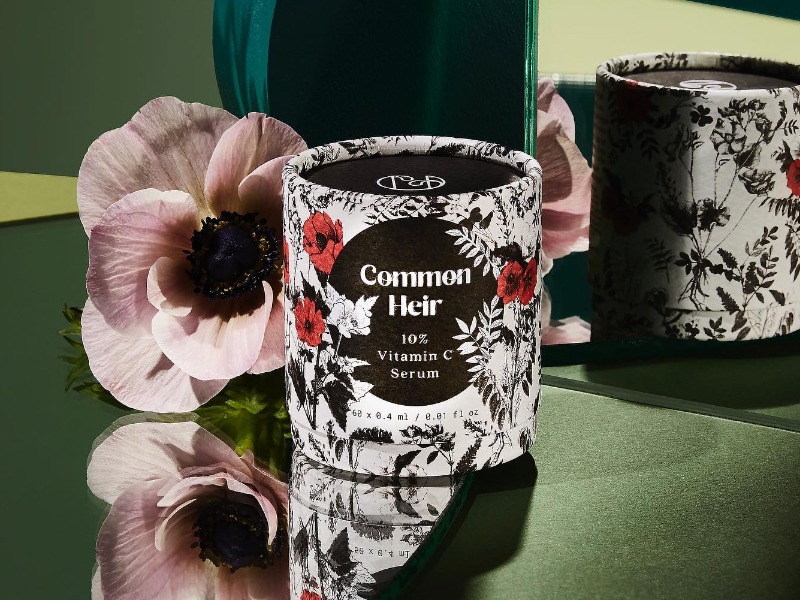
Tuben eignen sich auch gut für Kategorien, bei denen die Kunden Wert auf Präsentation und Aufbewahrung legen. Denken Sie an Kosmetika, Pflegeprodukte und reisefreundliche Kits. Ein Format wie Kosmetik-Tuben-Verpackungsschachtel schützt den Artikel und verleiht ihm ein hochwertiges Aussehen.
Pulver, Ernährung und funktionelle Produkte
Bei Pulvern und funktionellen Gütern ist es wichtig, dass sie geschützt sind und gut in der Hand liegen. Ein Schlauch kann dies bieten, ohne dass der Rucksack zu einem sperrigen Klotz wird. Sehen Sie sich das Modell an, das für Proteinpulver-Verpackung.
Endkappen aus Kunststoff und Optionen zur Manipulationssicherung
In vielen Märkten öffnen die Kunden die Verpackung nicht nur einmal. Sie öffnen sie, schließen sie, nehmen sie mit auf Reisen, lagern sie und erwarten, dass sie sauber bleibt.
Deshalb ist Endkappen und Verschlussmöglichkeiten Materie:
Komfort wieder verschließen: Die Kunden müssen die Verpackung nicht zerstören, um das Produkt zu verwenden.
Transitstabilität: besserer Widerstand gegen versehentliches Öffnen während des Transports.
Vertrauenssignale: Die optionalen Manipulationsstufen tragen dazu bei, Streitigkeiten über “das sieht geöffnet aus” zu vermeiden.
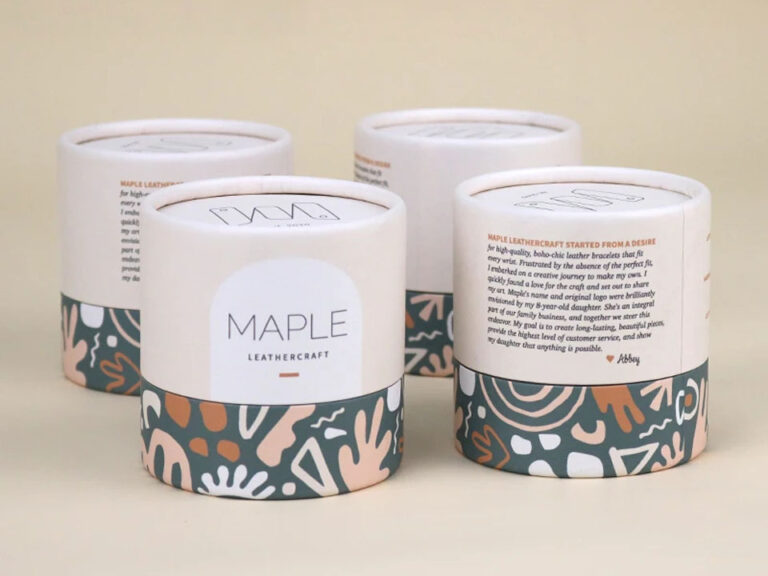
Bei hochwertigen Geschenken sind Verschlüsse und Verarbeitung noch wichtiger, da die Verpackung Teil des Produkts wird. Ein gutes Referenzformat ist Schmuck- und Armbandverpackungen aus Papierröhren, die sich auf die Präsentation und ein haltbares Styling stützt.
Quadratische Papierhülsen und nicht rollende Verpackungen
Seien wir ehrlich: Zylinder können rollen. In schnellen Lagerumgebungen können rollende Verpackungen zu kleinen Ärgernissen führen, die sich zu Verzögerungen auswachsen - vor allem, wenn Sie stapeln, scannen und einschweißen.
Das ist der Ort, an dem quadratische Papierhülsen (oder andere Anti-Roll-Formate) passen:
Besser stapeln
Saubereres Palettenverhalten
Weniger “Jagd auf das Paket”
Viele Marken verfolgen eine gemischte Strategie: Zylinder für Einzelhandels-Helden-SKUs und nicht rollende Formate für Bulk-Kanäle oder distributionsintensive Routen. Das ist keine Unentschlossenheit. Das ist betriebliche Reife.
Leichte, aber stabile Struktur
Sie wollen keine Verpackung, die sich zerbrechlich anfühlt. Sie wollen auch keine Verpackung, die sich anfühlt, als würde man eine Hantel verschicken.
Papierhülsen befinden sich in einem nützlichen Mittelbereich:
starre Wände schützen vor Druck
das Format bleibt praktisch für den Versand
das Unboxing fühlt sich hochwertig an, ohne zusätzliche Komplexität
Dies ist für grenzüberschreitende Verkäufer und Marktplatzbetreiber von Bedeutung, denn Schadensersatzansprüche treffen Sie doppelt - einmal in Form von Rückerstattungen und ein zweites Mal in Form von Druck auf die Shop-Bewertung.
Wiederverwendung und Lagerwert
Eine Tube ist kein Wegwerfartikel. Die Leute behalten sie.
Das ist ein stiller Gewinn für die Markenerinnerung, denn Ihre Verpackung bleibt im Raum des Kunden. Sie wird zu einem Aufbewahrungsstück für Kabel, Schminkutensilien, Accessoires oder Schreibtischartikel. Sie müssen eine “Wiederverwendungsgeschichte” nicht erzwingen. Die Form lädt dazu ein.
Wenn Sie ein Beispiel suchen, das in Richtung “Erinnerungsverpackung” geht, ist das Haarbandröhre mit Klarsichtfenster und Griff zeigt, wie Tuben geschenkfertig aussehen und gleichzeitig funktional bleiben können.
Wiederverwertbarkeit und Nachhaltigkeit
Viele Käufer stellen zuerst eine Frage: “Ist das recycelbar?”
Mit einer Papiertube wird Ihre Nachhaltigkeitsgeschichte einfacher, weil der Hauptteil auf Papier basiert. Aber Sie müssen trotzdem genau bleiben:
Beschichtungen und Laminierungen können die Recyclingfähigkeit verändern
Einsätze und Kappen müssen möglicherweise getrennt werden
lokale Recyclingvorschriften variieren
Halten Sie die Botschaft einfach und ehrlich. Käufer vertrauen Klarheit mehr als großen Behauptungen.
Reale Szenarien, in denen Papierhülsenboxen funktionieren
Hier sind die üblichen Wege, auf denen zylindrische Kartonverpackungen Kopfzerbrechen bereiten:
Grenzüberschreitender eCommerceweniger Schadensmeldungen, weniger Fotos von “zertrümmert angekommen”.
Einzelhandelsregale: Bessere Form, hochwertige Haptik ohne komplizierte Strukturen.
Großhandel und Vertrieb: Wiederholbares Auspacken macht Großbestellungen reibungsloser.
Abo-BoxenRöhren: Sie schützen zerbrechliche oder hochwertige Artikel in gemischten Paketen.
Lebensmittelgeschenke und Spezialprodukte: eine Tube kann hochwertig aussehen und gut schützen, wie Tee-Verpackung Papierschachteln.
Strategie für die Schließung: Friktionsdeckel, Endkappen, Spezialverschlüsse, optionale Manipulationsstufen
Ausführung der MarkeDruckkonsistenz, Haltbarkeit der Oberfläche, Scheuerfestigkeit
Realität des LagersStapelverhalten, Barcode-Scanfläche, Packgeschwindigkeit
Anforderungen an die Einhaltung: Kindersichere oder kategoriespezifische Anforderungen, sofern relevant
Konsistenz der SkalaStabilität von Charge zu Charge, QC-Kontrollpunkte, Linienkompatibilität
Wenn Sie die Formatoptionen sehen möchten, bevor Sie Details angeben, können Sie die Katalog der Papierhülsenboxen ist der schnellste Weg, um Stile über Branchen hinweg zu vergleichen.
Wrap-up: Warum zylindrische Kartonverpackungen für effiziente Ergebnisse sorgen
Zylindrische Kartonverpackungen funktionieren, weil sie Schwachstellen beseitigen - im wahrsten Sinne des Wortes und in der Praxis. Sie schützen eckenempfindliche Waren, halten die Erfüllung vorhersehbar, unterstützen ein hochwertiges Branding und passen in die Arbeitsabläufe der Massenproduktion.
Wenn Sie weniger Reklamationen wegen Beschädigungen, einen reibungsloseren Versand, eine bessere Regalpräsenz und eine Verpackung anstreben, die der Kunde nicht sofort wegwirft, sind Hülsenkartons aus Papier ein praktischer Schritt und kein Trend.
Wenn Sie bereit sind, beginnen Sie mit der Homepage und ordnen Sie Ihren Produkttyp der nächstgelegenen Struktur zu, und legen Sie dann Passform, Verschluss und Oberfläche auf der Grundlage Ihrer Versandart und Ihres Vertriebskanals fest.