Sie sehen noch nicht die richtige Verpackungslösung? Sprechen Sie mit unserem Chef.
Wenn Sie sich unsere Website angesehen oder mit dem Vertrieb gesprochen haben und immer noch keinen klaren Weg sehen, senden Sie Ihre Anfrage hier. Ihre Nachricht wird direkt an unseren General Manager weitergeleitet, der die Machbarkeit, die Kosten und die Vorlaufzeit prüft. Sie erhalten einen klaren Hinweis auf den nächsten Schritt - was wir tun können, was wir von Ihnen benötigen und wie Sie am schnellsten zu einem Angebot kommen.
Direkte GM-Prüfung Ihrer Spezifikationen, Ihres Anwendungsfalls und Ihrer Beschränkungen
Kontrolle von Größe und Struktur: Durchmesser, Höhe, Wandstärke, Einsätze
Druck- und Veredelungsempfehlungen passend zu Marke und Budget
Alternativen zur Kostensenkung und zur Verbesserung der Durchlaufzeit
Klarheit über den Angebotsweg: MOQ, Stichprobenplan und das weitere Vorgehen
Sprechen Sie mit unserem Chef
Erhalten Sie ein schnelles Angebot für individuelle Papierröhrenverpackungen
Entwickelt für Verpackungsmanager, Einkäufer und Verpackungsingenieure. Geben Sie Größe, Menge und Ausführung an, um Preis, Vorlaufzeit und Spezifikationsanweisungen für us/eu-Programme zu erhalten.
Angebotserstellung nach Maß: Durchmesser, Höhe, Wandstärke, Einsätze, Einlagen und Verschlüsse
Creme ist etwas Persönliches. Menschen reiben sie auf ihr Gesicht, ihre Hände, die Haut ihres Babys. Die Verpackung darf also nicht wie ein nachträglicher Einfall wirken. Sie muss das Produkt schützen, seriös aussehen und den Käufern ein gutes Gefühl geben, für das Produkt zu bezahlen.
Hier ist ein Verpackungspartner wichtig. Als Top Custom Paper Tube Boxen Hersteller, unterstützen wir Sonderanfertigungen, Großhandel und OEM/ODM für Einzelhändler, Markeninhaber, grenzüberschreitende Verkäufer, Distributoren, Agenturen und wachsende Start-ups. Wir betreiben auch eine moderne Reinigungswerkstatt sowie eine 12,300m² Lager mit täglichem Output, der ein echtes Volumen bewältigen kann (nicht nur ein paar Stichproben).
Verwendung der “Verpackungsstruktur” zur Verbesserung der Attraktivität der Regale
In einem Regal (oder auf einer Amazon-Suchseite) konkurriert Ihre Creme mit einer Menge “Schönem”. Struktur hilft Ihnen, diesen Kampf zu gewinnen.
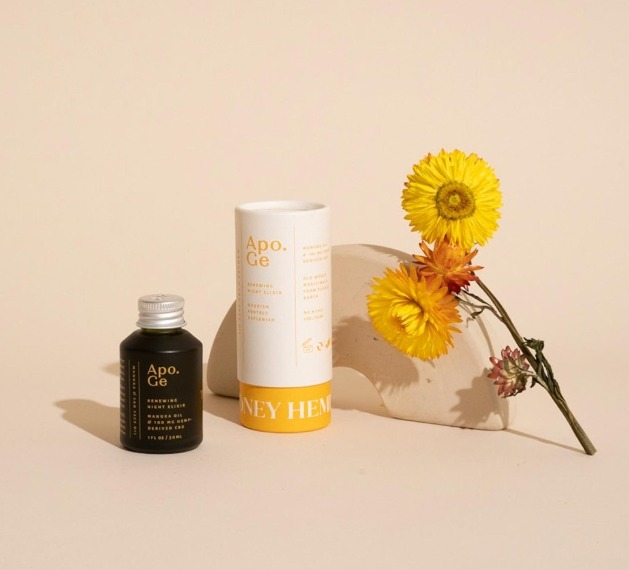
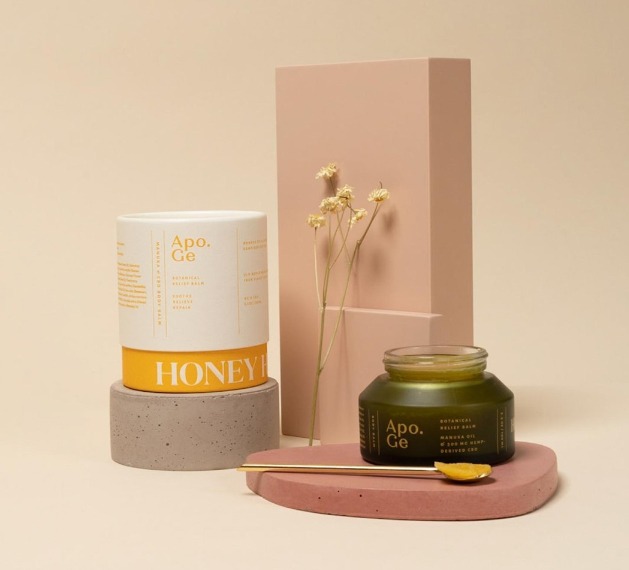
Wenn Sie hochwertige Hautpflegeprodukte verkaufen, ist ein Papierhülse kann sich mehr wie ein Geschenk anfühlen als eine einfache Faltschachtel. Sie steht höher, liegt dicker in der Hand und bedeutet “Andenken” und nicht “billiger Versender”. Zum Beispiel diese Kosmetik-Tubenverpackungen Der Stil eignet sich gut für Nachtcremes, Körperbutter und Balsamtöpfchen, da die Form selbst Qualität signalisiert.
Wenn Sie mehr Fläche für Markeninformationen, Zutatenangaben oder mehrsprachige Beschriftungen benötigen, hilft Ihnen der doppelseitige Druck, Informationen zu verpacken, ohne die Vorderseite zu überladen. Ein Format wie beidseitig bedruckte Papierröhrenverpackungen bietet Platz für Verkaufstexte, QR-Anweisungen und Texte zur Einhaltung von Vorschriften, während das Heldenfeld übersichtlich bleibt.
Szenario der realen Welt:
Grenzüberschreitender Verkäufer versendet eine Gesichtscreme an mehrere Regionen. Die Vorderseite bleibt einfach (Marke + Nutzen), der Innen-/Außendruck erledigt den Rest (Gebrauchsanweisung, Warnhinweise, Barcode, Charge/Los). Ihr PDP sieht hochwertig aus. Ihre Logistik bleibt aufgeräumt.
Der schnellste Weg, Vertrauen zu schaffen, ist manchmal, das Produkt zu zeigen. Ein Fenster verwandelt “Behauptungen” in “Beweise”. Die Käufer können die Farbe des Tiegels, die Oberfläche des Deckels oder den genauen Farbton eines Balsams sehen.
Fensterstile helfen auch bei Geschenksets. Denken Sie an: Creme + Roller + Spachtel. Die Leute wollen sehen, was sie kaufen, besonders wenn das Set in der Nähe der Kasse steht.
Ein guter Anhaltspunkt sind Verpackungen mit einer klaren Anzeigetafel und einem Trageteil, wie Papierhülsenverpackung mit Klarsichtfenster und Griff. Übertragen Sie diese Idee auf die Hautpflege: ein Sichtfenster, eine Zuglasche oder ein Band zum leichten Öffnen und eine saubere Vorderseite für das Branding.
Ein Tipp, der Kopfschmerzen erspart: Halten Sie die Fenster bescheiden. Große Fenster sehen zwar cool aus, aber sie können die Quetschfestigkeit schwächen, wenn man die Karosserie nicht verstärkt.
Verwenden Sie Einsätze, um das “Bruchrisiko” in ein “Unboxing-Erlebnis” zu verwandeln.”
Sahne wird oft in Glasgefäße, und damit beginnen auch die Rücksendungen. Wenn Ihr Produkt beschädigt, undicht oder unordentlich ankommt, wird der Kunde nicht “auf einen Ersatz warten”. Er wird eine Ein-Stern-Bewertung abgeben und weiterziehen.
Ein individueller Einsatz löst zwei Probleme auf einmal:
Stabilität: Sie fixiert das Glas und verhindert Bewegungen bei Stürzen und Vibrationen.
Erfahrung: Die Öffnung wirkt gewollt, als wäre das Produkt dazu bestimmt, dort zu liegen.
Wenn Sie Kits oder schwerere Artikel verpacken, sollten Sie Strukturen mit stärkeren Verschlüssen in Betracht ziehen. Ein Deckel im Weißblech-Stil (wie er bei Lebensmitteln üblich ist) kann bei hochwertigen Hautpflegesets ein Gefühl des “festen Verschlusses” vermitteln. Sehen Sie sich an, wie dieser Stil ein stabileres Deckelkonzept verwendet: Schachteln mit Metalldeckel aus Kraftpapier.
Operativer Aspekt (das, was die Käufer interessiert):
Weniger “DOA”-Beschwerden
Sauberere FBA-Vorbereitung
Weniger Lückenfüller und weniger beschädigte Einheiten beim Transport
Geringere CS-Arbeitsbelastung durch Versandansprüche
Verwenden Sie Folienprägung oder Spot-UV, um Ihr Logo hervorzuheben.
Sie müssen nicht lauter drucken. Sie müssen intelligenter drucken.
Folie und Spot-UV funktionieren, weil sie Kontrast. Der Blick des Kunden fällt zuerst auf das Logo. Das ist Regalwirkung, ohne dass die Schachtel zu einer Werbetafel wird.
Ein sauberes, hochwertiges Aussehen entsteht oft durch:
matte Basis + glänzendes Highlight (Spot UV)
Soft-Touch-Haptik + Folienlogo
minimale Farbe + Textur
Wenn Sie einen guten “hochwertigen, aber kontrollierten” Eindruck haben wollen, sollten Sie sich einen Stil wie mattweiße Papierhülsenverpackung und stellen Sie sich die gleiche Sprache für die Hautpflege vor: leise, sauber und teuer aussehend.
Szenario der realen Welt:
Eigentümer der Marke bringt eine Retinol-Creme auf den Markt. Sie halten die Tube matt, fügen eine kleine Folienmarkierung hinzu und verwenden Spot-UV nur für ein Symbol. Das Ergebnis: hochwertige Anmutung, leichte Wiedererkennung der Marke und Fotos, die in Influencer-Inhalten gut aussehen.
Wenn Sie sich für eine Endbearbeitung entscheiden, konzentrieren Sie sich auf die “Prozesskontrolle”.”
Ausgefallene Oberflächen nützen nichts, wenn sie uneinheitlich sind.
Wenn Sie schon einmal eine Verpackung hatten, bei der das Logo verrutscht ist, der Glanz fleckig aussieht oder die Folie Risse aufweist, wissen Sie, was ich meine. Sprechen Sie mit Ihrem Hersteller darüber:
Erfassungsgenauigkeit (Folie/UV-Ausrichtung)
Scheuerfestigkeit für den Versand
Farbkonsistenz über Chargen hinweg (CMYK-Kontrolle oder Pantone-Abgleich)
wie sich das Finish auf gekrümmten Oberflächen verhält (Papierhülsen benötigen eine gleichmäßige Umhüllung + enge Toleranz)
Hier werden Großabnehmer und Großhändler pingelig, und das sollten sie auch. Eine einzige schlechte Charge kann die gesamte Einführung eines Kanals durcheinander bringen.
“Verpackungen mit Mehrwert” müssen gut aussehen und besser funktionieren
Die hübsche Verpackung verkauft die erste Einheit. Nützliche Verpackungen verkaufen die zweite.
Für Sahne bedeutet “nützlich” normalerweise:
leichtes Öffnen (kein Aufreißen, kein “Kampf mit dem Deckel”)
einfache Aufbewahrung (steht gut, zerbricht nicht in einem Badezimmerschrank)
einfache Wiederverwendung (die Kunden behalten es, wodurch Ihre Marke länger erhalten bleibt)
Sie können auch mit kleinen funktionalen Details einen Mehrwert schaffen:
eine eingebaute Spachtelschlitz in der Beilage
einen QR-Code, der eine Routine für das Legen von Schichten öffnet
Manipulationshinweise, die Erstkäufer verunsichern
Szenario der realen Welt:
Kurort-/Hotelanbieter will ein sauberes Aussehen, aber eine schnelle Wiederauffüllung. Eine Röhrenverpackung lässt sich besser stapeln, sieht in der Lobby hochwertig aus und schützt die Gläser beim Transport. Das Personal liebt sie, weil sie in den Regalen ordentlich bleibt.
Fälschungssicherheit und Rückverfolgbarkeit, damit Vertrauen messbar wird
Wenn sich Ihre Creme gut verkauft, werden Exemplare erscheinen. Es ist kein “vielleicht”. Es ist ein “wenn”.”
Sie müssen es nicht übertreiben. Beginnen Sie mit einer Verpackung, die eine einfache Überprüfung ermöglicht:
manipulationssichere Siegel
serialisierte Etiketten
QR-Codes, gebunden an Charge/Los
Scratch-to-Reveal-Codes (häufig in Hochrisikokategorien)
Wenn Sie in Kanälen verkaufen, in denen es häufig zu Fälschungen kommt (Marktplätze, Händler, grenzüberschreitend), ist ein Röhrenformat ebenfalls hilfreich, da es schwieriger ist, es mit geringem Aufwand gut zu kopieren.
Für Referenzformate, die häufig in Kategorien mit höherem Risiko verwendet werden, prüfen Sie Stile wie Papierhülsenverpackung für CBD-Patrone oder kindersichere Papierhülsenverpackung-dann passen Sie das Sicherheitsdenken (nicht die Kategorie) an die Hautpflege an: Manipulationsnachweis, Rückverfolgbarkeit und stärkere Verschlüsse.
Die Sicherheitsmerkmale verhindern nicht nur Fälschungen. Sie verringern auch das operative Risiko
Bei der Fälschungsbekämpfung geht es nicht nur darum, böse Akteure zu stoppen. Es hilft auch Ihnen:
Verwaltung von Streitigkeiten zwischen Händlern (“Welche Charge war das?”)
Verringerung der Rückbuchungen aufgrund von “nicht der Beschreibung entsprechenden Artikeln”.”
Schutz des Markenrufs bei Bewertungen
die Rückrufbereitschaft zu verbessern, falls Sie sie jemals benötigen
Deshalb betrachten größere Marken die Verpackung als Teil ihres Risikoplans, nicht nur als Marketing.
Schreiben Sie Nachhaltigkeit wie einen echten Plan, nicht wie einen Slogan
Die Käufer haben die Schlagworte gehört. Sie wollen Konkretes.
Ein besserer Ansatz: Nachhaltigkeit praktisch erlebbar machen.
Verwenden Sie papierbasierte Strukturen, die die Kunden verstehen können.
Reduzieren Sie gemischte Materialien wo möglich
Halten Sie den Druck sauber und lesbar (Öko bedeutet nicht “hässlich”)
Design für Wiederverwendung (Röhren werden oft aufbewahrt)
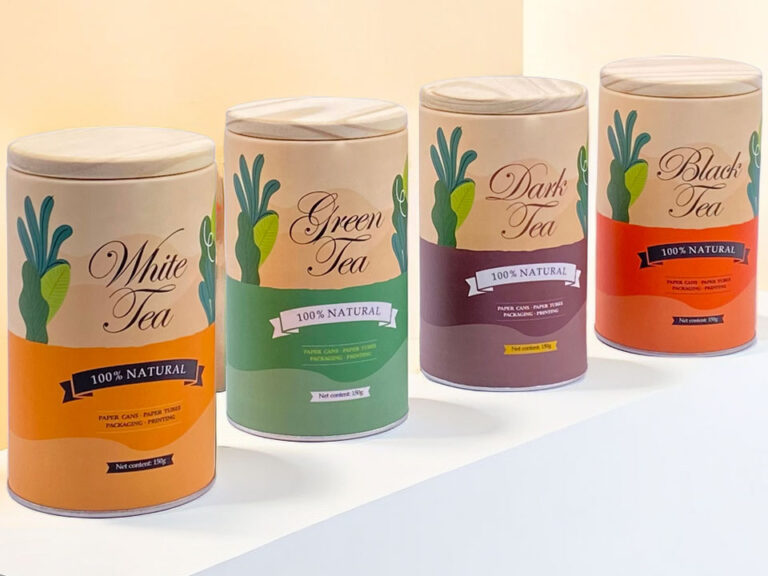
Wenn Sie eine einfache, klare Botschaft vermitteln wollen, sollten Sie auf stabile Papierhülsenformate und ein klares Branding setzen. Ein Produkt wie Umweltfreundliche Papierhülsen-Zylinderverpackung zeigt, wie ein Papierzylinder eine “grüne” Positionierung tragen und gleichzeitig stark und einzelhandelsgerecht sein kann.
Und wenn Sie skalieren wollen, bedeutet Nachhaltigkeit auch, dass Ihr Lieferant das Volumen ohne Chaos bewältigen kann. Unser Produktionssystem unterstützt den Großhandel und OEM/ODM-Bedarf mit Lagerkapazitäten und einer Tagesproduktion, die eine konstante Versorgung gewährleistet.
Erstellen Sie eine “Material-Roadmap”, die Käufer verstehen können.
Wenn Sie an Einzelhändler, Distributoren oder Agenturen verkaufen, werden diese fragen: “Was kommt als Nächstes?” Mit einem einfachen Fahrplan bleiben Sie glaubwürdig:
Materialauswahl, Anzahl der Komponenten, Wiederverwendungsgeschichte
Einzelhändler, ökologisch positionierte Marken
Markenvertrauen, leichtere Zustimmung der Käufer
Bereitschaft skalieren
OEM/ODM-Workflow, Planung von Großaufträgen, Lagerkapazität
Agenturen, große Marken, schnell wachsende Anbieter
Stabile Versorgung, weniger Lieferengpässe
Wenn Sie einen schnellen Start wünschen, wählen Sie ein “Helden-Upgrade” (Struktur, Einlage oder Veredelung) und einen “Risikominderer” (Rückverfolgbarkeit oder verstärkter Schutz). Diese Kombination führt in der Regel zum Erfolg, ohne die Verpackung übermäßig komplex zu machen.