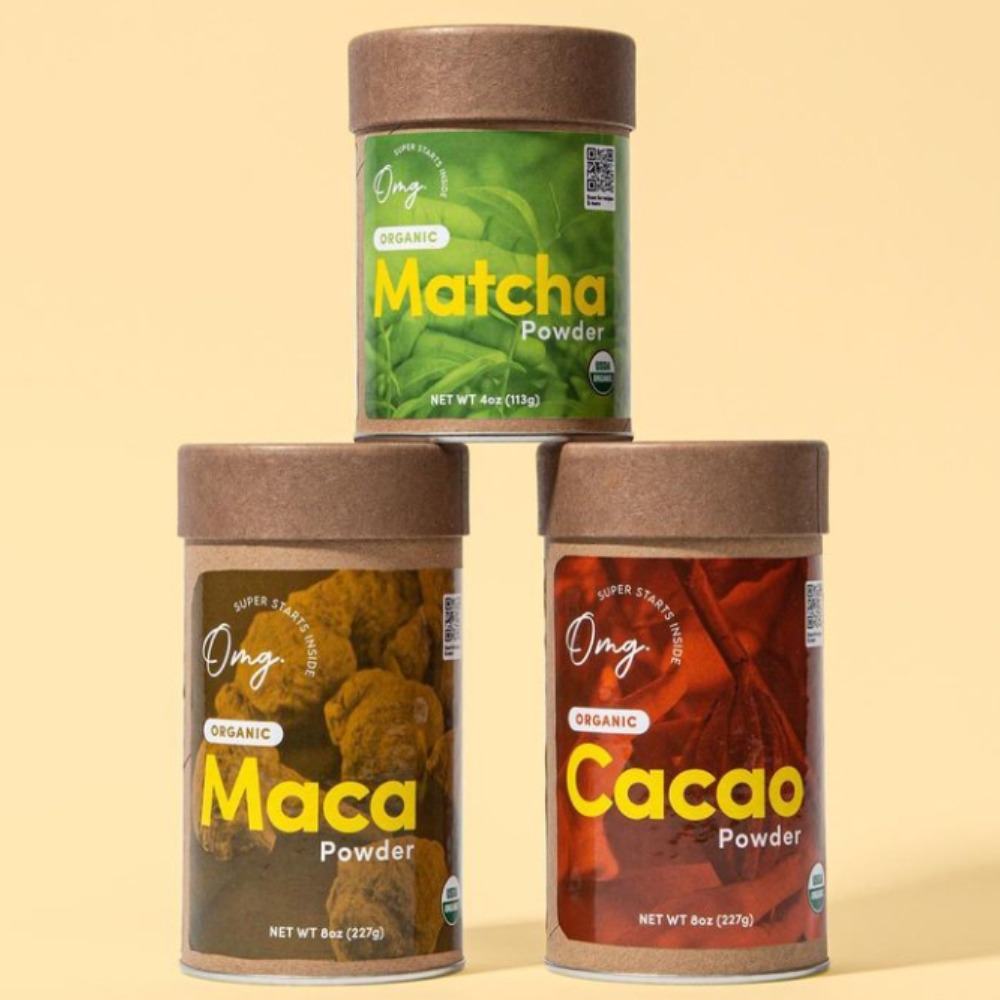
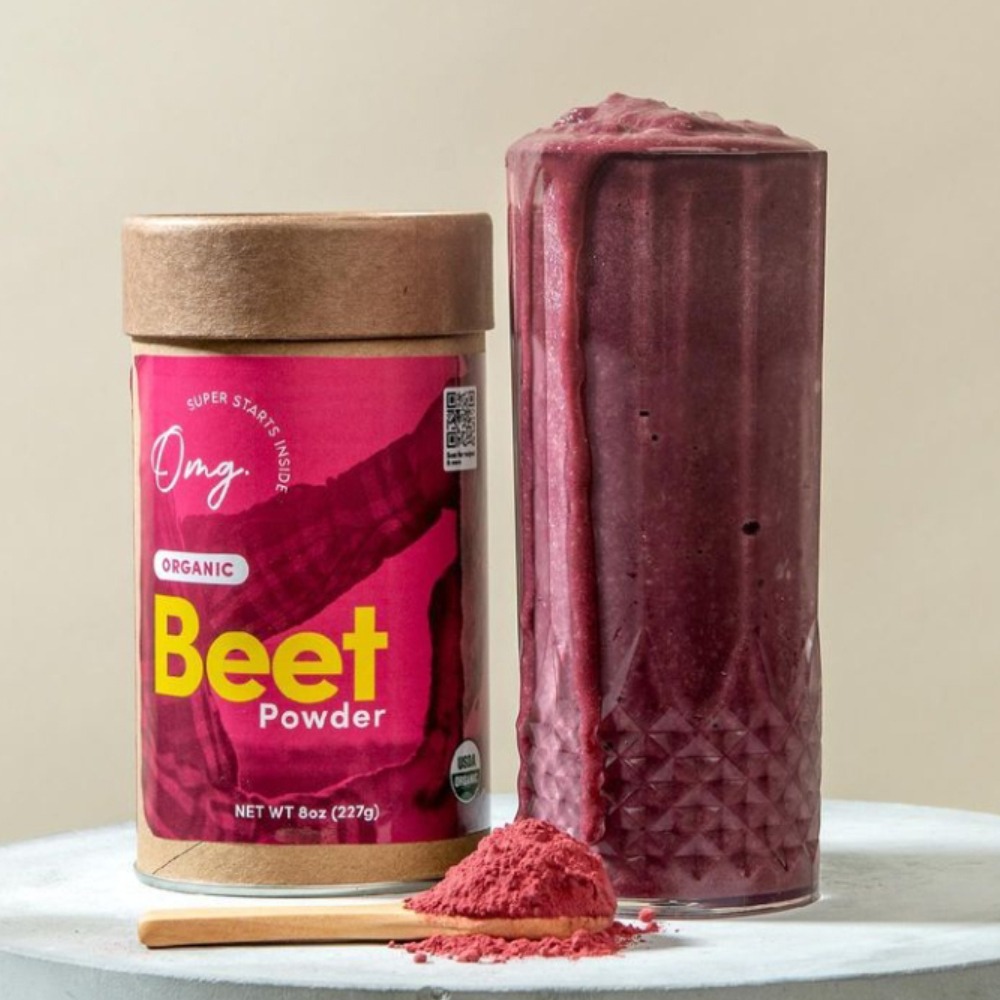
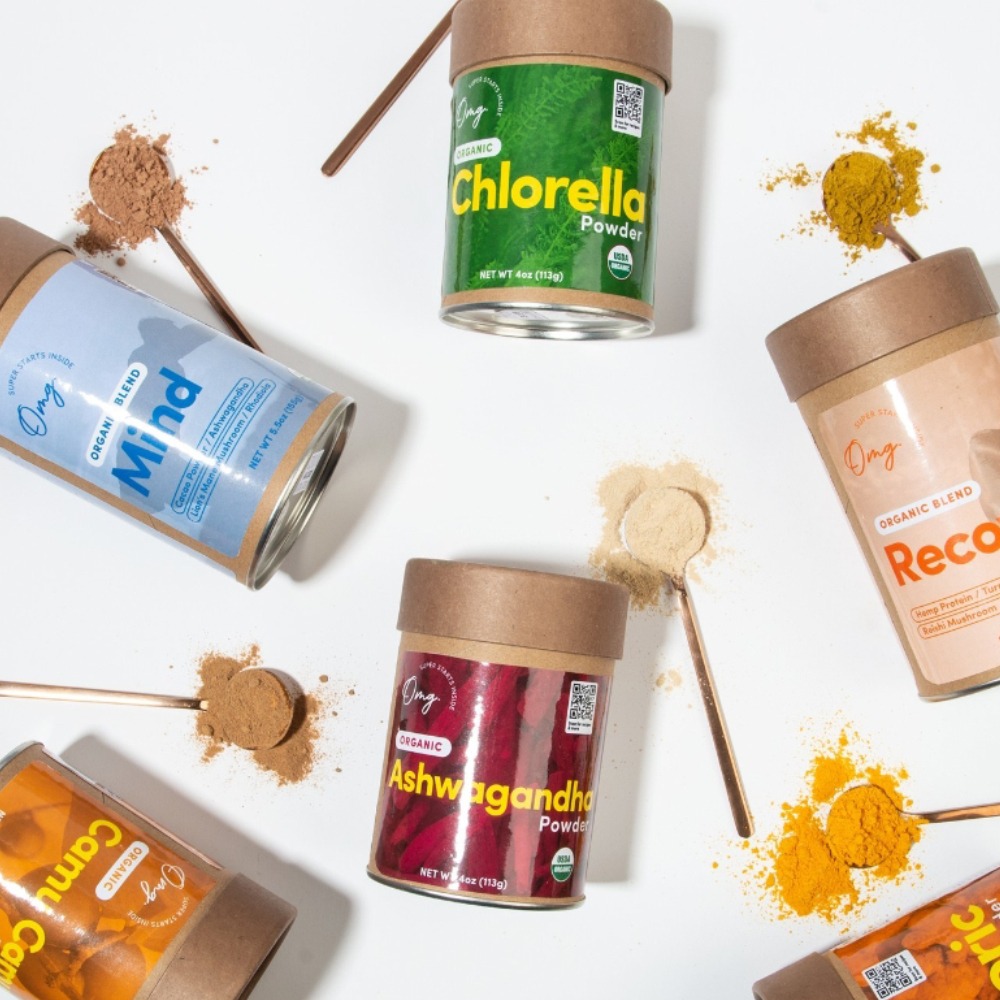
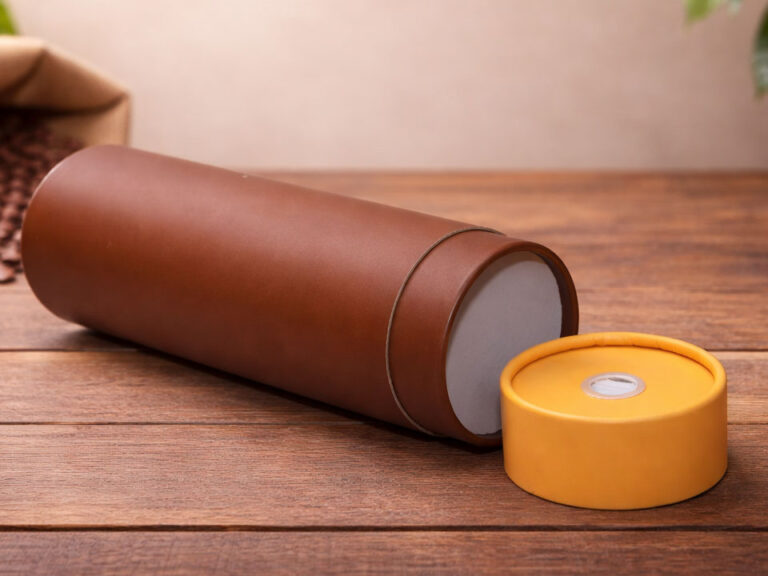
Sie sehen noch nicht die richtige Verpackungslösung? Sprechen Sie mit unserem Chef.
Wenn Sie sich unsere Website angesehen oder mit dem Vertrieb gesprochen haben und immer noch keinen klaren Weg sehen, senden Sie Ihre Anfrage hier. Ihre Nachricht wird direkt an unseren General Manager weitergeleitet, der die Machbarkeit, die Kosten und die Vorlaufzeit prüft. Sie erhalten einen klaren Hinweis auf den nächsten Schritt - was wir tun können, was wir von Ihnen benötigen und wie Sie am schnellsten zu einem Angebot kommen.
Direkte GM-Prüfung Ihrer Spezifikationen, Ihres Anwendungsfalls und Ihrer Beschränkungen
Kontrolle von Größe und Struktur: Durchmesser, Höhe, Wandstärke, Einsätze
Druck- und Veredelungsempfehlungen passend zu Marke und Budget
Alternativen zur Kostensenkung und zur Verbesserung der Durchlaufzeit
Klarheit über den Angebotsweg: MOQ, Stichprobenplan und das weitere Vorgehen
Sprechen Sie mit unserem Chef
Erhalten Sie ein schnelles Angebot für individuelle Papierröhrenverpackungen
Entwickelt für Verpackungsmanager, Einkäufer und Verpackungsingenieure. Geben Sie Größe, Menge und Ausführung an, um Preis, Vorlaufzeit und Spezifikationsanweisungen für us/eu-Programme zu erhalten.
Angebotserstellung nach Maß: Durchmesser, Höhe, Wandstärke, Einsätze, Einlagen und Verschlüsse
Umfassende Anleitung zur Erstellung von Kartonverpackungen
Inhaltsübersicht
Wenn Sie schon einmal ein Produkt auf den Markt gebracht haben und mit ansehen mussten, wie die Rücksendungen in die Höhe schnellten, weil der Karton zerknittert ankam, wissen Sie das bereits: Die Verpackung ist nicht “nur eine Schachtel”.” Es geht um Schutz, Markenbildung, Einhaltung von Vorschriften und Betriebsabläufe - alles in einem.
Dieser Leitfaden zeigt Ihnen, wie Sie Folgendes erstellen können Kartonagenverpackung die den Versand überstehen, im Regal gut aussehen und für Großaufträge (OEM/ODM, Großhandel und Wiederholungen) geeignet sind. Ich beziehe auch echte Verpackungsformate von unserer Website - vor allem im starren Stil Papierhülsenverpackung, eine auf Karton basierende Option, die viele Marken verwenden, wenn sie ein hochwertiges Erscheinungsbild wünschen.
Bevor Sie mit dem Material oder dem Druck beginnen, sollten Sie die Aufgabe festlegen, die Ihre Verpackung erfüllen soll.
Anforderungen an den Produktschutz
Stellen Sie sich eine ganz einfache Frage: Was ist das Schlimmste, was im Transit passieren kann? Stürze, Stöße an den Ecken, Vibrationen, Hitze, Feuchtigkeit, Komprimierung in Kartons - der Versand ist im Grunde ein Stresstest.
Praktische Regel: Entwerfen Sie für Ihren schwächsten Punkt, nicht Ihr bester Tag. Wenn Ihr Produkt ein Glasgefäß, scharfe Kanten oder einen schweren Kern hat, brauchen Sie stärkeren Karton oder bessere Einlagen.
Anforderungen an die Auslage und das Unboxing im Einzelhandel
Für Einzelhandelsverpackungen gelten andere KPIs als für Versandverpackungen. Sie wollen:
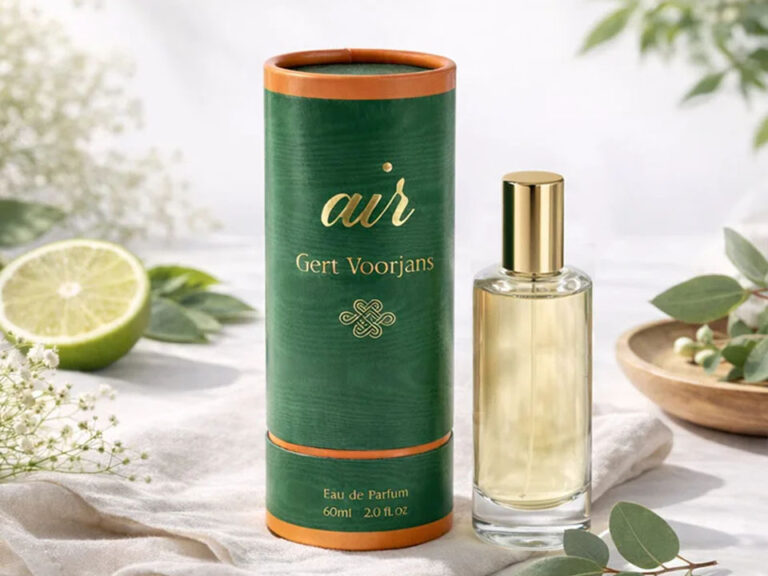
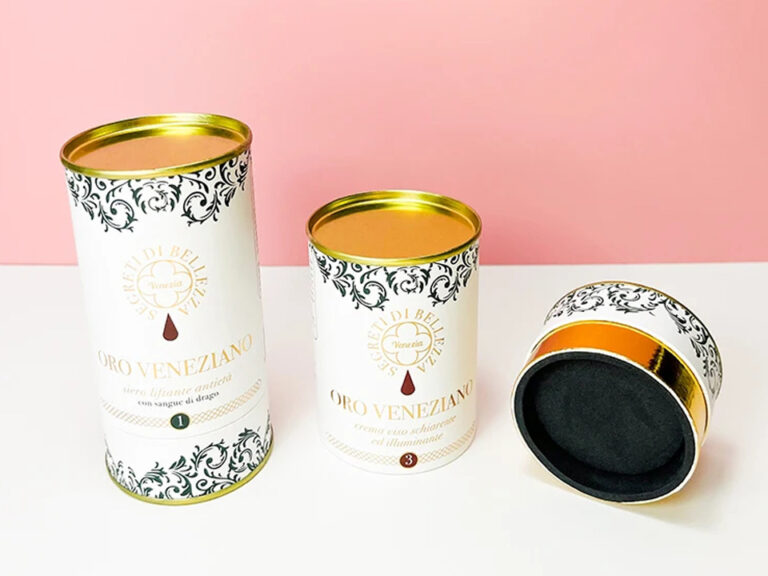
Hier glänzen Verpackungen aus festem Karton. Premium-Papierhülsen eignen sich beispielsweise gut für Kosmetika und Geschenkartikel, da sie sich stabil und bewusst anfühlen und nicht fadenscheinig sind. Sehen Sie hier ein Beispiel für eine Kosmetiktube: kosmetik-verpackungen aus karton.
Konformitäts- und Kennzeichnungsanforderungen
Wenn Sie Lebensmittel, Nahrungsergänzungsmittel, Kosmetika oder regulierte Artikel verkaufen, benötigen Sie wahrscheinlich eine Genehmigung:
Platzierung von Barcodes, die von Scannern schnell gelesen werden können
Ein konkretes Beispiel: Kindersichere Verpackungen sind eine gängige Anforderung bei Cannabisverpackungen. Hier ist ein passendes Format: Kindersichere Papierröhrenverpackung.
Materialien aus Wellpappe
Wenn die Leute “Pappkarton” sagen, meinen sie oft Wellpappe. Wellpappe ist das Arbeitspferd für den Versand, weil die Wellenstruktur für zusätzliche Festigkeit sorgt, ohne den Karton wahnsinnig schwer zu machen.
Einwandig und doppelwandig gewellt
Einzelne Wand eignet sich für leichtere Produkte und kürzere Transportwege.
Doppelwandig eignet sich für schwerere Gegenstände, längere Strecken oder ein höheres Schadensrisiko.
Wenn Sie es mit Rückbuchungen und “beschädigt angekommenen” Reklamationen zu tun haben, sollten Sie nicht gleich zum dicken Brett greifen. Prüfen Sie zunächst Ihre Auspacken (Passgenauigkeit der Einlage, Hohlraumfüllung und wie sich das Produkt im Karton bewegt). Da fängt das Problem meist an.
Kraftliner und weißer Liner
Kraftliner sieht natürlich aus und kaschiert Kratzer besser.
Weißer Liner lässt den Druck sauberer und heller aussehen.
Wenn es auf Farbgenauigkeit ankommt (Schönheit, hochwertige Geschenke), bevorzugen Sie in der Regel weißes Liner oder eine bedruckte Verpackung.
Recycelter Inhalt und Auswahl an Fasern
Recycelte Inhalte können Nachhaltigkeitsziele unterstützen, aber auch die Steifigkeit und die Glätte der Oberfläche verändern. Wenn Sie einen gestochen scharfen Druck benötigen, sollten Sie frühzeitig über Liner und Beschichtungen sprechen und nicht warten, bis die Stanzform fertig ist.
Kastenstruktur und Ziellinie
Die Struktur entscheidet darüber, wie sich die Schachtel im wirklichen Leben verhält: wie sie sich stapeln, öffnen, versenden und die Handhabung überstehen lässt.
RSC-Versandkarton
Der klassische “normale Schlitzkarton”. Er ist billig im Versand, leicht zu verkleben und lässt sich gut mit automatischen Verpackungslinien kombinieren.
Wählen Sie es wann:
Sie versenden in Sammelkartons
Sie brauchen Stapelfähigkeit
Sie brauchen nicht bei jeder Bestellung einen “Unboxing-Moment”.
Versandkarton für E-Commerce-Verpackungen
Mailer-Boxen (oft mit Klappdeckel) sind für DTC beliebt, weil sie:
ohne zusätzliche Verpackung gut aussehen
sauber öffnen
kann Innenaufdrucke für Markenmomente enthalten
Wenn Sie ein Abonnementprogramm betreiben, können Sie mit einem Mailer auch die Zusammenstellung schneller erledigen (weniger Klebeband, weniger Aufwand).
Wenn Sie Premium wünschen, ohne zerbrechliche Ecken, Pappröhrenverpackung ist eine clevere Option. Es ist starr, regalfähig und fühlt sich von vornherein wie ein Geschenk an.
Wenn Sie ein Produkt verkaufen, das die Leute verschenken, auf der Kommode ausstellen oder auf dem Ladentisch aufbewahren, können starre Tubenverpackungen den wahrgenommenen Wert unauffällig steigern.
Kundenspezifischer Schachteldruck und Verpackungsausführung
Der Druck verkauft den ersten Eindruck. Das Finish verkauft den zweiten.
CMYK-Druck und Pantone-Farbabstimmung
CMYK passt zu vollfarbigen Abbildungen und Fotos.
Pantone-Anpassung ist hilfreich, wenn Ihre Markenfarbe über mehrere Chargen hinweg einheitlich aussehen muss.
Wenn Sie schon einmal “gleiche Datei, andere Farbe” bei verschiedenen Lieferanten hatten, wissen Sie bereits, warum das wichtig ist. Nennen Sie die Erwartungen an die Farbe im Voraus (einschließlich akzeptabler Toleranzen) und genehmigen Sie, wenn möglich, einen physischen Proof.
Kaschierung, matte Oberfläche und weicher Griff
Die Oberflächenbeschaffenheit entscheidet darüber, wie abriebfest Ihre Box ist und wie hochwertig sie sich in der Hand anfühlt.
Ausführung der Verpackung
Wie es sich anfühlt
Beste Anwendungsfälle
Häufiges Risiko bei missbräuchlicher Verwendung
Matte Laminierung
glatt, modern
Schönheit, Lifestyle, Geschenkartikel
kann bei grober Behandlung Scheuerstellen aufweisen
Glänzende Laminierung
glänzend, druckvoll
auffälliger Einzelhandel, leuchtende Grafiken
Fingerabdrücke sind leicht erkennbar
Soft-Touch-Laminierung
“Samtige” Prämie
Luxusprodukte mit hohem AOV
kann bei Missbrauch kratzen
Spot UV
Kontrast + Highlights
Logos, Muster
sieht unübersichtlich aus, wenn die Registrierung nicht funktioniert
Folienprägung
Premium-Glanz
Geschenk, Schmuck, Sondereditionen
übermäßiger Gebrauch kann sich klebrig anfühlen
Quelle: Praxis der Verpackungsproduktion (Druck- und Veredelungsworkflows); die Anwendungsfälle entsprechen den hochwertigen starren Beispielen auf unserer Katalogseite.
Verpackungsbeilagen und Einbau
Die Einsätze erfüllen zwei Aufgaben: Bewegung anhalten und Upgrade-Präsentation.
Schützende Einsätze
Sie können verwenden:
gefaltete Pappeinlagen (sauber und recycelbar)
geformter Zellstoff (umweltfreundlich und stoßdämpfend)
Schaumstoff (starker Schutz, aber schwieriger für Nachhaltigkeitsansprüche)
Ops-Tipp: Wenn sich Ihr Fulfillment-Team über langsames Packen beschwert, ist Ihr Beilagen-Design wahrscheinlich zu “pingelig”. Eine gute Beilage sollte schwer falsch zu montieren sein.
Passformtoleranz und der “Schütteltest”
Tun Sie dies vor der Massenproduktion:
Produkt in die Schachtel legen
schließen
schütteln, als wäre ein Lieferwagen in ein Schlagloch gefahren
Wenn Sie Bewegungen hören, werden Sie wahrscheinlich später einen Schaden sehen.
Ein schönes Beispiel für eine Verpackung, die oft von einer Passformkontrolle profitiert, sind Verpackungen für Körperpflegeprodukte oder Zubehör - vor allem, wenn Sie Fenster, Griffe oder Ausstellungselemente hinzufügen. Sehen Sie hier ein Fenster- und Griffmodell: Haargummi-Schlauchverpackung.
Workflow für Verpackung und Versand im elektronischen Handel
Hier gewinnen oder verlieren Marken an Marge.
Right-Sizing zur Verringerung von Abmessungsnachteilen
Die Spediteure berechnen viele Sendungen nach Größe und nicht nach Gewicht. Wenn Ihr Karton größer ist, als er sein müsste, zahlen Sie für Luftfracht. Das ist der Grund Größenanpassung und dichtes Auspacken sind wichtig.
Praktischer Schritt: Entwerfen Sie die Verpackung entsprechend Ihrer Strategie für die Größe des Fulfillment-Kartons (Einzelartikel, Pakete, Abonnement-Kits). Entwerfen Sie keine Schachtel, die Ihr Lager dazu zwingt, sie mit zusätzlicher Füllung zu “füllen”.
Barcodes, Konfektionierung und Verpackungsgeschwindigkeit
Wenn Sie auf Marktplätzen verkaufen oder mehrere SKUs verwalten, sollten Sie das tun:
Barcode-Zonen
Platz für Chargen-/Losetiketten (falls erforderlich)
vorhersehbares Öffnen/Schließen, damit die Packer nicht mit der Kiste kämpfen
Mit anderen Worten: Machen Sie Ihre Verpackungen nicht zu einem täglichen Mikroproblem für die operativen Mitarbeiter.
Nachhaltige Verpackungen und wiederverwertbare Verpackungen
Nachhaltigkeit verkauft sich, wenn sie real und leicht verständlich ist.
Verwenden Sie nach Möglichkeit Einstoffverpackungen
Wenn die Schachtel hauptsächlich aus Papier besteht, ist das Recycling einfach. Probleme treten auf, wenn zu viele Materialien gemischt werden (Kunststofffenster, schwere Folien überall, unsaubere Beschichtungen).
Wenn Nachhaltigkeit Teil Ihrer Markengeschichte ist, sollten Sie dies anstreben:
papierbasierte Struktur
minimaler Materialmix
einfache Entsorgungshinweise für Verbraucher
Recycelbare Verpackungen, die trotzdem hochwertig aussehen
Sie brauchen keine lauten “Öko”-Botschaften. Viele Marken gewinnen, indem sie zunächst das Gefühl vermitteln, dass es sich um ein hochwertiges Produkt handelt, und dann die Nachhaltigkeit als Bonus einfließen lassen. Starre Papiertubenverpackungen eignen sich hier oft sehr gut, da sie aus Karton bestehen und im wirklichen Leben wiederverwendbar sind (die Leute behalten sie zur Aufbewahrung).
Bei Nahrungsergänzungsmitteln und Eiweißpulvern werden beispielsweise häufig starre Röhren verwendet, die sich robust und sauber anfühlen: Proteinpulver-Verpackungsröhre.
OEM/ODM-Verpackungen und Großhandelsbestellungen
Wenn Sie Nachbestellungen planen, sollten Sie Ihre erste Auflage nicht als einmalige Aktion betrachten.
Checkliste für Probenahme und Vorproduktion
Wenn Sie einen Lieferanten informieren, teilen Sie ihn:
Produktgröße + Gewicht + Hinweise zur Zerbrechlichkeit
Anforderungen an den Einsatz (wiederverwertbar vs. maximaler Schutz)
Qualitätskontrolle zum Schutz Ihrer Marke
Ein solider QC-Plan prüft:
Genauigkeit der Stanzlinie (Anpassen + Schließen)
Druckausrichtung (Registrierung)
Farbkonsistenz
Leimfestigkeit und Nahtqualität
Scheuerfestigkeit für Ihre Versandrealität
Wenn Sie skalieren, ist die Qualitätskontrolle kein “Extra”. So vermeidet man, dass eine ganze Charge fehlerhaft aussieht.
Spezifikationstabelle, die Sie in Ihre RFQ kopieren können
Spezieller Artikel
Was ist zu definieren?
Warum das wichtig ist
Box-Stil
Mailer / Versandkarton / starr / Rohr
betrifft Kosten, Versand und Unboxing
Material
Wellpappe / Hartpappe / Papierröhre
entscheidet Stärke + Druckoberfläche
Typ einfügen
Pappe / Zellstoff / Schaumstoff / keine
reduziert Schäden + verbessert die Präsentation
Drucken
CMYK/Pantone
Markenkonsistenz über alle Auflagen hinweg
Oberfläche
matt / glänzend / soft touch / spot UV / Folie
Griffigkeit + Scheuerfestigkeit
Verfahren zur Verpackung
flach verpackt / montiert
beeinflusst die Lagerabwicklung
Quelle: Standard RFQ-Felder, die bei der Herstellung kundenspezifischer Verpackungen verwendet werden; unterstützt durch die Vielfalt der in unserem Produktkatalog gezeigten Strukturen.
Letzter Gedanke: Verpackungen herstellen, die sich verkaufen und versenden lassen
Die beste Kartonverpackung erfüllt drei Aufgaben auf einmal:
überlebt den Transport (damit die Rendite nicht Ihre Marge auffrisst)
sieht aus wie Ihre Marke (damit die Kunden Ihnen sofort vertrauen)
läuft reibungslos in Ops (damit Ihr Team ohne Chaos skalieren kann)
Wenn Sie sich von verschiedenen Branchen inspirieren lassen möchten - Schönheit, Lebensmittel, Geschenke und geregelte Kategorien -, schauen Sie sich die kundenspezifische Verpackungsprodukte Seite und wählen Sie die Struktur, die zu Ihrem Vertriebskanal passt.