Sie sehen noch nicht die richtige Verpackungslösung? Sprechen Sie mit unserem Chef.
Wenn Sie sich unsere Website angesehen oder mit dem Vertrieb gesprochen haben und immer noch keinen klaren Weg sehen, senden Sie Ihre Anfrage hier. Ihre Nachricht wird direkt an unseren General Manager weitergeleitet, der die Machbarkeit, die Kosten und die Vorlaufzeit prüft. Sie erhalten einen klaren Hinweis auf den nächsten Schritt - was wir tun können, was wir von Ihnen benötigen und wie Sie am schnellsten zu einem Angebot kommen.
Direkte GM-Prüfung Ihrer Spezifikationen, Ihres Anwendungsfalls und Ihrer Beschränkungen
Kontrolle von Größe und Struktur: Durchmesser, Höhe, Wandstärke, Einsätze
Druck- und Veredelungsempfehlungen passend zu Marke und Budget
Alternativen zur Kostensenkung und zur Verbesserung der Durchlaufzeit
Klarheit über den Angebotsweg: MOQ, Stichprobenplan und das weitere Vorgehen
Sprechen Sie mit unserem Chef
Erhalten Sie ein schnelles Angebot für individuelle Papierröhrenverpackungen
Entwickelt für Verpackungsmanager, Einkäufer und Verpackungsingenieure. Geben Sie Größe, Menge und Ausführung an, um Preis, Vorlaufzeit und Spezifikationsanweisungen für us/eu-Programme zu erhalten.
Angebotserstellung nach Maß: Durchmesser, Höhe, Wandstärke, Einsätze, Einlagen und Verschlüsse
Erforschung innovativer Anwendungen von Papierhülsen in der Verpackung
Inhaltsübersicht
Früher fühlten sich die Papiertuben wie “Poster-Mailer” an und nicht mehr. Diese Geschichte ist überholt. Heute kann eine gut gestaltete Papphülse Produkte schützen, die Regalpräsenz verbessern und Ihre Verpackungsstrategie näher an dem halten, was Einzelhändler und Marktteilnehmer tatsächlich wollen: weniger Schäden, sauberes Branding und einfachere Recyclinggespräche.
Wenn Sie eine Marke aufbauen oder für den Großhandel einkaufen, lautet die eigentliche Frage nicht: “Kann ich eine Papiertube verwenden?” Sie lautet welche Papierhülsenspezifikation zu Ihrem Produkt, Ihrem Erfüllungsablauf und Ihren Compliance-Anforderungen passt.
Struktur und Festigkeit von Papierröhrenverpackungen
Eine Papierhülse funktioniert, weil die Zylinderform die Kraft auf den Körper verteilt. Das hilft bei echtem Versandchaos: gestapelte Kartons, Abwurf an den Ecken, Komprimierung bei der Lieferung auf der letzten Meile und Handhabung im Lager.
Festigkeit und Schlagzähigkeit von spiralförmig gewickelten Papierhülsen
Wenn Sie zerbrechliche oder formempfindliche Artikel versenden, ist die “Röhrenspezifikation” wichtiger als die Grafik. Denken Sie in Kategorien wie Druckfestigkeit, Wandstärke, und Kantenschutz. Aus diesem Grund tauchen Tuben immer wieder in Kategorien auf, in denen Faltschachteln zerdrückt werden.
Praktische Beispiele, mit denen Sie arbeiten können:
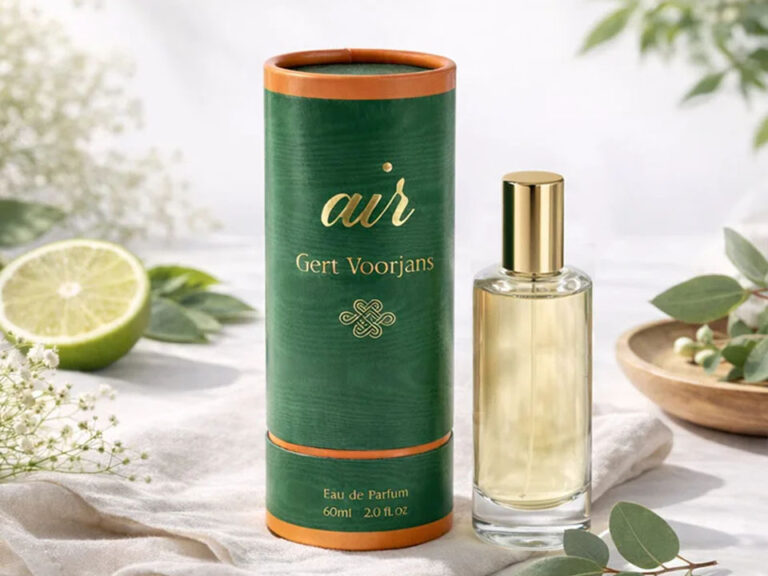
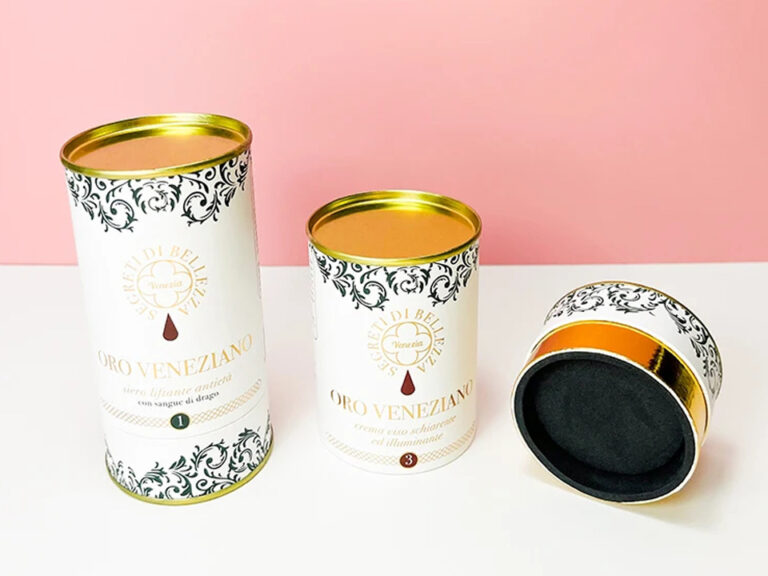
Kosmetika und HautpflegemittelPremium-Look + besserer Schutz als dünne Pappe. Siehe Kosmetik-Tubenverpackungen.
Verschlüsse für Papierhülsenverpackungen und Mehrkomponentendesign
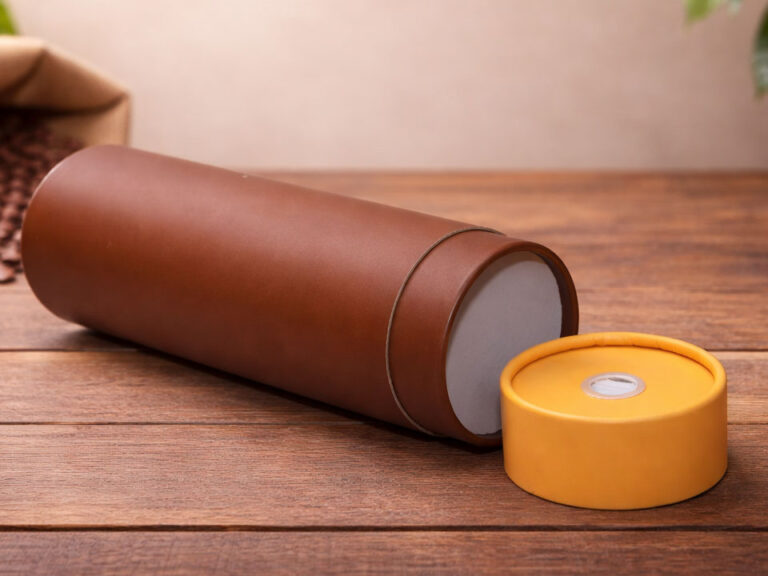
Die Leute sagen “Papiertube”, als ob es sich um ein einzelnes Teil handelt. Bei der Herstellung handelt es sich um ein kleines System: Tubenkörper, Deckel, Boden, Einlagen, Einsätze und manchmal ein Fenster oder ein Griff.
Papierhülsendeckel, -böden, -einsätze und Manipulationssicherungen
Möchten Sie Rücksendungen und Beschwerden über beschädigte Ware vermeiden? Machen Sie die Tube nicht einfach nur dicker. Erstellen Sie einen Verschlussplan:
Dicht schließender Deckel für erstklassiges Unboxing und Wiederverschließen.
Manipulationssichere Merkmale wenn das Produkt beim ersten Öffnen Vertrauen braucht.
Einsätze um die SKU an ihrem Platz zu halten (kein Klappern, keine Kratzer, kein “es sieht gebraucht aus”).
Ein gutes Beispiel für eine Tube, die Struktur und einzelhandelsfreundliche Extras vereint, ist diese Haargummi-Tubenverpackung mit Klarsichtfenster und Griff. Fenster und Griffe können ein Gewinn sein, aber sie wirken sich auch auf die Wiederverwertbarkeit und die Liniengeschwindigkeit aus, so dass man sie absichtlich angeben sollte.
E-Commerce-Versandschutz mit Papierröhrenverpackungen
D2C- und Cross-Border-Verkäufer leben und sterben von der Schadensquote und den Bewertungen. Schläuche glänzen hier, weil sie sich nicht verbiegen lassen und die Kanten besser schützen als viele flache Kartons.
D2C-Erfüllung Haltbarkeit und Unboxing-Erfahrung
Hier schneiden Röhren in der Regel besser ab:
Lange Artikel die sich während des Transports verbiegen (Poster, Zubehör, einige elektronische Zusatzgeräte)
Hochwertige Kleinwaren wo Unboxing = Markenwert
Verpackung im Abonnement-Stil wenn eine wiederholte Handhabung eine erneute Schließung erfordert
Und ja, man kann eine “Premium-Marke” sein, ohne kompliziert zu werden. Ein sauberes Etikettenlayout, eine konsequente Farbkontrolle und ein dichter Deckel wirken teuer, auch wenn die Struktur einfach bleibt.
Lebensmittelgeeignete Papierröhrenverpackungen und Barrierebeschichtungen
Lebensmittel und Nahrungsergänzungsmittel bringen eine andere Realität mit sich: Sauerstoff, Feuchtigkeit, Öl-/Fettmigration, Aromaverlust, und Haltbarkeitserwartungen. Wenn Sie Papierhülsen in diesem Bereich einsetzen wollen, brauchen Sie die richtige Barrierestrategie.
Barrierebeschichtungen für Feuchtigkeit, Fette und Aromen
Die meisten lebensmittelechten Tuben sind mit einer Innenschicht oder Beschichtung versehen, um sie zu handhaben:
Feuchtigkeitsbarriere (das Verklumpen von Puder ist ein echtes Ärgernis)
Wiederaufbereitbarkeit und Recyclingfähigkeit von Verpackungen aus Papier
Hier ist die Nuance, die Käufer respektieren: Papier ist nicht automatisch “leicht zu recyceln”.” Das entscheidet Ihr Materialstapel. Dicke Kunststofflaminate können die Wiederaufbereitung erschweren, während intelligentere Beschichtungen die Faserrückgewinnung realistisch halten sollen.
Wenn Ihre Kunden Wert auf Nachhaltigkeit legen, sollten Sie etwas Konkretes sagen:
Welche Teile sind aus Pappe?
welche Teile aus Metall/Kunststoff bestehen (falls vorhanden)
ob das Design eine schwere Folienkaschierung vermeidet
Kindersichere Hülsenverpackung aus Papier
Bei manchen Kategorien kann man nicht einfach “drauflos” handeln. Wenn Sie regulierte Waren verkaufen, brauchen Sie eine Verpackung, die die Einhaltung von Vorschriften unterstützt und Risiken reduziert.
Kindersichere Papierröhrenverpackung für Cannabis und CBD
Kindersicher muss nicht gleichbedeutend mit hässlichen Plastikschalen sein. Röhren können je nach Design und Marktanforderungen CR-ähnliche Mechanismen unterstützen.
Aus geschäftlicher Sicht helfen Ihnen CR-fähige Röhren:
Schutz des Produkts (und der Marke) bei Konformitätsprüfungen
ein hochwertiges Regalbild zu erhalten
Verringerung der Beschwerden über “verdächtige Verpackungen” in Rezensionen
Palettierung von Papierhülsenverpackungen und Raumeffizienz
Seien wir ehrlich: Zylinder lassen sich nicht wie Ziegelsteine stapeln.
Effizienz der Palettierung und Sekundärverpackung
Rohre können Platz verschwenden, wenn man sie lose versendet. Die Lösung sind Standardoperationen:
Rohre einpacken rechteckige Umkartons
verwenden. Teiler oder Verschachtelung soweit möglich
Spezifizieren Sie die Abmessungen der Rohre anhand Ihres Musterkartons und des Palettenmusters (hier machen sich kleine Änderungen bezahlt)
Dies ist ein klassischer “verpackungstechnischer” Handel: Sie erhalten einen besseren Produktschutz und eine bessere Wirkung im Regal, und dann sorgen Sie mit einer intelligenten Sekundärverpackung für eine saubere Logistik.
Herstellung und Skalierung von OEM/ODM-Papierschachteln
Ein schöner Prototyp nützt Ihnen nichts, wenn Sie ihn nicht skalieren können. Wenn Sie im Großhandel verkaufen oder mehrere Artikel führen, brauchen Sie eine stabile Produktion, eine konsistente Qualitätskontrolle und eine Lagerung, die Ihre Vorlaufzeiten nicht beeinträchtigt.
Großhandel, Verpackungen für Großbestellungen und Konsistenz bei Mehrfach-SKUs
Hier kommt es auf die Ausstattung des Herstellers an. Wir betreiben eine moderne Werkstatt für die Reinigung von Lebensmittelverpackungen und ein 12.300 m² großes dreidimensionales Lager mit einem durchschnittlichen Tagesausstoß von über 300.000 Stück (die Kapazität ist wichtig, wenn Sie SKUs aufstocken, saisonale Auflagen starten oder Händler beliefern).
Was das für Sie bedeutet:
OEM/ODM-fähige Arbeitsabläufe für Marken, Fabriken und Agenturen
Unterstützung für den Großhandel für Vertriebshändler und Plattformverkäufer
einheitliche Druckkontrolle wenn Sie chargenübergreifend neu bestellen
Datentabelle: Fakten zu Verpackungen, nach denen Käufer tatsächlich fragen
Thema
Was es den Käufern signalisiert
Nützlicher Datenpunkt / Hinweis
Quelle: Typ
Papierverwertungsquote
Glaubwürdigkeit der Wiederverwertbarkeit
Papierverwertung gemeldet bei 67.9% und Pappe bei 93.6%
AF&PA
Zusammensetzung der EU-Verpackungsabfälle
“Papier ist ein großes Volumen, daher ist das Design wichtig”.”
Papier und Pappe sind der größte Verpackungsabfallstrom in der EU
Eurostat
Werksseitige Skalierungskapazität
Versorgungssicherheit für den Großhandel
Durchschnittliche tägliche Kapazität 300.000+ Stück, Lagerhaus 12,300 m²
Betrieb des Unternehmens
Lebensmitteltaugliche Leistung
Haltbarkeit und Reklamationsreduzierung
Barriereschichten gegen Feuchtigkeit/Fett/Aroma; Auswahl von Stapeln, die die Faserrückgewinnung realistisch halten
Forschung über Verpackungsmaterialien + industrielle Praxis
Szenario-Tabelle: Wo Papierhülsenverpackungen gewinnen (und was zu spezifizieren ist)
Einsatzszenario
Merkmal der Tubenverpackung
Ops/Marken-Payoff
Hochwertige Kosmetik
dichter Deckel + hochwertige Verarbeitung + Einsatz
bessere Regalwirkung, weniger zerdrückte Kartons
Tee und Trockenpulver
lebensmittelechte Barriere + sichere Basis
weniger Beschwerden über Klumpenbildung, mehr “Frische”-Geschichte
Einhaltung der Vorschriften: Kindersicherungsbedarf, Kennzeichnungsvorschriften, regionale Anforderungen
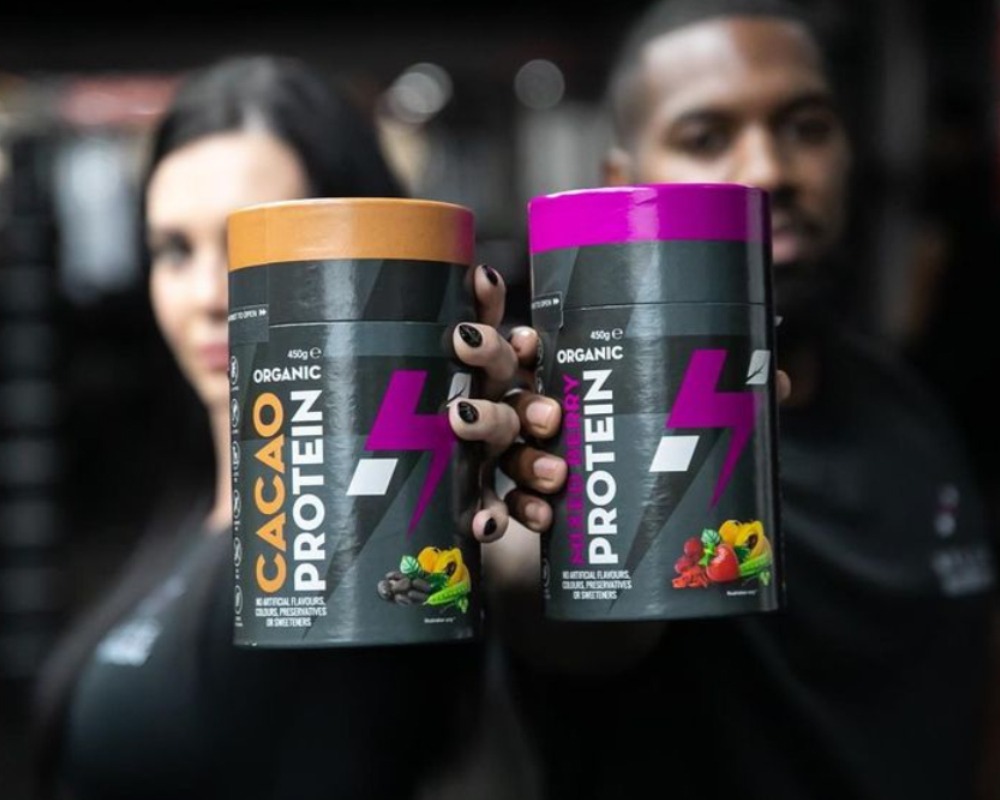
Wenn Sie einen schnellen Startpunkt wünschen, wählen Sie eine bewährte Struktur von unseren Produktseiten (wie Proteinpulver-Papierröhrenverpackung), und passen Sie dann den Deckel, den Liner und das Druckfinish an Ihre SKU und Ihren Kanal an.
Papphülsen sind keine modische Form. Sie sind ein Verpackungswerkzeug, das echte Probleme löst - Schadensquote, Regalpräsenz und Compliance - wenn man sie wie ein Ingenieur spezifiziert und wie eine Marke verkauft.