Sie sehen noch nicht die richtige Verpackungslösung? Sprechen Sie mit unserem Chef.
Wenn Sie sich unsere Website angesehen oder mit dem Vertrieb gesprochen haben und immer noch keinen klaren Weg sehen, senden Sie Ihre Anfrage hier. Ihre Nachricht wird direkt an unseren General Manager weitergeleitet, der die Machbarkeit, die Kosten und die Vorlaufzeit prüft. Sie erhalten einen klaren Hinweis auf den nächsten Schritt - was wir tun können, was wir von Ihnen benötigen und wie Sie am schnellsten zu einem Angebot kommen.
Direkte GM-Prüfung Ihrer Spezifikationen, Ihres Anwendungsfalls und Ihrer Beschränkungen
Kontrolle von Größe und Struktur: Durchmesser, Höhe, Wandstärke, Einsätze
Druck- und Veredelungsempfehlungen passend zu Marke und Budget
Alternativen zur Kostensenkung und zur Verbesserung der Durchlaufzeit
Klarheit über den Angebotsweg: MOQ, Stichprobenplan und das weitere Vorgehen
Sprechen Sie mit unserem Chef
Erhalten Sie ein schnelles Angebot für individuelle Papierröhrenverpackungen
Entwickelt für Verpackungsmanager, Einkäufer und Verpackungsingenieure. Geben Sie Größe, Menge und Ausführung an, um Preis, Vorlaufzeit und Spezifikationsanweisungen für us/eu-Programme zu erhalten.
Angebotserstellung nach Maß: Durchmesser, Höhe, Wandstärke, Einsätze, Einlagen und Verschlüsse
Leitfaden für die Auswahl der perfekten individuellen Boxen
Inhaltsübersicht
Die Auswahl maßgeschneiderter Kartons klingt einfach, bis man auf die wirklichen Probleme stößt: eingedrückte Ecken beim Transport, ein Deckel, der sich “billig” anfühlt, Etiketten, die nicht passen, oder ein hochwertiges Produkt, das im Regal durchschnittlich aussieht.
Wenn Sie weniger Kopfschmerzen haben wollen, sollten Sie mit derselben Logik beginnen, die auch Verpackungsingenieure verwenden: Wählen Sie zuerst den richtigen Boxentyp für den Auftrag, und legen Sie dann Größe, Struktur und Oberflächen fest.
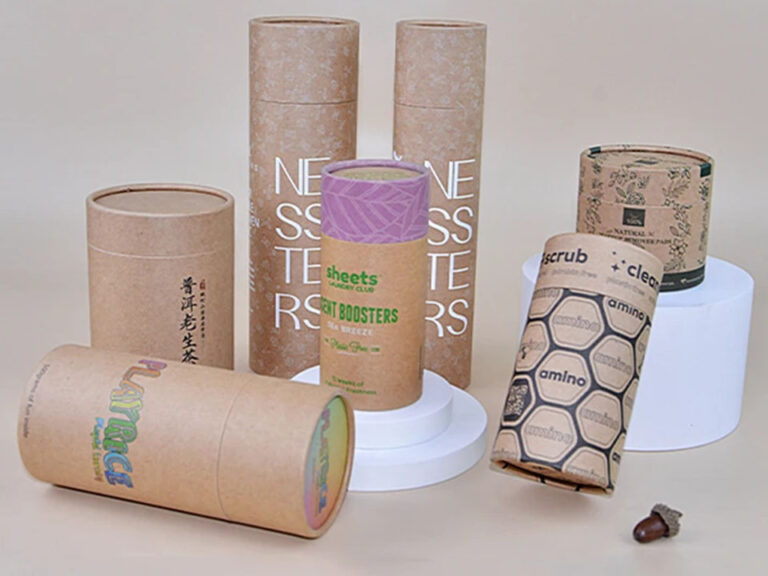
Wenn Sie Tubenverpackungen aus Papier verkaufen, sind Sie bereits auf einem guten Weg. Tuben schützen gut, lassen sich sauber stapeln und fühlen sich hochwertig an, ohne nach Aufmerksamkeit zu schreien. Sie können die Stile in unserem Produkte Liste.
Und wenn Sie Kapazitäten für Großserien benötigen, finden Sie auf unserer Website eine Werkstatt für die Reinigung moderner Lebensmittelverpackungen plus eine 12.300m² Lager, mit durchschnittliche Tageskapazität über 300.000 Stück. (Kundenspezifische Papierröhrchen-Boxen)
Benutzerdefinierte Boxen beginnen mit Boxentyp und Anwendungsfall
1) Wählen Sie zuerst den Schachteltyp, dann die Materialien und die Verarbeitung
Bevor Sie nach “starr”, “luxuriös” oder “ökologisch” fragen, überlegen Sie, was Ihre Box überleben soll:
Einzelhandelsregal: Wirkung im Regal, sauberes Branding, Lesbarkeit des Barcodes
2) Kosmetikverpackungen verkaufen das Markengefühl, nicht nur den Schutz
Käufer von Kosmetika urteilen schnell. Ihre Box wird zum “ersten Blick” auf Ihre Marke.
Praktische Schritte, die in der realen Welt funktionieren:
Entscheiden Sie sich für eine Markenausrichtung (minimal, klinisch, natürlich, luxuriös) und halten Sie diese konsequent ein.
Kontrolle Farbziele früh (CMYK vs. Pantone-Erwartungen).
Verwenden Sie die Lacke gezielt: matt für modern, soft-touch für hochwertig, punktuell glänzend für Highlights.
Fügen Sie einen Einsatz hinzu, wenn sich das Produkt drehen oder wackeln kann. Klappern tötet die Premium-Atmosphäre.
Wenn Sie Schönheitsartikel verkaufen, beginnen Sie mit einer bewährten Struktur wie unserer Kosmetik-Tubenverpackungen.
Geschenkboxen und Unboxing
3) Bei Geschenkboxen geht es um die Reihenfolge des Auspackens
Geschenkverpackungen sind nicht “eine schönere Schachtel”. Es ist eine Choreografie.
Denken Sie in Schritten:
Erste BerührungTextur, fester Sitz, kein billiges Wackeln
Erste AnsichtBotschaft, Logoplatzierung, sauberer Innenumschlag
Enthüllen Sie: Das Produkt sitzt gerade, kein Wackeln, keine Kratzer
Nach GebrauchMenschen behalten sie oder werfen sie weg
Eine Papphülse ist hier besonders gut geeignet, weil sie sich wie ein Andenken anfühlt. Fügen Sie einen individuellen Einsatz hinzu, und Ihr Unboxing wird maßstabsgetreu wiederholbar.
Verpackungskartons für den Einzelhandel
4) Einzelhandelsboxen arbeiten wie Regalverkäufer
In einem Regal muss Ihre Verpackung innerhalb von Sekunden drei Aufgaben erfüllen:
Stopp der Einkäufer
Erklären Sie das Produkt schnell
Bestätigen Sie die Marke ist vertrauenswürdig
Verwenden Sie die Verpackungshierarchie wie ein Profi:
Vorderseite: Name des Hauptprodukts + ein Hauptnutzen
Seite: Wesentliche technische Daten und Text zur Einhaltung der Vorschriften
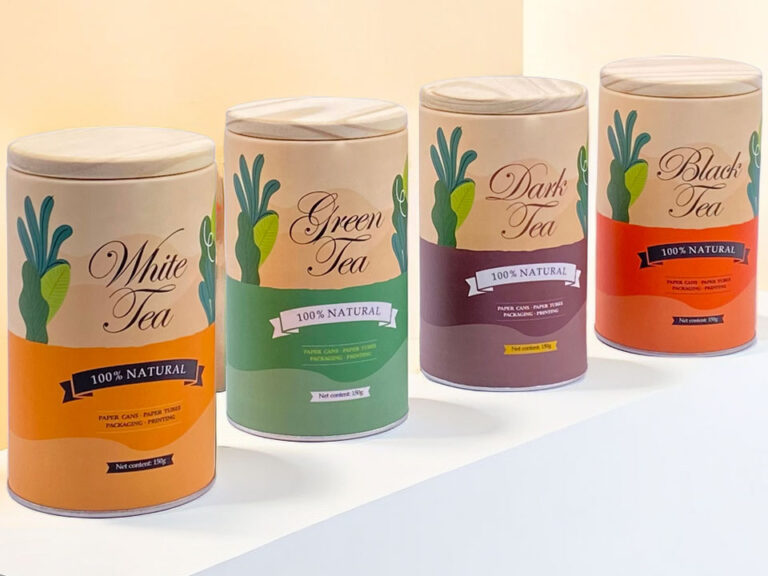
Für einzelhandelsintensive Kategorien wie Nahrungsergänzungsmittel und Tee kann eine saubere Tube gut aussehen und stabil bleiben. Beispiele finden Sie in unserem Produkte Katalog.
Maßgeschneiderte Boxengröße und Toleranz
5) Messen Sie die Maße mit Toleranz, nicht mit Vermutungen
Ein häufiger Fehler ist es, nur das Produkt zu messen und eine “perfekte Passform” zu bestellen. Das geht in der Regel an der Verpackungslinie nach hinten los.
Was Sie stattdessen tun sollten:
Messen Sie die maximal Durchmesser/Breite, nicht den Durchschnitt.
Lassen Sie einen kleinen Abstand, damit die Arbeiter schnell packen können, ohne sich zu verletzen.
Wenn Sie eine knappe Präsentation benötigen, verwenden Sie eine einfügen. um die Bewegung zu kontrollieren, anstatt das Rohr zu schrumpfen.
Auf diese Weise vermeiden Sie Verzögerungen in der Produktion, Rücksendungen und den schmerzhaften E-Mail-Faden “Warum passt das nicht?.
Materialien und Struktur von Papierhülsenverpackungen
6) Struktur und Materialien auf die Vertriebskanäle abstimmen
Nicht jedes Rohr ist für dieselbe Strecke gebaut.
DTC-Versand will Beulenfestigkeit und zuverlässigen Verschluss.
Wiederauffüllung im Einzelhandel will Stapelstabilität und saubere Kanten.
Lebensmittel und Nahrungsergänzungsmittel brauchen oft ein besseres Barrieredenken und eine konsequente Deckelanpassung.
Beispiele, die unterschiedliche Funktionsrichtungen signalisieren:
Wenn Sie OEM/ODM oder Großhandelsmengen bestellen, erspart Ihnen der Beitrag eines Verpackungsingenieurs Nacharbeit. Auf unserer Homepage wird hervorgehoben, dass Sie direkt mit Verpackungsingenieuren über Struktur, Materialien, Veredelungen, Einsätze und kindersichere Optionen sprechen können. (Kundenspezifische Papierröhrchen-Boxen)