Sie sehen noch nicht die richtige Verpackungslösung? Sprechen Sie mit unserem Chef.
Wenn Sie sich unsere Website angesehen oder mit dem Vertrieb gesprochen haben und immer noch keinen klaren Weg sehen, senden Sie Ihre Anfrage hier. Ihre Nachricht wird direkt an unseren General Manager weitergeleitet, der die Machbarkeit, die Kosten und die Vorlaufzeit prüft. Sie erhalten einen klaren Hinweis auf den nächsten Schritt - was wir tun können, was wir von Ihnen benötigen und wie Sie am schnellsten zu einem Angebot kommen.
Direkte GM-Prüfung Ihrer Spezifikationen, Ihres Anwendungsfalls und Ihrer Beschränkungen
Kontrolle von Größe und Struktur: Durchmesser, Höhe, Wandstärke, Einsätze
Druck- und Veredelungsempfehlungen passend zu Marke und Budget
Alternativen zur Kostensenkung und zur Verbesserung der Durchlaufzeit
Klarheit über den Angebotsweg: MOQ, Stichprobenplan und das weitere Vorgehen
Sprechen Sie mit unserem Chef
Erhalten Sie ein schnelles Angebot für individuelle Papierröhrenverpackungen
Entwickelt für Verpackungsmanager, Einkäufer und Verpackungsingenieure. Geben Sie Größe, Menge und Ausführung an, um Preis, Vorlaufzeit und Spezifikationsanweisungen für us/eu-Programme zu erhalten.
Angebotserstellung nach Maß: Durchmesser, Höhe, Wandstärke, Einsätze, Einlagen und Verschlüsse
Papierhülsen sind überall zu finden: Toilettenpapierrollen, Versandhülsen, Etikettenhüllen und sogar Verpackungseinsätze. Sie sehen einfach aus, sind aber eigentlich ein ziemlich nützliches Material, wenn man sie richtig behandelt. Der Trick besteht darin, eine saubere “Abfallleiter”-Mentalität zu verfolgen: Erst wiederverwenden, dann recyceln, und kompostieren Sie nur, wenn Recycling keinen Sinn macht.
Wenn Sie eine Marke, eine Fabrik, ein Designstudio oder ein Großhandelsunternehmen betreiben, sind Papierhülsen auch auf der geschäftlichen Seite wichtig. Tuben können Plastik einsparen, die Regalpräsenz verbessern und das Auspacken zu einem hochwertigen Erlebnis machen, ohne zerbrechlich zu sein.
In diesem Leitfaden finden Sie praktische Ideen für Ihr Zuhause und Ihr Unternehmen sowie eine kurze Tabelle mit Angaben und Quellen, damit der Artikel glaubwürdig wirkt.
Wiederverwendung vor Recycling von Papierhülsen
Recycling funktioniert am besten, wenn man nicht mehr Leben aus dem Gegenstand herausquetschen kann. Papierhülsen sind perfekt für die Wiederverwendung, da sie steif, leicht und einfach zu schneiden sind.
Hier sind schnelle, praxisnahe Szenarien:
Lagerhaltung und Auftragsabwicklung: Verwenden Sie Röhren zum Schutz von Postern, Drucken und zerbrechlichen, langen Gegenständen in einer Versandtasche. Dies ist eine einfache Methode, um “Eckenknicke” und Kundenrücksendungen zu vermeiden.
Einzelhandel Hinterzimmer: Bündeln Sie Kabel, Anhängeetiketten, Bänder und Kleinteile in Röhrchen, damit die Mitarbeiter sie sofort mitnehmen können.
Studio und Prototyping: Verwenden Sie Tuben als Muster für die Verpackung von Flaschen. So können Sie den Durchmesser, die Passform der Kappe und die Verpackung der Etiketten überprüfen, bevor Sie die Werkzeuge freigeben.
Wenn Sie bereit sind, von “zufälligen Tuben” auf einheitliche Verpackungen umzusteigen, beginnen Sie mit Ihrem Katalog: Produkte
Papierhülsen für das Recycling sauber und trocken halten
Die meisten Recyclingsysteme behandeln Papier wie einen “sauberen Faserstrom”. Sobald es nass, ölig oder mit Lebensmitteln verschmutzt ist, sinkt der Wert schnell.
Eine einfache Regel, die Sie anwenden können:
Trocken + sauber: recyceln
Nass, fettig oder mit Lebensmitteln verschmutztKompost (wenn erlaubt) oder Müll, wenn kein Kompost vorhanden ist
Das gilt auch für gewöhnliche Gegenstände wie Küchenrollen. Wenn eine Tube neben einem Waschbecken lag und feucht geworden ist, sollte sie nicht in den Papierkorb geworfen werden.
Papierhülsen und Lebensmittelkontamination
Verunreinigungen mit Lebensmitteln verursachen zwei Probleme: Sie können das benachbarte Papier im selben Ballen ruinieren und dazu führen, dass eine Charge zurückgewiesen wird. Wenn Sie eine Anlage oder ein Geschäft leiten, sind das stille Kosten, denn sie verschwenden Zeit beim Sortieren und bereiten zusätzliche Probleme bei der Entsorgung.
Kunststoffkappen und gemischte Materialien entfernen
Einige Röhren werden mit Kunststoff-Endkappen, Metalldeckel, Liner, oder Fensterfolie. Gemischte Materialien können das Recycling blockieren, wenn Sie sie nicht vorher trennen.
Tun Sie dies, bevor Sie eine Röhre recyceln:
Abziehen Kunststoffkappen und recyceln Sie sie (wenn Ihr örtliches Programm diesen Kunststofftyp akzeptiert)
entfernen Etiketten wenn sie stark beschichtet oder laminiert sind
Behalten Sie nur auf Papier Teile zusammen
Dies ist auch eine Lehre für das Verpackungsdesign: Wenn Sie eine einfache Handhabung am Ende des Lebenszyklus wünschen, reduzieren Sie die Anzahl der Teile aus gemischten Materialien oder sorgen Sie dafür, dass sie leicht zu trennen sind.
Prüfen Sie die örtlichen Recyclingvorschriften für Papierhülsen
Für das Recycling gibt es kein einheitliches Regelwerk. Einige Städte nehmen Papierhülsen in den gemischten Papierstrom auf. Andere tun dies nicht, oder sie behandeln sie je nach Beschichtung und Auskleidung unterschiedlich.
Wenn Sie Verpackungstexte für eine Marke schreiben, sollten Sie nicht versprechen, dass die Verpackung recycelbar ist, es sei denn, Sie können es belegen. Ein sicherer Ansatz ist:
“Papierhülsen sind dort recycelbar, wo es entsprechende Anlagen gibt.”
“Bitte prüfen Sie die örtlichen Richtlinien.”
Das sorgt für mehr Ehrlichkeit und weniger Kundenbeschwerden.
Kompost verschmutzte Papierhülsen
Wenn eine Tube fettig (z. B. Pizzaspritzer), schimmelig oder durchnässt ist, macht Kompost oft mehr Sinn als Recycling. Kompost funktioniert am besten, wenn Sie Plastik, Folien und schwere Beschichtungen vermeiden.
Gute Kompostkandidaten:
Toilettenpapierrollen
Saubere Papphülsen
Leicht benutzte Haushaltspapierhülsen (kein Film, keine Folie)
Schlechte Kompostkandidaten:
Schläuche mit nicht entfernbaren Kunststoffeinsätzen
Tuben mit schweren Laminat- oder Metalleffekten
Ideen für die Aufbewahrung von Papierröhren und das Kabelmanagement
Dies ist der Abschnitt “Sie werden es morgen tatsächlich benutzen”.
Papierhülsen für Schubladeneinteilungen
Schneiden Sie die Rohre in kurze Ringe. Lege sie aufrecht in eine Schublade. Jetzt haben Sie sofortige Trennwände für:
USB-Kabel
Haargummis
Kleine Werkzeuge
Bastelbedarf
Es macht wenig Aufwand und stoppt den “Schneeballeffekt” der Müllschublade.”
Papierhülsen für Kabelkennzeichnung
Falten Sie ein Kabel, schieben Sie es in eine Röhre und beschriften Sie die Außenseite mit einem Etikett. Wenn Sie E-Commerce-Retouren oder ein kleines Studio verwalten, können Sie so den Auf- und Abbau beschleunigen.
Papierröhrensaatgut und Gartenverwendung
Papierröhren eignen sich hervorragend für Setzlinge, weil man sie später einpflanzen kann, ohne einen Wurzelschock zu erleiden.
Hier ist ein einfacher Aufbau:
Ein Ende einklemmen, um eine Basis zu bilden.
Mit Erde auffüllen.
Samen pflanzen.
Setzen Sie die ganze Röhre in einen größeren Topf oder ein Gartenbeet um, sobald der Sämling kräftig ist.
Wenn Sie eine Marke sind, die Wellness-, Tee- oder Naturprodukte verkauft, passen gartenfreundliche Geschichten zur Wiederverwendung zu Ihrer Kundenstimmung. Außerdem bieten sie saubere Inhalte für Produktseiten und Beilagen.
Papierröhren-Basteleien und STEM-Projekte
Röhren eignen sich hervorragend für Kinderprojekte und Aktivitäten im Klassenzimmer, denn sie sind sicher, leicht und einfach zu dekorieren.
Ideen, die keine ausgefallenen Werkzeuge benötigen:
Mini-Ferngläser
Murmelbahnen
Einfache Instrumente
Stempel und Musterwalzen für Farbe
Wenn Sie auf Marktplätzen verkaufen, ist dies ein cleverer Ansatz für UGC. Die Leute lieben es, zu posten, “was ich mit der Verpackung gemacht habe”.”
Tabelle der Nachweise: Ansprüche, Aktionen und Quellen
Verwenden Sie diese Tabelle in Ihrem Artikel, damit er geerdet und nicht flauschig wirkt.
Anspruch (was Sie sagen)
Was zu tun ist (echte Maßnahmen)
Warum es wichtig ist (praktischer Grund)
Quelle (Nicht-Link-Referenz)
Wiederverwendung kommt vor Recycling
Rohre zuerst wiederverwenden, erst danach recyceln
Reduziert Abfall, verlängert die Lebensdauer des Materials
U.S. EPA Leitfaden zur Abfallhierarchie
Sauberes und trockenes Papier lässt sich besser recyceln
Rohre frei von Wasser und Lebensmittelrückständen halten
Verhindert Lastabwurf, verbessert die Faserqualität
U.S. EPA Leitfaden für Papierrecycling
Verschmutztes Papier ist besser im Kompost
Kompostieren Sie fettige/nasse Rohre, wenn dies erlaubt ist.
Hält den Recyclingstrom sauber
Lokale kommunale Recycling-Richtlinien (variiert)
Gemischte Materialien verringern die Wiederverwertbarkeit
Kunststoffkappen/-auskleidungen vor dem Recycling entfernen
Vermeidung von Kontaminations- und Sortierproblemen
Bewährte Verpackungsverfahren
Lokale Regeln entscheiden, was akzeptiert wird
Prüfen Sie die Richtlinien der Stadt oder des Spediteurs
Verhindert “Wunschcycling”
Kommunale Recyclingprogramme
Papiertubenverpackungen für Marken und Großabnehmer
Wenn Sie eine Produktlinie aufbauen, ist das eigentliche Ziel nicht nur “Recycling”. Sie wollen eine Verpackung, die gut ankommt, hochwertig aussieht und keine Support-Tickets verursacht.
Papierhülsenverpackungen helfen dabei:
Auswirkungen auf das Regal: Die Zylinder heben sich von flachen Kartons ab.
Schutz: Die Rohre widerstehen Quetschungen besser als dünne Faltschachteln.
Unboxing: Die Tuben fühlen sich eher wie ein Geschenk an, was den wahrgenommenen Wert steigert.
Effizienz der Linie: Eine einheitliche Rohrspezifikation beschleunigt das Verpacken und reduziert das SKU-Chaos.
Wenn Sie einen Lieferanten brauchen, der Folgendes unterstützt Individualisierung, Großhandel, OEM/ODM, und eine konsequente Qualitätskontrolle, die bereits auf der Homepage beginnt: Top Custom Paper Tube Boxen Hersteller
Die Positionierung Ihres Standorts ist auch für Einkäufer wichtig, die in Bezug auf die Lieferkette denken: eine moderne Werkstatt für die Reinigung von Lebensmittelverpackungen, ein 12.300 m² großes Lager und eine Tagesproduktion, die große Auftragsvolumina unterstützt. Das ist die Art von Details, auf die Beschaffungsteams achten, wenn sie stabile Lieferzeiten und weniger Überraschungen wünschen.
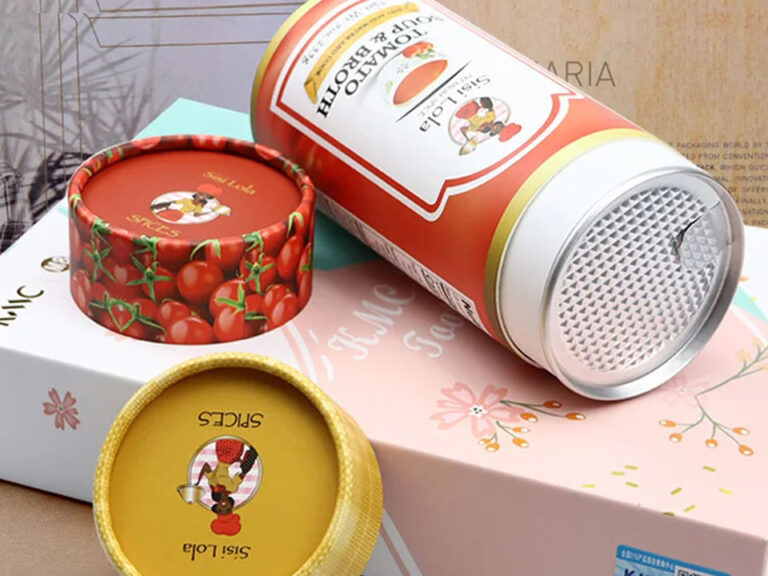
Benutzerdefinierte Lebensmittelqualität Metall Weißblech Abdeckung Kraftpapier Tube Boxen für Tee-Verpackung
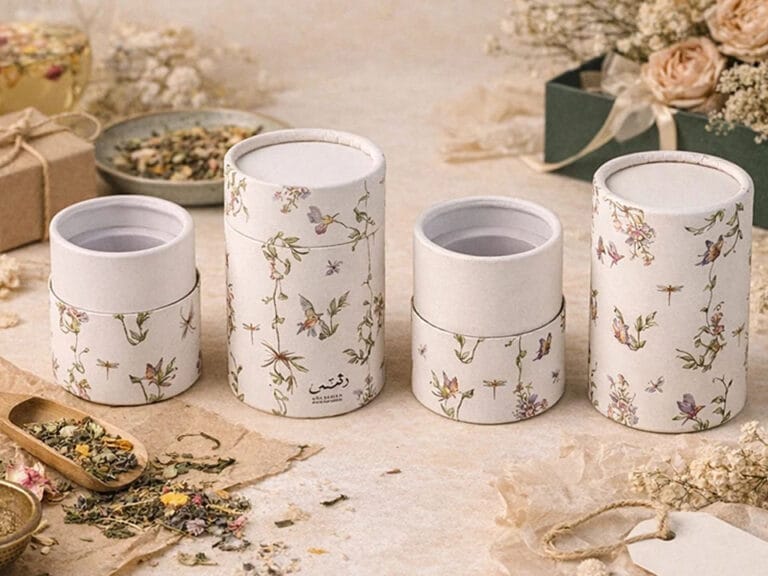
Tee braucht Feuchtigkeitskontrolle und eine “Premium Shelf Story”. Für den DTC-Verkauf oder den Export kann eine Tube das Aroma schützen und Transportschäden reduzieren. Siehe: Tee-Verpackung Papierschachteln
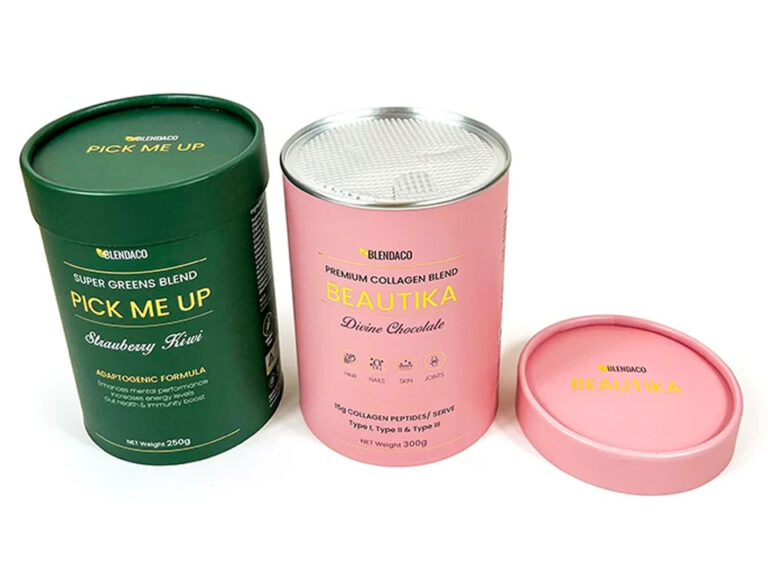
Umweltfreundliche Papierröhrenbox Kartonzylinderbox für Proteinpulververpackungen
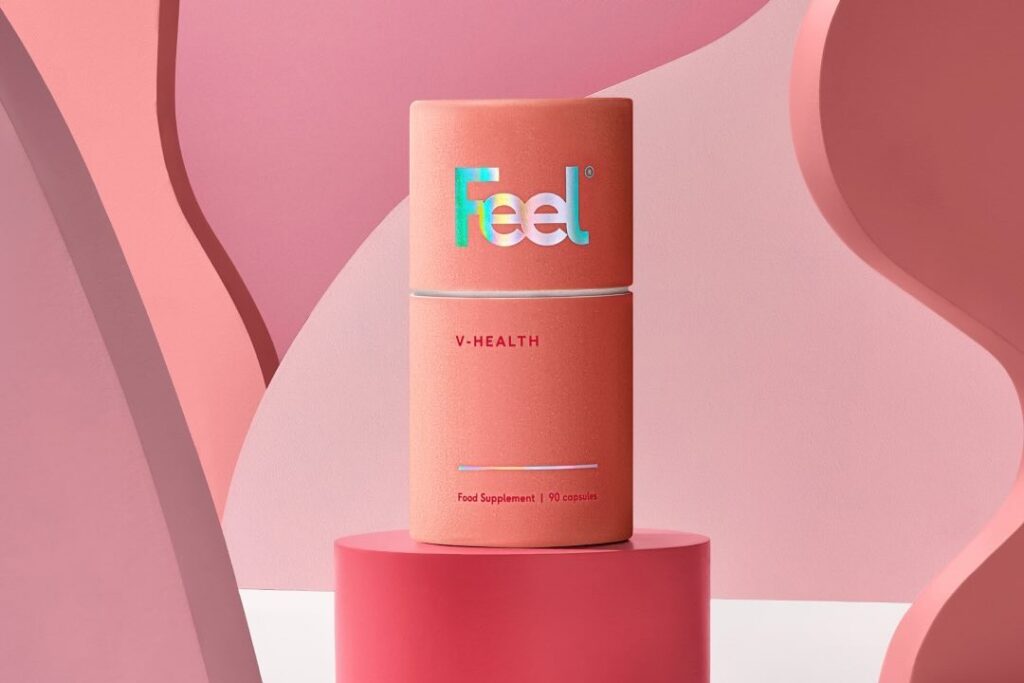
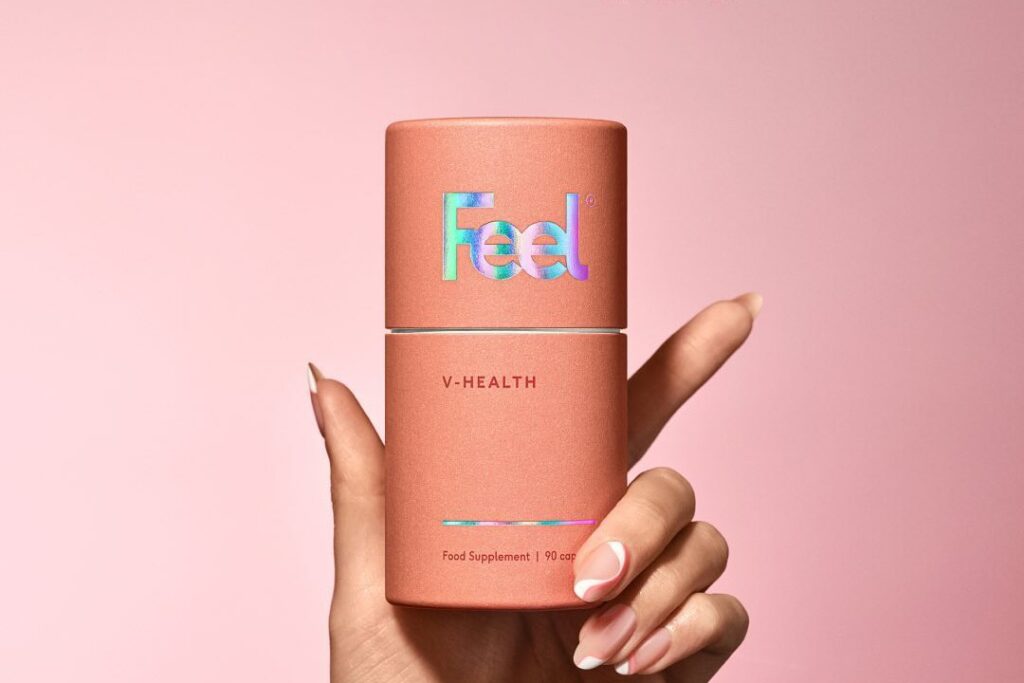
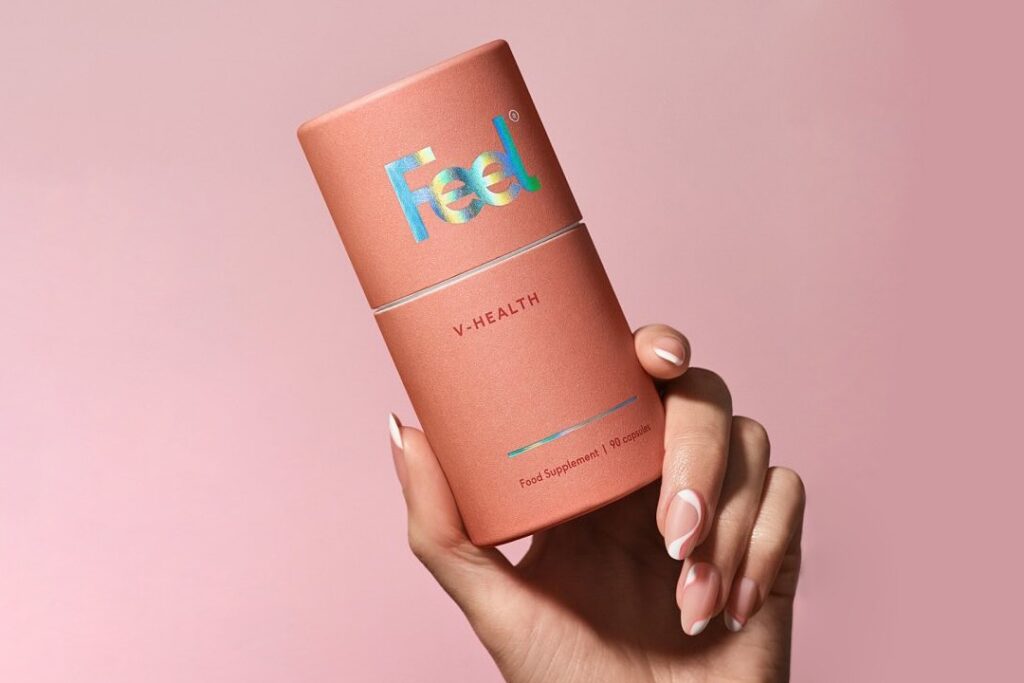
Proteine und Nahrungsergänzungsmittel stehen im Regal in hartem Wettbewerb. Ein starrer Zylinder kann sich hochwertiger anfühlen als ein weicher Beutel, und er eignet sich gut für die Auflistung. Prüfen: Proteinpulver-Papierröhrenverpackung
Käufer von Kosmetika legen Wert auf Textur, Aufdruck und “Handgefühl”. Tuben bieten Platz für Veredelungen und Branding, ohne billig zu wirken. Referenz: Kosmetik-Tubenverpackungen
Mattweiße Papierröhrenverpackungen für Schmuck und Armbänder mit Seidenschleife
Schmuck braucht Energie zum Verschenken. Eine weiße Röhre kann sauber, modern und hochwertig aussehen, besonders für Boutiquen und Markenartikel. Beispiel: Schmuckpapierschachteln
Maßgeschneiderte Papierröhrenverpackung für Haarbänder mit Klarsichtfenster und Seidengriff
Wenn Sie Zubehör verkaufen, hilft ein Fenster den Käufern, das Produkt schnell zu sehen, und ein Griff verbessert die Bequemlichkeit im Einzelhandel. Siehe: Haarband Papierröhre Verpackung
Doppelseitig bedruckte Haare Haut Nägel Papierröhre Verpackung Kartonröhre Schachteln
Der beidseitige Druck unterstützt Marken, die eine vollständige Geschichte erzählen wollen: Inhaltsstoffe, Vorteile, QR-Code und Informationen zur Einhaltung von Vorschriften - ohne Überfüllung. Beispiel: Haare Haut Nägel Papierröhrenboxen
Kurz-Checkliste für die Wiederverwendung und das Recycling von Papierhülsen
Verwenden Sie dies als sauberes Ende, von dem die Leute einen Screenshot machen werden:
Gemischte Teile abisolieren: Kappen, Auskleidungen und Folien nach Möglichkeit entfernen
Beachten Sie die örtlichen Vorschriften: Gehen Sie nicht davon aus, dass jede Stadt Röhren akzeptiert.
Kompostieren Sie die schmutzigen Tuben: fettige oder durchnässte Tuben gehören nicht ins Recycling
Wenn Sie eine konsistente Verpackung in großem Umfang benötigen: Wählen Sie eine Spezifikation, die gut versendet und gedruckt werden kann und zu Ihrem Erfüllungsablauf passt.