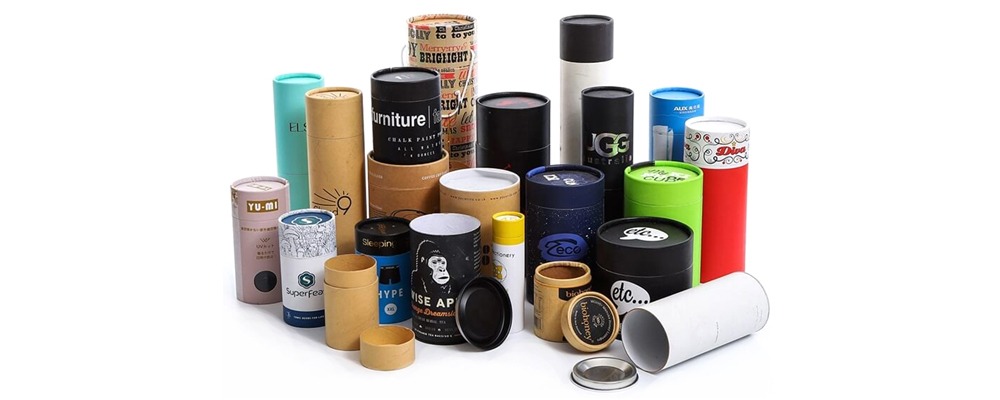
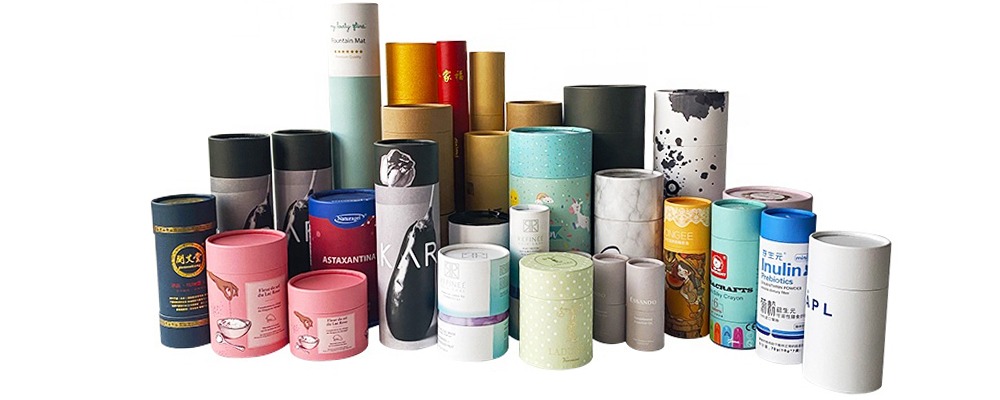
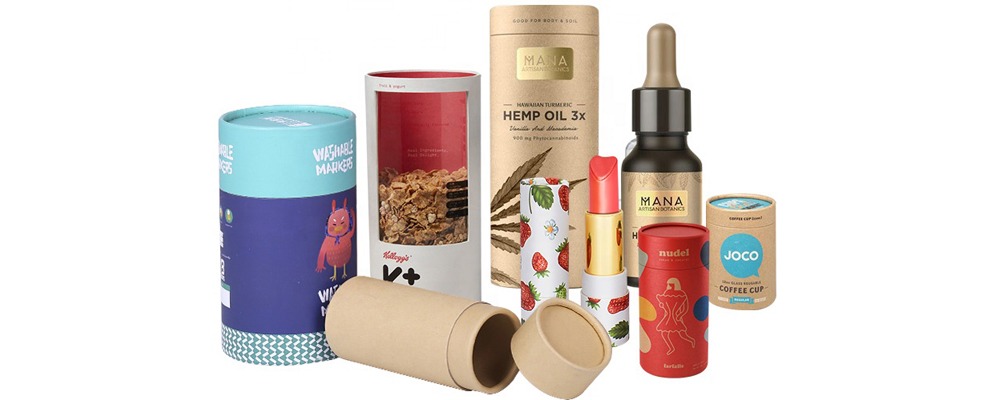
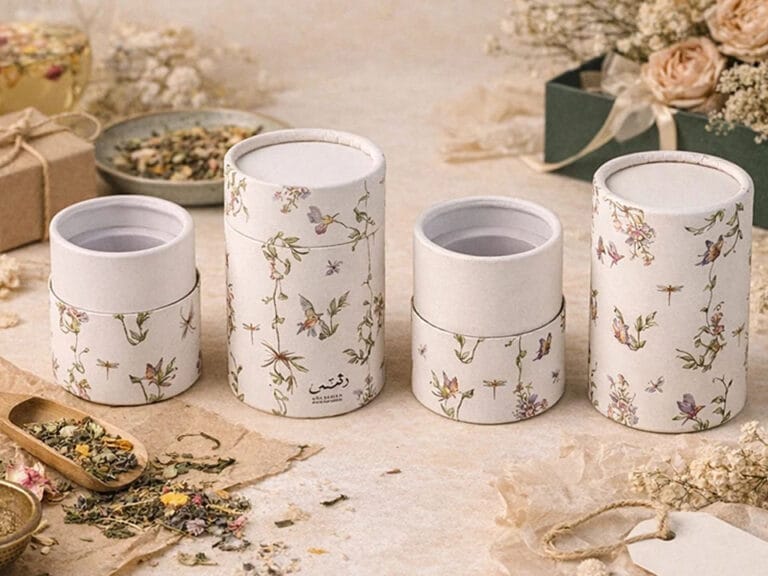
Sie sehen noch nicht die richtige Verpackungslösung? Sprechen Sie mit unserem Chef.
Wenn Sie sich unsere Website angesehen oder mit dem Vertrieb gesprochen haben und immer noch keinen klaren Weg sehen, senden Sie Ihre Anfrage hier. Ihre Nachricht wird direkt an unseren General Manager weitergeleitet, der die Machbarkeit, die Kosten und die Vorlaufzeit prüft. Sie erhalten einen klaren Hinweis auf den nächsten Schritt - was wir tun können, was wir von Ihnen benötigen und wie Sie am schnellsten zu einem Angebot kommen.
Direkte GM-Prüfung Ihrer Spezifikationen, Ihres Anwendungsfalls und Ihrer Beschränkungen
Kontrolle von Größe und Struktur: Durchmesser, Höhe, Wandstärke, Einsätze
Druck- und Veredelungsempfehlungen passend zu Marke und Budget
Alternativen zur Kostensenkung und zur Verbesserung der Durchlaufzeit
Klarheit über den Angebotsweg: MOQ, Stichprobenplan und das weitere Vorgehen
Sprechen Sie mit unserem Chef
Erhalten Sie ein schnelles Angebot für individuelle Papierröhrenverpackungen
Entwickelt für Verpackungsmanager, Einkäufer und Verpackungsingenieure. Geben Sie Größe, Menge und Ausführung an, um Preis, Vorlaufzeit und Spezifikationsanweisungen für us/eu-Programme zu erhalten.
Angebotserstellung nach Maß: Durchmesser, Höhe, Wandstärke, Einsätze, Einlagen und Verschlüsse
Sie haben schon überall Papiertuben gesehen - bei Tee, Hautpflegeprodukten, Nahrungsergänzungsmitteln und sogar bei Schmuck. Sie sehen sauber aus, fühlen sich hochwertig an und lassen sich gut fotografieren. Dann stellt ein Kunde die Frage, die Ihren Posteingang zum Kochen bringen kann: “Ist die Verpackung von Papierhülsen recycelbar?”
Hier ist die richtige Antwort: oft, ja. Aber nicht immer. Beim Recycling geht es nicht nur darum, woraus eine Verpackung besteht. Es geht darum, wie sich diese Verpackung im realen Recyclingstrom verhält: Sammelbehälter, Sortieranlagen und Papierfabriken.
Wenn Sie eine Verpackung aus Papierhülsen haben wollen, der die Kunden vertrauen (und die keine “Greenwashing”-Kommentare auslöst), müssen Sie das Design so gestalten, dass es der tatsächlichen Funktionsweise des Recyclings entspricht - und der Art und Weise, wie Menschen Dinge tatsächlich wegwerfen.
Wenn Sie im Großhandel einkaufen oder eine OEM/ODM-Verpackungslinie aufbauen wollen, sollten Sie mit den Grundlagen der Kundenspezifische Papierröhrenboxen und suchen Sie dann die Stile heraus, die zu Ihrem Produkt und Ihrem Markt passen.
Papierröhrenverpackungen sind recycelbar: Schnelle Antwort
Die meisten Tubenverpackungen aus Papier sind recycelbar, wenn sie sauber, trocken und überwiegend aus Papier bestehen. Das bedeutet in der Regel eine Papphülle, ein Papieretikett und keine komplizierten Schichten.
Papierhülsen werden oft nicht recycelt, wenn sie aus gemischten Materialien bestehen. Denken Sie an Folieneinlagen, Kunststofffolien, starke Laminierung, dauerhafte Metallteile oder dicke Kleberückstände. Diese Merkmale können den Aufschluss blockieren, die Sortierung verwirren oder als Verunreinigung erkannt werden.
Die Form ist also nicht das Problem. Die Struktur ist.
Regeln für das Recycling von Papierhülsen nach Material und Struktur
Papphülse (Einstoff-Papierhülse)
Eine einfache Papphülse ist das beste Szenario. Sie verhält sich in Recyclinganlagen wie Pappe und ist für die Kunden leicht verständlich.
Wo es glänzt:
Trockene Waren, die nicht auslaufen
Geschenksets mit innerem Schutz
Einzelhandelsartikel, die “hochwertig, aber nicht zerbrechlich” sein müssen”
Wenn Sie schnell eine breite Palette von Formaten sehen möchten, scannen Sie die Papierhülsen-Verpackungsprodukte Liste und notieren Sie, welche Gebäude zuerst auf Papier gebaut werden.
Papierhülse aus gemischtem Material (Folieneinlage, Kunststofffolie, Metallenden)
Das ist der Punkt, an dem Marken verbrannt werden. Eine Tube kann siehe wie Papier und werden trotzdem abgelehnt.
Häufige “Recycling-Killer”:
Folienbarriereliner
Kunststoffkaschierung, die sich nicht ablöst
Schrumpfschläuche aus Kunststoff, die das gesamte Rohr bedecken
Dauerhaft metallische Enden oder Ringe
Überdimensionierte Klebstoffe (gut für die Festigkeit, schlecht für den Aufschluss)
Wenn Ihre Tube eine Barriereleistung benötigt, sollten Sie sie nicht automatisch in Plastik einwickeln. In der Regel können Sie die Barriereanforderungen auf die Innenpackung verlagern und die äußere Tube sauberer halten.
Papiertube mit Fenster / Griff (klares Fenster, Band, Einlage)
Fenster und ausgefallene Zusätze verkaufen Produkte. Sie machen auch die Entsorgung unübersichtlich.
Wenn Sie ein Fenster oder einen Griff verwenden, sollten Sie darauf achten, dass es leicht zu trennen ist. Verstecken Sie Plastik nicht unter geklebten Papierschichten. Verstecken Sie gemischte Materialien nicht dort, wo die Kunden sie nicht finden können.
Dieser Stil eignet sich gut für anzeigeorientierte Artikel - siehe ein echtes Beispiel für Papierhülsenverpackung mit Klarsichtfenster und Griff und überlegen Sie, wie Sie die Nicht-Papier-Teile schnell entfernen können.
Kontamination von Papierröhren: Entleeren, Reinigen, Trocknen
Recyclingprogramme lehnen nicht nur “schlechte Materialien” ab. Sie lehnen schmutzige Verpackung.
Lebensmittelrückstände und Feuchtigkeit
Wenn Ihre Hülse Lebensmittel, Pulver oder andere schmierfähige Stoffe enthält, kann es sein, dass die Kunden sie mit Rückständen wegwerfen. Diese Rückstände können die Papierballen verunreinigen und die Leistung beeinträchtigen.
Eine einfache Regel, die Sie ehrlich macht: Wenn es klebrig, ölig, durchnässt oder stinkend ist, wird das Recycling schwieriger.
Öle, Wachs und “es ist ein bisschen ausgelaufen”
Dies betrifft immer wieder Verpackungen für Kosmetika und Körperpflegeprodukte. Eine Tube kann auf dem Papier perfekt sein, aber wenn das Öl in die Fasern eindringt, kann es sein, dass die Mühlen sie wie Müll behandeln.
Wenn Ihr Produkt undicht sein kann, behandeln Sie das Rohr als Sekundärverpackung. Halten Sie das Chaos in einem stabilen Primärbehälter. Deshalb kombinieren viele Marken Tuben mit Gläsern, Flaschen oder versiegelten Innenbeuteln.
Ihre Kunden werden keinen langen Entsorgungsleitfaden lesen. Geben Sie ihnen eine kurze Checkliste, an die sie sich tatsächlich halten können.
Entleeren Sie es Keine Produktreste im Inneren. Keine durchnässten Einsätze.
Halten Sie es sauber und trocken Wenn sie nass oder fettig ist, kann sie abgelehnt werden.
Entfernen Sie die sichtbaren Nicht-Papierteile Entfernen Sie Fenster, Bänder, Schaumstoff, Metalldeckel und Plastikverpackungen, wenn möglich.
Denken Sie nicht zu viel darüber nach Wenn Ihre örtlichen Vorschriften gemischte Materialien ablehnen, ist der “beste” Entwurf derjenige, der gemischte Materialien von vornherein vermeidet.
Das ist nicht nur Kundenservice. Es geht um den Schutz der Marke. Wenn sich die Entsorgung einfach anfühlt, bleiben auch Ihre Bewertungen sauberer.
Papierhülsen-Verpackungsdesign für Wiederverwertbarkeit
Wenn es Ihnen mit der Skalierung ernst ist, gehört die Recyclingfähigkeit in Ihr Lastenheft - gleich neben Druckqualität, Fallfestigkeit und Verpackungsgeschwindigkeit.
Ein-Material-Design (Papier-vorher)
Dies ist der sauberste Ansatz:
Rohrkörper aus Pappe
Papieretikett oder Direktdruck
Minimaler Klebstoffauftrag (nur so viel wie nötig)
Vermeiden Sie Ganzkörper-Plastikhüllen
Dieses Design hilft auch Ihrem Betriebsteam. Weniger Teile bedeuten weniger Fehlerpunkte in der Produktion, weniger Probleme mit den Zulieferern und eine reibungslosere Qualitätskontrolle.
Abnehmbare Komponenten (einfache Trennung)
Manchmal braucht man Extras: einen Premium-Deckel, einen Einsatz, ein Siegel. Das ist in Ordnung. Machen Sie sie einfach leicht zu entfernen.
Aufreißlaschen oder Aufreißstreifen, die deutlich zeigen, wo getrennt werden muss
Einsätze, die sich sauber herausheben lassen (keine Klebefallen)
Wenn Sie einen “Premium-Deckel”-Look wollen, können Sie das tun, ohne die ganze Packung in ein Recyclingproblem zu verwandeln. Eine gute Beispielkategorie ist Tee - siehe Verpackung aus Teepapier mit einem Metalldeckel und denken Sie an “abnehmbare Teile, klare Struktur”.”
Barrierebedarf vs. Wiederverwertbarkeit (echte Kompromisse)
Manche Produkte brauchen Feuchtigkeitskontrolle, Sauerstoffschutz oder Aromaschutz. Das ist das wahre Leben. Aber man muss die Barriere nicht jedes Mal in die Tubenwand einbauen.
Ein praktisches Muster, das gut funktioniert:
Verwenden Sie das Rohr für Struktur, Branding und Regalwirkung
Barriereleistung in die Innenverpackung legen
Die äußere Hülse sollte hauptsächlich aus Papier bestehen, damit sie leichter sortiert und zerkleinert werden kann.
Diese Strategie hilft auch bei der Einhaltung der Etikettierungsvorschriften und bei schnellen SKU-Änderungen, insbesondere bei Marktplätzen und grenzüberschreitenden Verkäufern.
Anspruch und Wirklichkeit der Wiederverwertbarkeit: Sammlung, Sortierung, Wiederaufbereitung, Endmärkte
Eine Verpackung ist nicht “recycelbar”, nur weil sie Papier enthält.
In echten Recyclingsystemen muss Ihr Rohr die gesamte Kette überstehen:
Sammlung: Können die Kunden sie in einen Mülleimer werfen, ohne zu raten?
Sortierung: Kann eine Einrichtung sie abtrennen, ohne die Strecke zu verlangsamen?
Wiederaufbereitung: Können Papierfabriken es zerkleinern, ohne Müll zu hinterlassen?
Endmärkte: Kann jemand die recycelte Produktion tatsächlich nutzen und kaufen?
Deshalb verursachen gemischte Materialien Probleme. Jede Schicht mag für sich genommen recycelbar sein, aber die Kombination kann in der Praxis trotzdem scheitern.
Wenn Sie im B2B-Bereich verkaufen, ist dies sogar noch wichtiger. Einzelhändler und Großabnehmer wollen nicht nur “Öko-Vibes”. Sie wollen Behauptungen, die nicht nach hinten losgehen.
Papiertubenverpackungen Anwendungsfälle: Kosmetika, Tee, Proteinpulver, CBD
Raus aus der Theorie, rein in die reale Verpackungsarbeit.
Verpackung für Kosmetiktuben aus Papier
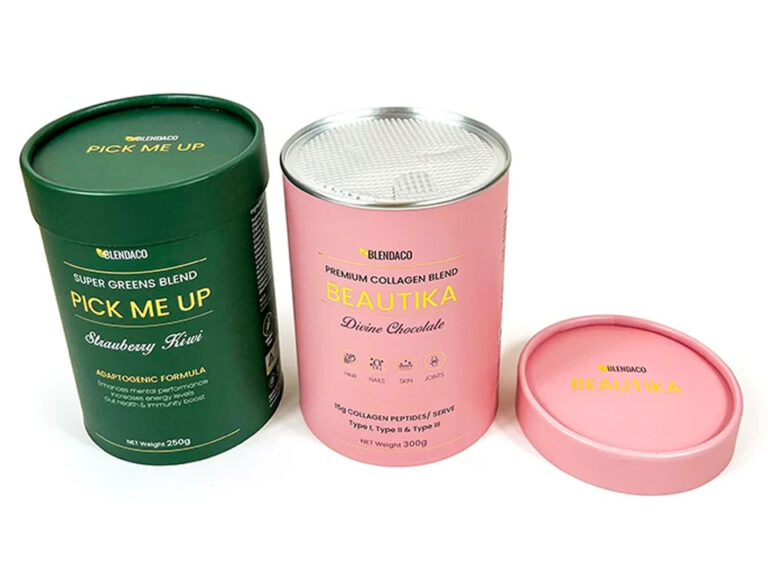
Käufer von Kosmetika urteilen schnell. Tuben geben Ihnen ein hochwertiges Gefühl, ohne dass Glas zerbrechlich ist, und bieten mehr Fläche für das Design.
Was in der Kosmetik gewinnt:
Sauberes Auspacken
Gestochen scharfer Druck und Verarbeitung
Eine stabile Innenverpackung, damit nichts in das Papier eindringt
Wenn Sie eine Kosmetiklinie aufbauen wollen, sollten Sie mit bewährten Strukturen wie Verpackung für Kosmetiktuben und stimmen Sie die Details für Ihre SKUs ab.
Verpackung für Teepapierhülsen
Tee ist ein Spiel mit dem Regal. Man will Frische, aber auch ein starkes Branding.
Schläuche helfen, weil sie:
Aufrecht stehen für Merchandising
Schutz vor Quetschschäden beim Transport
Fühlen Sie sich verschenkbar, ohne zu viel einzupacken
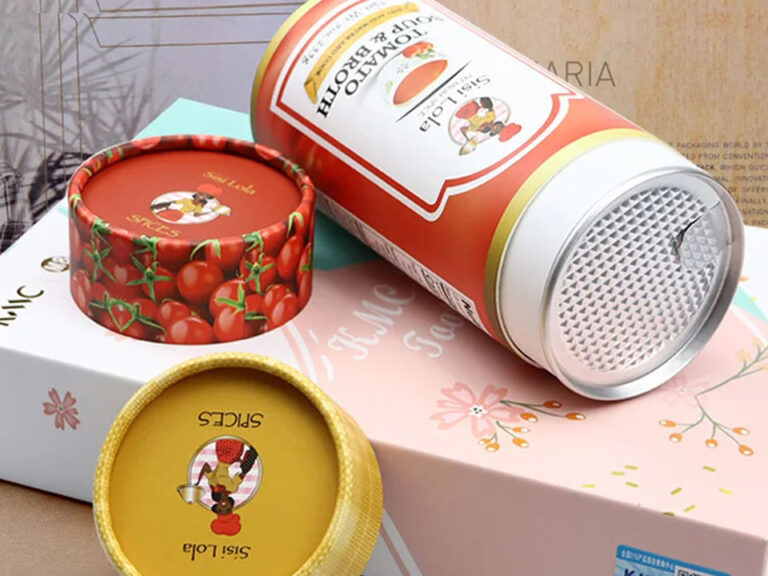
Ein gängiges Premium-Format ist eine Röhre mit einem Metalldeckel, wie hier Tee-Verpackung in Tubenform. Lassen Sie den Deckel abnehmbar, halten Sie den Korpus auf dem Papier und halten Sie die Botschaft für die Kunden einfach.
Proteinpulver-Papierröhrenverpackung
Nahrungsergänzungsmittel werden in der Logistik stark beansprucht. Schläuche können im Vergleich zu leichten Kartons Beulen und Eckenknicke reduzieren, besonders wenn Sie über Fulfillment-Netzwerke versenden.
Schmuck benötigt keinen Barriereschutz und eignet sich daher hervorragend für Paper-First-Tuben. Sie erhalten eine erstklassige Fuge ohne Überbauung.
Ein sauberer Referenzstil ist Schmuck- und Armbandverpackungen aus Papierröhren. Wenn Sie wollen, dass die Verpackung besser recycelt werden kann, sollten Sie die Einsätze herausnehmen und kunststofflastige Dekorationen vermeiden.
Entscheidungstabelle für die Wiederverwertbarkeit von Papiertubenverpackungen
Verwenden Sie diese Tabelle, wenn Sie Spezifikationen für Großhandelsauflagen, die Einführung von Eigenmarken oder OEM/ODM-Projekte auswählen.
Typ Papierröhre
Gemeinsame Merkmale
Recycling-Ergebnis (typisch)
Spezieller Schritt, der hilft
Papphülse (alles Papier)
Papierkörper + Papieretikett
Oft akzeptiert, wenn sauber
Zuerst das Papier, dann den Kleber
Papierröhre aus gemischtem Material
Folienkaschierung / Kunststoffkaschierung
Häufig abgelehnt
Barriere auf Innenpackung verlagern, permanente Laminate vermeiden
Wenn Sie in großem Umfang einkaufen, kaufen Sie nicht “eine hübsche Verpackung”. Sie bauen ein System auf.
Das ist Ihnen wichtig:
Konsistenter Druck und einheitliches Finish über alle Chargen hinweg
Stabile Qualitätskontrolle und Wiederholbarkeit
Verpackungen, die schnell verpackt werden und den Versand überstehen
Klare Spezifikationen, die sich zwischen den Produktionsläufen nicht verschieben
Als Top Custom Paper Tube Boxen Hersteller, Wir unterstützen Sonderanfertigungen, Großhandel und OEM/ODM für Einzelhändler, grenzüberschreitende Verkäufer, Distributoren, Markeninhaber, Agenturen und wachsende Teams. Wir haben die Produktion und die Lagerhaltung für große Mengen aufgebaut, sodass Sie skalieren können, ohne Abstriche bei Passform, Verarbeitung oder Zuverlässigkeit machen zu müssen.
Wenn Sie Strukturen vergleichen und sich schnell für eine Richtung entscheiden wollen, beginnen Sie auf der Produktkatalog und passen Sie den Aufbau der Röhre an die tatsächlichen Anforderungen Ihres Produkts an - Barriere, Compliance, Auspacken und Recyclingverhalten.
Unterm Strich: Recyceln“ einfach machen für echte Menschen
Wenn Sie wollen, dass Ihre Kunden weniger Fragen stellen und Ihnen weniger Kopfzerbrechen bereiten, sollten Sie keine Röhre entwerfen, die perfektes Verhalten erfordert, um recycelt werden zu können. Entwerfen Sie eine, die der realen Entsorgung entspricht.
Halten Sie das Rohr hauptsächlich aus Papier
Vermeiden Sie dauerhafte Mischschichten, wenn Sie können
Einfaches Entfernen von Nicht-Papier-Teilen
Barriereleistung bei Bedarf in die Innenverpackung legen
So bleiben Hülsenverpackungen aus Papier im Regal hochwertig, im Versand stabil und in der Praxis leichter zu recyceln.