Sie sehen noch nicht die richtige Verpackungslösung? Sprechen Sie mit unserem Chef.
Wenn Sie sich unsere Website angesehen oder mit dem Vertrieb gesprochen haben und immer noch keinen klaren Weg sehen, senden Sie Ihre Anfrage hier. Ihre Nachricht wird direkt an unseren General Manager weitergeleitet, der die Machbarkeit, die Kosten und die Vorlaufzeit prüft. Sie erhalten einen klaren Hinweis auf den nächsten Schritt - was wir tun können, was wir von Ihnen benötigen und wie Sie am schnellsten zu einem Angebot kommen.
Direkte GM-Prüfung Ihrer Spezifikationen, Ihres Anwendungsfalls und Ihrer Beschränkungen
Kontrolle von Größe und Struktur: Durchmesser, Höhe, Wandstärke, Einsätze
Druck- und Veredelungsempfehlungen passend zu Marke und Budget
Alternativen zur Kostensenkung und zur Verbesserung der Durchlaufzeit
Klarheit über den Angebotsweg: MOQ, Stichprobenplan und das weitere Vorgehen
Sprechen Sie mit unserem Chef
Erhalten Sie ein schnelles Angebot für individuelle Papierröhrenverpackungen
Entwickelt für Verpackungsmanager, Einkäufer und Verpackungsingenieure. Geben Sie Größe, Menge und Ausführung an, um Preis, Vorlaufzeit und Spezifikationsanweisungen für us/eu-Programme zu erhalten.
Angebotserstellung nach Maß: Durchmesser, Höhe, Wandstärke, Einsätze, Einlagen und Verschlüsse
Welche Faktoren beeinflussen die Länge der Papierhülse?
Inhaltsübersicht
Wenn Sie “Papierhülsenlänge” sagen, meinen Sie normalerweise die fertige Ablängen des Röhrenkörpers (oder die Gesamthöhe, wenn die Art des Deckels gewählt wurde). Diese eine Zahl klingt einfach. In der realen Produktion verhält sie sich wie ein bewegliches Ziel.
Hier ist der Grund, warum Sie sich dafür interessieren sollten: Längenkontrollen Deckelpassform, Einschubspiel, Etikettenausrichtung, und wie die Tube im Regal aussieht. Im Großhandel können kleine Abweichungen zu großem Kopfzerbrechen führen - langsames Verpacken, höhere QC-Ausfälle und lästige Nachbearbeitungsschleifen.
Wenn Sie kundenspezifische Tuben für den Einzelhandel, DTC oder OEM/ODM-Auflagen beschaffen, finden Sie in diesem Leitfaden die praktischen Faktoren, die die Länge in die Länge oder in die Tiefe treiben, und was Sie tun können, um sie stabil zu halten. Unser Werk verfügt über eine moderne Werkstatt zur Reinigung von Lebensmittelverpackungen, ein 12.300 m² großes Lager und eine Tageskapazität von über 300.000 Stück.
Zur schnellen Orientierung können Sie die verschiedenen Rohrtypen in unserem Produktkatalog
Papierrohr Länge
Bevor wir uns auf die Ursachen stürzen, sollten Sie sicherstellen, dass Sie und Ihr Lieferant das Gleiche meinen:
Länge des Rohrkörpers: die Höhe des Kartonzylinders nach dem Schneiden.
Methode der Inspektionwie das Werk misst (Halterung vs. Messschieber, Einpunkt- vs. Mehrpunkt-Messung).
Wenn Sie diese nicht festhalten, erhalten Sie im Werk ein “Bestanden” und in Ihrer Verpackungslinie ein “Nicht bestanden” - weil Sie unterschiedliche Dinge gemessen haben.
Feuchtigkeitsgehalt
Feuchtigkeit ist der stille Motor für Längenänderungen. Papier nimmt Wasser auf und gibt es wieder ab, wodurch sich die Abmessungen ändern.
In einer Pressemitteilung des Unternehmens wird erklärt, dass ein unterschiedlicher Wassergehalt die Länge des Papiers verändern kann, und dass ein höherer Wassergehalt zu einer stärkeren Schrumpfung nach dem Druck führen kann.
Feuchtigkeitsgleichgewicht
Papier bleibt nach dem Bedrucken oder Laminieren nicht “an Ort und Stelle”. Es möchte ein neues Gleichgewicht mit der Umgebung erreichen. Wenn Ihr Lagerraum zwischen trocken und feucht schwankt, kann die Hülse im Laufe der Zeit länger oder kürzer werden.
Inspektion der Eingangsfeuchte
Wenn Sie weniger Überraschungen erleben wollen, behandeln Sie Feuchtigkeit wie eine Spezifikation, nicht wie eine Stimmung:
Bitten Sie den Lieferanten um Zustand Papier vor dem Druck.
Proben Sie die Kartons bei der Ankunft (IQC) und lagern Sie sie versiegelt bis zur Verwendung.
Verlangen Sie für Exportsendungen eine Verpackung, die den Feuchtigkeitsaustausch während des Transports begrenzt.
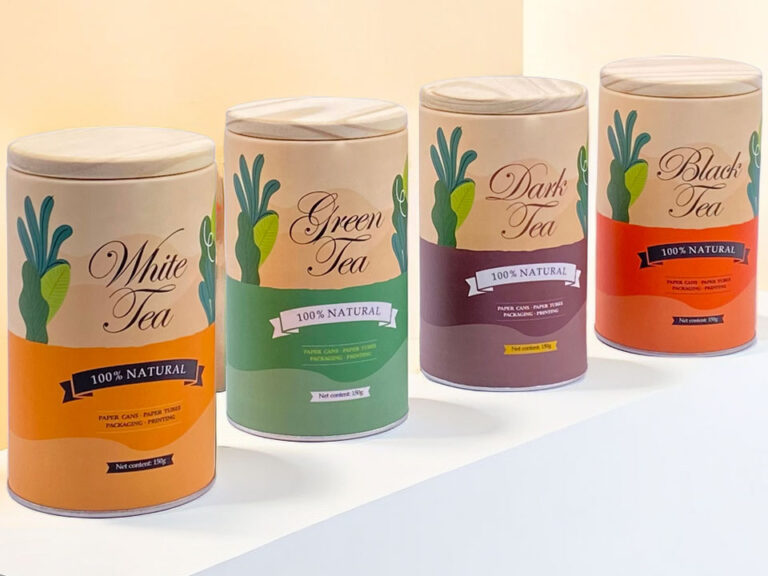
Ein Beispiel aus der Praxis: Bei Tee-Verpackungen wird häufig ein engerer Verschluss verwendet. Wenn Sie einen Weißblechdeckel wie diesen verwenden Verpackung für Teepapierhülsen, Feuchtigkeitsschwankungen können sich in einem Deckel äußern, der sich heute zu eng und nächste Woche zu locker anfühlt.“
Papierdicke
Dickeres Papier (höheres Flächengewicht) verhält sich unter Druck- und Verarbeitungsspannung anders.
In der Beschreibung Ihres Unternehmens wird darauf hingewiesen, dass dickeres Papier bei gleicher Spannung nach dem Druck stärker schrumpfen kann, und dass die Feuchtigkeit in dickerem Papier ebenfalls eine Rolle spielt.
Papier Quantitativ und Schrumpfung
Im Geschäft bedeutet dicke Brühe oft:
mehr “Gedächtnis” nach dem Dehnen
höhere Empfindlichkeit gegenüber Trocknungsbedingungen nach der Tinte/Laminierung
mehr Stress beim Wickeln und Heilen
Das bedeutet nicht, dass Sie dickes Papier vermeiden sollten. Es bedeutet, dass Sie die Dicke an Ihre Bedürfnisse anpassen sollten. Rohrdurchmesser, Wandstärke und Verschlussart, und steuern Sie dann das Prozessfenster.
Praktisches Szenario: Für schwerere Produkte wie Nahrungsergänzungsmittel ist eine stabilere Struktur hilfreich. Aber wenn Sie ein Format mit breiter Öffnung wie dieses haben Proteinpulver-Papierröhrenverpackung, Die Wahl der Dicke und die Prozesskontrolle sind wichtig, denn Ihre Abfüllanlage benötigt einen gleichmäßigen Kopfraum.
Druck Spannung
Durch die Druckspannung kann das Papier gedehnt werden und später “zurückschnappen”. Dieser Rückprall kann dazu führen, dass die fertige Länge uneinheitlich aussieht.
In derselben Mitteilung des Unternehmens wird erklärt, dass eine zu starke Spannung während des Drucks das Papier dehnt, und dass sich das Papier zurückzieht, wenn die Spannung aufgehoben wird.
Papierzufuhrsystem Spannung
Wenn Sie schon einmal gesehen haben, dass Kunstwerke “wandern” oder eine Nahtlinie driftet, ist die Spannung oft ein Teil der Geschichte. Bei Rohren können sich Spannungsprobleme folgendermaßen äußern:
Längenunterschiede zwischen den Chargen
Nahtausrichtung, die sich verschiebt
Etiketten, die nicht dort landen, wo Ihr Designteam sie erwartet hat
Was Sie tun können:
Fragen Sie Ihren Lieferanten, wie er die Bahnspannung und wie sie diese überprüfen.
Bestätigen Sie, ob sie drucken Inline mit der Rohrformung oder in einem separaten Schritt mit Aushärtungszeit.
Luftfeuchtigkeit und Temperatur
Auch wenn Sie die Feuchtigkeit im Papier kontrollieren, ist die Raumumgebung wichtig. Luftfeuchtigkeit und Temperatur ändern sich:
Trocknungsgeschwindigkeit nach dem Druck
Aushärteverhalten des Klebstoffs
wie schnell sich das Papier nach dem Schneiden wieder ausgleicht
Lagerungsbedingungen
Zwei einfache Gewohnheiten verringern das Abdriften:
Bewahren Sie die Tuben in geschlossenen Kartons auf, bis Sie sie verpacken wollen.
Vermeiden Sie es, die Rohre in der Nähe offener Verladetüren oder direkter HVAC-Luftströmungen unverschlossen zu lassen.
Dies ist besonders wichtig für hochwertige Kosmetika, bei denen die Haptik den Ausschlag gibt. Eine saubere Kante und eine einheitliche Höhe lassen die Verpackung bewusst wirken. Wenn Sie eine Hautpflegeserie mit einem eng anliegenden Einsatz und einer sauberen Oberfläche wie dieser entwickeln Kosmetik-Tubenverpackungen, Mit Hilfe der Umgebungskontrolle können Sie vermeiden, dass die Deckel ungleichmäßig im Regal liegen.
Wanddicke
Die Wandstärke (Anzahl der Lagen + Klebstoffschichten) verändert das Verhalten des Rohrs beim Aushärten und Schneiden. Mehr Schichten können mehr innere Spannungen bedeuten, insbesondere wenn der Klebstoff Feuchtigkeit mit sich führt oder wenn die Aushärtung zu schnell erfolgt.
Rohrwanddicke und Schrumpfung
Die Realität in den Betrieben:
Eine dickere Wand kann die Feuchtigkeit länger halten.
Wenn Sie schneiden, bevor sich die Struktur stabilisiert, messen Sie heute “richtig” und morgen “falsch”.
Wenn Ihr Projekt kindersicher sein muss, werden Wandaufbau und -passung noch sensibler, da die Mechanismen auf einer wiederholbaren Geometrie beruhen. Zum Beispiel, in Cannabis kindersichere Papierröhrenverpackungen, Die Längenkonsistenz trägt dazu bei, dass der Verschluss reibungslos einrastet und sich nicht körnig oder schief anfühlt.
Papierbreite
Die Papierbreite hat Einfluss darauf, wie sich das Material wickelt, überlappt und absetzt. Wenn die Breite abweicht oder ungleichmäßig geschnitten wird, können sich der Umschlingungswinkel und die Nahtzone ändern, was sich auf die fertige Höhe auswirken kann (vor allem, wenn Sie Umschlingungslagen und Beschnitt hinzufügen).
Papierbreite und Dimensionsstabilität
Wenn Sie eine Skalierung vornehmen, fragen Sie nach:
Kontrolle der Spaltbreite (SOP des Lieferanten)
Regeln für den Rollenwechsel und die Handhabung von Spleißen
eine klare Entscheidung, was passiert, wenn die Breite abweicht (halten/überarbeiten/verschrotten)
Dies ist eines dieser langweiligen Details, das Ihre Gewinnspanne schützt, weil es Sie vor der Repack-Hölle bewahrt.
Klebstoff Typ
Klebstoffe “kleben” nicht einfach. Sie führen Feuchtigkeit ein, schrumpfen beim Aushärten und bestimmen die endgültige Steifigkeit des Rohrs. Unterschiedliche Klebstoffsysteme und Auftragsgewichte können dazu führen, dass sich das Rohr nach dem Formen anders setzt.
Klebstoff Wassergehalt
Was zu beachten ist:
Aushärtungszeit vor dem Schneiden
Gewichtskonsistenz des Leimauftrags
jahreszeitliche Veränderungen (weil Kleber und Papier auf den Raum reagieren)
Wenn Sie zerbrechliche Gegenstände wie Glaskartuschen versenden, möchten Sie nicht, dass sich das Rohr später absetzt und den Sitz der Einsätze verändert. Verpackungen wie diese CBD-Patrone Papierhülsenbox profitieren von einer stabilen Länge, so dass der Einsatz das Produkt fixiert und ein Klappern verhindert.
Schnittmethode
Das Schneiden macht aus einem “Endlosrohr” eine verkaufsfähige Einheit. Der Zustand der Klinge, der Aufbau der Vorrichtung und die Methode wirken sich alle auf die Länge aus.
Sägeschnitt
Der Sägeschnitt kann einen hohen Durchsatz bewältigen, erfordert aber eine strenge Einstellungsdisziplin:
Kontrolle des Messerverschleißes
stabile Zuführung und Einspannung
Staubmanagement (damit die Rohre vollständig in den Halterungen sitzen)
Klingenschnitt
Das Schneiden mit der Klinge kann saubere Kanten liefern, ist aber dennoch erforderlich:
Schärfestandards
konstanter Druck
eine Vorrichtung, die das Zusammendrücken der Rohre während der Messung verhindert
Bei Geschenkverpackungen (wo der Kunde alles sieht) wird die Schnittqualität sichtbar. Eine saubere, gleichmäßige Höhe macht einen großen Unterschied für eine hochwertige Präsentation wie diese Verpackungen für Schmuck und Armbänder.
Verpackung und Transport
Selbst wenn die Produktion perfekt ist, kann der Versand die Länge beeinträchtigen. Druckbelastungen, lose Kartons und lange Transportzyklen verändern das Gleichgewicht des Papiers.
Stretch Wrap und Belichtung der Außenschicht
Wenn Kartons zu sehr atmen, beschleunigt sich der Feuchtigkeitsaustausch. Wenn Kartons zusammengedrückt werden, können sich Röhren ovalisieren und bei der Messung anders sitzen (was bei der Eingangskontrolle wie ein Längenproblem aussehen kann).
Dies ist vor allem bei einzelhandelsgerechten Verpackungen mit Fenstern oder Griffen der Fall, bei denen das Design mehr Ausschnitte und strukturelle Komplexität mit sich bringt. Zum Beispiel diese Haarband Papierröhre Verpackung eignet sich hervorragend für die Auslage, verdient aber einen stärkeren Schutz beim Versand, damit die Tuben konsistent und regalfertig ankommen.
Faktoren Checkliste Tabelle
Nachfolgend finden Sie einen praktischen Überblick über die Ursachen und die zu ergreifenden Maßnahmen. Die ersten drei Punkte stammen direkt aus der vom Unternehmen veröffentlichten Erklärung (Feuchtigkeit, Papierdicke, Spannung), und die Kontrollmaßnahmen spiegeln wider, wie Verpackungsingenieure in der Regel Ideen in eine stabile Produktionsspezifikation umsetzen.
Schlüsselwort "Faktor
Was es mit der Länge macht
Wo Sie es zuerst bemerken werden
Kontrollmethode, die Sie anfordern können
Quelle
Feuchtigkeitsgehalt
Schrumpfung oder Ausdehnung nach dem Druck und im Laufe der Zeit
Die Deckel fühlen sich uneinheitlich an; die Höhe sieht nach der Lagerung “unpassend” aus
OEM- und Großhandelsspezifikationen, die Ihnen Schmerzen ersparen
Wenn Sie Markeninhaber, Einzelhändler, Vertriebshändler oder ein grenzüberschreitender Verkäufer sind, der schnell skaliert, wollen Sie sich nicht um die Verpackung kümmern. Sie wollen eine Spezifikation, die sauber läuft.
Hier erfahren Sie, was Sie Ihrem Lieferanten vor der Probenahme zukommen lassen sollten:
Definition der Rohrkörperlänge (wo die Messung beginnt/endet)
Definition der Gesamthöhe (wenn Deckel enthalten sind)
Verschlussart und Passformgefühl (eng / normal / leicht zu öffnen)
Auf unserer Seite können Sie direkt mit Verpackungsingenieuren an der Struktur, den Materialien, den Veredelungen, den Einlagen und der Einhaltung der Vorschriften für die US/EU-Märkte arbeiten. So verwandeln Sie “Ich möchte eine Tube” in eine produktionsreife SKU, über die sich Ihr Fulfillment-Team nicht beschweren wird.