¿Aún no encuentra la solución de envasado adecuada? Hable con nuestro jefe.
Si ha consultado nuestro sitio web o hablado con el departamento de ventas y sigue sin ver claro el camino a seguir, envíe su solicitud aquí. Su mensaje irá directamente a nuestro Director General para que realice una revisión ejecutiva de la viabilidad, el coste y el plazo de entrega. Obtendrá información clara sobre el siguiente paso: qué podemos hacer, qué necesitamos de usted y la ruta más rápida para obtener un presupuesto.
Revisión directa por parte de GM de sus especificaciones, casos de uso y limitaciones
Comprobación de tamaño y estructura: diámetro, altura, resistencia de la pared, insertos
Recomendaciones de impresión/acabado que se ajusten a la marca y al presupuesto
Alternativas de reducción de costes y mejora del plazo de entrega
Claridad en la ruta de cotización: MOQ, plan de muestreo y qué hacer a continuación
Hable con nuestro jefe
Obtenga un presupuesto rápido para Envasado de tubos de papel a medida
Diseñado para directores de envasado, compras e ingenieros de envasado. Especifique el tamaño, la cantidad y el acabado para recibir información sobre precios, plazos de entrega y especificaciones para programas de EE.UU. y la UE.
Personalización lista para cotizar: diámetro, altura, grosor de pared, insertos, revestimientos y cierres
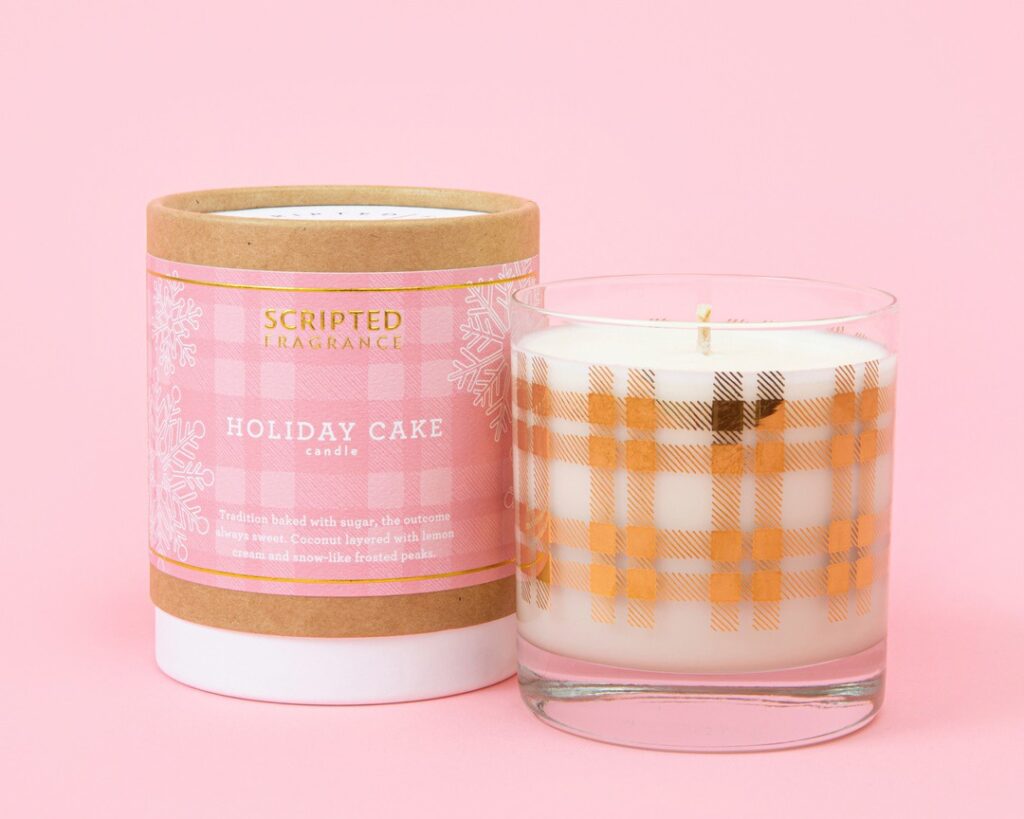
7 estrategias para aumentar la visibilidad de los envases de velas
Índice
Si la línea de tu vela se confunde, no tienes un “problema de velas”. Tiene un problema de visibilidad-en la estantería, en los feeds de desplazamiento y en el momento de desembalar.
La visibilidad no es solo “hacerlo bonito”. Es impacto en el lineal, recuerdo de marca y menos clics desperdiciados antes de que alguien diga: “Sí, ese es”.”
En Cajas de tubo de papel personalizadas, fabricamos envases de tubos de papel personalizados a escala-OEM/ODM, venta al por mayor a granel y producción constante. Contamos con un moderno taller de purificación de envases alimentarios y un almacén de 12.300 m², y tenemos una gran capacidad diaria para garantizar un suministro estable. Esto es importante cuando se trabaja con múltiples referencias y lanzamientos estacionales.
A continuación encontrará siete estrategias prácticas que puede utilizar ahora mismo. Cada una de ellas está relacionada con lo que realmente mueve el producto: reconocimiento más rápido, posicionamiento más limpio, menos devoluciones y mejores compras repetidas.
Mapa de visibilidad rápida (qué hacer + por qué funciona)
Estrategia
Qué cambiar en el envase
Palanca de visibilidad
Dónde merece la pena
Trabaje con expertos en envasado
Estructura + sistema de impresión + muestreo
Menos “fallos de diseño”
Reajustes y ampliaciones de línea
Elija materiales que destaquen
Textura, acabado, señales táctiles
Percepción Premium
Velas de regalo, mayor volumen de negocio
Alinearse con las tendencias
Bienestar, minimalista, estacional
Ajuste instantáneo de categoría
Nuevos lanzamientos, contenidos sociales
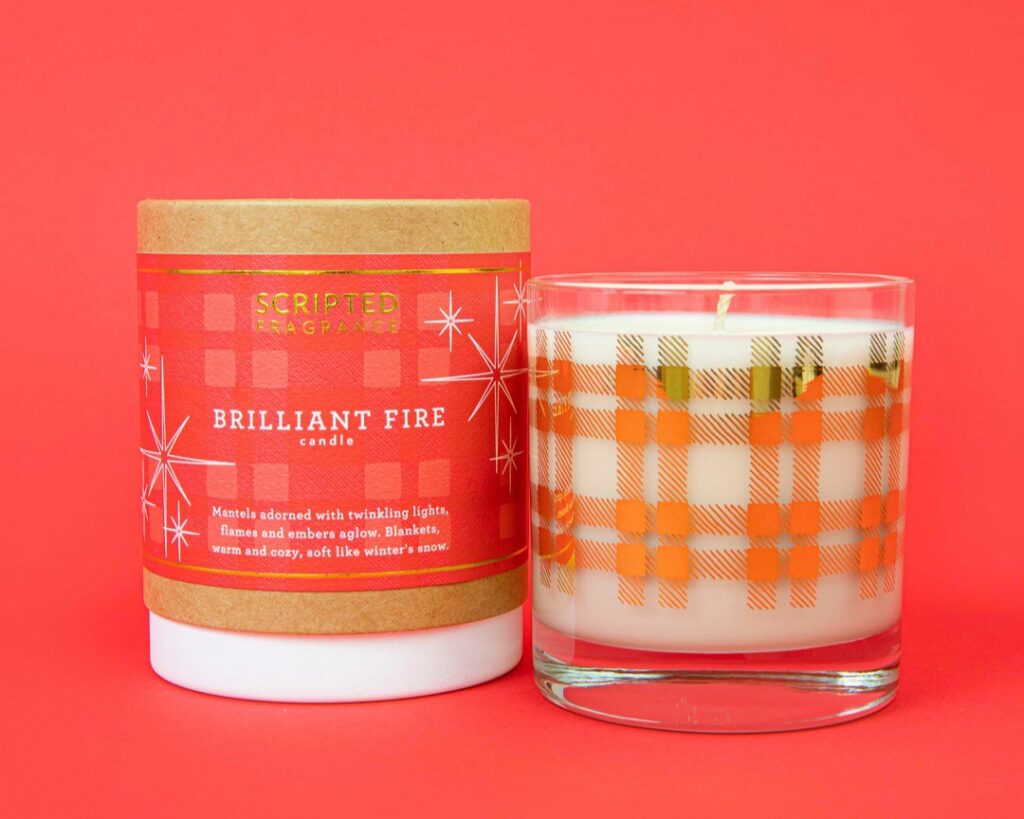
Inyectar patrones distintos
Activos de marca reconocibles
Retirada de la marca
Compras repetidas, bloqueo de marcas
Utilizar envases cilíndricos
Silueta tubular + presencia vertical
Impacto en las estanterías
Boutiques, endcaps
Adoptar opciones sostenibles
Historia del tubo de papel reciclable
Confianza + valores de marca
Compradores ecológicos, fidelidad a la marca
Añadir protectores
Ajuste interior + antirrobo
Menos daños
Envío DTC, mercados
Los enlaces internos de productos utilizados en este artículo proceden de la lista de URL de su sitio.
Estrategia 1: Trabajar con expertos en envasado
Una etiqueta se puede hacer uno mismo. El sistema completo de envasado no puede hacerse uno mismo sin pagar una matrícula.
Cuando las velas llegan a los canales reales -venta al por menor, Amazon, TikTok Shop, cajas de suscripción- de repente te enfrentas a normas de facing, planogramas, códigos de barras, abuso de tránsito y coherencia de marca a través de carreras.
Diseño estructural para impactos en estanterías
La estructura es tu primera valla publicitaria. Un tubo de papel es más alto y se lee mejor a distancia, sobre todo cuando los compradores escanean rápido.
Si está creando un surtido más amplio, empiece con una línea de base clara examinando la catálogo de productos y mapear qué estructuras se ajustan a su nivel de precios y canal.
Flujo de trabajo de muestreo para la producción OEM/ODM
Un flujo de trabajo sólido tiene este aspecto: línea de diseño → selección de material → prueba de impresión → muestra física → pequeños ajustes → producción.
Suena básico, pero evita los clásicos puntos de dolor: bordes aplastados, desviación del color y tapas que no se sienten “apretadas”.”
Estrategia 2: Elegir materiales que destaquen
Tu vela puede oler increíble. Nadie puede olerla en una estantería.
El material es la forma de traducir “premium” antes de abrir el producto. Piense en la textura, el peso y el acabado, señales que dicen vale la pena recoger esto.
Textura y acabado de alta calidad
Mate + suave al tacto se lee “limpio y moderno”. El relieve añade un toque de lujo. Un brillo sutil puede resaltar bajo la luz de la tienda sin parecer barato.
Para un look minimalista de primera calidad, sigue los pasos de este tubo de papel blanco mate y adaptar la misma sensación a las velas: color sobrio, fuerte colocación del logotipo y un acabado que se puede sentir.
Opciones de tapa para envases listos para regalo
Una buena tapa cambia por completo la experiencia. Convierte una vela en un regalo, no solo en un consumible.
Si desea un estilo más “de recuerdo”, considere los estilos inspirados en un tapa metálica de hojalata caja de tubo de papel kraft-es una forma limpia de aumentar el valor percibido sin que el diseño resulte estridente.
Estrategia 3: Alinearse con las tendencias de marketing
Las tendencias no son palabrería. Son atajos hacia el significado.
Cuando su envase coincide con lo que los compradores ya asocian con “relajación”, “vida limpia” o “regalable”, se reduce la fricción. La gente entiende su producto más rápidamente.
Bienestar y envasado minimalista de velas
Si tu vela está pensada para el autocuidado, mantén la calma en el panel frontal: un gran espacio en blanco, el nombre de la fragancia principal y una línea clara de beneficios. No abarrotes el texto.
Envasado de velas de temporada y para regalo
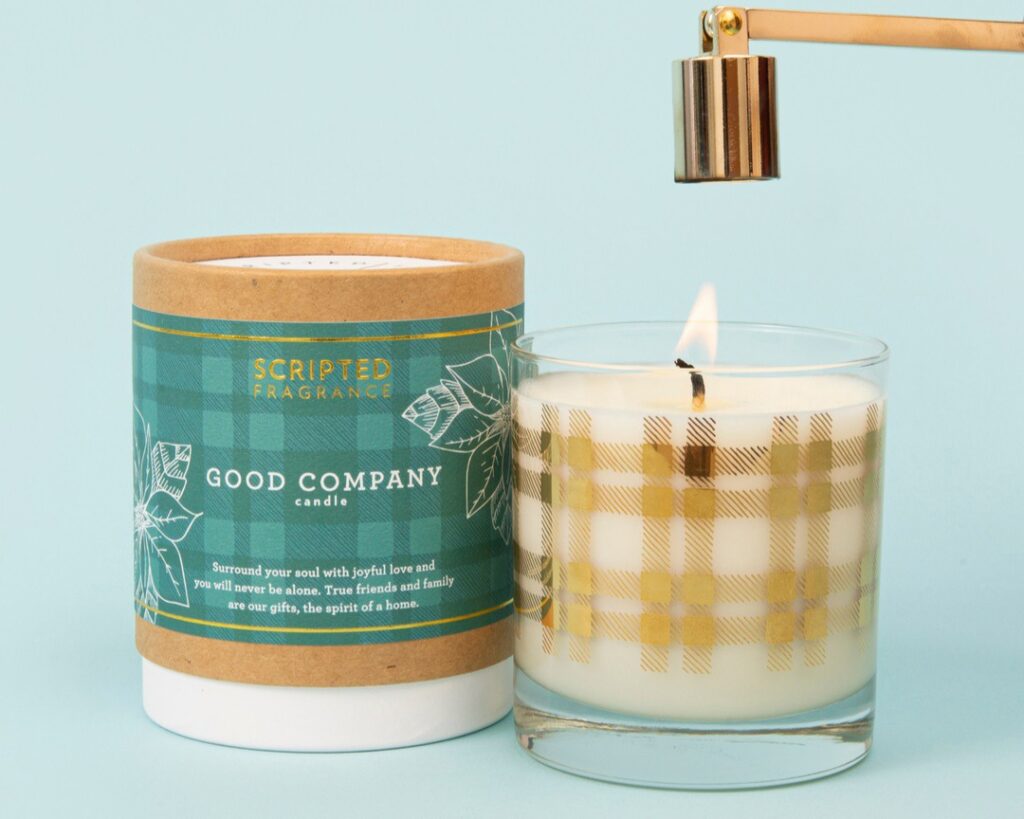
Los conjuntos navideños triunfan cuando parecen pertenecer al árbol o a la bolsa de regalo. Ahí es donde brillan los sistemas de mangas, las bandas ventrales y los estampados de edición limitada.
Una idea práctica: utilizar un elemento de ventana para “mostrar, no contar”. Una referencia de diseño es ésta envase de tubo de papel con ventana transparente y asa. En el caso de las velas, la ventana puede insinuar el color del tarro o la etiqueta, al tiempo que mantiene la solidez del envase.
Estrategia 4: Inyectar patrones y elementos visuales distintivos
Su envase no solo debe tener buen aspecto. Debe parecer usted.
Cuando los clientes vuelven a comprar, no comparan de nuevo cada detalle. Buscan una señal que les resulte familiar. Esa señal puede ser un estampado, una zona de etiquetas, un bloque de color o un diseño característico.
Bloqueo de la marca y coherencia de los activos visuales
A los equipos minoristas les encanta bloqueo de marca-cuando su línea parece una familia y se apodera de una sección. Mejora la facilidad de compra y ayuda a que los productos se “apilen” visualmente, incluso entre distintos aromas.
Impresión a doble cara para una visibilidad de 360
Aquí tienes una solución rápida: trata el tubo como un lienzo de 360°. Si un comprador lo coge, tu panel trasero debería seguir vendiéndose.
Observe cómo la narración puede funcionar en una superficie cilíndrica con tubo de papel impreso por las dos caras. En el caso de las velas, un lado puede ser la marca y el aroma, y el otro, el tiempo de consumo, el tipo de cera y los iconos de cuidado.
Estrategia 5: Utilizar envases cilíndricos de tubo de papel
Las cajas cuadradas están por todas partes. Un tubo no.
El envase cilíndrico le ofrece presencia vertical, Una silueta más “premium” y un mejor comportamiento "pick-me-up" porque se siente como un regalo.
Forma cilíndrica y visibilidad en el estante
En las estanterías abarrotadas, la forma es un código de trucos. Un tubo rompe la cuadrícula de rectángulos y se gana la atención sin gritar.
Si vendes en boutiques o pop-ups, los tubos también se colocan perfectamente en expositores o elevadores. Además, salen bien en las fotos, lo que es importante cuando los clientes publican sus cajas.
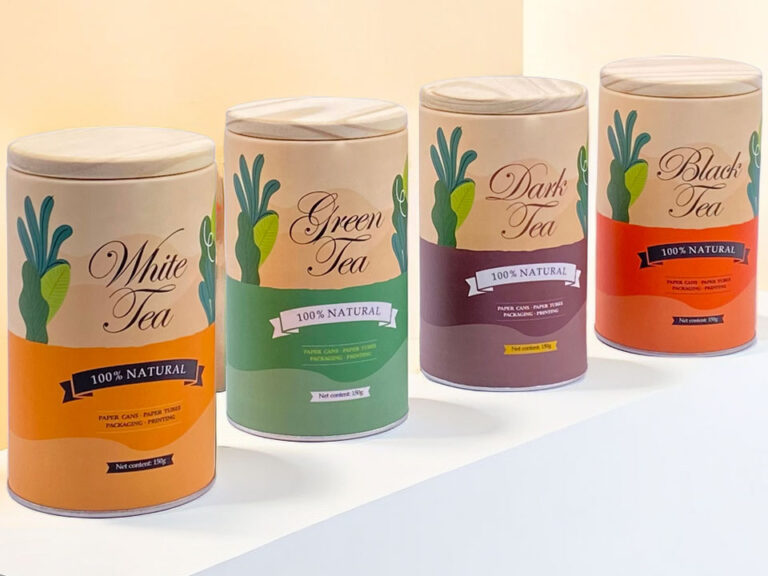
Sistema de envasado de velas Multi-SKU
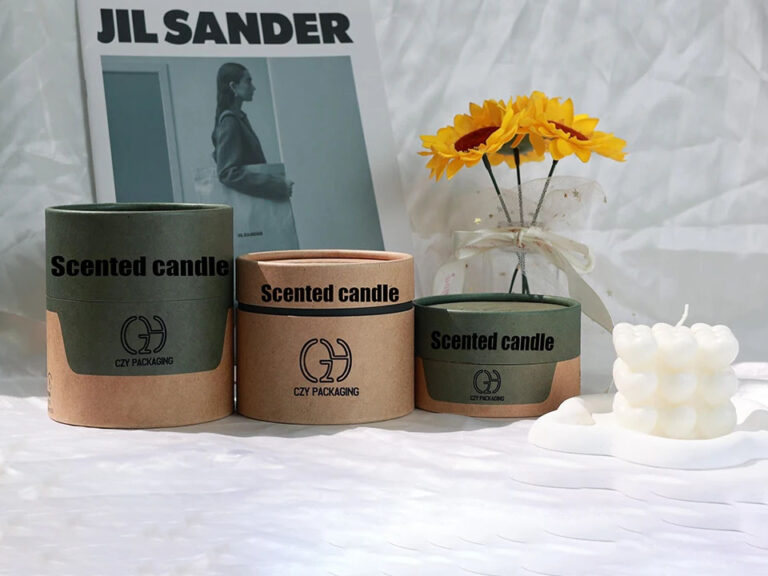
Los tubos también se adaptan bien a las extensiones de línea. Puede mantener la misma estructura y cambiar la etiqueta, el diseño, el color de la tapa o el acabado. Esto acelera los lanzamientos y mantiene la coherencia de su marca.
Estrategia 6: Adoptar opciones de envasado sostenibles
La sostenibilidad sólo ayuda a la visibilidad cuando es clara y creíble.
Una vaga afirmación “ecológica” no sirve de nada. Una declaración simple y concreta sí: tubo de papel reciclable, plástico mínimo, elección responsable del papel... y respaldarlo con materiales consistentes e impresión limpia.
La historia de los tubos de papel reciclable
Coloca el mensaje de sostenibilidad donde se vea rápidamente: un breve icono en la parte delantera y una explicación de una línea en la trasera. Que sea legible.
Embalaje respetuoso con el medio ambiente sin matar el ambiente del unboxing
Un temor común: “eco” significa aburrido. No es así.
Puede mantener la sensación de calidad con texturas, relieves y colores elegantes. Como inspiración estructural, este tubo de papel ecológico estilo caja cilíndrica muestra cómo un formato cilíndrico limpio puede seguir pareciendo de gama alta.
Estrategia 7: Añadir plantillas protectoras y un ajuste interior inteligente
La visibilidad no termina con la compra. Si la vela llega desconchada, con fugas o traqueteando, al cliente no le importará lo bonito que sea el envoltorio.
La protección es una palanca de crecimiento porque reduce las sustituciones, las malas críticas y las devoluciones de cargo, especialmente en los envíos transfronterizos.
Insertos para reducción de daños en envíos DTC
Para las velas, el ajuste interior importa. Los insertos evitan que el tarro se deslice. Protegen el borde. Reducen las microabolladuras que arruinan esa sensación de “nuevo”.
Insertos modulares para juegos y paquetes
Los paquetes impulsan el AOV. Los envases pueden facilitar la agrupación con inserciones modulares que contengan varios tarros o accesorios (cerillas, cortapabilos, mini muestreador).
Si también realiza categorías reguladas o de alta protección, estructuras como esta envases de tubo de papel reciclable con colocación a prueba de niños muestran cómo puede combinar seguridad, estructura y marca, y luego adaptar la misma “sensación de seguridad” a los juegos de velas premium.
Lista de control práctica (utilícela antes de aprobar un diseño)
Punto de control
Cómo es “bueno
Qué evita
Jerarquía del panel frontal
La marca y el nombre de la fragancia se leen rápidamente
Reconocimiento lento
Silueta fuerte
Altura del tubo + zona de etiqueta limpia
Mezcla de estanterías
Elección del acabado
Mate/textura/lámina utilizados con moderación
Brillo barato
Diseño de 360
El panel trasero soporta la venta
Espacio muerto
Ajuste del inserto
Sin traqueteo, sin contacto con la llanta
Daños + devoluciones
Sistema escalable
Una misma estructura para varias referencias
Caos SKU
Dónde crea valor empresarial
Cuando se mejora la visibilidad de los envases, suele haber tres ventajas:
Mayor conversiónLos compradores obtienen lo que usted vende en cuestión de segundos.
Mejores márgenes: las señales de prima apoyan el precio de la prima sin dar demasiadas explicaciones.
Escalado más suaveUn único sistema de envasado admite más referencias, más canales y reducciones estacionales más rápidas.
Si quiere un camino rápido, empiece por elegir una estructura de tubo, fije un sistema visual de marca y, a continuación, construya insertos para la seguridad del envío. A partir de ahí, puedes repetir acabados y patrones sin empezar de cero.