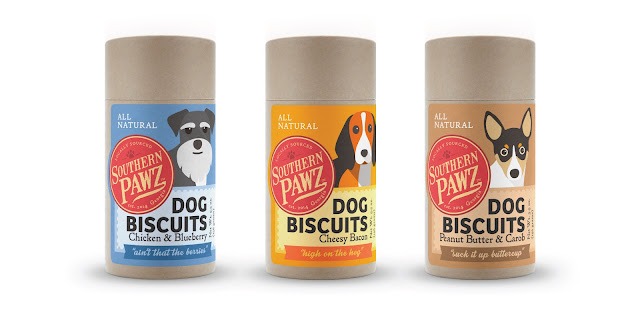
¿Aún no encuentra la solución de envasado adecuada? Hable con nuestro jefe.
Si ha consultado nuestro sitio web o hablado con el departamento de ventas y sigue sin ver claro el camino a seguir, envíe su solicitud aquí. Su mensaje irá directamente a nuestro Director General para que realice una revisión ejecutiva de la viabilidad, el coste y el plazo de entrega. Obtendrá información clara sobre el siguiente paso: qué podemos hacer, qué necesitamos de usted y la ruta más rápida para obtener un presupuesto.
Obtenga un presupuesto rápido para Envasado de tubos de papel a medida
Diseñado para directores de envasado, compras e ingenieros de envasado. Especifique el tamaño, la cantidad y el acabado para recibir información sobre precios, plazos de entrega y especificaciones para programas de EE.UU. y la UE.
Personalización lista para cotizar: diámetro, altura, grosor de pared, insertos, revestimientos y cierres
Características comunes de los envases personalizados de alta calidad
Un embalaje personalizado de alta calidad no es sólo “bonito”. Es un envase que protege su producto, vende su marca y se mantiene constante pedido tras pedido, especialmente cuando se trata de OEM/ODM y de compras al por mayor.
Si su empresa se abastece en el extranjero o se expande rápidamente, es probable que haya visto los puntos débiles: desviaciones de color, tapas que no encajan, acabados desgastados, cajas aplastadas durante el transporte o una “buena muestra” que nunca coincide con la producción en serie. Esta guía detalla lo que hay que tener en cuenta, utilizando puntos de control prácticos que puede compartir con su equipo, su diseñador y su proveedor de envases.
Lista de control de embalajes personalizados de alta calidad
Característica
Cómo es “bueno
Qué evita
Cómo se verifica
Materiales de envasado ecológicos
Estructura de papel reciclable, mezcla inteligente de materiales
“Reclamaciones por ”lavado verde", quejas por residuos
Especificación de materiales + vía de reciclado por mercado
Envases fáciles de usar y prácticos
Apertura y cierre suaves, fricción constante, resellado cuando es necesario
Mal unboxing, devoluciones, críticas negativas
Prueba de usuario + prueba de ciclo de cierre
Diseño de envases funcionales para el ajuste del producto
Tolerancia ajustada, sin traqueteo, inserto estable
Rotura, movimiento, rozaduras de etiquetas
Muestra de ajuste + simulación de caída/sacudida
Embalaje duradero y protector para el envío
Gran resistencia al aplastamiento, bordes limpios, tapa estable
Abolladuras, cartones aplastados, acabado raspado
Plan de pruebas de compresión y caída
Atractivo visual y coherencia de marca
Color estable, impresión nítida, acabado uniforme
“Lote diferente parece diferente”
Pantone/CMYK objetivo + muestra maestra aprobada
Cumplimiento de la normativa en materia de envasado
Etiquetas correctas, tintas/forros más seguros para el caso de uso
Incautaciones, riesgos de cumplimiento
Lista de control del cumplimiento por categorías
Trazabilidad de la cadena de suministro de materiales de envasado
Seguimiento de lotes + documentación de proveedores
Disputas de calidad, desvío de pedidos repetidos
Registros de lotes + controles de entrada de material
Proceso de control de calidad de los envases a medida
Puntos de control de calidad claros y muestreo AQL
“Buena muestra, mal bulto”
Muestra de preproducción + informes de control de calidad en línea
Materiales de envasado ecológicos
Ecológico no significa “blando” o “barato”. Significa que elijas materiales que se ajusten a tu producto y a tu mercado, sin construir en exceso.
Tubos de papel reciclable
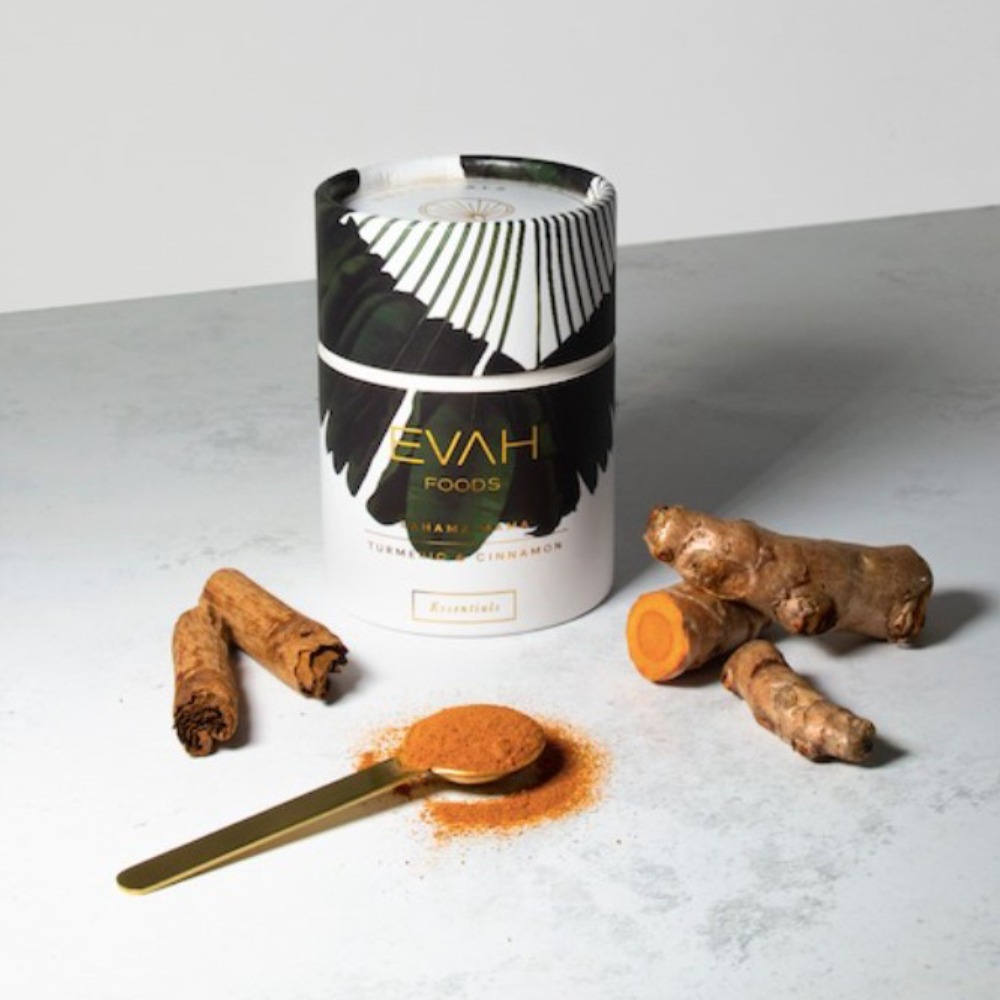
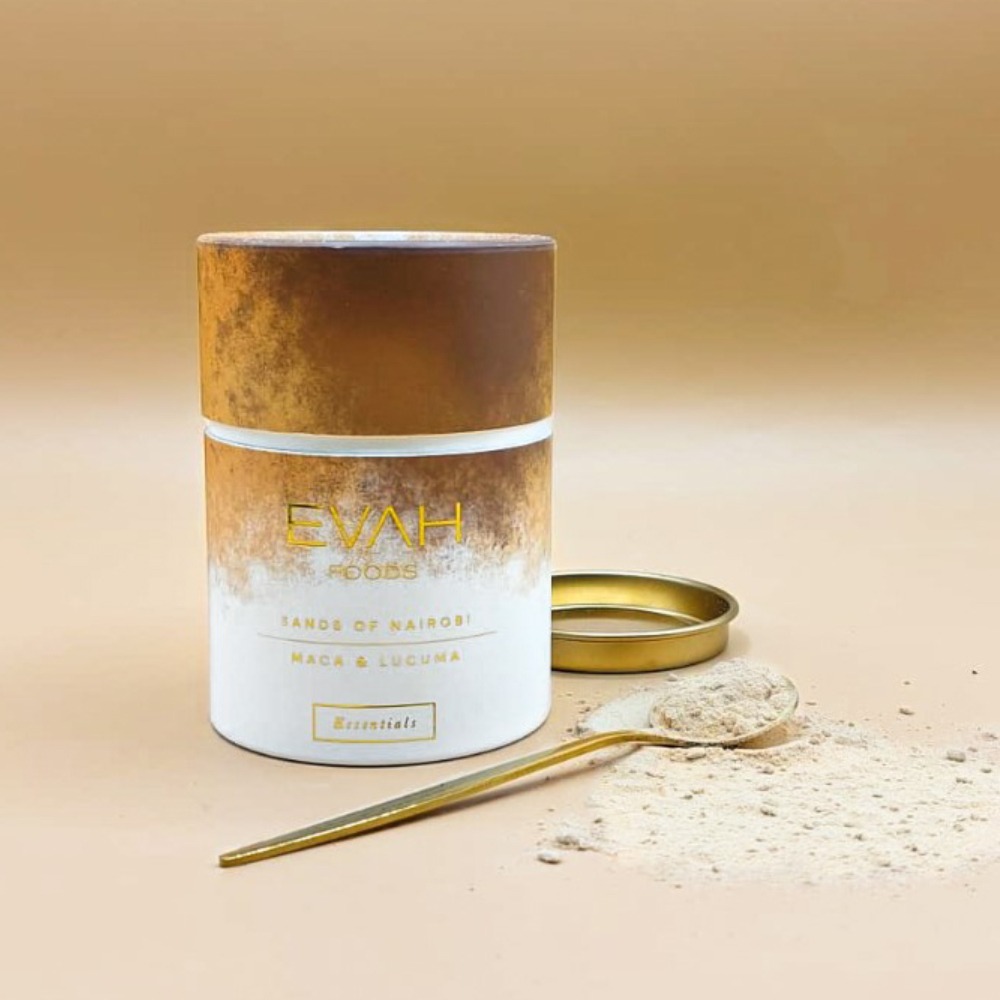
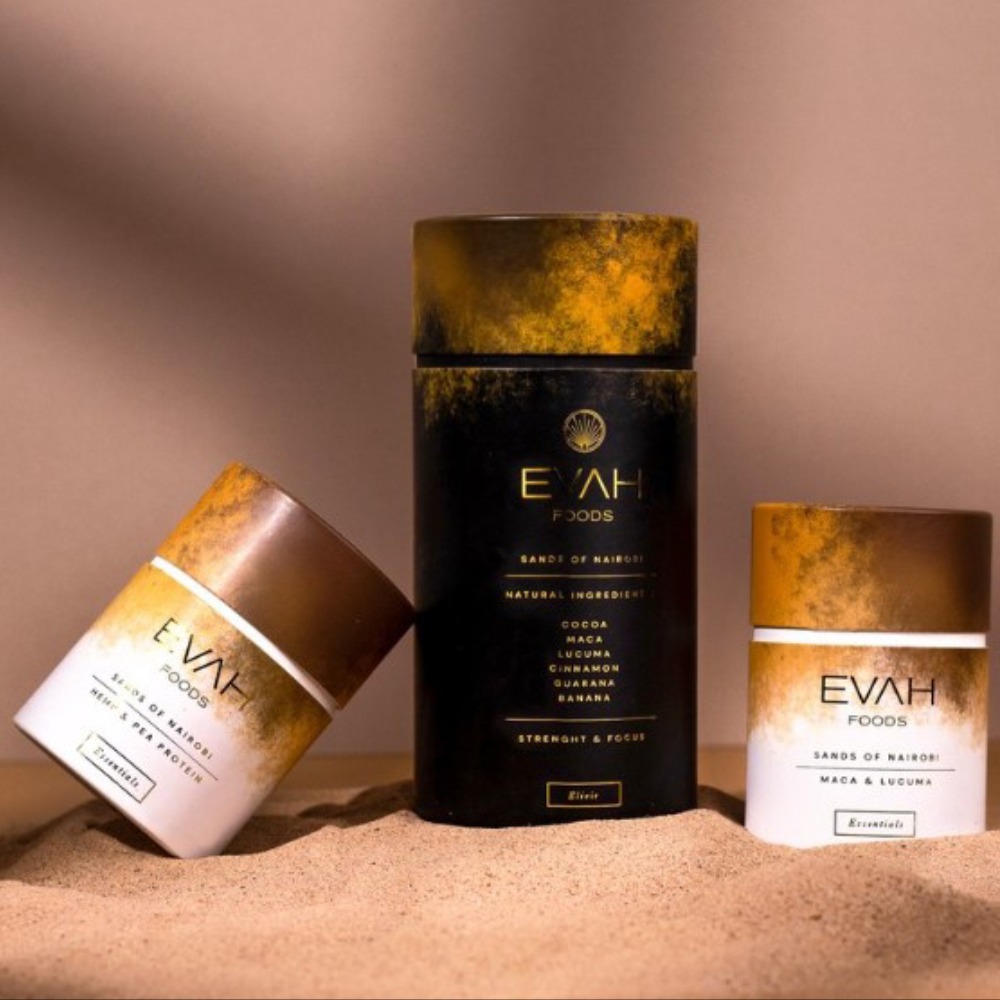
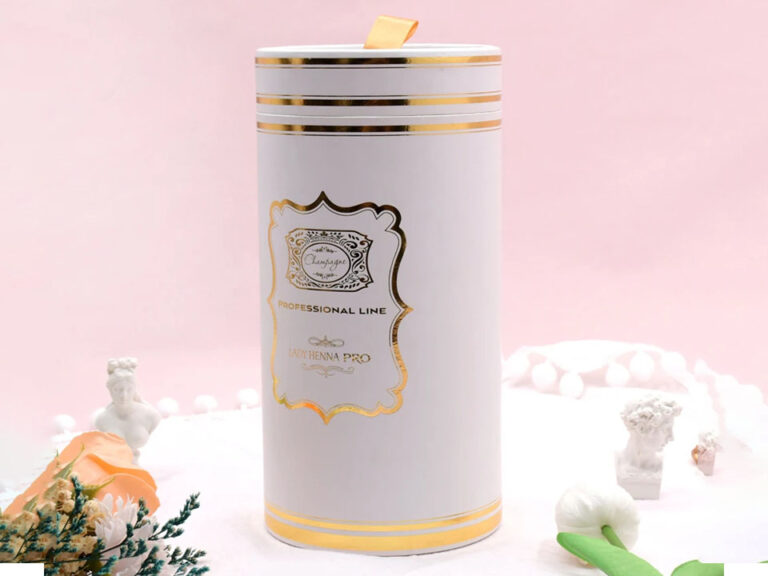
Los envases tubulares de papel funcionan bien en este caso porque la estructura central sigue siendo de papel. También puede controlar los “extras” que a menudo afectan a la reciclabilidad, como las pesadas ventanas de plástico, los laminados mixtos o los revestimientos difíciles de separar.
Si su producto necesita una presencia premium en el lineal sin plástico, puede apoyarse en acabados superficiales y una estructura inteligente en lugar de añadir materiales mixtos.
Dimensionamiento y reducción de residuos
Un triunfo común del B2B: reducir el peso dimensional y el relleno. Reducir el tamaño no es cuestión de recortar gastos. Se trata de reducir las abolladuras, mejorar el encartonado y lograr una entrega más limpia (especialmente para el comercio electrónico transfronterizo y los almacenes de tipo FBA).
Un buen proveedor debería hablarle de:
Tolerancia del diámetro interior (para que el producto no traquetee)
Elección del grosor de la pared (para que el tubo no se hunda)
Empaquetado maestro (para que los cartones se apilen mejor)
Envases fáciles de usar y prácticos
Los clientes recuerdan la fricción. Si les cuesta abrirla, culpan a la marca, no a la caja.
Tapa de fácil apertura y diseño resellable
En el caso de los tubos de papel, lo que importa es el “tacto”: cómo se desliza la tapa, lo bien que se cierra y si se mantiene consistente tras un uso repetido. No es estética. Es ingeniería, sobre todo cuando la humedad y la temperatura cambian durante el transporte.
Si vende artículos de uso cotidiano, busque un cierre que dé sensación de seguridad pero que no necesite una “lucha a dos manos”.”
Unboxing para el comercio electrónico
Si su producto se envía individualmente, el embalaje forma parte de su embudo de críticas. Una apertura limpia, una apertura limpia y la ausencia de polvo o rozaduras suponen un gran avance.
Si vende por Internet, los daños en los envíos son una fuga de márgenes. Un embalaje de alta calidad reduce los daños sin convertir cada unidad en un ladrillo.
Resistencia a la compresión y prueba de caída
No necesita un lenguaje de laboratorio complicado para obtener resultados. Necesita un plan de pruebas repetible:
Escenarios de pruebas de caída (esquinas, bordes, caídas planas)
Pruebas de compresión de cajas apiladas
Simulación de sacudida por riesgo de traqueteo
Un proveedor que se tome en serio la durabilidad propondrá un plan antes de que usted se queje.
Barrera contra la humedad y control de olores
El papel es resistente, pero hay que prestar atención a la humedad y el olor. Si realiza envíos a regiones húmedas o almacena en almacenes no climatizados, hable:
Un envase premium puede aumentar la conversión. Pero la coherencia mantiene la confianza.
Igualación Pantone y coherencia cromática
Si está escalando SKUs, necesita un color predecible, no “lo suficientemente cercano”. Comunique a su proveedor su objetivo (Pantone o CMYK) y bloquee una muestra maestra aprobada.
Esto es aún más importante en el caso de los cosméticos, en los que el color de la marca suele formar parte del reconocimiento del producto. He aquí un ejemplo de una categoría relevante: envases para tubos de cosméticos .
Acabado superficial y resistencia a las rozaduras
Los arañazos acaban rápidamente con el aspecto de calidad, sobre todo en los envíos transfronterizos, en los que las cajas se manipulan mucho. Pregunte por:
Objetivos de resistencia al frotamiento
Protección de los bordes
Durabilidad del acabado (mate, tacto suave, etc.)
Cumplimiento de la normativa en materia de envasado
La conformidad no es un tema de “quizá más adelante”. Cambia qué materiales y procesos tienen sentido.
Requisitos del envasado alimentario
Si el envase entra en contacto con alimentos (o está lo suficientemente cerca como para que los organismos reguladores lo consideren un riesgo de contacto), se necesitan opciones más seguras: tintas, recubrimientos y revestimientos que se ajusten al caso de uso.
El té es un ejemplo clásico en el que los compradores esperan tanto una presentación de primera calidad como una frescura práctica.
Requisitos de los envases a prueba de niños
Si vende productos regulados, el diseño del cierre se convierte en el producto. Necesita una solución a prueba de niños que siga siendo de primera calidad y no frustre a los adultos.
Trazabilidad de la cadena de suministro de materiales de envasado
Cuando un lote sale mal, la trazabilidad ahorra semanas de discusiones.
Trazabilidad a nivel de lote y estabilidad en la repetición de pedidos
Los proveedores de alta calidad hacen un seguimiento de los lotes de material, los lotes de producción y los puntos de control de calidad. Esto es importante cuando usted vuelve a hacer un pedido meses más tarde y quiere el mismo color, el mismo tacto de la tapa y el mismo acabado.
También es importante cuando se vende B2B y se necesita un envasado coherente para los socios minoristas.
Documentación para proveedores que realmente puede utilizar
Pida documentación que corresponda a decisiones reales:
Especificaciones del material
Notas sobre revestimiento/tinta por caso de uso
Registros de lotes de materiales clave
Proceso de control de calidad de los envases a medida
Aquí es donde “profesional” se convierte en mensurable.
Aprobación de muestras previas a la producción
No apruebe una muestra que sólo se ve bien en las fotos. Apruebe una muestra que coincida:
No es necesario microgestionar la fábrica. Lo que sí necesita es un plan de control de calidad repetible:
Control de entrada de material
Puntos de inspección en línea (impresión, encolado, conformado)
Inspección final con normas de muestreo AQL
Así se evita el clásico problema: “el primer cartón tenía buen aspecto, el resto parecía cansado”.”
Estas características se reflejan en la realidad empresarial
La lista de comprobación se corresponde con los tipos de compradores habituales a los que usted ya presta servicio: propietarios de marcas, mayoristas, vendedores transfronterizos y distribuidores de envases.