¿Aún no encuentra la solución de envasado adecuada? Hable con nuestro jefe.
Si ha consultado nuestro sitio web o hablado con el departamento de ventas y sigue sin ver claro el camino a seguir, envíe su solicitud aquí. Su mensaje irá directamente a nuestro Director General para que realice una revisión ejecutiva de la viabilidad, el coste y el plazo de entrega. Obtendrá información clara sobre el siguiente paso: qué podemos hacer, qué necesitamos de usted y la ruta más rápida para obtener un presupuesto.
Obtenga un presupuesto rápido para Envasado de tubos de papel a medida
Diseñado para directores de envasado, compras e ingenieros de envasado. Especifique el tamaño, la cantidad y el acabado para recibir información sobre precios, plazos de entrega y especificaciones para programas de EE.UU. y la UE.
Personalización lista para cotizar: diámetro, altura, grosor de pared, insertos, revestimientos y cierres
6 consejos de expertos para envasar con éxito tubos de papel
El envasado en tubos de papel parece fácil. Luego se produce un lanzamiento real. La tapa queda suelta después del envío. La impresión se raya en las cajas. El panel frontal parece “recargado”, por lo que los compradores lo pasan por alto. Por eso las marcas inteligentes tratan el tubo como si fuera un representante de ventas en miniatura: necesita impacto en el estante, mensajes claros y una estructura sólida.
Si vende a granel, al por mayor u OEM/ODM, también necesita un proveedor que pueda gestionar el volumen, mantener las especificaciones estables y realizar los envíos a tiempo. Empiece por el centro principal de productos de Página de inicio de Top Custom Paper Tube Boxes Manufacturer y trabajar hacia fuera en el estilo de tubo adecuado para su categoría.
Antes de pasar a los seis consejos, aquí tienes una tabla de prueba rápida que puedes utilizar en tu blog. Vincula cada consejo a un movimiento práctico, un resultado empresarial real y una página de referencia interna.
Título del consejo
Lo que se cambia en el tubo
Qué mejora
Página interna de ejemplo
Establecer un enfoque diferenciado
Un elemento principal en la portada: marca + tipo de producto + una ventaja
Momento “lo pillo” más rápido, mejor lectura en la estantería, fotos más limpias del PDP
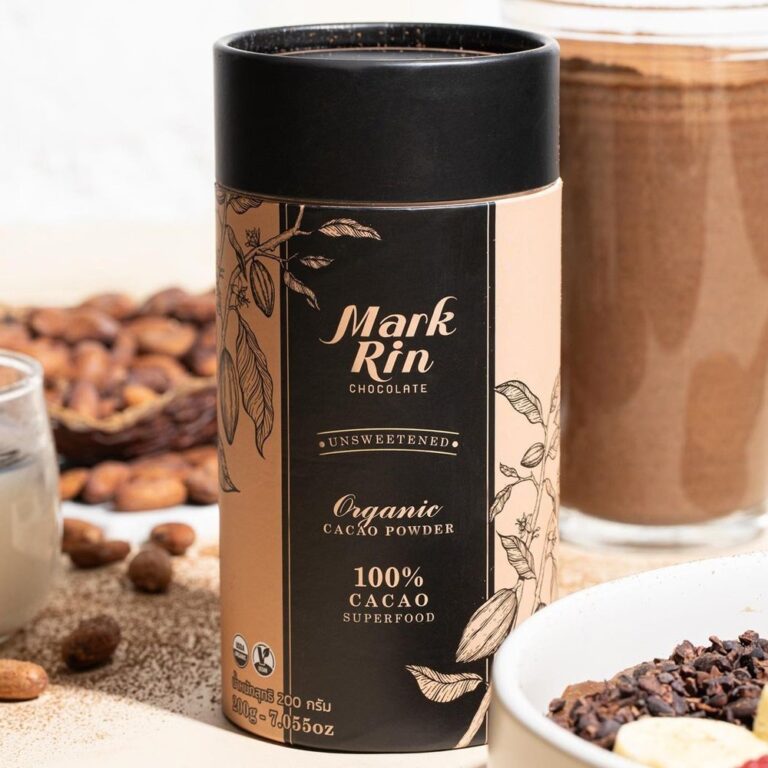
La mayoría de los tubos fracasan por una razón: intentan decirlo todo. No necesitas un cartel. Necesitas un panel frontal limpio que venda la idea de un solo vistazo.
Utiliza una pila sencilla:
Marca
Qué es
Una ventaja real
Guarda el resto para el costado o la espalda. Este movimiento es doblemente útil. Aumenta la claridad de las estanterías en el comercio minorista y hace que tu imagen principal sea más nítida en los mercados.
He aquí un caso práctico. Un vendedor transfronterizo publica anuncios y consigue clics, pero la conversión sigue siendo baja. El producto tiene buen aspecto, pero los compradores no confían en él. Un tubo enfocado soluciona eso rápidamente porque parece organizado y de “marca real”, no genérico.
Si está creando una línea con varias SKU, establezca un sistema desde el principio. Elija un lugar para el logotipo, otro para el nombre del producto y otro para el beneficio principal. Así es como se escala sin convertir el envase en un caos.
Para ideas de diseño, empiece por Productos hub y haga coincidir el estilo de estructura en todo su catálogo.
Despierta la curiosidad
Los compradores no leen los envases como si fueran folletos. Lo escanean mientras se mueven. Así que necesitas un pequeño detonante de curiosidad que les haga levantar el tubo o detenerse en el anuncio.
Tres gatillos fáciles funcionan bien en tubos de papel:
Una ventana transparente que muestra el color o la textura
Un acabado táctil que se siente de primera calidad en la mano
Un anzuelo corto que suene específico, no esponjoso.
Piense en los momentos “para el pulgar”. En una estantería, el tubo necesita ese detalle que hace que la gente lo toque. En Internet, el mismo detalle ayuda a que tu foto destaque, incluso en una pantalla pequeña.
Si vende suscripciones o paquetes, la curiosidad también ayuda a la retención. Un tubo que da gusto abrir convierte un envío repetido en un pequeño momento, no en una caja más en la puerta.
Atrévete a ser diferente
“Diferente” no significa ruidoso. En los envases, la mejor diferenciación es la que resulta fácil e intencionada.
Céntrese en los cambios que la gente puede notar en dos segundos:
Proporciones: alto y delgado, o bajo y corpulento.
Sensación de cierre: una tapa que se asienta limpiamente y se mantiene firme
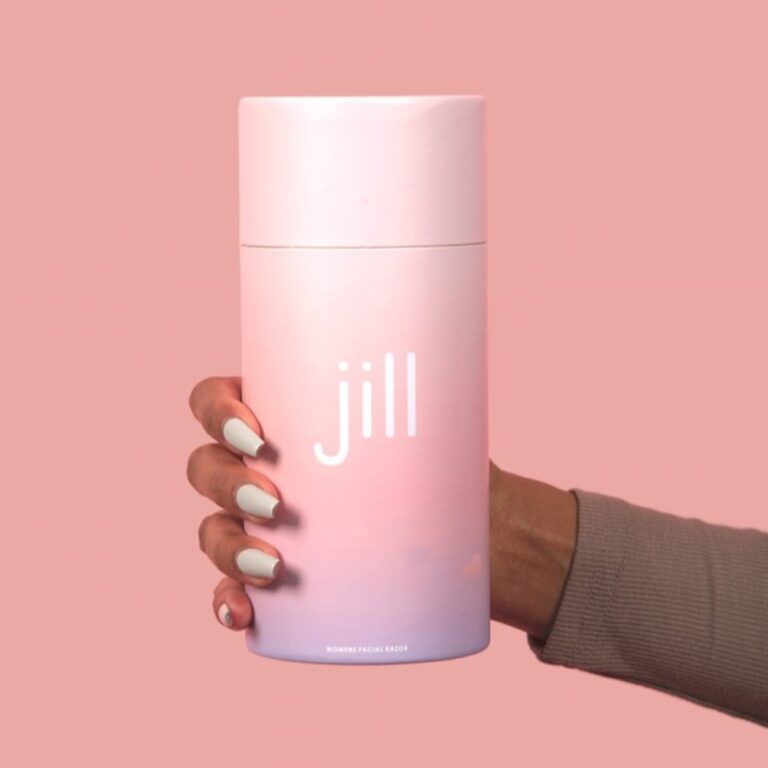
Contraste del acabado: cuerpo mate con realce en el logotipo
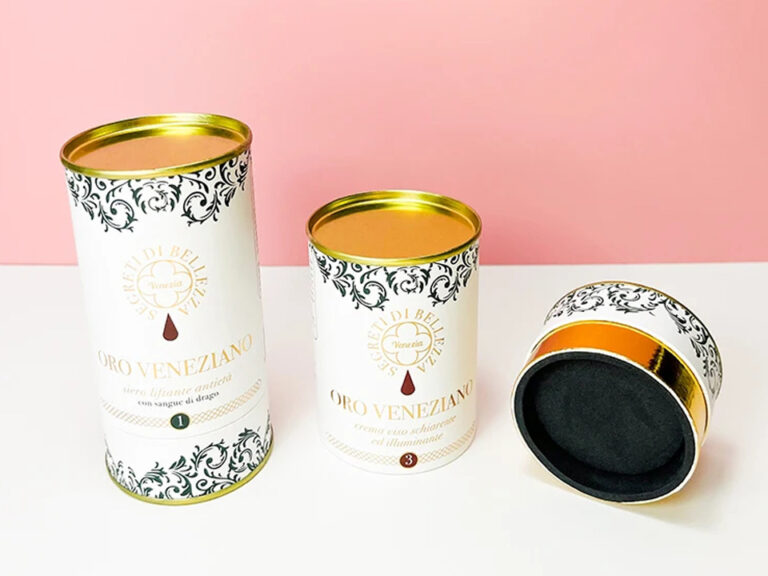
Aquí es donde brillan los tubos de papel. En comparación con muchas cajas plegables, ya tienen un aspecto de primera calidad. Al añadir una mejora, el tubo puede pasar a un nivel de percepción superior.
Aquí es donde merece la pena. Un mayorista quiere un producto que se venda solo en el punto de venta. No quiere largas explicaciones. Una silueta de tubo bien definida y un acabado limpio hacen la venta por ti.
Si se encuentra en categorías reguladas, la diferenciación también puede significar una estructura más segura, no solo el aspecto. Por ejemplo, tubo de papel reciclable para cannabis a prueba de niños caja de embalaje muestra cómo un tubo puede cumplir tanto los requisitos de marca como los funcionales.
Adoptar la sencillez
La sencillez no es minimalismo por estética. Es una herramienta de conversión.
Demasiados reclamos hacen que los compradores vayan más despacio. Cuando lo hacen, dudan. Cuando dudan, se van.
Mantenga limpio el panel frontal. Coloca los detalles profundos donde corresponda:
Panel lateral: especificaciones, uso, advertencias, código de barras
Panel trasero: historia, ingredientes, información de contacto
Esto también ayuda a su equipo de operaciones. Menos elementos frontales significa menos ediciones de última hora del tipo “¿podemos cambiar esto?”, menos errores de impresión y aprobaciones más sencillas cuando se trabaja con varias referencias.
Si vende en plataformas, la simplicidad también mejora el rendimiento de las miniaturas. El nombre de tu producto sigue siendo legible cuando la imagen se hace pequeña.
Transmita su mensaje directamente
Directo gana a inteligente cuando se quieren ventas y menos devoluciones.
Diga lo que es y por qué es mejor en lenguaje sencillo. Evite los eslóganes vagos. Utilice reclamos que los compradores entiendan:
Calidad alimentaria
Hermético
Barrera contra la humedad
Resistente a los niños
Rellenable
Tapa sellada
Esas frases actúan como “señales de confianza”. Reducen la confusión y fijan las expectativas antes de pagar.
He aquí un punto doloroso del mundo real. Una marca recibe críticas como “huele mal” o “rancio después de una semana”. Esto suele deberse al envase, no a la fórmula. Un mejor cierre, un mejor revestimiento y un mensaje claro sobre la protección pueden invertir la tendencia de las críticas.
Lo ecológico funciona cuando parece real. La gente detecta rápidamente las afirmaciones vacías.
Haga que la sostenibilidad sea visible y específica:
Construir primero con papel
Reducir los materiales mixtos siempre que sea posible
Cuenta una historia sencilla de reutilización, como “rellena y guarda el tubo”.”
Añade señales claras de eliminación que no parezcan sermones
Este consejo ayuda del mismo modo a marcas y mayoristas. Mejora la aceptación del comprador, especialmente para los minoristas que se preocupan por las normas de envasado. También ayuda a contar historias en plataformas para DTC.
Si te dedicas al CBD o a los accesorios para vapear, una estructura respetuosa con el medio ambiente y el cumplimiento de la normativa puede reducir las fricciones con compradores y revendedores. En tubos de cartón reciclables personalizados cajas de tubos de papel para cartuchos de CDB ejemplo muestra cómo el formato tubo sigue siendo premium al tiempo que apoya ese posicionamiento.