¿Aún no encuentra la solución de envasado adecuada? Hable con nuestro jefe.
Si ha consultado nuestro sitio web o hablado con el departamento de ventas y sigue sin ver claro el camino a seguir, envíe su solicitud aquí. Su mensaje irá directamente a nuestro Director General para que realice una revisión ejecutiva de la viabilidad, el coste y el plazo de entrega. Obtendrá información clara sobre el siguiente paso: qué podemos hacer, qué necesitamos de usted y la ruta más rápida para obtener un presupuesto.
Revisión directa por parte de GM de sus especificaciones, casos de uso y limitaciones
Comprobación de tamaño y estructura: diámetro, altura, resistencia de la pared, insertos
Recomendaciones de impresión/acabado que se ajusten a la marca y al presupuesto
Alternativas de reducción de costes y mejora del plazo de entrega
Claridad en la ruta de cotización: MOQ, plan de muestreo y qué hacer a continuación
Hable con nuestro jefe
Obtenga un presupuesto rápido para Envasado de tubos de papel a medida
Diseñado para directores de envasado, compras e ingenieros de envasado. Especifique el tamaño, la cantidad y el acabado para recibir información sobre precios, plazos de entrega y especificaciones para programas de EE.UU. y la UE.
Personalización lista para cotizar: diámetro, altura, grosor de pared, insertos, revestimientos y cierres
Lograr resultados empresariales eficientes mediante envases cilíndricos de cartón
Índice
La mayoría de las marcas no pierden dinero porque su producto sea malo. Lo pierden en el desorden del medio: daños en el envío, tickets de devolución, “manipulaciones especiales” en el almacén y embalajes que parecen baratos en una estantería. Ahí es donde envases cilíndricos de cartón (cajas de tubos de papel) se gana el pan.
Un tubo de papel no es ingeniería de fantasía. Es un formato práctico que protege los productos sensibles a las esquinas, se mantiene rígido bajo presión y ofrece una superficie limpia para marcar y etiquetar. Cuando vende a granel, realiza OEM/ODM o suministra a distribuidores, esos detalles se convierten en resultados comerciales reales.
Mapa de resultados empresariales de los envases cilíndricos de cartón
Título del argumento (utilícelo como encabezado de sección)
Qué mejora
Lo que soluciona en el mundo real
Fuente de credibilidad (sin enlaces externos)
Cumplimiento de las normas de expedición y disciplina dimensional
Menos excepciones en los envíos, cumplimiento más fluido
Menos caos de “no se puede escanear / no se puede clasificar / hay que volver a empaquetar”.
Normas del transportista + procedimientos normalizados de ejecución + controles de calidad de las salidas
Protección para productos enrollables y sensibles a las esquinas
Menos reclamaciones por daños, menos devoluciones
Sin esquinas aplastadas, menos productos doblados, menos mensajes de “llegó arruinado”.
Categorías de datos de física de productos + opiniones de clientes + devoluciones
Tapones de plástico y opciones de precinto de seguridad
Mayor confianza en la seguridad, menos conflictos
Reduce las aperturas accidentales y facilita el reenganche
Realidades de la manipulación al por menor + requisitos de distribución
Tubos cuadrados de papel y envases no enrollables
Almacenamiento más limpio, apilamiento más fácil
Menos rodadura, mayor estabilidad de la paleta
Flujo de trabajo en el almacén + eficacia de picking/embalaje
Estructura ligera pero resistente
Mayor eficacia de envío sin riesgo de “endeblez
Paredes resistentes con un peso manejable
Comportamiento de los materiales de envasado + prácticas de ensayo de caída/compresión
Valor de reutilización y almacenamiento
Mayor valor percibido, mejor recuerdo de marca
Los clientes lo guardan, lo reutilizan y hablan de él
Comportamiento posterior a la compra + experiencia unboxing
Reciclabilidad y sostenibilidad
Conversaciones más fáciles con los minoristas
Mensaje “en papel” más claro cuando se construye correctamente
Desglose de materiales + orientación local sobre reciclaje
Cumplimiento de las normas de expedición y disciplina dimensional
Los problemas de envío no suelen aparecer en una reunión sobre el producto. Aparecen un lunes por la mañana cuando el almacén dice: “Este lote no pasará por la línea”.”
Envases cilíndricos de cartón te ayuda a normalizar las cosas que mantienen la calma en el cumplimiento:
Geometría coherenteun tubo mantiene su forma mejor que un cartón blando cuando los paquetes se aprietan durante el transporte.
Colocación de etiquetas más limpiamenos etiquetas de códigos de barras arrugadas, menos fallos de escaneado, menos rutas erróneas.
Embalaje repetible: tu equipo puede hacer las maletas rápidamente porque el formato se comporta siempre igual.
Si vende en sectores regulados o que exigen una gran conformidad, también querrá envases que cumplan los requisitos de seguridad y cierres limpios. Un buen ejemplo es tubo de papel reciclable para cannabis a prueba de niños, donde la estructura y la estrategia de cierre importan tanto como los gráficos.
Protección para productos enrollables y sensibles a las esquinas
Las esquinas fallan primero. Por eso los tubos ganan para los productos que odian los bordes afilados y los puntos de presión planos.
Un tubo protege por diseño:
tiene sin esquinas que aplastar
reparte la fuerza alrededor de la curva
resiste mejor las abolladuras que los cartones de paredes finas
Tubos de envío de carteles
Si envía carteles, impresiones, certificados, planos o arte, ya conoce el problema: un borde doblado puede convertir un artículo perfecto en un reembolso.
Los tubos permiten enrollar el producto y mantenerlo limpio. Eso reduce el mensaje de “llegó doblado” y el tiempo que pasas discutiendo si los daños se produjeron antes o después de la entrega.
Belleza, cuidado personal y artículos de uso diario
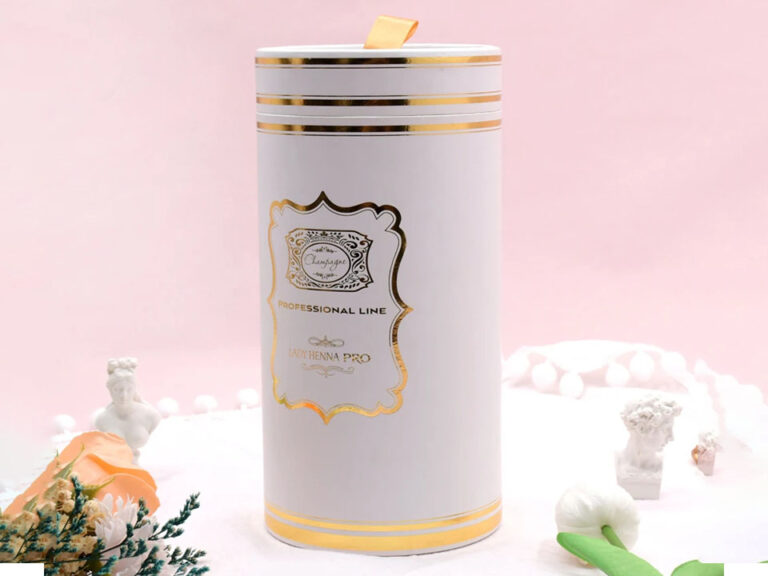
Los tubos también funcionan bien en categorías en las que los clientes se preocupan por la presentación y el almacenamiento. Piense en cosméticos, productos de aseo personal y estuches de viaje. Un formato como tubo de cosméticos caja de embalaje protege el artículo a la vez que le da un aspecto de estantería de primera calidad.
Productos en polvo, nutritivos y funcionales
Para los polvos y los productos funcionales, se necesita protección y una sensación de solidez en la mano. Un tubo puede ofrecer todo eso sin convertir la mochila en un voluminoso ladrillo. Vea el estilo utilizado para envasado de proteína en polvo.
Tapones de plástico y opciones de precinto de seguridad
En muchos mercados, los clientes no abren el envase una sola vez. Lo abren, lo cierran, viajan con él, lo guardan y esperan que se mantenga limpio.
Por eso opciones de tapas y cierres asunto:
Volver a cerrar la comodidad: los clientes no tienen que destruir el envase para utilizar el producto.
Estabilidad en tránsitomejor resistencia a la apertura accidental durante el transporte.
Señales de confianza: los pasos de manipulación opcionales ayudan a reducir las disputas sobre “esto parece abierto”.
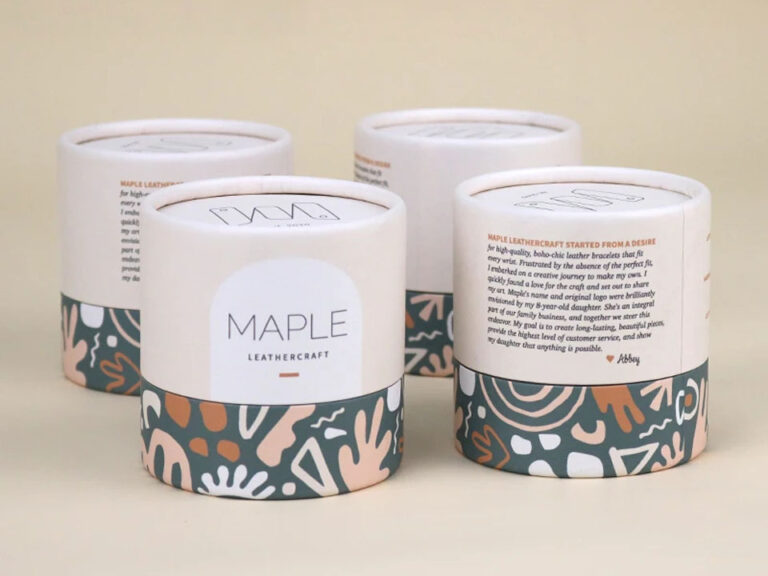
En el caso de los regalos premium, los cierres y el acabado importan aún más porque el envase se convierte en parte del producto. Un gran formato de referencia es envases de tubo de papel para joyas y pulseras, que se inclina por la presentación y un estilo digno de conservar.
Tubos cuadrados de papel y envases no enrollables
Seamos sinceros: los cilindros ruedan. En entornos de almacén rápidos, los envases rodantes pueden provocar pequeñas molestias que se convierten en ralentizaciones, especialmente cuando se apilan, escanean y retractilan.
Ahí es donde tubos cuadrados de papel (u otros formatos antivuelco):
Mejor apilamiento
Comportamiento más limpio de los palés
Menos “persecución del paquete
Muchas marcas aplican una estrategia mixta: cilindros para las referencias estrella de la venta al por menor, y formatos sin bobina para las líneas de granel o las rutas de distribución intensiva. Eso no es indecisión. Es madurez operativa.
Estructura ligera pero resistente
No quiere un embalaje que parezca frágil. Tampoco quieres un embalaje que parezca el envío de una mancuerna.
Los tubos de papel se sitúan en una útil zona intermedia:
las paredes rígidas protegen contra la compresión
el formato sigue siendo práctico para el envío
el unboxing parece de primera calidad sin complejidad adicional
Esto es importante para los vendedores transfronterizos y los operadores de mercados, porque las reclamaciones por daños y perjuicios le afectan dos veces: una en las devoluciones y otra en la presión sobre la valoración de las tiendas.
Valor de reutilización y almacenamiento
Un tubo no se siente desechable. La gente lo conserva.
Es una victoria silenciosa para el recuerdo de marca, porque el envase permanece en el espacio del cliente. Se convierte en una pieza de almacenamiento para cables, herramientas de maquillaje, accesorios o artículos de escritorio. No hace falta forzar una “historia de reutilización”. La forma invita a ello.
Lista de comprobación OEM/ODM y al por mayor para cajas de tubos de papel personalizadas
Si va a comprar al por mayor, no empiece por “hacerlo bonito”. Empiece por lo que rompe su cadena de suministro.
Utilice esta lista de comprobación para mantener su proyecto ajustado:
Ajuste y toleranciadiámetro interior, altura, ajuste del inserto, estanqueidad de la tapa
Nivel de protección: resistencia de las paredes, resistencia a la compresión, comportamiento frente a las vibraciones de tránsito
Estrategia de cierretapa de fricción, tapones, cierres especiales, pasos de manipulación opcionales
Ejecución de la marcaConsistencia de la impresión, durabilidad del acabado y resistencia a las rozaduras.
La realidad del almacéncomportamiento de apilamiento, superficie de lectura del código de barras, velocidad de empaquetado
Necesidades de cumplimientoRequisitos de seguridad para niños o específicos de la categoría, cuando proceda.
Coherencia de la escalaEstabilidad entre lotes, puntos de control de calidad, compatibilidad de líneas
Si desea ver las opciones de formato antes de especificar los detalles, el botón catálogo de cajas de tubos de papel es la forma más rápida de comparar estilos entre sectores.
Recapitulación: por qué los envases cilíndricos de cartón generan resultados eficientes
Los embalajes de cartón cilíndricos funcionan porque eliminan los puntos débiles, tanto desde el punto de vista literal como operativo. Protege los productos sensibles a las esquinas, mantiene un cumplimiento predecible, admite marcas de primera calidad y se adapta a los flujos de trabajo de fabricación a granel.
Si sus objetivos incluyen menos reclamaciones por daños, envíos más fluidos, mejor presencia en los estantes y envases que los clientes no tiren al instante, las cajas de tubo de papel son una medida práctica, no una moda.
Cuando esté listo, empiece por el página de inicio y asigne su tipo de producto a la estructura más cercana, luego fije el ajuste, el cierre y el acabado en función de su vía de envío y canal de venta.