¿Aún no encuentra la solución de envasado adecuada? Hable con nuestro jefe.
Si ha consultado nuestro sitio web o hablado con el departamento de ventas y sigue sin ver claro el camino a seguir, envíe su solicitud aquí. Su mensaje irá directamente a nuestro Director General para que realice una revisión ejecutiva de la viabilidad, el coste y el plazo de entrega. Obtendrá información clara sobre el siguiente paso: qué podemos hacer, qué necesitamos de usted y la ruta más rápida para obtener un presupuesto.
Revisión directa por parte de GM de sus especificaciones, casos de uso y limitaciones
Comprobación de tamaño y estructura: diámetro, altura, resistencia de la pared, insertos
Recomendaciones de impresión/acabado que se ajusten a la marca y al presupuesto
Alternativas de reducción de costes y mejora del plazo de entrega
Claridad en la ruta de cotización: MOQ, plan de muestreo y qué hacer a continuación
Hable con nuestro jefe
Obtenga un presupuesto rápido para Envasado de tubos de papel a medida
Diseñado para directores de envasado, compras e ingenieros de envasado. Especifique el tamaño, la cantidad y el acabado para recibir información sobre precios, plazos de entrega y especificaciones para programas de EE.UU. y la UE.
Personalización lista para cotizar: diámetro, altura, grosor de pared, insertos, revestimientos y cierres
Enfoque artístico del envasado sostenible en botes de papel
Índice
Los envases sostenibles solo funcionan cuando se adaptan a la vida real. La gente quiere algo que parezca de primera calidad, que se abra limpiamente, que proteja el producto y que no suponga un derroche. Ahí es donde envases de papel brilla.
Un buen bote de papel hace tres trabajos a la vez:
En señales de sostenibilidad sin sonar sermoneador
En crea impacto en las estanterías con imágenes impactantes
En se encarga del envío y del uso diario como un paquete serio, no un proyecto de artesanía
Si se abastece a gran escala, también necesita un fabricante que pueda mantener las especificaciones estrictas en todos los lotes. Esa es la diferencia entre “buena muestra” y “envase listo para volver a pedir”. Empiece por página de inicio si desea una visión general rápida de cómo apoyamos la venta al por mayor, OEM/ODM y la producción repetida.
Tabla de pruebas: argumentos que puedes reutilizar en tu propia baraja de marketing
Título del argumento
Qué significa para las marcas
Qué resuelve (dolor del cliente)
Tipo de fuente
Más allá del grano: Envases sostenibles con estilo
Su bote se convierte en parte del mensaje de la marca
Los clientes entienden rápidamente sus valores
Casos prácticos y realidad del comercio minorista
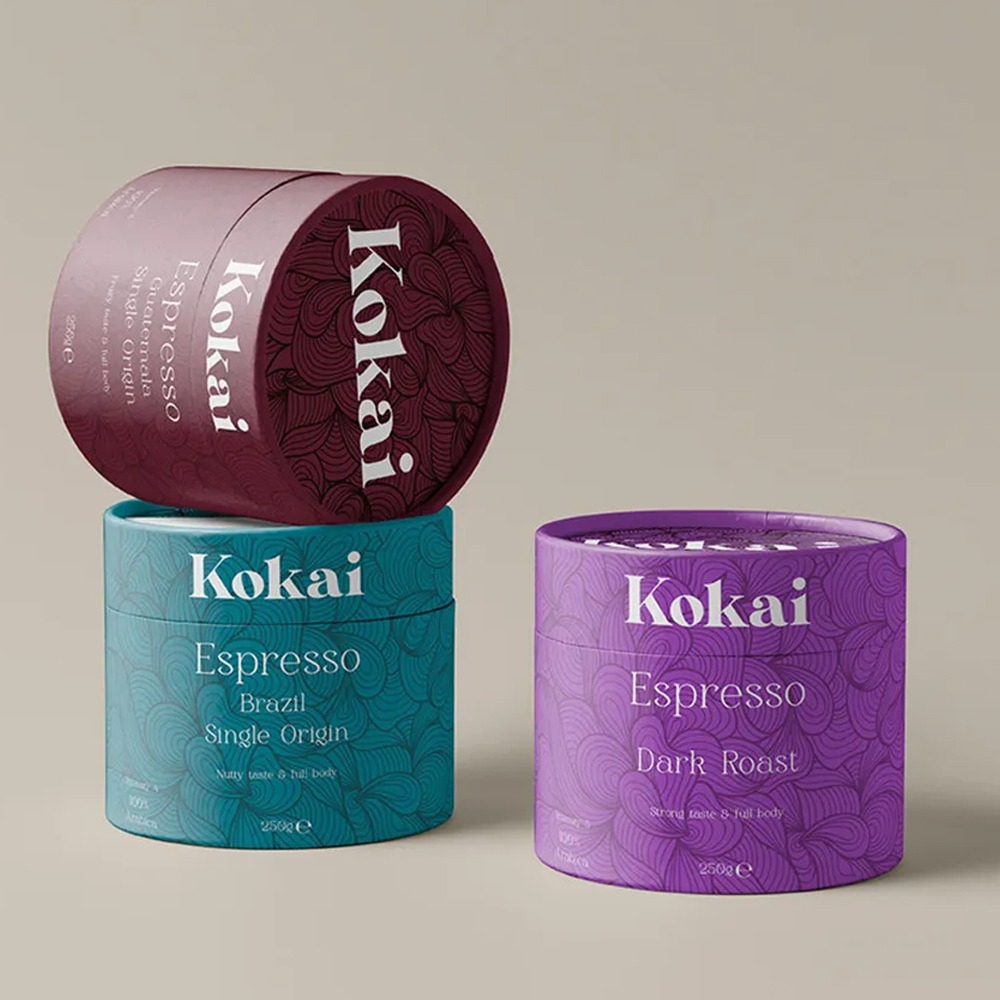
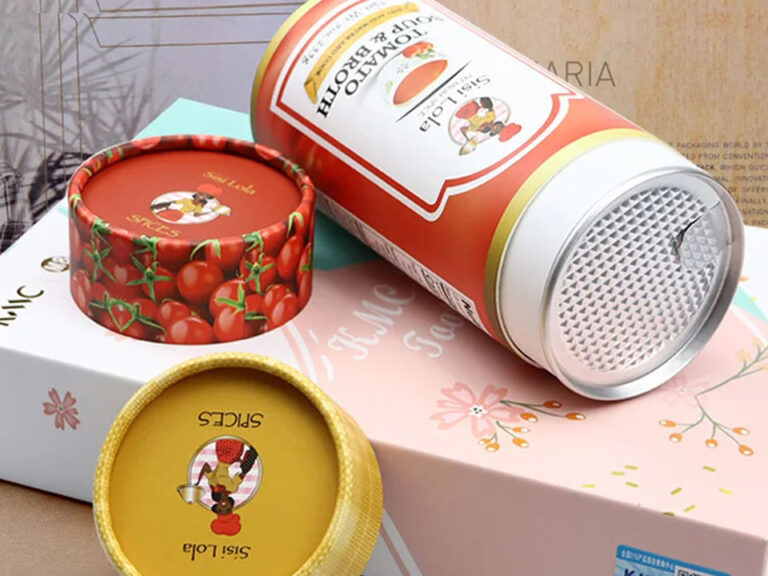
Una sinfonía visual en cada bote
El diseño se convierte en un sistema escalable entre SKU
Evita que la “dispersión de SKU” destroce la estantería
Prácticas de diseño de envases
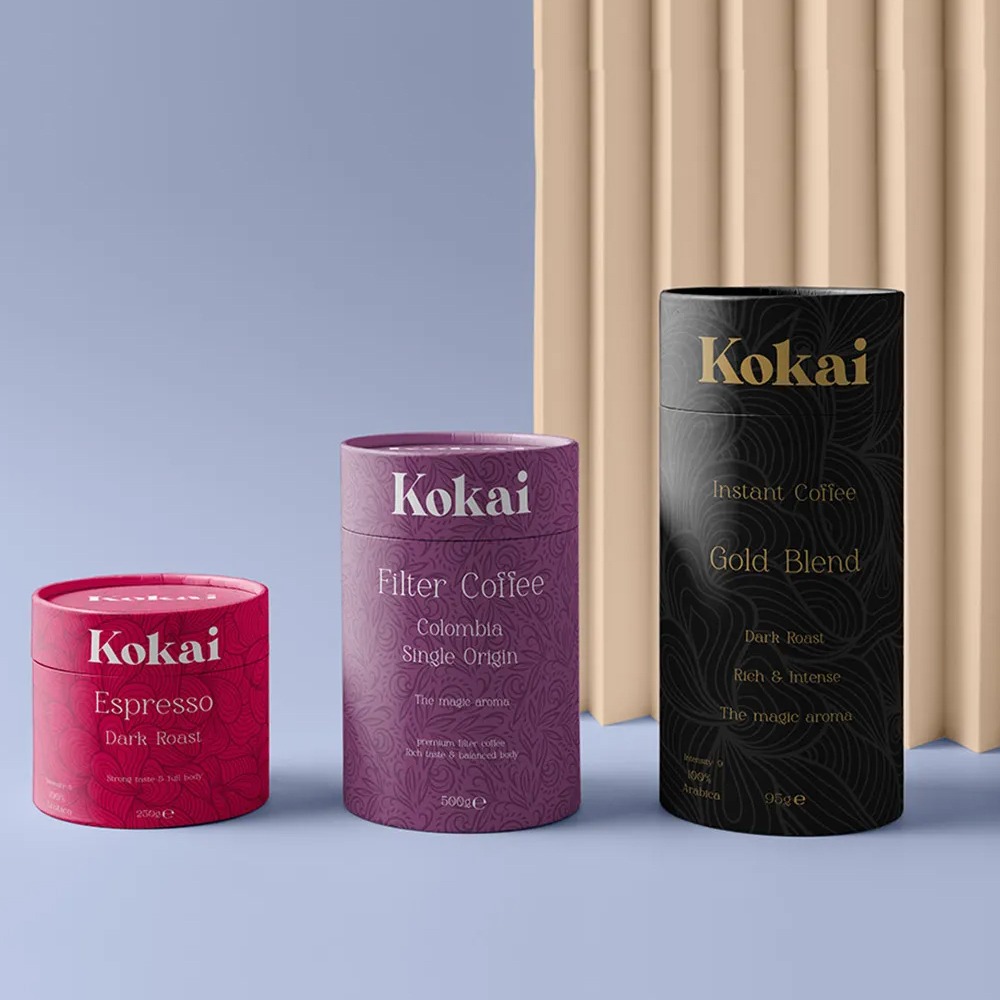
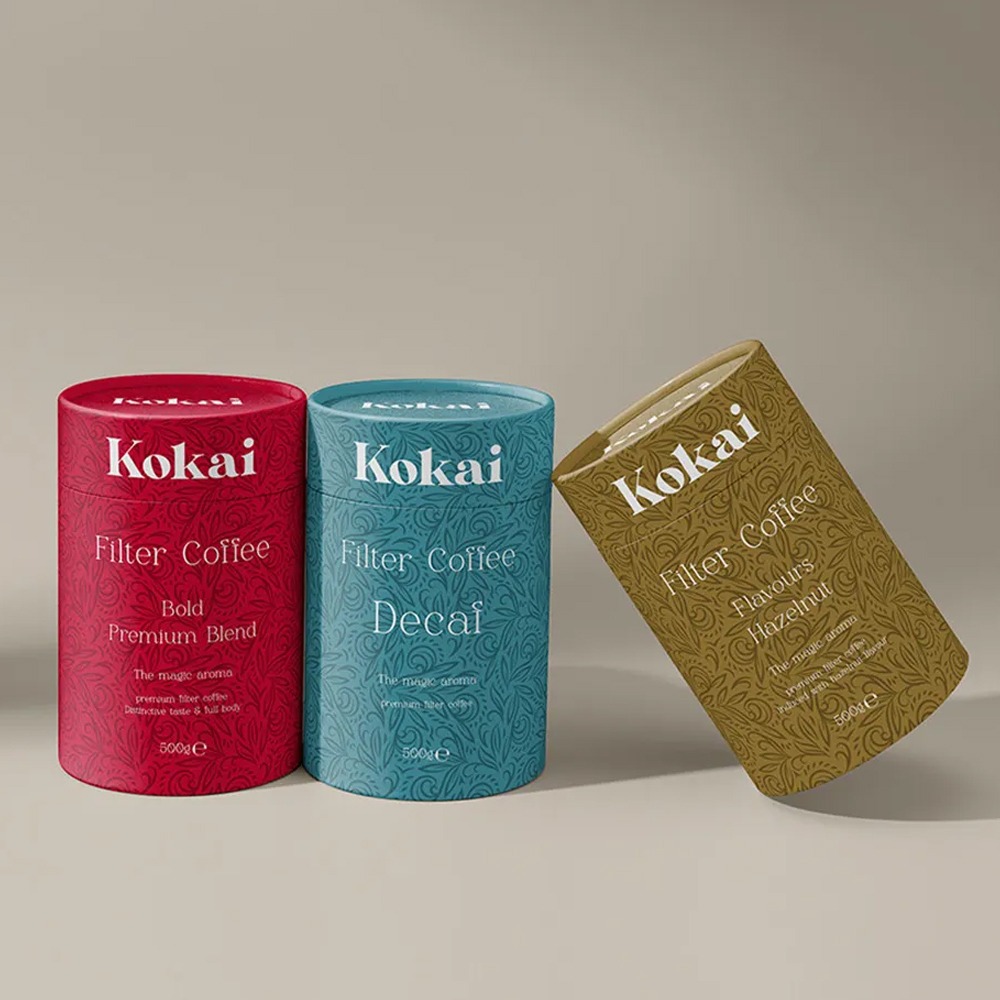
Combinación de colores para cada variedad de café
La codificación por colores facilita la selección
Reduce la fatiga en la toma de decisiones y aumenta la conversión
Lógica de comercialización
Más que almacenamiento: Un tema de conversación en su mostrador
El bote permanece fuera, así que su marca permanece visible
Aumenta las “impresiones diarias” y los repedidos
Patrón de comportamiento del cliente
Estructura del bote de papel y opciones de barrera
Las opciones de estructura y revestimiento se adaptan al producto
Menos abolladuras, menos fugas, mayor frescura
Ingeniería de fabricación
Más allá del grano: Envases sostenibles con estilo
“Sostenible” no puede ser una nota al margen. Tiene que sentirse como algo propio.
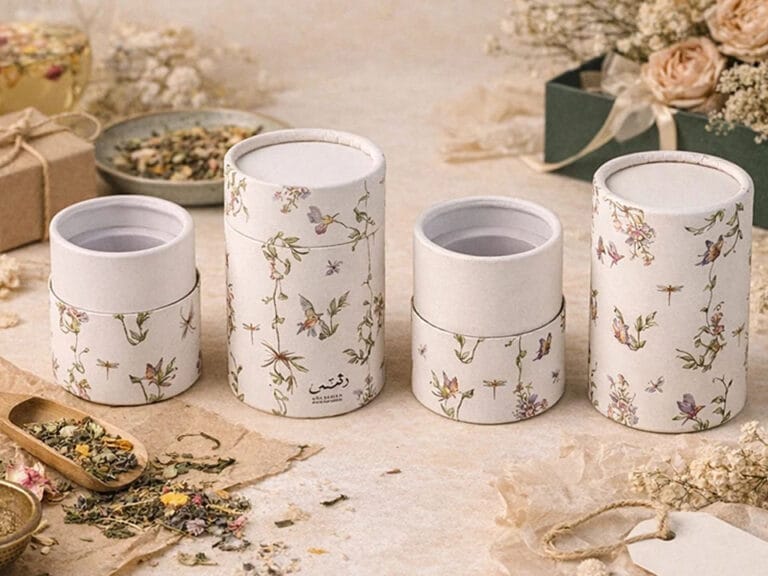
Los botes de papel lo hacen bien porque, naturalmente, tienen un aspecto cálido e intencionado. No gritan “industrial”. Se sienten más cercanos a los productos de estilo de vida: café, suplementos, cosméticos, regalos de primera calidad.
Esta es la jugada sencilla:
Exponer la declaración de sostenibilidad en un lenguaje sencillo (sin eslóganes vagos).
Hazlo visible en el panel frontal o en la zona de la tapa
Mantenga la coherencia del formato para poder lanzar nuevas variantes sin caos de rediseño.
Si aún estás mapeando categorías, navega por catálogo de productos y elija la referencia más cercana a su SKU. Agiliza la toma de decisiones, sobre todo para los equipos que hacen malabarismos con varias líneas.
Una sinfonía visual en cada bote
“Artístico” no significa complicado. Significa cohesivo.
Cuando tu bote de papel parece un objeto de primera calidad, la gente lo trata de otra manera. Lo guardan. Lo exponen. Incluso lo reutilizan. Esa es una victoria de la marca que no se consigue con envases endebles.
Para que el aspecto sea escalable, construye un sistema visual con tres palancas:
Lenguaje de patrones (su estilo característico)
Lógica del color (cómo se identifican las variantes)
Jerarquía de acabados (cómo se separan los niveles)
Así es como se mantiene limpia la estantería sin dejar de lanzar nuevos sabores, aromas o fórmulas.
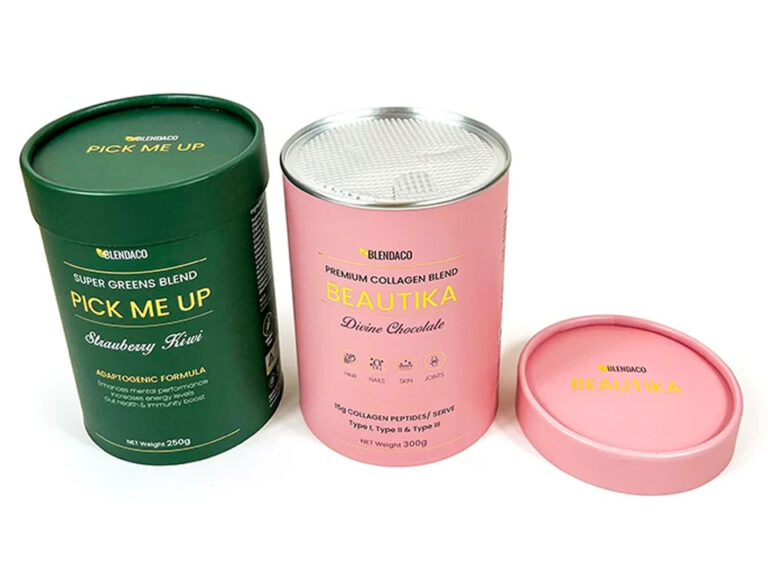
Combinación de colores para cada variedad de café
La codificación por colores es una de las medidas más prácticas en materia de envasado. También es una de las decisiones que menos cuesta tomar si no se planifica con antelación.
Un enfoque limpio:
Color = sabor / beneficio / fuerza
Patrón = línea de productos (café vs. té vs. suplementos)
Acabado = nivel (core vs. premium vs. limited drop)
Ayuda a los compradores a comprar con rapidez. También ayuda a su equipo de operaciones. A los almacenes, al personal de recogida y empaquetado y a los minoristas les encantan los envases fáciles de reconocer.
Más que almacenamiento: Un tema de conversación en su mostrador
Un bote de papel no es sólo un recipiente. Es un objeto de encimera.
Cuando la gente lo guarda en el mostrador, se consigue algo que los vendedores rara vez compran directamente: repetir visibilidad. Cada cucharada de café de la mañana se convierte en un micropunto de contacto con la marca. Cada dosis de suplemento se convierte en un recordatorio.
Por eso el formato de bote funciona tan bien para:
Café y té (productos rituales)
Suplementos (productos de uso diario)
Cosméticos (productos de tocador)
Artículos de regalo (envases de recuerdo)
Si su producto vende a través de una historia y un estilo de vida, el formato de bote apoya esa historia sin palabras adicionales.
Estructura del bote de papel y opciones de barrera
Un envase bonito que se hunde en tránsito es una máquina de reembolsos. Hablemos de estructura.
Un bote de papel fiable normalmente se reduce a:
Resistencia de la pared del tubo (grado del tablero + grosor)
Ajuste de la tapa (ajuste por fricción, enchufable o cierre especial)
Barrera interior (basada en la humedad, el oxígeno, el aroma, el aceite o la migración de polvo)
Refuerzo de la base (especialmente para rellenos más pesados)
Aquí es donde los fabricantes se ganan el pan. Usted quiere opciones de ingeniería sólidas, tolerancias constantes y un control de calidad que se mantenga lote tras lote.
Escenarios de ajuste de categoría con referencias reales
Si necesita un punto de partida rápido, utilice estas páginas como “muestras de trabajo” para la dirección de la estructura:
No son plantillas de “talla única”. Son anclajes prácticos para que su equipo entienda lo que usted entiende por productos de calidad, duraderos y listos para vender.
Caja de cartón reciclable para cannabis a prueba de niños
Algunas categorías no pueden “improvisarse”. El cannabis es una de ellas.
Para el envasado de cannabis, los equipos suelen preocuparse por:
dirección a prueba de niños
tacto inviolable
una presentación de marca que sigue pareciendo premium
opciones de estructura compatibles con la normativa
Envases de papel OEM/ODM para la venta al por mayor a granel
Si compra al por mayor, su verdadero problema no es “encontrar un diseño bonito”. Es hacer que el envasado sea repetible.
Es decir:
un dieline estable y estructura spec
normas de impresión que no varían de un lote a otro
definiciones claras de acabado (mate, brillante, suave al tacto, colocación de láminas)
Puntos de control de calidad que detectan problemas antes del envío
Aquí es donde importa OEM/ODM. No se trata sólo de pedir tubos. Se trata de crear un sistema de envasado que soporte lanzamientos, reposiciones y ampliaciones de línea sin complicaciones.
Una forma sencilla de mantener limpio su programa:
Bloquear primero la estructura
A continuación, fije los visuales en un sistema modular
A continuación, añada “intercambios estacionales” controlados (envoltorios, inserciones, fundas) sin tocar la estructura principal.
Así es como las grandes marcas se mueven rápido sin romper la coherencia.
Embalaje de cajas de tubo de papel para joyas y pulseras
Los botes de papel no son sólo para consumibles. También son ideales para artículos de regalo en los que el envase debe parecer parte del producto.
Las joyas son un buen ejemplo porque el comprador espera:
tacto de primera calidad en la mano
presentación impecable nada más sacarlo de la caja
Es un buen recordatorio de que lo “sostenible” no tiene por qué parecer sencillo. Puede parecer refinado.
Envases de papel sostenibles que venden
Si quieres la versión corta, aquí la tienes:
Dirección artística llama la atención y recuerda la marca
Lógica del color impulsa decisiones de compra rápidas
Estructura y barrera impulsar el rendimiento y los pedidos
Coherencia OEM/ODM mantiene sana su cadena de suministro
Si está creando un programa de envases de papel para la distribución minorista, D2C o mayorista, el mejor paso siguiente es sencillo: elija una página de referencia lo más parecida posible a su producto y, a continuación, defina qué significa “premium” para sus clientes: aspecto, tacto y rendimiento. Después, todo será más fácil.
Si quiere explorar más formatos antes de cerrar las especificaciones, empiece por catálogo de productos, y, a continuación, volver a la estructura, el acabado y la planificación de pedidos a granel.