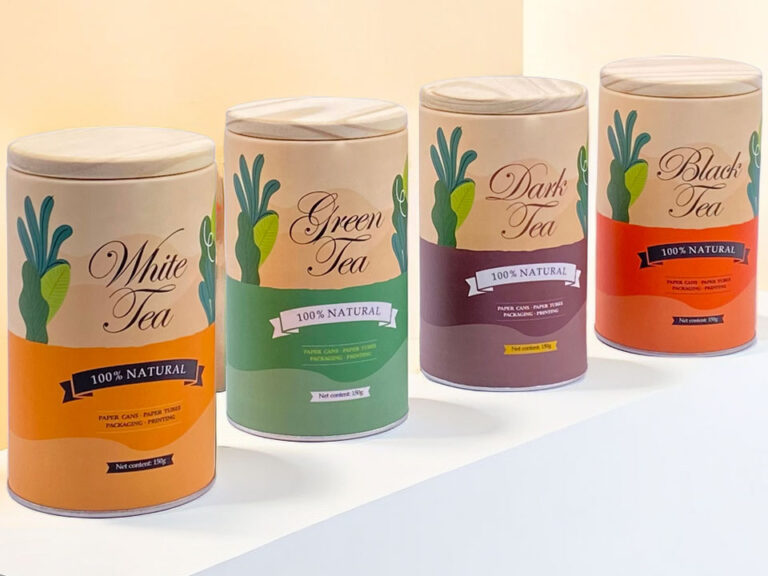
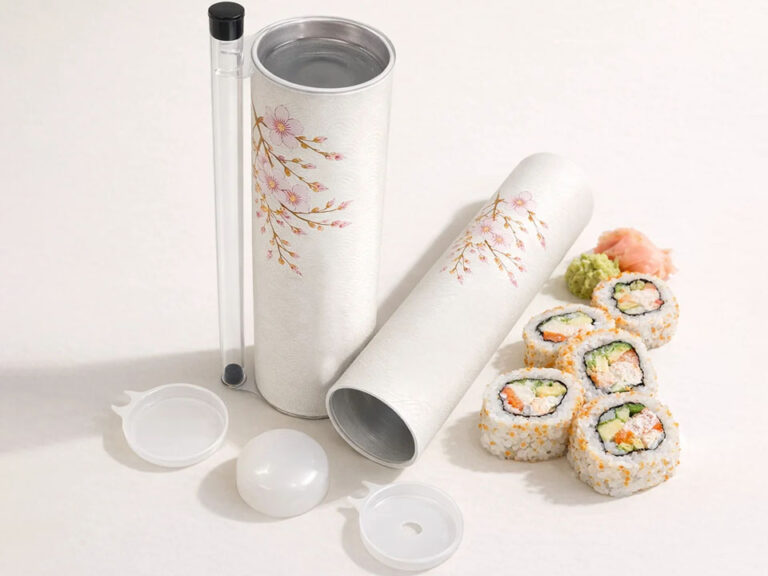
¿Aún no encuentra la solución de envasado adecuada? Hable con nuestro jefe.
Si ha consultado nuestro sitio web o hablado con el departamento de ventas y sigue sin ver claro el camino a seguir, envíe su solicitud aquí. Su mensaje irá directamente a nuestro Director General para que realice una revisión ejecutiva de la viabilidad, el coste y el plazo de entrega. Obtendrá información clara sobre el siguiente paso: qué podemos hacer, qué necesitamos de usted y la ruta más rápida para obtener un presupuesto.
Revisión directa por parte de GM de sus especificaciones, casos de uso y limitaciones
Comprobación de tamaño y estructura: diámetro, altura, resistencia de la pared, insertos
Recomendaciones de impresión/acabado que se ajusten a la marca y al presupuesto
Alternativas de reducción de costes y mejora del plazo de entrega
Claridad en la ruta de cotización: MOQ, plan de muestreo y qué hacer a continuación
Hable con nuestro jefe
Obtenga un presupuesto rápido para Envasado de tubos de papel a medida
Diseñado para directores de envasado, compras e ingenieros de envasado. Especifique el tamaño, la cantidad y el acabado para recibir información sobre precios, plazos de entrega y especificaciones para programas de EE.UU. y la UE.
Personalización lista para cotizar: diámetro, altura, grosor de pared, insertos, revestimientos y cierres
Guía completa para personalizar los envases de cosméticos en tubo de papel
Índice
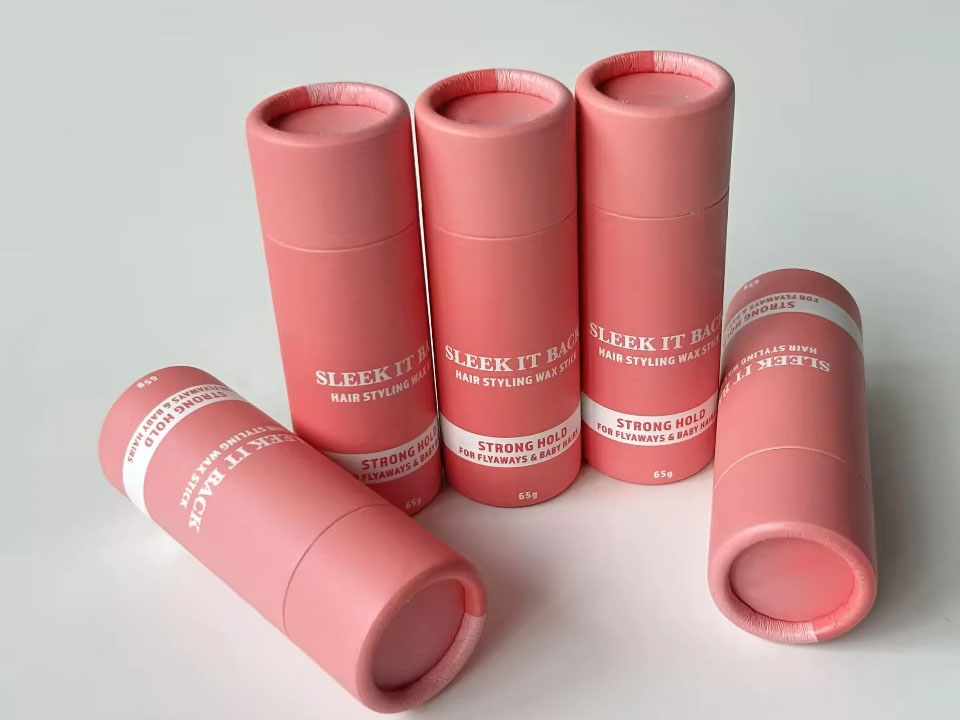
El envase de tubo de papel para cosméticos cumple dos funciones a la vez. Protege su producto durante el envío y la manipulación en el punto de venta. También vende su marca antes de que nadie gire un tapón o despegue un precinto.
Pero aquí está la parte que la mayoría de los compradores aprenden por las malas: un tubo “bonito” no siempre es un tubo “de buen rendimiento”. Un diámetro incorrecto crea traqueteo y abolladuras. Una pared débil se aplasta en los envases de cartón. Un mal control de la impresión hace que los colores se desvíen de un pedido a otro y que su estantería se vea desordenada.
En el Los mejores fabricantes de cajas de tubos de papel a medida verá formatos de tubos de papel diseñados para la venta al por mayor, proyectos OEM/ODM y escalado de marcas. El objetivo es sencillo: mantener la coherencia de los envases, facilitar su producción y facilitar su reposición, incluso cuando aumente el número de referencias.
Identidad de marca e impacto en el lineal
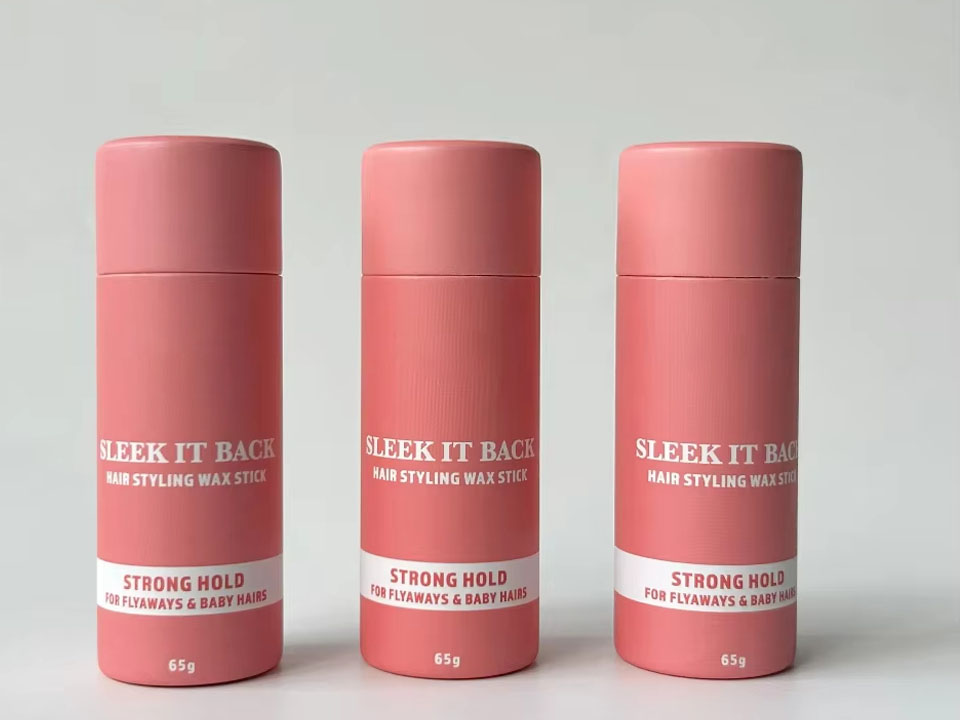
Un tubo de cosméticos es una señal en el estante. Los compradores no leerán primero su texto. Se fijarán primero en el color, el acabado y la forma. Por eso la personalización debe empezar con una pregunta: ¿qué quieres que sienta la gente en un segundo?
Indicaciones de marcas comunes que funcionan bien en tubos:
PremiumEnvolturas de color sólido intenso, registro ajustado, detalles en lámina, sensación de mayor peso al tacto
De modabandas luminosas para las variantes, iconos lúdicos, tipografía atrevida
Si tiene varias líneas (bálsamo labial, bálsamo desodorante, barras para el cuidado de la piel), cree un “sistema visual” repetible. Mantenga la misma colocación y disposición del logotipo, y cambie solo lo que ayude a los compradores a elegir: aroma, tono o función. Así evitarás una pared de SKU que parezca una mezcla aleatoria.
Si necesita una vista rápida de los diferentes estilos de tubos para alinear el aspecto de su marca, empiece por el catálogo de productos.
Control de las ilustraciones y coherencia del color
Cuando escalas, el cambio de color se convierte en un verdadero problema. La primera tirada parece perfecta, pero en la siguiente, el “rosa característico” se apaga ligeramente. Los clientes se dan cuenta. Los compradores se dan cuenta más rápido.
Ciérralos pronto:
colores de marca (utilice un estándar de color fijo y manténgalo coherente)
colocación crítica del logotipo (evitar zonas de costura y bordes curvos para las marcas clave)
colocación del código de barras (lo suficientemente plano para su lectura, no enterrado cerca de un solapamiento de envoltura)
Talla correcta y plantillas
La mayoría de los daños de tránsito empiezan con un problema: espacio vacío. Si el producto se mueve dentro del tubo, éste recibe golpes en los lugares equivocados. Se ven abolladuras, rozaduras y hombros aplastados.
Selección del diámetro y la altura del tubo
Elija el tamaño como si estuviera optimizando su línea de envasado, no sólo ajustándose al producto:
el ajuste ceñido reduce el traqueteo y hace que los envases de cartón sean más estables
una altura uniforme ayuda a que los planogramas de los comercios parezcan limpios
las tapas que se abren suavemente mejoran la sensación de desembalaje y reducen la frustración del cliente
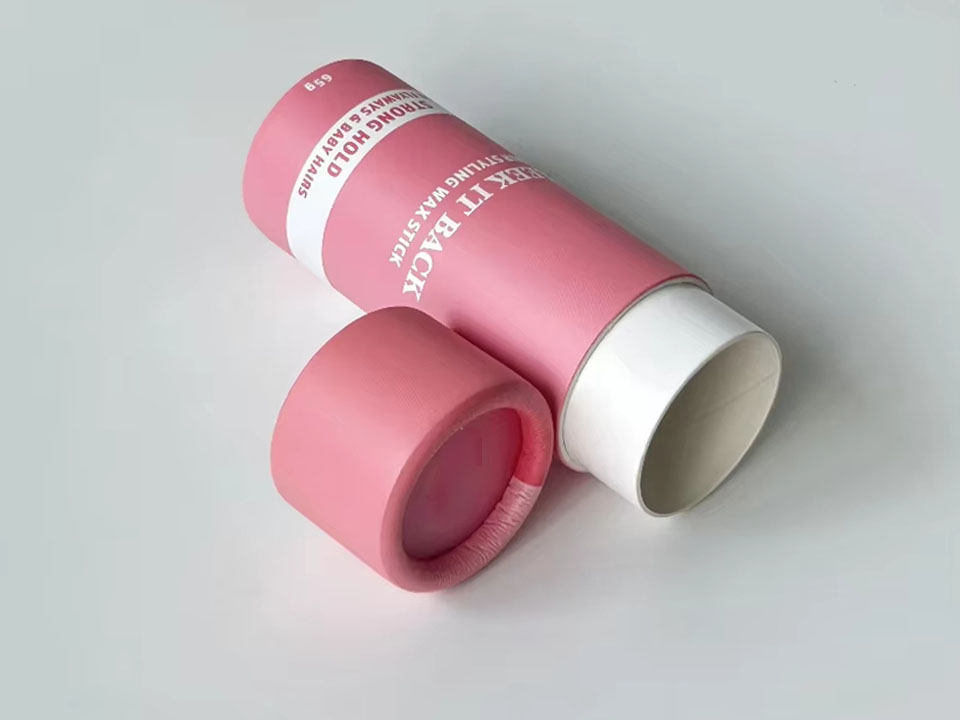
Si su producto es delgado, de cristal o propenso a los arañazos, añada un inserto. Los insertos mantienen el producto centrado y protegen los bordes. Es una mejora silenciosa que reduce las reclamaciones por daños y evita las críticas negativas que perjudican la conversión.
Declaraciones de envases sostenibles que puede defender
La sostenibilidad vende, pero sólo cuando es específica. El vago lenguaje “respetuoso con el medio ambiente” ya no genera confianza.
En su lugar, construya afirmaciones que pueda explicar con palabras sencillas:
estructura de papel (cuerpo de tubo + envoltura de papel)
reducir el espacio desaprovechado
menos materiales mezclados cuando sea posible
presentación reutilizable “guardar en el neceser” que prolonga la vida más allá de un unboxing
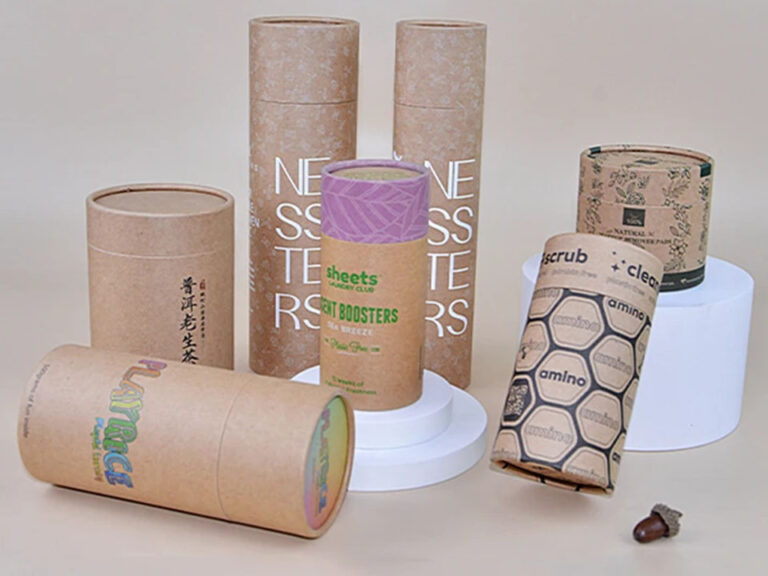
Si lo que desea es un aspecto de papel que indique “responsabilidad” sin gritarlo, puede seguir la estructura y el estilo utilizados en esta página. envases ecológicos de tubos de papel y adaptar las especificaciones a los cosméticos.
Transporte transfronterizo y sostenibilidad
Si vende a través de las fronteras (vendedores de plataforma y DTC), la sostenibilidad y la fuerza de envío pueden ir de la mano. Los tubos del tamaño adecuado reducen el vacío. Unas paredes más resistentes reducen las devoluciones. Menos daños significa menos residuos. Es una victoria que su equipo de operaciones sentirá realmente.
Tinta a base de soja y seguridad de impresión
A los compradores de cosméticos les importan las señales de seguridad. Incluso cuando el envase no toca directamente la fórmula, la calidad de impresión sigue afectando a la seguridad percibida.
Las malas señales los clientes las notan enseguida:
fuerte olor a tinta
manchas en las manos
gráficos desgastados después de un envío
negros desiguales y colores turbios
Plantee estas especificaciones con tiempo:
tipo de tinta y control de olores
resistencia al roce (para que el envoltorio no parezca “usado” en tránsito)
coherencia del color en los pedidos
texto pequeño y nítido para el etiquetado de ingredientes y conformidad
Si vende a canales más estrictos, asegure con antelación los detalles de cumplimiento. Por ejemplo, si necesita cierres controlados, haga referencia a envases de tubo de papel a prueba de niños para la dirección del cierre y la disciplina estructural.
Tubos en blanco + etiquetas adhesivas para pequeñas tiradas
Los tubos con impresión completa son estupendos cuando ya sabe lo que se vende. Pero si todavía está probando variantes, los tubos en blanco con etiquetas pueden ahorrarle inventario muerto.
Este enfoque funciona bien para:
nuevas marcas que validan el ajuste producto-mercado
Gotas estacionales y correo de influencers
muchas fragancias/tonalidades con ciclos de tirada cortos
cambios rápidos en las declaraciones, el lenguaje o el texto de conformidad
Sigues teniendo un aspecto limpio. También mantiene la flexibilidad mientras aprende. Una vez que sus datos le indiquen qué SKU se mueven, puede convertirlas en tubos de impresión completa para reordenarlas con eficacia.
Menú de personalización
Cuando los compradores dicen “a medida”, pueden referirse a la estructura, el material, la impresión, el acabado o los complementos. Si no se separan, se obtienen presupuestos erróneos, bucles de revisión y retrasos que queman las ventanas de lanzamiento.
Utilícelo como un menú de personalización claro:
Elemento de personalización
Qué cambia
Punto débil del comprador que resuelve
Tamaño del tubo (diámetro/altura)
ajuste, estabilidad de envío, presencia en estanterías
abolladuras, traqueteos, planogramas desordenados
Espesor de pared y tablero
resistencia al aplastamiento, tacto
daños de tránsito, “tacto barato”
Impresión (exterior / doble cara)
espacio narrativo, sistema de marcas
marca débil, poca presencia en los estantes
Acabado (mate / brillante / tacto suave)
tacto y valor percibido
tacto premium, menos huellas dactilares
Complementos (inserción / ventana / asa)
protección y visualización
rotura, mala visibilidad, necesidades de regalo
Si vende productos que necesitan visibilidad o atractivo para regalar, un formato como envase de tubo con ventana transparente y asa muestra cómo los complementos pueden aumentar la claridad de las estanterías y el valor percibido.
Selección de materiales: seguridad, durabilidad y opciones de diseño
No elijas los materiales como si estuvieras eligiendo “papel bonito”. Elígelos como si estuvieras protegiendo tu margen y tus críticas.
Utiliza cinco filtros:
Seguridad de los materialesOlor limpio, estructura estable, manipulación segura
Durabilidadresiste a las abolladuras, mantiene la forma y sobrevive a la compresión del cartón
Opciones de diseño: imprime limpiamente, admite sus opciones de acabado
Opciones de tamaño y forma: se adapta a su producto sin residuos
Estabilidad de reordenaciónoferta coherente y resultados coherentes
Si su producto contiene aceites o se coloca en cuartos de baño húmedos, hable pronto de la tolerancia a la humedad. Un tubo que se deforma en un tocador se convierte rápidamente en un mal comentario.
Canales especializados y expectativas de cierre
Algunos segmentos se preocupan más por el cierre que por la apariencia. Piense en el bienestar, las categorías reguladas o los productos vendidos a través de minoristas controlados. Si estás en esa zona, querrás un control más estricto de la estructura y la mecánica de cierre.
Un formato de referencia pertinente es envasado de cartuchos en tubos de papel, donde la estabilidad y la presentación de la conformidad suelen importar más.
Presupuesto y escala real
No es necesario sobredimensionarlo todo el primer día. Lo que sí necesitas es un plan que se ajuste a la escala real de las marcas.
He aquí un despliegue que funciona para compradores mayoristas, proyectos OEM/ODM y marcas en crecimiento:
primero la estructura de la cerradura (tamaño, resistencia de la pared, ajuste de la tapa)
bloquear el siguiente sistema de marca (colores, diseño, colocación del logotipo)
variantes de prueba con etiquetas o impresión simplificada
escala sólo los ganadores en los pedidos de reimpresión completa para una producción más fluida y una mayor coherencia de las unidades
Este enfoque reduce los ciclos de revisión, protege los plazos de lanzamiento y mantiene limpio el proceso de reordenación.
Cuadro de pruebas: argumentos clave y fuentes internas
Utiliza esta tabla como “capa de prueba” para un blog, una presentación o un documento de fuentes. Cada fuente enlaza con páginas de su propio sitio web.
Título del argumento
Lo que puede reclamar con confianza
Fuente interna
Identidad de marca e impacto en el lineal
Los tubos admiten sistemas de marca coherentes en múltiples líneas de productos.