¿Aún no encuentra la solución de envasado adecuada? Hable con nuestro jefe.
Si ha consultado nuestro sitio web o hablado con el departamento de ventas y sigue sin ver claro el camino a seguir, envíe su solicitud aquí. Su mensaje irá directamente a nuestro Director General para que realice una revisión ejecutiva de la viabilidad, el coste y el plazo de entrega. Obtendrá información clara sobre el siguiente paso: qué podemos hacer, qué necesitamos de usted y la ruta más rápida para obtener un presupuesto.
Revisión directa por parte de GM de sus especificaciones, casos de uso y limitaciones
Comprobación de tamaño y estructura: diámetro, altura, resistencia de la pared, insertos
Recomendaciones de impresión/acabado que se ajusten a la marca y al presupuesto
Alternativas de reducción de costes y mejora del plazo de entrega
Claridad en la ruta de cotización: MOQ, plan de muestreo y qué hacer a continuación
Hable con nuestro jefe
Obtenga un presupuesto rápido para Envasado de tubos de papel a medida
Diseñado para directores de envasado, compras e ingenieros de envasado. Especifique el tamaño, la cantidad y el acabado para recibir información sobre precios, plazos de entrega y especificaciones para programas de EE.UU. y la UE.
Personalización lista para cotizar: diámetro, altura, grosor de pared, insertos, revestimientos y cierres
Exploración de aplicaciones innovadoras de los tubos de papel en los envases
Índice
Los tubos de papel solían ser “carteles de correo” y nada más. Esa historia está superada. Hoy en día, un tubo de papel bien diseñado puede proteger los productos, mejorar su presencia en los estantes y mantener su estrategia de envasado más cerca de lo que los minoristas y los mercados realmente quieren: menos daños, una marca más limpia y conversaciones de reciclaje más sencillas.
Si está creando una marca o se abastece para la venta al por mayor, la verdadera pregunta no es “¿Puedo utilizar un tubo de papel?”. Es qué especificación de tubo de papel se adapta a su producto, a su flujo de trabajo y a sus necesidades de cumplimiento de normativas.
Estructura y resistencia de los envases de tubo de papel
Un tubo de papel funciona porque su forma cilíndrica distribuye la fuerza alrededor del cuerpo. Eso ayuda en el caos real del transporte: cajas apiladas, caídas en las esquinas, compresión en la entrega de última milla y manipulación en el almacén.
Fuerza y resistencia al impacto del tubo de papel enrollado en espiral
Si envía artículos frágiles o cuya forma es delicada, la “especificación del tubo” importa más que los gráficos. Piense en términos de resistencia a la compresión, espesor de pared, y protección de bordes. Por eso los tubos siguen apareciendo en categorías en las que se aplasta una caja plegable.
Ejemplos prácticos con los que puede trabajar:
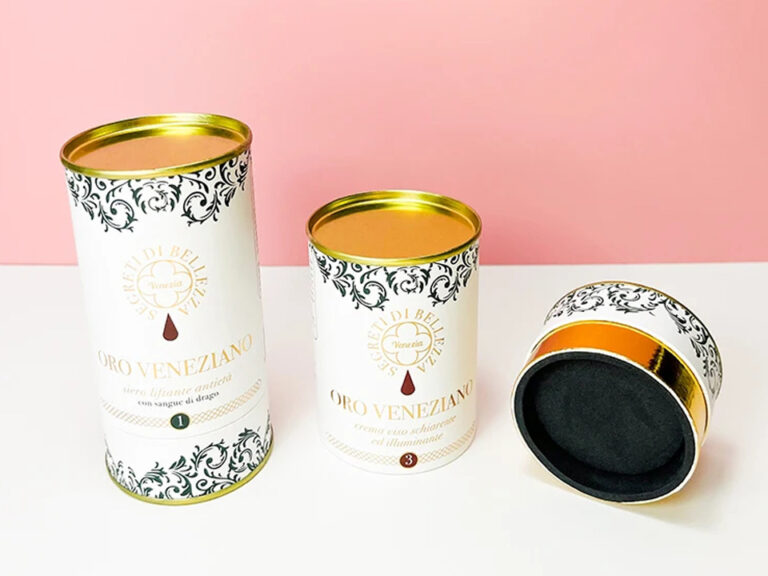
Cosmética y cuidado de la piel: aspecto premium + mejor protección que el cartón fino. Consulte envases para tubos de cosméticos.
Cierres de envases de tubos de papel y diseño multicomponente
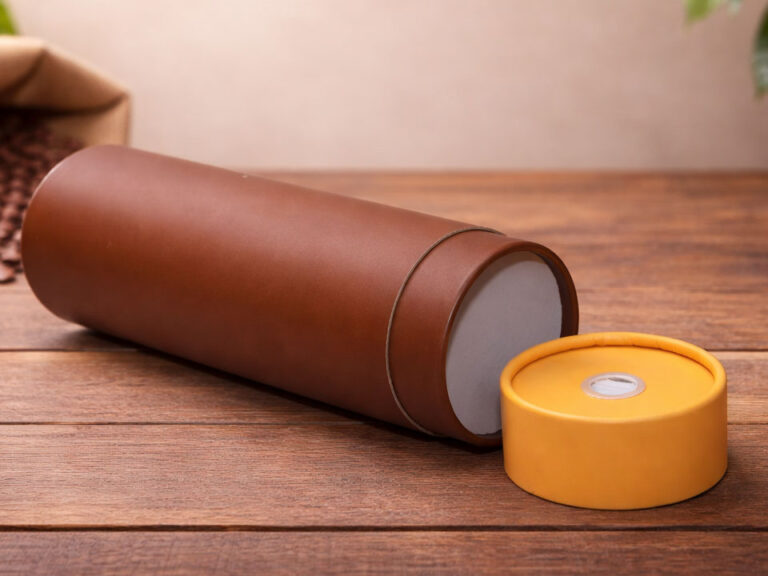
La gente dice “tubo de papel” como si fuera una sola pieza. En términos de fabricación, es un pequeño sistema: cuerpo del tubo, tapa, base, revestimientos, insertos y, a veces, una ventana o asa.
Tapas, bases, insertos y pruebas de manipulación de tubos de papel
¿Quiere reducir las devoluciones y las quejas por “llegó dañado”? No se limite a espesar el tubo. Elabore un plan de cierre:
Tapa hermética para un desencajonado y reencajonado de primera calidad.
Seguridad contra manipulaciones cuando el producto necesita confianza en la primera apertura.
Insertos para fijar el SKU en su sitio (sin traqueteo, sin rozaduras, sin “parece usado”).
Un buen ejemplo de tubo que combina estructura y extras es éste envase de tubo de cinta para el pelo con ventana transparente y asa. Las ventanas y las asas pueden ser una ventaja, pero también afectan a la reciclabilidad y a la velocidad de la línea, por lo que conviene especificarlas intencionadamente.
Protección de los envíos de comercio electrónico con envases de tubo de papel
Los vendedores D2C y transfronterizos viven y mueren por el índice de daños y las reseñas. Los tubos brillan aquí porque resisten la flexión y protegen los bordes mejor que muchos cartones planos.
Durabilidad del cumplimiento D2C y experiencia unboxing
Donde los tubos suelen tener mejores resultados:
Artículos largos que se doblan durante el transporte (carteles, accesorios, algunos complementos electrónicos)
Mercancías pequeñas de primera calidad donde unboxing = valor de marca
Embalaje tipo suscripción cuando la manipulación repetida requiera un nuevo cierre
Y sí, se puede mantener la “marca premium” sin complicarse. Un diseño limpio de la etiqueta, un control coherente del color y una tapa ajustada dan la sensación de ser caros incluso cuando la estructura sigue siendo sencilla.
Envasado de tubos de papel para uso alimentario y revestimientos de barrera
Los alimentos y los complementos aportan una realidad diferente: oxígeno, humedad, migración de aceite/grasa, pérdida de aroma, y las expectativas de vida útil. Si quiere tubos de papel en este espacio, necesita la estrategia de barrera adecuada.
Recubrimientos barrera contra la humedad, la grasa y el aroma
La mayoría de los tubos aptos para uso alimentario cuentan con una capa interior o revestimiento para manipularlos:
barrera contra la humedad (los polvos apelmazados son un verdadero quebradero de cabeza)
resistencia a la grasa (aperitivos de té, infusiones, ciertos productos botánicos)
retención de aromas (té, café, productos relacionados con los aceites esenciales)
Repulpabilidad y reciclabilidad de los envases de papel
He aquí el matiz que respetan los compradores: El papel no es automáticamente “fácil de reciclar”.” Eso lo decide su pila de materiales. Los laminados plásticos gruesos pueden dificultar el repulpado, mientras que los revestimientos más inteligentes pretenden mantener una recuperación de la fibra realista.
Si a sus clientes les preocupa la sostenibilidad, lo mejor que puede hacer es decir algo concreto:
qué partes son de cartón
qué partes son de metal/plástico (si las hay)
si el diseño evita el laminado de películas pesadas
Envases de tubo de papel a prueba de niños
Algunas categorías no pueden “improvisar”. Si vende productos regulados, necesita un envasado que respalde el cumplimiento y reduzca el riesgo.
Envases de tubo de papel a prueba de niños para cannabis y CBD
A prueba de niños no tiene por qué significar feas bivalvas de plástico. Los tubos pueden admitir mecanismos de tipo CR en función del diseño y los requisitos del mercado.
Desde el punto de vista empresarial, los tubos con capacidad CR le ayudan:
proteger el producto (y la marca) durante los controles de conformidad
mantener un aspecto de estantería de primera
reducir las quejas por “envases sospechosos” en las revisiones
Paletización y aprovechamiento del espacio de los envases de tubos de papel
Seamos sinceros: los cilindros no se apilan como ladrillos.
Eficacia de la paletización y embalaje secundario
Los tubos pueden ocupar mucho espacio si se envían sueltos. La solución son las operaciones estándar:
envasar los tubos en cajas secundarias rectangulares
utilice separadores o anidación en la medida de lo posible
especifique las dimensiones de los tubos en función de su patrón de cajas y palés (aquí es donde los pequeños cambios merecen la pena)
Se trata de una operación clásica de “ingeniería de envasado”: se consigue una mejor protección del producto y un mayor impacto en el lineal, y luego se limpia la logística con un envasado secundario inteligente.
Fabricación y escalado de cajas de tubos de papel personalizadas OEM/ODM
Un buen prototipo no sirve de nada si no puedes ampliarlo. Cuando vendes al por mayor o tienes varias referencias, necesitas una producción estable, un control de calidad constante y un almacenamiento que no ahogue tus plazos de entrega.
Venta al por mayor, envasado de pedidos a granel y coherencia multi-SKU
Aquí es donde importa la configuración del fabricante. Contamos con un moderno taller de purificación de envases alimentarios y un almacén tridimensional de 12.300 m², con una producción media diaria de más de 300.000 piezas (la capacidad es importante cuando hay que aumentar las referencias, lanzar series estacionales o suministrar a distribuidores).
Lo que eso significa para usted:
Flujos de trabajo listos para OEM/ODM para marcas, fábricas y agencias
apoyo a la venta al por mayor para distribuidores y vendedores de plataformas
control de impresión uniforme al reordenar los lotes
Tabla de datos: datos de envasado por los que preguntan los compradores
Tema
Qué indica a los compradores
Dato / nota útil
Tipo de fuente
Tasa de recuperación de papel
Credibilidad de reciclabilidad
Recuperación de papel en 67.9% y cartón en 93.6%
AF&PA
Composición de los residuos de envases en la UE
“El papel es un gran volumen, así que el diseño importa”
El papel y el cartón constituyen el mayor flujo de residuos de envases de la UE
Eurostat
Capacidad de escalado de fábrica
Estabilidad del suministro al por mayor
Capacidad media diaria Más de 300.000 unidades, almacén 12,300 m²
Operaciones de la empresa
Rendimiento alimentario
Caducidad y reducción de reclamaciones
Las capas de barrera se centran en la humedad/grasa/aroma; elija pilas que mantengan una recuperación de fibra realista
Investigación sobre materiales de envasado + práctica industrial
Tabla de escenarios: dónde ganan los envases de tubos de papel (y qué especificar)
Supuesto práctico
Envasado en tubo
Rentabilidad de las operaciones/marca
Cosméticos premium
tapa hermética + acabados de alta gama + inserto
mejor impacto en las estanterías, menos cajas aplastadas
Té y polvos secos
barrera alimentaria + base segura
menos quejas por apelmazamiento, mayor “frescura
Joyas y regalos
cuerpo rígido + tacto suave + marca limpia
mayor valor percibido, mejor experiencia de regalo
Accesorios D2C
resistencia a la compresión + cartón secundario que facilita el transporte
menor índice de daño, cumplimiento más suave
Cannabis regulado/CBD
estructura a prueba de niños + señales de manipulación
apoyo al cumplimiento, mejor aceptación por los minoristas
Lista rápida de especificaciones para su próxima petición de oferta
Canalestante de venta al por menor, Amazon, D2C, cajas de cartón para distribuidores
CierreTapa de fricción, tapa metálica, tira de rasgado, precinto de seguridad
Marca: Control Pantone/CMYK, relieve/grabado, lámina, mate/brillo
Logística: plan maestro de cajas, patrón de palés, limitaciones de almacenamiento
Conformidad: necesidades de seguridad infantil, normas de etiquetado, requisitos regionales
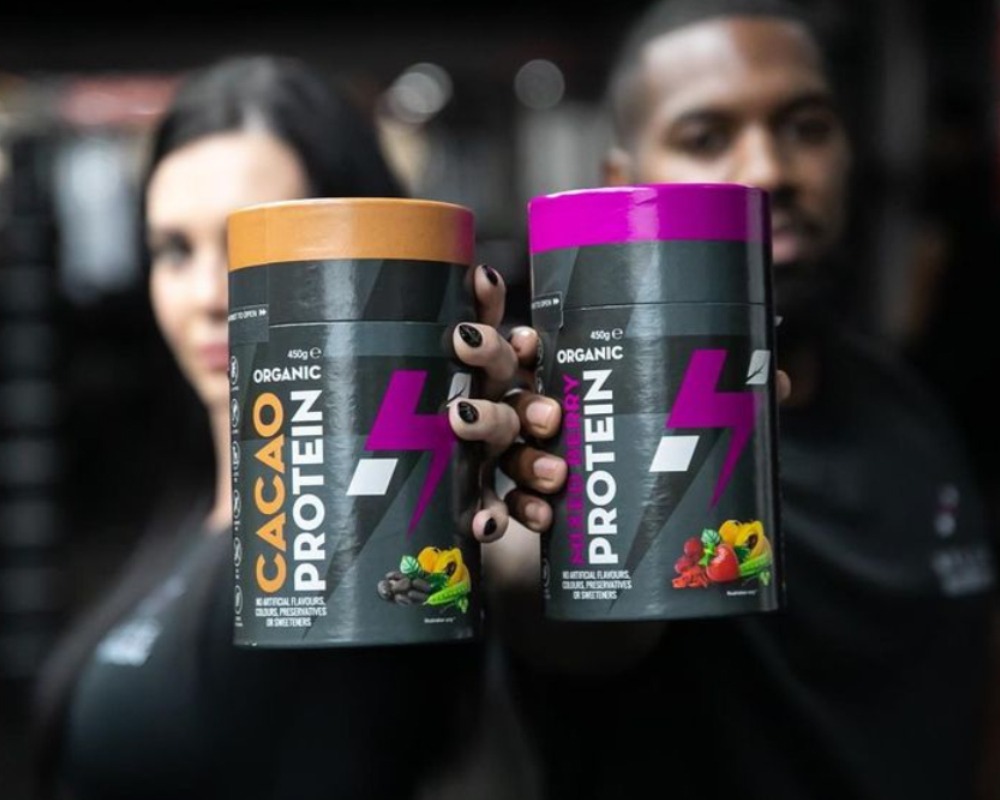
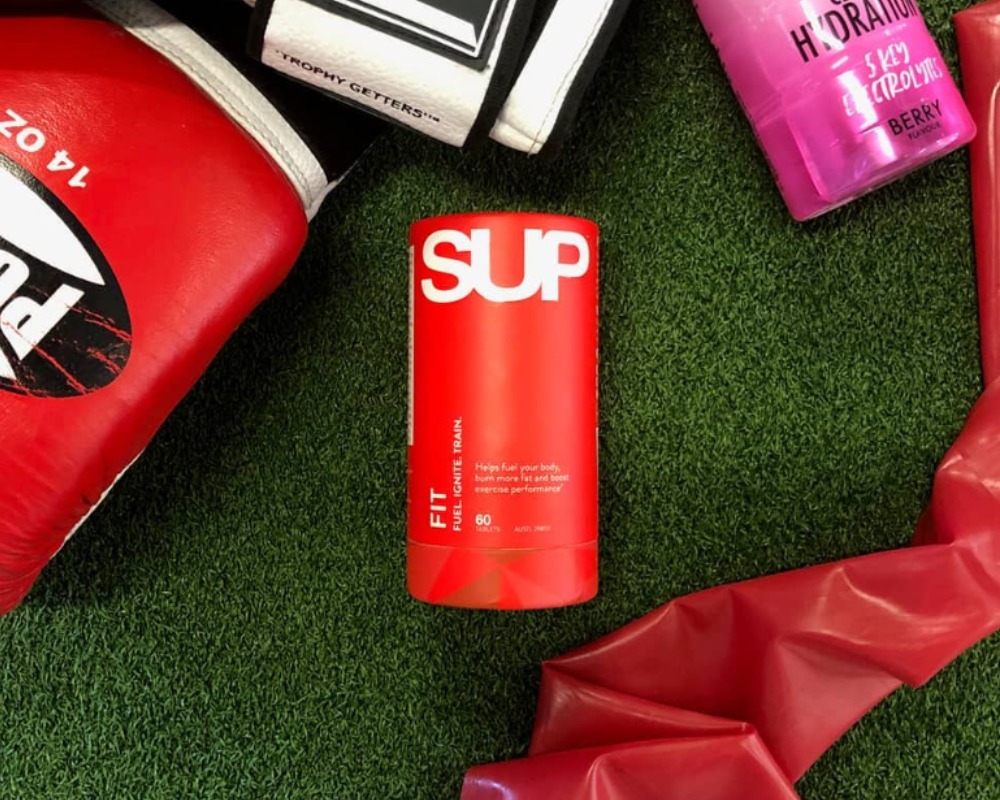
Si desea un punto de partida rápido, elija una estructura probada de nuestras páginas de productos (como proteína en polvo envasado en tubo de papel) y, a continuación, ajuste la tapa, el revestimiento y el acabado de impresión en torno a su SKU y canal.
Los tubos de papel no son una forma de moda. Son una herramienta de envasado que resuelve problemas reales (índice de daños, presencia en el lineal y cumplimiento de normativas) cuando se especifican como un ingeniero y se venden como una marca.