¿Aún no encuentra la solución de envasado adecuada? Hable con nuestro jefe.
Si ha consultado nuestro sitio web o hablado con el departamento de ventas y sigue sin ver claro el camino a seguir, envíe su solicitud aquí. Su mensaje irá directamente a nuestro Director General para que realice una revisión ejecutiva de la viabilidad, el coste y el plazo de entrega. Obtendrá información clara sobre el siguiente paso: qué podemos hacer, qué necesitamos de usted y la ruta más rápida para obtener un presupuesto.
Revisión directa por parte de GM de sus especificaciones, casos de uso y limitaciones
Comprobación de tamaño y estructura: diámetro, altura, resistencia de la pared, insertos
Recomendaciones de impresión/acabado que se ajusten a la marca y al presupuesto
Alternativas de reducción de costes y mejora del plazo de entrega
Claridad en la ruta de cotización: MOQ, plan de muestreo y qué hacer a continuación
Hable con nuestro jefe
Obtenga un presupuesto rápido para Envasado de tubos de papel a medida
Diseñado para directores de envasado, compras e ingenieros de envasado. Especifique el tamaño, la cantidad y el acabado para recibir información sobre precios, plazos de entrega y especificaciones para programas de EE.UU. y la UE.
Personalización lista para cotizar: diámetro, altura, grosor de pared, insertos, revestimientos y cierres
¿Cómo mejorar la resistencia de los tubos de papel?
Índice
Si alguna vez ha abierto una caja de cartón y ha encontrado un tubo con el borde abollado, una costura reventada o un fondo que parece “blando”, ya sabe lo que le cuestan realmente los tubos débiles: retrasos en la línea de envasado, más quejas de los clientes y sustituciones adicionales.
Los tubos de papel pueden ser resistentes, pero sólo si los construyes como una estructura de transporte, no sólo como un bonito cilindro. En esta guía aprenderás las palancas exactas que aumentan la resistencia en el mundo real: apilamiento de palés, humedad, tránsito de larga distancia y uso constante de apertura y cierre.
Si se abastece para la venta al por mayor, OEM/ODM o el lanzamiento de una marca, también verá que la resistencia está relacionada con los resultados empresariales. Los tubos más resistentes reducen las devoluciones y mantienen limpio el desempaquetado, lo que favorece las ventas al por menor y la repetición de pedidos.
Aquí está el mapa rápido antes de profundizar.
Lista de comprobación de la resistencia de los tubos de papel
Palanca de fuerza (lo que se cambia)
Qué evita
Donde más lo sentirás
Qué especificar en un pedido
Selección del material del tubo de papel
Aplastamiento, desgarro de fibras, cuerpo blando
Productos de relleno pesado, carriles largos
Calidad del papel, mezcla de capas, comportamiento de compresión objetivo
Selección de cola para tubos de papel
Delaminación, rotura de costuras, fallo por humedad
Almacenamiento húmedo, manipulación en frío
Tipo de adhesivo, necesidad de resistencia al agua, ajuste del proceso
Eliminar lagunas y puntos débiles
“Seam pop”, líneas de abolladura, colapso inferior
Gotas, tapas herméticas
Tolerancia de la costura, método de refuerzo inferior
Aumentar el grosor de la pared y añadir capas
Ovalación, flexión, colapso de la carga superior
Tubos altos, insertos frágiles
Grosor de la pared, número de capas, estilo de construcción
Refuerzo de la envoltura exterior
Rozaduras, aplastamiento de bordes, daños de impresión
Estanterías de minoristas, paquetes transfronterizos
Envoltura exterior, laminación/acabado, protección de bordes
Revestimiento de resina epoxi
Daños graves por impacto
Manipulación industrial
Requisito de revestimiento, límites de seguridad, control de curado
Revestimiento de fibra de vidrio
Aplastamiento por alto abuso
Tubos industriales
Opción de revestimiento, plan de vinculación, límites de alcance
Control del proceso de bobinado y laminado
Bandas débiles, deslizamiento de capas
Producción en serie
Tensión de bobinado, control de solapamiento, aplicación de cola
Método de secado, control de la humedad, tolerancia a la redondez
Selección de tamaño y grosor
Paquete infrautilizado, paquete sobreutilizado
Todas las categorías
OD/ID, longitud, espesor de pared adaptados a la carga
Pruebas normalizadas y control de calidad
“Se ve bien” pero falla después
Nuevos lanzamientos, SKU de alta rentabilidad
Objetivos de trituración plana/carga superior, muestreo, normas de aceptación
Si desea buscar estilos de tubos y hacerlos coincidir con su categoría, empiece por nuestra página web para ver toda la gama.
Selección del material del tubo de papel
Empiece por el propio papel. Los tubos fuertes no ocurren porque alguien “apretó más fuerte”. Ocurren porque la base de fibra transporta la carga de la forma correcta.
Si envía productos pesados, elija un papel que mantenga la forma al apretarlo y apilarlo. Si vende artículos de primera calidad, céntrese en la resistencia a las abolladuras y los bordes limpios, porque los daños en las estanterías dan la impresión de ser un “envase barato” incluso cuando el producto es excelente.
Ejemplos de casos prácticos que impulsan la elección de materiales
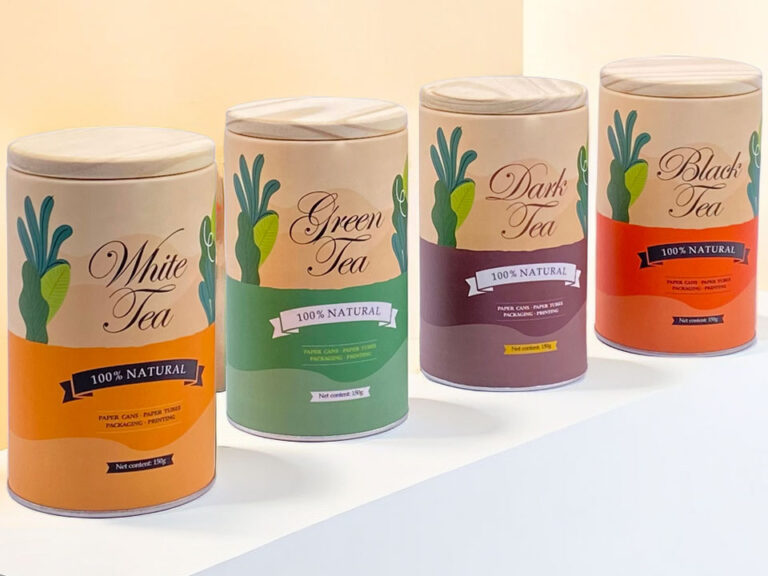
El té y los alimentos secos necesitan un papel estable que no se reblandezca con el almacenamiento húmedo. Un buen estilo de referencia es tubos de papel para envasar té.
Los tubos de proteína en polvo sufren un verdadero estrés de carga superior en los envases de cartón. Fíjese en proteína en polvo envasado en tubo de papel e imaginarla bajo carga apilada.
Un consejo práctico: pida a su proveedor que trate la selección del papel como un CTQ (crítico para la calidad). Cuando bloquean la nota del papel, bloquean tu rendimiento.
Selección de cola para tubos de papel
El pegamento decide si el tubo se comporta como una pared sólida o como una pila de capas a punto de pelarse.
Si su equipo ha visto alguna vez cómo se levanta una costura después de unas cuantas aperturas, ha visto el fallo del pegamento en acción. No siempre parece dramático al principio. A veces empieza como un pequeño levantamiento del borde, luego la vibración del tránsito hace el resto.
Elija el adhesivo en función de su carril y su categoría:
El almacenamiento húmedo y el transporte marítimo castigan la adhesión débil.
La manipulación en frío puede hacer que algunas uniones se vuelvan quebradizas.
El empaquetado a alta velocidad necesita una adherencia estable para que las capas no se deslicen durante el bobinado.
Para las categorías reguladas, la fiabilidad del cierre también es importante. Si vende envases que cumplen la normativa, la resistencia y el rendimiento del cierre deben ir de la mano. Vea una estructura típica en envases de tubo de papel a prueba de niños.
Parámetros del adhesivo para el bobinado en espiral: viscosidad, pegajosidad, sólidos
Si quiere una forma sencilla de hablar del pegamento como una persona de fábrica, utilice estas tres palabras:
Viscosidadcómo fluye y se extiende el pegamento.
Tack: la rapidez con la que se agarra durante el bobinado.
Sólidosla cantidad de material adhesivo que queda después del secado.
Cuando la viscosidad varía, la cola se extiende de forma desigual. Cuando la adherencia es insuficiente, las capas se deslizan. Cuando los sólidos no dan en el blanco, la unión acaba siendo débil aunque “parezca suficientemente húmeda”.”
Si ejecuta programas a granel, pida un PNT de cola y seguimiento de lotes. Ayuda mucho cuando se hacen pedidos repetidos.
Eliminar lagunas y puntos débiles
La mayoría de los fallos de los tubos empiezan en los puntos débiles, no en el centro de la pared.
Normalmente verás uno de estos:
Una línea de costura que se abolla primero.
Un fondo que emplata hacia dentro.
Un borde que aplasta y hace que la tapa se sienta suelta.
Arreglar los puntos débiles no tiene tanto que ver con un “tubo más grueso” como con una estructura limpia:
Mantenga la coherencia de los solapamientos.
Evite las bolsas de aire atrapadas.
Refuerce el fondo cuando el peso del producto lo exija.
Esto es aún más importante en los tubos con recortes o asas, ya que estas características crean puntos de tensión. Por ejemplo, un tubo de ventana como envase de cinta para el pelo con ventana transparente necesita atención extra alrededor de la abertura.
Aumentar el grosor de la pared y añadir capas
Si desea una mayor resistencia a la carga superior, añadir capas funciona porque combate la ovalación y reparte la fuerza entre más fibras.
Esta es la palanca para:
Tubos altos que podrían doblarse durante el transporte.
Tubos con inserciones o artículos delicados en su interior.
Tubos de regalo de alta calidad que deben quedar perfectamente redondos.
Los cosméticos suelen estar justo en esta zona. Un tubo puede tener buen aspecto en el banco y volverse ovalado después del envío y hacer que se doble la bandeja interior. Compruebe el estilo de construcción en tubos de cartón para cosméticos personalizados.
Un proveedor sólido no se limitará a añadir grosor. Ajustará el número de capas, la mezcla de papel y el control de bobinado para alcanzar su objetivo.
Refuerzo de la envoltura exterior
Su envoltura exterior hace dos cosas a la vez: protege el tubo y protege el aspecto.
Si su envoltorio vende en cámara, los daños en el envoltorio perjudican la conversión. Las rozaduras y los golpes en los bordes hacen que un artículo nuevo parezca “manoseado”. Es un problema brutal para la venta al por menor y la suscripción.
Puedes reforzar el exterior con:
papel de envoltura exterior más resistente,
laminado o revestimiento de la superficie que resista las rozaduras,
mejor acabado de los bordes para que las llantas no se deshilachen.
Esto también ayuda a las referencias de uso intensivo, como los productos de cuidado personal que los clientes cogen y dejan todo el día. Un ejemplo de estilo es cabello piel uñas papel tubo envase.
Revestimiento de resina epoxi
El revestimiento de tipo epoxi puede añadir una capa protectora dura, pero no es la opción por defecto para todos los trabajos de envasado.
Utilícelo cuando el tubo se enfrente a una manipulación dura y no necesite una superficie de venta típica. Puede ser útil en entornos industriales donde la abrasión y los impactos son frecuentes.
Si su producto es alimentario o cosmético, trate las decisiones de revestimiento con cuidado. Antes de comprometerse, querrá contar con los controles de conformidad y seguridad adecuados.
Revestimiento de fibra de vidrio
El revestimiento de fibra de vidrio es una opción muy resistente para los casos en los que las construcciones sólo de papel no resisten el maltrato.
Se adapta mejor a los tubos industriales que a los envases minoristas. En los bienes de consumo, a menudo se obtiene un resultado más limpio y escalable mejorando primero la formación de la capa, la cola y el control del proceso.
Piense en el revestimiento de fibra de vidrio como una herramienta especializada, no como el primer paso.
Control del proceso de bobinado y laminado
Si el proceso de bobinado se desvía, se pueden obtener tubos débiles con materiales de gran calidad.
En el control de procesos es donde ganan o pierden los compradores de productos a granel. Cuando vuelve a hacer un pedido, no quiere “lo suficientemente parecido”. Quiere la misma densidad de pared, la misma calidad de costura y el mismo ajuste de tapa.
Pregunte a su proveedor:
control de la tensión de bobinado,
coherencia de solapamiento,
estabilidad de la capa de cola,
calidad de corte de bordes.
Esto no es papeleo por diversión. Es la forma de reducir los dolores de cabeza relacionados con los NCA y proteger su marca durante la ampliación.
Control de secado y control de alabeo
Los tubos deformados crean un caos silencioso.
Causan:
tapas que molan,
tapas que atan,
etiquetas que se arrugan porque el tubo no es redondo.
El secado impulsa la geometría. Si la humedad sale de forma desigual, el tubo se sale de su redondez. Esto provoca “problemas de ajuste”, que se traducen en un envasado lento y la frustración del cliente.
Si realiza envíos a regiones cálidas o húmedas, incluya el secado y el control de la humedad en las especificaciones, no como una ocurrencia tardía.
Selección de tamaño y grosor
No elija el tamaño y el grosor de la pared adivinando a partir de fotos. Compárelos con la carga, el peso de llenado y el método de envío.
He aquí una forma sencilla de pensar:
Si apila los cartones en altura, necesitará un mayor rendimiento de carga superior.
Si los clientes abren el tubo a menudo, se necesita resistencia de las costuras y durabilidad de la llanta.
Si se utilizan insertos ajustados, es necesario controlar la redondez.
Para la venta al por menor de alta gama, la joyería es un gran ejemplo. El tubo no sólo protege el producto. Se convierte en la caja de regalo. Cuidará la resistencia a las abolladuras y un acabado limpio. Consulte cajas de tubo de papel para joyas y pulseras.
Pruebas normalizadas y control de calidad
Si quiere tener menos sorpresas, mida la resistencia como mide el color de impresión.
Como mínimo, construya un bucle básico de control de calidad:
controles de tipo compresión (aplastamiento plano o carga superior),
inspección de las costuras,
comprobaciones de redondez y ajuste de la tapa,
cheques de entrega que coincidan con su ruta de envío real.
Las pruebas también ayudan a evitar el “exceso de construcción”. En lugar de pedir un tubo más grueso, puede pedir un nivel de rendimiento objetivo y dejar que la ingeniería lo alcance con la combinación adecuada de materiales y procesos.
Mejoras de resistencia por escenario de producto
Escenario del producto
Fallo común
Las mejores palancas de fuerza a las que dar prioridad
Ejemplo interno relacionado
Té y alimentos secos
Cuerpo blando en humedad, superficie desgastada
Selección de material, selección de cola, revestimiento exterior
Recapitulación: convertir “más fuerte” en una especificación repetible
Cuando se mejora la selección de materiales, el rendimiento del pegamento, el diseño de los puntos débiles y el control del proceso, no sólo se obtiene un tubo más resistente. Conseguirá un cumplimiento más fluido y menos devoluciones. También protege el aspecto de sus estantes, lo que ayuda a las marcas, los minoristas y los vendedores transfronterizos a mantener limpias las reseñas.
Si compra al por mayor o utiliza OEM/ODM, considere la resistencia como una especificación que puede repetir, no como una solución única. Empiece por adaptar el estilo del tubo a su categoría en nuestra página web, En ese caso, presione a su proveedor para que le proporcione CTQ claras, comprobaciones de control de calidad y controles de producción estables.