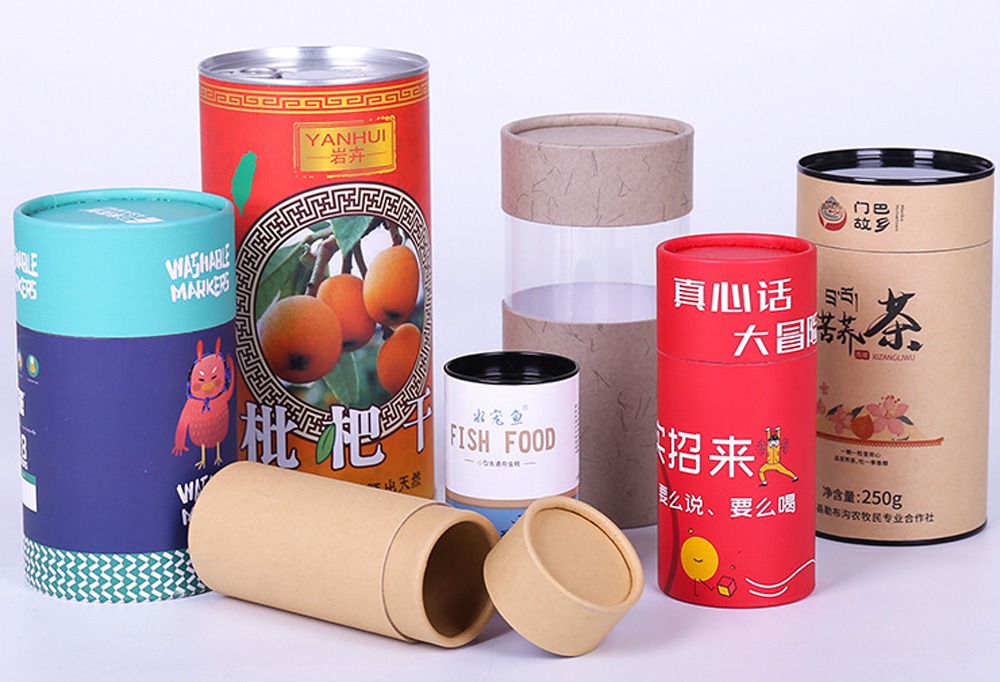
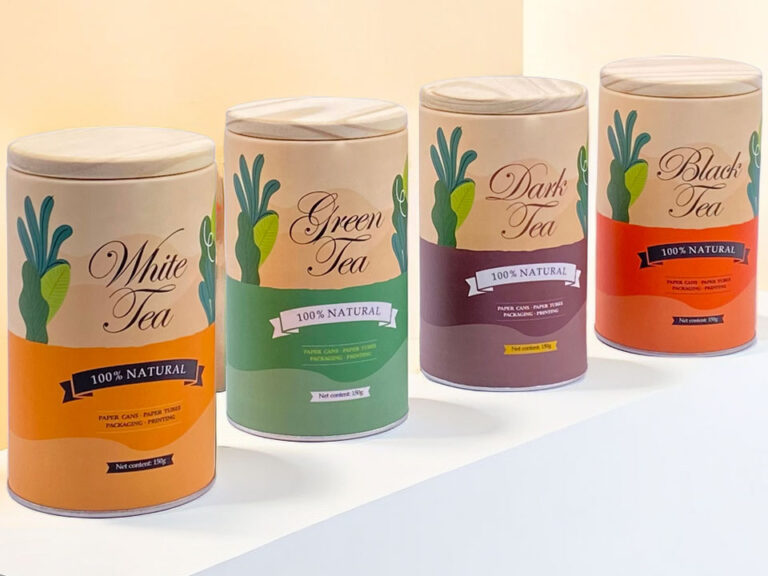
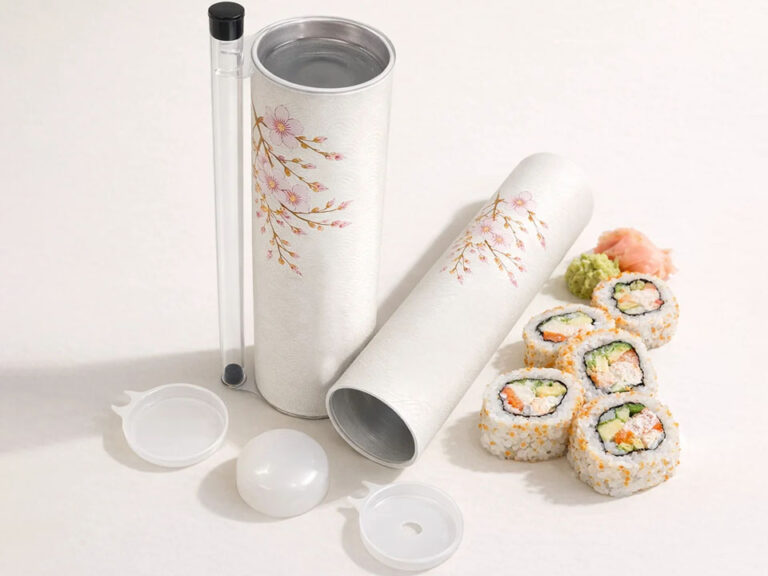
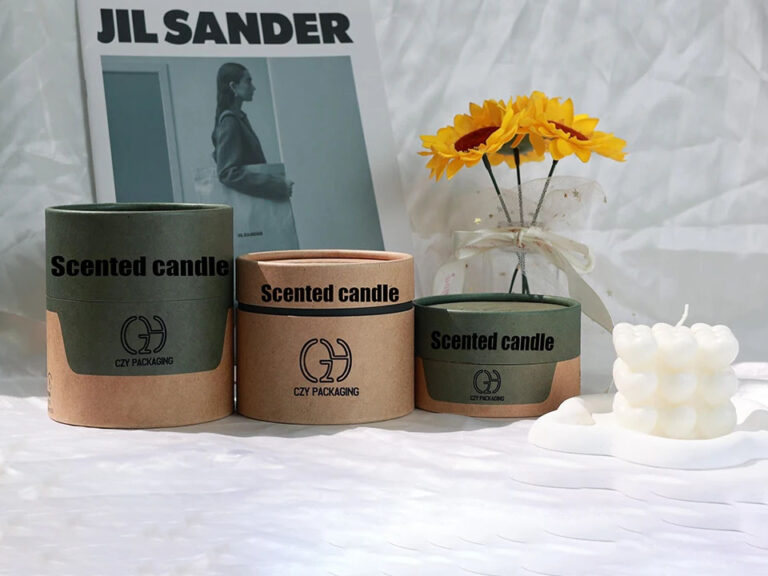
¿Aún no encuentra la solución de envasado adecuada? Hable con nuestro jefe.
Si ha consultado nuestro sitio web o hablado con el departamento de ventas y sigue sin ver claro el camino a seguir, envíe su solicitud aquí. Su mensaje irá directamente a nuestro Director General para que realice una revisión ejecutiva de la viabilidad, el coste y el plazo de entrega. Obtendrá información clara sobre el siguiente paso: qué podemos hacer, qué necesitamos de usted y la ruta más rápida para obtener un presupuesto.
Revisión directa por parte de GM de sus especificaciones, casos de uso y limitaciones
Comprobación de tamaño y estructura: diámetro, altura, resistencia de la pared, insertos
Recomendaciones de impresión/acabado que se ajusten a la marca y al presupuesto
Alternativas de reducción de costes y mejora del plazo de entrega
Claridad en la ruta de cotización: MOQ, plan de muestreo y qué hacer a continuación
Hable con nuestro jefe
Obtenga un presupuesto rápido para Envasado de tubos de papel a medida
Diseñado para directores de envasado, compras e ingenieros de envasado. Especifique el tamaño, la cantidad y el acabado para recibir información sobre precios, plazos de entrega y especificaciones para programas de EE.UU. y la UE.
Personalización lista para cotizar: diámetro, altura, grosor de pared, insertos, revestimientos y cierres
Métodos y criterios de aceptación para juzgar si las cajas de tubos de papel son aptas.
Índice
Si vendes por Internet, ya conoces la pesadilla: un lote parece perfecto, el siguiente “casi” y, de repente, te enfrentas a devoluciones, malas críticas y un comprador enfadado que graba el desembalaje. Las cajas de tubos de papel no fallan de forma dramática. Fallan en pequeños detalles que los clientes notan rápidamente.
Esta guía convierte el “parece correcto” en criterios de aceptación claros que puede utilizar realmente para pedidos al por mayor, tiradas de OEM/ODM y envíos al por mayor, especialmente cuando necesita resultados repetibles entre SKU.
Un tubo cualificado empieza con una regla: coinciden con la muestra aprobada. En términos de fábrica, ese es tu muestra dorada (o “muestra estándar”). Todo lo demás es opinión.
Coincidencia de muestra estándar
Confirme que el tipo de papel, el acabado de la superficie y la sensación al tacto coinciden con la muestra aprobada.
Verifique el diámetro, la altura, el grosor de la pared y el ajuste con la tapa/base.
Trate cualquier “casi igual” como un riesgo, porque se convierte en un Consistencia SKU problema a escala.
Inspección de aspecto
Realice comprobaciones visuales rápidas bajo luz estable. Rechazar los tubos con:
arañazos, rozaduras, abolladuras, marcas de aceite o manchas aleatorias
sangrado de cola, precipitación de cola o bordes sucios
partículas extrañas en el interior del tubo (esto desencadena billetes de reclamación rápidamente)
Escenario real: una marca de té envía paquetes de vacaciones. El tubo llega con pequeñas motas de pegamento cerca del borde. Los clientes lo llaman “moho”. No es moho, pero la devolución se produce igualmente.
La impresión no es sólo “bonita”. Es un punto de control de la marca. Si su logotipo cambia de tono entre lotes, los compradores asumen que es falso o de gama baja.
Claridad de impresión
Aceptar sólo si:
el texto se ve nítido, no borroso
las líneas no se rompen
sin fantasmas, rayas ni contaminación por tinta
Consistencia del color
Establezca expectativas desde el principio:
Utilice como referencia la prueba de color aprobada.
Definir qué significa “aceptable” antes de la producción masiva, especialmente para los conjuntos multi-SKU.
Escenario real: un vendedor transfronterizo gestiona cajas de suscripción. Los tubos de un mes tienen un color ligeramente más cálido. Los influencers se dan cuenta en los vídeos. Ahora el producto parece incoherente, aunque el producto interior no haya cambiado.
Para SKU muy visuales (como belleza), vea un estilo como envases personalizados para tubos de cosméticos. Los compradores de cosméticos son muy exigentes con la calidad de la impresión, ya que ésta indica al instante si es “cara” o “barata”.
Prueba de olores y control de limpieza
El olor es un asesino silencioso. Los clientes no escriben “COV”. Escriben “huele a tóxico”.”
Prueba de olor
Abrir el tubo y oler a corta distancia.
Rechace todo lo que tenga un olor penetrante, químico o inusual.
Control de la limpieza
El interior debe estar limpio: sin grumos de polvo de papel, sin aceite, sin partículas desconocidas.
El borde y la pared interior deben estar libres de restos de adhesivo.
Escenario real: El envase de la proteína en polvo está en un almacén. En el interior del tubo se acumula un ligero olor a pegamento. El cliente lo abre y cree que el polvo ha absorbido el olor. Eso se convierte en devoluciones y comentarios “inseguros”.
Calidad de la estructura: Corte, curvatura de los bordes y redondez
Aquí es donde suelen fallar los tubos a granel. La mayoría de las quejas provienen de ajuste, tacto y funcionalidad.
Calidad de corte
Aceptar sólo si:
el borde cortado parece limpio
sin fibras de papel rasgadas
sin daños por perforación, marcas de lijado ni rebabas afiladas
Tolerancia de desviación de troquelado
Una regla de aceptación práctica para muchas estructuras tubulares:
desviación del troquelado ≤ 1 mm
sin corte oblicuo, sin corte de doble hebra
Ese límite único protege el ajuste del montaje y evita que las tapas se tambaleen.
Calidad del borde del rizo
Para llantas enrolladas (rizo superior/inferior):
el rizo parece lleno y uniforme
la profundidad del rizo se mantiene dentro de la tolerancia acordada
sin “caída de película”, levantamiento ni grietas en los bordes
Escenario real: una marca minorista utiliza tubos para estuches de regalo. El borde rizado llega desigual. La tapa sigue cerrándose, pero “parece barata” cuando los clientes la abren. Es un golpe de conversión que no se puede rastrear fácilmente, pero que se notará en las dudas a la hora de volver a pedir.
Alineación de etiquetas y posición de las costuras
Un tubo puede estar estructuralmente bien y seguir teniendo mal aspecto si la costura de la etiqueta se desvía.
Alineación de etiquetas
Aceptar sólo si:
los gráficos se alinean de forma coherente
los elementos clave no traspasan la costura
la dirección de la costura se mantiene constante en todo el lote
Control de exposición de bordes
Muchos formatos de tubo requieren un revelado limpio:
exposición del borde alrededor 3-5 mm (basado en su muestra aprobada)
Escenario real: una marca vende kits de uñas. El tubo tiene impresión por las dos caras. Si se resbala la alineación, el panel trasero parece descentrado. Los clientes no lo medirán. Simplemente les parecerá desordenado.
Puedes construir un tubo perfecto y aun así perder dinero si el embalaje se resbala.
Coherencia del método de envasado
Compruébalo:
el método de envasado es el mismo para todas las cajas
la protección interior es coherente
la cinta de sellado se aplica limpiamente y se sella herméticamente
Precisión cuantitativa
verificar el recuento de cajas
comprobación aleatoria de errores de SKU en cajas mixtas
Escenario real: un distribuidor vende a varias tiendas. Falta una caja. El distribuidor no culpa al transporte. Culpa a la fábrica. Esto provoca más inspecciones, más lentitud en los pedidos y menos confianza.
Tabla de criterios de aceptación para cajas de tubos de papel
A continuación encontrará una práctica lista de comprobación que puede copiar en sus especificaciones de control de calidad. “Fuente” significa el lugar en el que suele estar la norma en un proyecto real: aprobación de muestras, IQC, QC en línea o QC final.
Punto de control
Lo que inspecciona
Criterios de aceptación
Nombre común del defecto
Fuente
Coincidencia de material
papel, acabado, tacto
coincide con la muestra aprobada
material incorrecto / laminación incorrecta
Muestra dorada
Talla
diámetro, altura, ajuste
dentro de la tolerancia acordada
tapa suelta / tapa atascada
Control de calidad final
Defectos superficiales
arañazos, manchas, abolladuras
no visible en el área de visualización principal
rozadura / magulladura / mancha
Control de calidad en línea + Control de calidad final
Limpieza
interior + llanta
sin grumos de polvo ni partículas extrañas
tubo sucio / contaminación
Control de calidad en línea
Claridad de impresión
texto + líneas
nítido, sin efecto fantasma
borroso / fantasma / raya
Control de calidad en línea
Consistencia del color
color de la marca
prueba coherente frente a prueba aprobada
cambio de color / deriva tonal
Muestra de preproducción + Control de calidad en línea
Prueba de olor
olor a tubo abierto
sin olores extraños
olor a disolvente / olor a pegamento
Control de calidad final
Corte
calidad de los bordes
borde liso, sin desgarros
rebaba / borde rasgado
Control de calidad en línea
Desviación troquelada
posición de corte
≤ 1 mm
corte erróneo / corte sesgado
Control de calidad final
Borde del rizo
plenitud del borde
rizo uniforme, borde estable
colapso del rizo / grieta en el borde
Control de calidad en línea
Alineación de etiquetas
costura + panel
posición coherente de la costura; gráficos alineados
desviación de la costura / registro erróneo
Control de calidad en línea
Embalaje
cartón + cinta adhesiva
embalaje consistente; precintado
aplastar / paquete suelto
PNT de envasado
Cantidad
número de cajas
recuento correcto por caja
paquete corto / mixto SKU
Expedición
Pedidos por lotes OEM/ODM: Cómo bloquear la calidad antes de la producción en serie
Las grandes tiradas no perdonan las especificaciones vagas. Si quieres una producción estable, pon estos quitamiedos:
Aprobación de muestras previas a la producción
aprobar una muestra física y tratarla como referencia
bloquear los archivos y materiales de impresión antes de que comience la producción
confirmar la posición de la costura y las normas de “panel frontal
Puntos de control de calidad en línea
ejecute IPQC controles durante la producción, no después
detener la línea cuando los defectos tiendan a aumentar (la detención de la línea ahorra trabajo)
Control de calidad final y envío
utilizar la lógica de muestreo para lotes grandes
verificar las CTQ de mayor riesgo: olor, impresión, ajuste, alineación de las costuras y embalaje
Esto importa más a la hora de escalar. Contamos con un moderno taller de purificación de envases alimentarios y un almacén de 12.300㎡, con una producción diaria de más de 300.000 piezas. Esa capacidad ayuda, pero control de procesos protege su marca cuando aumenta el volumen.
Escenarios prácticos: Qué significa “cualificado” en el mundo real
Lanzamiento al por menor y envasado listo para la venta
Los minoristas se preocupan coherencia de la pantalla. Cualquier rozadura, costura torcida o desviación de color se convierte en “no premium”. Para regalos de alta gama, querrá normas de apariencia más estrictas. Un estilo de referencia es cajas de tubo de papel para joyas y pulseras.
Comercio electrónico transfronterizo y vídeos unboxing
Los compradores online juzgan rápido. Si el tubo huele raro, parece rayado o se abre con fricción, verá devoluciones y comentarios negativos. Su mejor defensa es una comprobación estricta de olor, impresión y estructura.
Venta al por mayor y distribución
Los distribuidores odian las sorpresas. La coherencia en el embalaje y la precisión en las cantidades mantienen la fluidez de los pedidos y evitan disputas posteriores.
Conclusión
Una caja de tubos de papel está cualificada cuando coincide con la muestra aprobada y supera cinco requisitos no negociables: material/apariencia/tamaño, impresión, olor + limpieza, estructura, y embalaje. Unos criterios estrictos reducen las devoluciones, protegen su imagen de SKU y facilitan los repedidos.