¿Aún no encuentra la solución de envasado adecuada? Hable con nuestro jefe.
Si ha consultado nuestro sitio web o hablado con el departamento de ventas y sigue sin ver claro el camino a seguir, envíe su solicitud aquí. Su mensaje irá directamente a nuestro Director General para que realice una revisión ejecutiva de la viabilidad, el coste y el plazo de entrega. Obtendrá información clara sobre el siguiente paso: qué podemos hacer, qué necesitamos de usted y la ruta más rápida para obtener un presupuesto.
Revisión directa por parte de GM de sus especificaciones, casos de uso y limitaciones
Comprobación de tamaño y estructura: diámetro, altura, resistencia de la pared, insertos
Recomendaciones de impresión/acabado que se ajusten a la marca y al presupuesto
Alternativas de reducción de costes y mejora del plazo de entrega
Claridad en la ruta de cotización: MOQ, plan de muestreo y qué hacer a continuación
Hable con nuestro jefe
Obtenga un presupuesto rápido para Envasado de tubos de papel a medida
Diseñado para directores de envasado, compras e ingenieros de envasado. Especifique el tamaño, la cantidad y el acabado para recibir información sobre precios, plazos de entrega y especificaciones para programas de EE.UU. y la UE.
Personalización lista para cotizar: diámetro, altura, grosor de pared, insertos, revestimientos y cierres
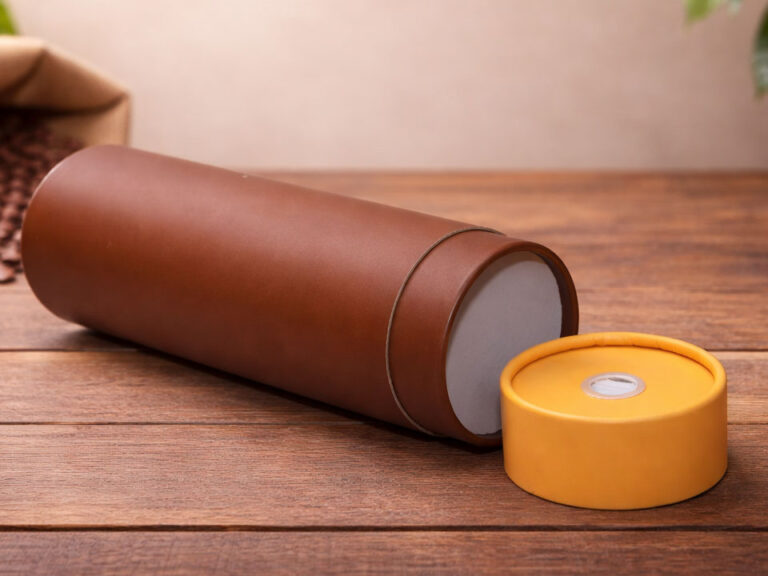
Las latas de papel están de moda. Las verás en proteínas en polvo, té, productos para el cuidado de la piel, CBD e incluso accesorios. Las marcas no las eligen solo porque parezcan “ecológicas”. Las eligen porque se venden bien, embarcar bien, y sensación premium sin convertirse en un desastre abollado en el correo.
Aun así, “lata de papel” no significa automáticamente “fácil de reciclar”. En forro, revestimiento de barrera, adhesivo, y sistema de tapa decidir si el envase se comporta como papel en el mundo real. Si se abastece para la distribución a granel, OEM/ODM o al por mayor, necesita un diseño que funcione en las estanterías y en la distribución.
Esta guía explica qué es cierto, qué es arriesgado y cómo especificar envases de papel que protejan su producto y sus márgenes.
Envases de latas de papel frente a envases de plástico
Si vende al por menor o realiza envíos DTC, habrá oído estas preguntas:
¿Podemos reducir el plástico sin acabar con la vida útil?
¿Llegará sin arañazos, abolladuras ni esquinas aplastadas?
¿Puede tener un aspecto de primera calidad y seguir funcionando a escala?
Las latas de papel suelen dar en el clavo porque te dan:
Estructura rígida para apilamiento y tránsito
Gran área imprimible para la marca y el texto de conformidad
Acabados de alta calidad como láminas, laminación mate y envolturas con textura
Mejor sensación al abrir la caja que un cartón plegable fino
Si está creando una línea de productos, empiece por donde los compradores buscan de forma natural: tubos de papel personalizados.
Reciclaje de papel y fibra
La fibra de papel puede reciclarse varias veces, pero no para siempre. Las fibras se acortan en cada ciclo, por lo que el sistema necesita fibra fresca para mantenerse sano. Las directrices del sector suelen explicar que las fibras de papel reciclado suelen pasar por unos 5-7 usos antes de que se debiliten demasiado.
Ese detalle importa porque mantiene limpias sus reclamaciones. Puedes decir que el papel suele tener más de una vida. No debes insinuar “reciclaje infinito”.”
La reciclabilidad depende del diseño del envase
Esta es la parte que muchas marcas aprenden por las malas: una lata de papel es un compuesto de papel, no una hoja de papel de copia.
La mayoría de las latas de papel incluyen alguna mezcla de:
Capas de barrera para bloquear la humedad o el oxígeno
Adhesivos que unen la envoltura al núcleo
Tintas de impresión y revestimientos
Tapas de metal, plástico o híbridas
Insertos para evitar el traqueteo
Esos trozos que no son de papel pueden dificultar el reciclado si no se separan bien en el despulpado. Por eso debe tratar “reciclable” como un resultado del diseño, no es una etiqueta material.
Recubrimientos y revestimientos barrera en envases de papel
La barrera es donde ocurre la verdadera ingeniería. A su producto no le importa el marketing. Le importa el aire, la humedad, la luz y el olor.
La proteína en polvo odia la humedad
El té odia la humedad y la recogida de olores
El cuidado de la piel odia las fugas y la contaminación
Los cartuchos CBD odian las rozaduras y los daños por impacto
Para mantener estable la calidad del producto, muchas latas de papel utilizan un revestimiento fino o de barrera. Algunos formatos de papel de alta barrera pueden llevar una parte significativa de material distinto del papel. Eso no los hace “malos”. Significa que deben especificaciones smart y mensaje claro sobre la orientación para la eliminación.
Argumentos basados en pruebas a favor de los envases de latas de papel
Palabra clave del argumento
Lo que puede reclamar con seguridad
Datos que puede utilizar
Tipo de fuente para la credibilidad
Circuitos de reciclado de papel
La fibra de papel puede ciclar varias veces antes de descomponerse
Rango típico de reutilización de la fibra: 5-7 ciclos
Orientaciones de la asociación de la industria papelera
La reciclabilidad depende del diseño
Los recubrimientos, adhesivos y revestimientos pueden reducir el rendimiento del reciclado
Los componentes no fibrosos pueden plantear problemas de procesamiento
Orientaciones sobre diseño para el reciclado
Capas de barrera
La barrera mejora la estabilidad pero añade complejidad
El papel de alta barrera puede incluir una notable cuota de no papel
Orientaciones técnicas sobre el papel barrera
Tasas de reciclado en el mundo real
“El ”papel" no garantiza una alta recuperación
Algunas categorías de envases de papel se reciclan mucho menos de lo que se cree
Estadísticas gubernamentales sobre residuos y reciclado
Pruebas y verificación
Las pruebas superan a las suposiciones en las declaraciones sobre envases
Utilizar métodos de evaluación y validación de la reciclabilidad
Directrices de reciclabilidad de la industria
Utilice esa tabla como ancla cuando hable con minoristas, distribuidores y compradores de plataformas. Mantendrá la profesionalidad de la historia y le protegerá de afirmaciones chapuceras.
Tubo de papel para envasar proteínas en polvo
Las proteínas en polvo son uno de los productos que mejor se adaptan a los botes de papel: producto seco, gran superficie para la marca y fuerte presencia en el lineal. Además, el tubo adecuado mantiene su forma durante el transporte, por lo que se reducen las multas por “llegada dañada”.
Punto de dolor del comprador que resuelve: cartones blandos que se colapsan en el envío de envases múltiples. Las latas de papel mantienen mejor su geometría, por lo que las fotos de las estanterías y los desembalajes de los clientes son uniformes.
Tubo de papel para envasar té con tapa de hojalata
El té tiene dos enemigos: la humedad y el olor. Un sistema de tapa hermética ayuda a proteger el aroma y mantiene el envase “fresco” incluso después de abrirlo repetidamente.
Charla sectorial: se trata de bloquear el aroma y controlar la humedad. Si vendes té de primera calidad, esa es la diferencia entre “sabe bien” y “los clientes vuelven”.”
Envasado de tubos de cosméticos
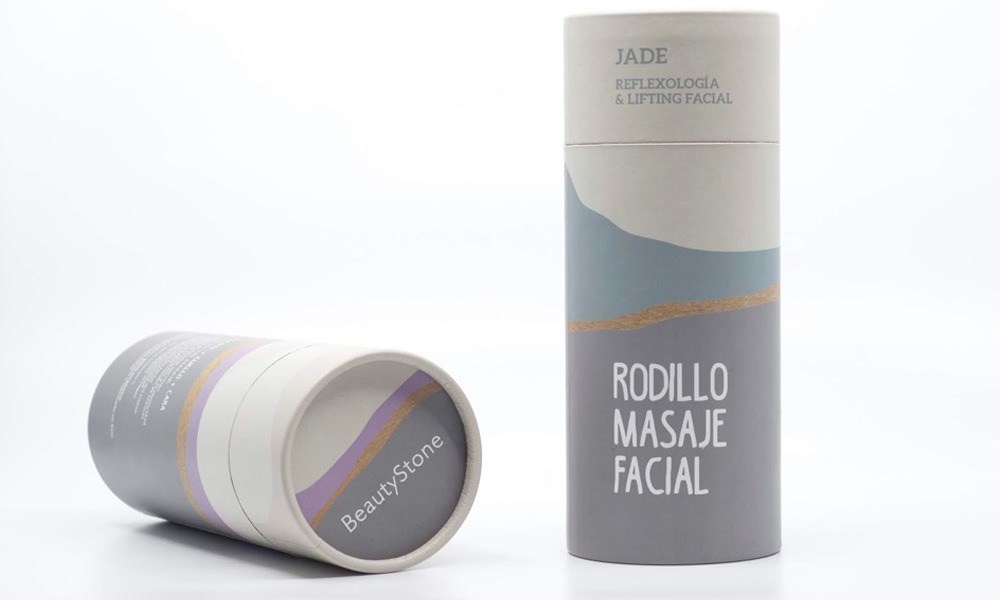
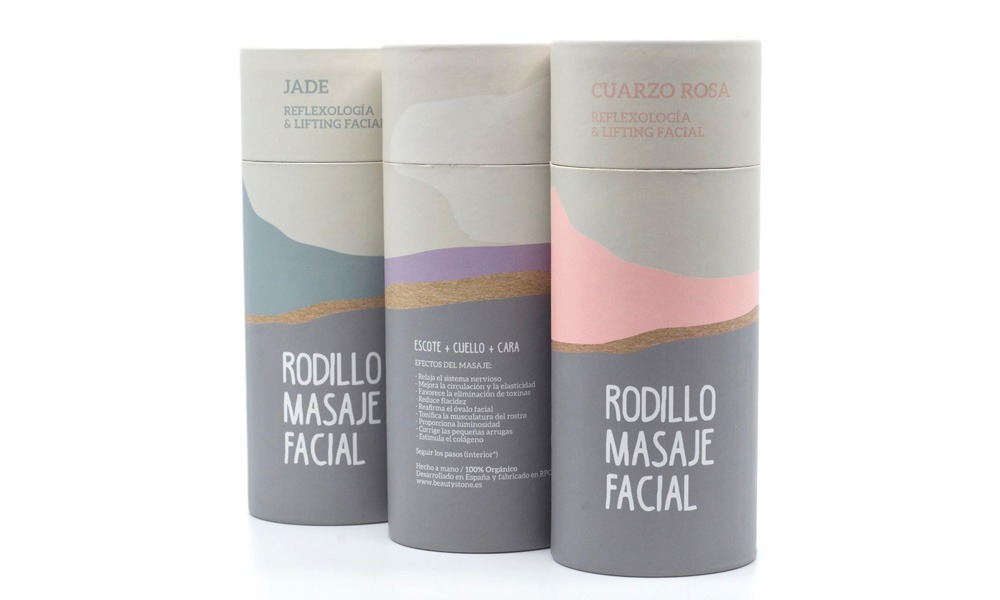
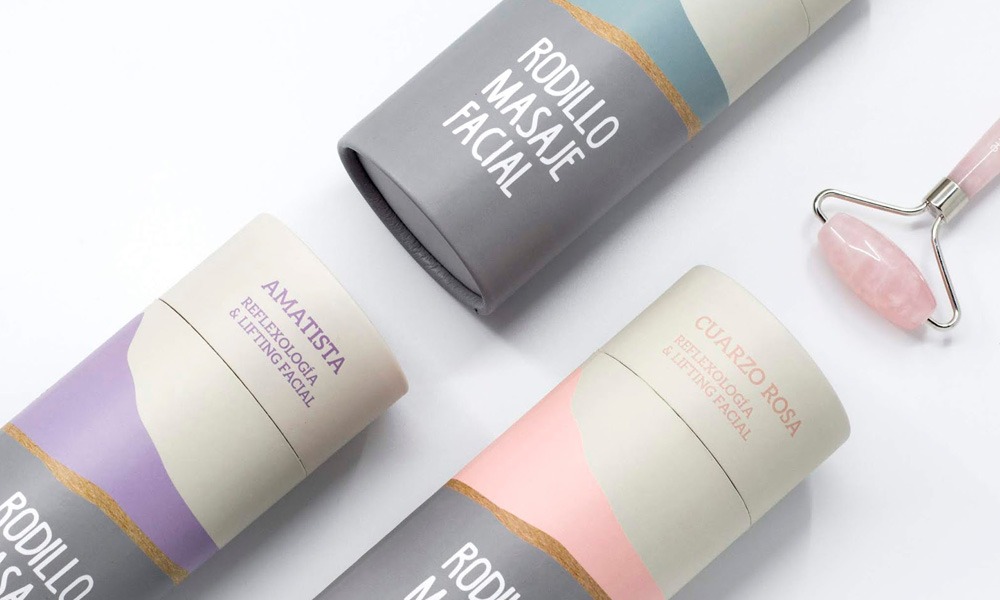
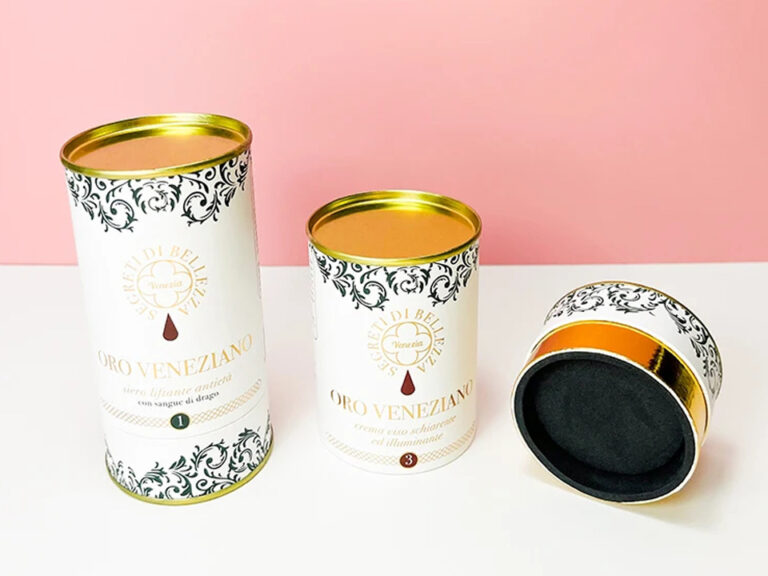
Los compradores de productos de belleza juzgan con los ojos y las manos. Un tubo de papel ofrece una superficie rígida y limpia para un acabado de primera calidad, además de una buena fotografía para páginas de productos y anuncios.
Punto de dolor del comprador que resuelve: cartones endebles que se arrugan en los contenedores de las tiendas o se aplastan en los bolsos. Los tubos rígidos mantienen el aspecto intencionado de su marca.
Envasado en tubo de papel a prueba de niños
El envasado de cannabis se rige por normas más estrictas. Se necesita resistencia a los niños, valor de exposición y protección durante el transporte al mismo tiempo. Los formatos de tubo de papel pueden cumplir estos requisitos con la estructura y los insertos adecuados.
Valor de las operaciones: reducen el traqueteo, las rozaduras y el riesgo de devolución. Se trata de una ventaja real cuando se envían miles de unidades a través de transportistas mixtos.
Tubos de envasado de cartuchos de CBD
Los cartuchos se rayan con facilidad, y los clientes lo notan. Un tubo ajustado más un inserto mantienen la unidad centrada y reducen los daños por impacto en la entrega de última milla.
Valor de las ventas: unboxing más limpio, menos quejas de “llegó rayado” y mejores fotos de reseña.
Tubo de envasado de gomas del pelo con ventana transparente
Los tubos de papel no son sólo para consumibles. Los accesorios se benefician de la sensación de “regalo”, además de una mayor resistencia al aplastamiento que un cartón fino.
Ángulo de venta: Los compradores pueden ver el artículo rápidamente. Esto acorta el tiempo de decisión y favorece la conversión.
Cabello piel uñas embalaje cartón tubo cajas
Los envases de suplementos y productos para el bienestar a menudo necesitan una fuerte identidad en los estantes a través de una gama de SKU. Una línea de tubos de papel facilita el mantenimiento de una marca coherente al cambiar de sabores o fórmulas.
Valor de marca: Una estructura coherente entre las referencias hace que su bloque de estanterías parezca más compacto y más “marca real”, no productos aislados dispersos.
Embalaje de tubos de papel para joyas
Para las joyas, el envase forma parte del producto. Un tubo rígido se siente como un recuerdo y protege los artículos en el envío sin relleno adicional.
Valor para el cliente: se siente como un regalo, incluso cuando es auto-compra. Así es como se gana un mejor contenido unboxing.
Guía para la eliminación de envases de papel
Incluso el mejor diseño fracasa si los clientes no saben qué hacer con él. Si su envase es un producto compuesto, una guía sencilla en el envase ayuda a reducir la confusión y mejora los resultados en el mundo real.
Que sea directo:
Utiliza un texto de disposición claro que la gente pueda seguir de un vistazo
Evite afirmaciones vagas que no puedan verificarse
Alinee su mensaje con la estructura real de su tubo y tapa
Esto protege su marca y reduce las fricciones en el servicio al cliente.
Envasado de tubos de papel OEM/ODM para pedidos al por mayor y a granel
Cuando se va más allá del muestreo, la escala se convierte en el juego completo. Se necesitan materiales consistentes, una impresión estable y un resultado predecible. Por eso los compradores prefieren un fabricante que pueda producir a gran escala y mantener un control de calidad constante en ciclos de producción largos.
Si considera esa página como su “base de operaciones” para la navegación interna, también ayudará a los compradores a saltar de un escenario a otro sin perder el contexto.
Lista de comprobación del embalaje de latas de papel para una especificación lista para la producción
Utilice esta lista de comprobación para reducir las idas y venidas y acelerar el muestreo:
Tipo de producto: polvo, té, cuidado de la piel, cartucho, accesorio
Necesidad de barrera: humedad, oxígeno, olor, grasa
Estilo de cierre: tapa de papel, tapa metálica, mecanismo de seguridad para niños
Plan de inserción: soporte de espuma o estructurado para detener el traqueteo
Impresión y acabado: impresión offset, lámina, laminado mate, efectos especiales
Mentalidad de tránsito: antirresaca, antirroce, sin traqueteo
Texto de conformidad: declaraciones y etiquetas obligatorias que tiene previsto imprimir
Si da a su proveedor estas instrucciones por adelantado, reducirá los bucles de revisión y llegará antes a la producción en serie.