¿Aún no encuentra la solución de envasado adecuada? Hable con nuestro jefe.
Si ha consultado nuestro sitio web o hablado con el departamento de ventas y sigue sin ver claro el camino a seguir, envíe su solicitud aquí. Su mensaje irá directamente a nuestro Director General para que realice una revisión ejecutiva de la viabilidad, el coste y el plazo de entrega. Obtendrá información clara sobre el siguiente paso: qué podemos hacer, qué necesitamos de usted y la ruta más rápida para obtener un presupuesto.
Revisión directa por parte de GM de sus especificaciones, casos de uso y limitaciones
Comprobación de tamaño y estructura: diámetro, altura, resistencia de la pared, insertos
Recomendaciones de impresión/acabado que se ajusten a la marca y al presupuesto
Alternativas de reducción de costes y mejora del plazo de entrega
Claridad en la ruta de cotización: MOQ, plan de muestreo y qué hacer a continuación
Hable con nuestro jefe
Obtenga un presupuesto rápido para Envasado de tubos de papel a medida
Diseñado para directores de envasado, compras e ingenieros de envasado. Especifique el tamaño, la cantidad y el acabado para recibir información sobre precios, plazos de entrega y especificaciones para programas de EE.UU. y la UE.
Personalización lista para cotizar: diámetro, altura, grosor de pared, insertos, revestimientos y cierres
La transición a los envases sin plástico: Guía de cajas de tubos de papel
Índice
Si está intentando eliminar el plástico de sus envases, probablemente se habrá dado cuenta de algo molesto: “Sin plástico” no es un único cambio. Se trata de un conjunto de pequeñas decisiones: materiales, cierres, etiquetas, revestimientos e incluso el comportamiento de la caja en un almacén húmedo.
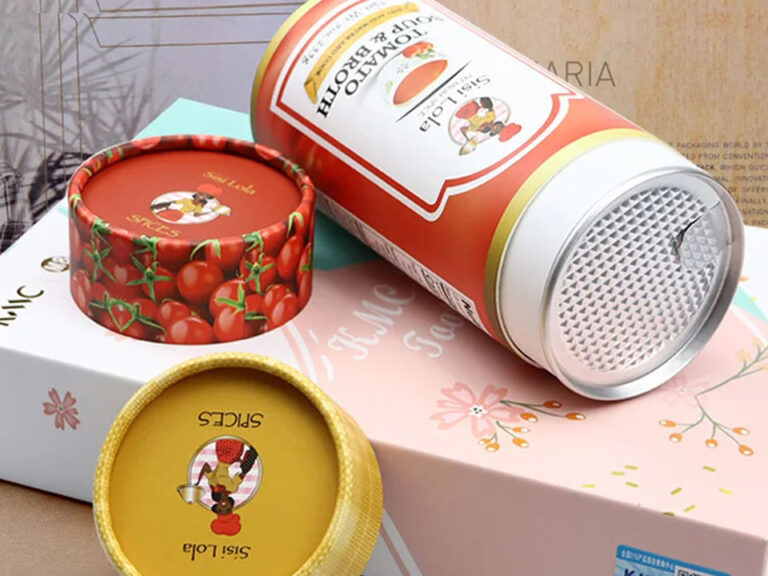
Las cajas de tubos de papel facilitan el cambio porque se basan en una idea sencilla: un cilindro de papel resistente puede sustituir a muchos formatos de plástico sin afectar al aspecto de su estantería ni al rendimiento de sus envíos. Y cuando se trata de pedidos al por mayor, programas mayoristas o proyectos de envasado OEM/ODM, eso importa.
Por nuestra parte, estamos preparados para la escala (un moderno taller de purificación de envases alimentarios, un almacén de 12.300 m² y una capacidad diaria superior a 300.000 piezas). Por eso, las marcas, los vendedores transfronterizos, los mayoristas y las agencias nos utilizan como socio de producción, no solo como proveedor.
Contaminación por plásticos y envases sin plásticos
Los envases sin plástico ya no son un “bonito detalle” de marketing. Es una medida de control de riesgos.
Los minoristas endurecen las normas de envasado. Las plataformas impulsan las etiquetas de sostenibilidad. Los consumidores hacen capturas de pantalla de los residuos de envases y las publican. Así que cuando cambias una concha o un tarro de plástico por una caja de papel, estás haciendo dos cosas a la vez:
Reducir el riesgo de fugas de plástico (menos envases de materiales mixtos en la naturaleza)
Simplifique su mensaje de sostenibilidad (“a base de papel” es más fácil de explicar que “reciclable en su mayor parte excepto...”)
Un ejemplo práctico: muchas marcas de belleza pasan de cajas exteriores de plástico a envases para tubos de cosméticos cuando quieren una sensación premium sin la culpa del plástico.
Dependencia de los combustibles fósiles y huella de carbono
La mayoría de los plásticos proceden de materias primas fósiles. Aunque su producto sea pequeño, su envase puede tener una huella “petroquímica” difícil de defender en los análisis ESG.
Las cajas de tubos de papel le ofrecen más palancas:
Puede especificar las calidades del papel, las opciones de fibra reciclada y el abastecimiento responsable.
Puede reducir los componentes de plástico adicionales, como bandejas, ampollas y retractilado.
Si vende productos de despensa o regalos, el formato tubo también puede sustituir a los tarros de plástico en determinados kits, sin dejar de proteger el aroma y la frescura (con la barrera interior adecuada).
La gente no lee las especificaciones de los envases. Juzgan lo que pueden ver y sentir.
Los tubos de papel tienden a “leerse” como premium y responsables porque:
Se sienten rígidos y regalables.
Fotografían bien (gran cosa para UGC).
No parecen de plástico barato desechable.
Esto es especialmente útil para las marcas DTC y los vendedores de marketplace, ya que el envase debe cumplir una doble función: proteger el producto y protegerlo. y vender la marca en un clip unboxing de 10 segundos.
Un escenario rápido: Una marca de bienestar envía un kit de inicio de suplementos. Un tubo resistente con un etiquetado limpio parece una “marca real”, no una marca blanca. Esto puede aumentar la repetición de compra porque los clientes confían en lo que reciben.
Embalaje de tamaño adecuado y reducción de huecos
El relleno vacío es el asesino silencioso del presupuesto. Además, hace que su declaración de sostenibilidad parezca falsa porque los clientes abren una caja grande y ven almohadas de aire.
Las cajas tubulares de papel le ayudan a ajustar el tamaño porque son fáciles de diseñar en función del diámetro y la altura exactos de su producto. Es decir:
Menos espacio muerto
Menos rellenos adicionales
Embalaje más limpio para los equipos 3PL
Esto es muy importante en el caso de los polvos y los productos nutricionales. A proteína en polvo caja de tubo de papel pueden reducir el “traqueteo” durante el transporte en comparación con las cajas sueltas, que a menudo necesitan un acolchado adicional.
Reducción de material y componentes de envasado
Los envases sin plástico mueren en los detalles. Se elimina el plástico en el cuerpo principal, entonces alguien añade:
una banda de plástico retráctil
una ventana de plástico
una bandeja interior de plástico
una película laminada que rompe la reciclabilidad
Las cajas de tubos de papel te dan una lista de piezas más limpia. En muchas construcciones, se puede mantener a:
cuerpo del tubo de papel
tapa de papel (o papel + tapa metálica fina cuando necesite un cierre más hermético)
etiqueta de papel / impresión directa
Cuando necesite características especiales (prueba de manipulación, barrera, resistencia a los niños), puede diseñarlas intencionadamente en lugar de ponerles parches más tarde.
Contenido reciclado postconsumo y riesgo de lavado verde
Muchas marcas se queman aquí. Afirman “envases ecológicos”, y luego los clientes preguntan: “¿De qué está hecho?” o “¿Es reciclable en mi ciudad?”. Si no puedes responder con claridad, parece lavado verde.
Un enfoque más seguro:
Utilice especificaciones claras de los materiales (calidad del papel, contenido reciclado cuando sea posible, tintas, adhesivos).
Evite afirmaciones vagas como “100% ecológico”.”
Respalde su historia con documentación del proveedor (cadena de custodia FSC, informes de pruebas y declaraciones de materiales cuando sea necesario).
Si su empresa pertenece a categorías reguladas, como el cannabis o el CBD, también necesitará envases que den prioridad al cumplimiento de la normativa. Un buen ejemplo es envases de tubo de papel a prueba de niños y Tubo de papel para cartuchos de CBD donde la estructura y el diseño del cierre importan tanto como el ángulo de sostenibilidad.
Coste total de propiedad y reducción de daños durante el transporte
No voy a darte cifras de costes porque no tienen sentido si no tienes el tamaño, las especificaciones de impresión y la cantidad mínima de piezas. Pero puede piense en el coste total de propiedad, que es lo que importa a los compradores inteligentes:
Índice de daños en tránsito
Tasa de retorno de envases aplastados
Tiempo de retrabajo para su equipo de cumplimiento
Eficacia de almacenamiento en su almacén
Índice de reclamaciones (“llegó abollado”, “parece barato”, “precinto roto”)
Los tubos de papel rígido suelen superar a los cartones endebles porque el cilindro resiste el aplastamiento. Por eso, artículos de primera calidad como envases de tubo de papel para joyería funcionan muy bien para regalar y enviar.
Colaboración con proveedores y desarrollo de envases OEM/ODM
Los envases sin plástico funcionan mejor cuando su proveedor piensa como un ingeniero de envasado, no como una simple fábrica.
Para OEM/ODM y venta al por mayor al por mayor, usted quiere un proveedor que pueda ayudarle a cerrar:
dielíneas y tolerancias
fricción del cierre (demasiado flojo parece barato, demasiado apretado frustra a los usuarios)
coherencia de la impresión (especialmente para la coincidencia de colores de la marca)
Normas de aseguramiento de la calidad (muestreo AQL, controles de caída/presión, manipulación de la humedad)
Esto es muy importante si vende en varias regiones. Una misma referencia puede necesitar diferentes etiquetas, insertos o versiones lingüísticas. La arquitectura del envase debe permanecer estable, mientras que las ilustraciones deben cambiar sin problemas.
Si va a lanzar una ampliación de una línea de belleza, puede mantener la misma estructura de tubo y cambiar los gráficos. Por ejemplo, envases de tubo de papel para pelo/piel/uñas se ajusta bien a ese modelo.
Papel con certificación FSC y abastecimiento responsable
Si vende a grandes minoristas o se dirige a la contratación pública empresarial, el lenguaje de contratación es importante. El papel con certificación FSC (cuando se solicita/especifica) le ayuda a responder a la pregunta “¿de dónde procede?” con menos fricción.
Aquí es también donde se construye una declaración de sostenibilidad más defendible:
señales de silvicultura responsable (FSC)
opciones de fibra reciclada siempre que sea posible
documentación rastreable de la cadena de suministro
No es sólo ética. Es higiene en las compras. Su comprador quiere menos riesgos de proveedores.
Adhesivos al agua y colas con bajo contenido en COV
Los adhesivos y acabados pueden socavar silenciosamente un objetivo sin plásticos. Si su tubo depende de un pegamento con disolventes pesados o de laminados difíciles de reciclar, se crean problemas posteriores.
Una dirección más limpia suele incluir:
adhesivos a base de agua cuando sea posible
sistemas de tinta con bajo contenido en COV
acabados superficiales inteligentes (suficiente resistencia a las rozaduras, sin recargarse)
Para las categorías de alimentos e ingeribles, también se necesita disciplina de materiales. Por eso destacamos los entornos de producción controlados para los flujos de trabajo de envasado de alimentos.
Tabla argumental: qué decir, qué medir y qué especificar
Palabra clave del argumento
En pocas palabras
Qué debe medir
Palanca de especificaciones de embalaje
Tipo de fuente sugerido
Contaminación por plásticos
Menos residuos plásticos y menos materiales mezclados
Componentes de plástico por envase
Retirar bandejas, retractilado, ventanas
Informes sobre plásticos del PNUMA y la OCDE
Envases sin plástico
Una reivindicación clara que los clientes entiendan
Desglose del material de embalaje
Arquitectura "Paper-first
Directrices de envasado para minoristas
Huella de carbono
Menor dependencia petroquímica
Mezcla de materiales + eficacia del transporte
Tubo de papel + diseño a medida
Conceptos del Protocolo GEI
Confianza de marca
Un envase honesto y de calidad
Opiniones, repetición de compra, devoluciones
Calidad de impresión, acabado táctil
Estudios sobre el comportamiento del consumidor
Envases de tamaño adecuado
Menos aire enviado
Banderas de peso dimensional
Ajuste diámetro/altura del tubo
Normas de embalaje de los transportistas
Reducción de material
Menos piezas, menos residuos
Recuento de componentes
Cierre simplificado/etiqueta
Normas de envasado sostenible
Contenido PCR
Historia de fibra reciclada que se mantiene
Hojas de especificaciones, documentos de proveedores
Selección del grado del papel
Orientación sobre reclamaciones al estilo de la FTC
Reducción de daños durante el transporte
Menos abolladuras, menos devoluciones
Índice de daños, índice de reclamaciones
Espesor de la pared del tubo, insertos
Métodos de ensayo ISTA
OEM/ODM
Construcción a medida sin caos
Estabilidad del plazo de entrega, tasa de defectos
Tolerancia + plan de control de calidad
Marcos de garantía de calidad en la fabricación
Adhesivos a base de agua
Perfil químico de Cleaner
Cumplimiento de la política sobre COV
Selección de cola/tinta
Normas de seguridad de los materiales
Tabla de ajuste rápido: configuraciones de cajas de tubos de papel por escenario de producto
Un plan de implantación sencillo para compradores a granel y mayoristas
Si quieres que el cambio te resulte fácil internamente, hazlo como un lanzamiento controlado:
Elija una SKU que se venda de forma constante (no un artículo raro de temporada).
Bloquear el objetivo “sin plástico (¿qué piezas de plástico deben desaparecer?).
Prototipo con condiciones reales de transporte (humedad, gotas, apilamiento).
Establezca su lista de control de calidad (dimensiones, ajuste del cierre, impresión, olor, rozadura).
Producción a gran escala una vez que el flujo de trabajo de empaquetado sea fluido.
Si aún no ha decidido qué estilos de tubo encajan con su combinación de categorías, empiece por examinar la catálogo de productos y preseleccionar de 3 a 5 referencias. Esa preselección agiliza el desarrollo de OEM/ODM porque reaccionas a estructuras reales, no a ideas abstractas.