¿Aún no encuentra la solución de envasado adecuada? Hable con nuestro jefe.
Si ha consultado nuestro sitio web o hablado con el departamento de ventas y sigue sin ver claro el camino a seguir, envíe su solicitud aquí. Su mensaje irá directamente a nuestro Director General para que realice una revisión ejecutiva de la viabilidad, el coste y el plazo de entrega. Obtendrá información clara sobre el siguiente paso: qué podemos hacer, qué necesitamos de usted y la ruta más rápida para obtener un presupuesto.
Revisión directa por parte de GM de sus especificaciones, casos de uso y limitaciones
Comprobación de tamaño y estructura: diámetro, altura, resistencia de la pared, insertos
Recomendaciones de impresión/acabado que se ajusten a la marca y al presupuesto
Alternativas de reducción de costes y mejora del plazo de entrega
Claridad en la ruta de cotización: MOQ, plan de muestreo y qué hacer a continuación
Hable con nuestro jefe
Obtenga un presupuesto rápido para Envasado de tubos de papel a medida
Diseñado para directores de envasado, compras e ingenieros de envasado. Especifique el tamaño, la cantidad y el acabado para recibir información sobre precios, plazos de entrega y especificaciones para programas de EE.UU. y la UE.
Personalización lista para cotizar: diámetro, altura, grosor de pared, insertos, revestimientos y cierres
¿Qué diferencias hay entre los distintos tipos de tubos de papel?
Índice
La gente dice “tubo de papel” como si fuera una cosa. En el trabajo real de envasado, es más como pedir café. Hay diferentes construcciones, diferentes “sensaciones” y diferentes resultados una vez que llega a la distribución, al transporte marítimo o a un estante de venta al por menor.
¿Cuál es la verdadera diferencia?
La mayoría de las veces, todo se reduce a cómo se enrolla el tubo, el grosor de la pared, y qué acabados o inserciones añade. Estas decisiones determinan si el tubo se mantiene crujiente después del envío, si la tapa es hermética (no endeble) y si el producto llega sin traqueteo.
Si desea consultar rápidamente los estilos de tubos por categoría, empiece por la página Productos página.
Tubos de papel enrollados en espiral
Tubos de papel enrollados en espiral Utiliza capas de papel enrolladas en ángulo alrededor de un mandril. Esta construcción es el caballo de batalla para las cajas de tubos al por menor, ya que escala bien y cubre la mayoría de la tensión de envío “normal”.
Por qué las marcas eligen tubos en espiral
Suave para la producción a granel: Puede ejecutar especificaciones coherentes en todas las referencias sin convertir cada pedido en un proyecto científico.
Sólida protección para el transporte diario: Con el grosor de pared adecuado, los tubos en espiral soportan la presión de apilamiento y las caídas del cartón mejor que las cajas plegables.
Fácil de vestir: Los envoltorios impresos, el plastificado mate y los detalles en lámina le dan presencia en las estanterías sin necesidad de cambiar totalmente de estructura.
Escenarios óptimos
Comercio electrónico transfronterizo en el que el paquete se manipula demasiadas veces
Cajas de suscripción en las que las rozaduras y abolladuras se notan rápido
Lanzamientos al por menor en los que se necesita una calidad repetible en todos los lotes
Tubos de papel convoluto
Tubos de papel convoluto (enrollado en paralelo) envuelven capas de papel más “rectas” a lo largo del eje del tubo. Los compradores suelen elegir este estilo cuando se preocupan por rigidez y una más controlada ajuste de la tapa.
Por qué los tubos convolutos se sienten diferentes
Tacto más rígido“: Ideal cuando el producto es denso o se desea una prueba de compresión más resistente.
Mejor control del ajuste y el acabado: Si tu tapa tiene que ser precisa, esta construcción puede ayudar a reducir esa sensación de “tapa suelta”.
Escenarios óptimos
Packs premium en los que la experiencia de apertura importa
Artículos más pesados que castigan las paredes finas
Tapas ajustadas donde no quieres que se tambaleen
Núcleos de papel y tubos de pared gruesa
A núcleo de papel es básicamente un tubo de pared gruesa diseñado para soportar carga. Incluso si se trata de envases de consumo, este concepto es importante porque las paredes gruesas solucionan los dolores de cabeza habituales: abolladuras, esquinas aplastadas y devoluciones.
Donde los tubos de pared gruesa se ganan el sustento
Apilado de cajas maestras (la presión del almacén se acumula)
Largas rutas de transporte en las que los daños por compresión aparecen tarde
Productos que los clientes agarran con fuerza (fitness, suplementos, herramientas)
Si ve abolladuras a la llegada, no se limite a “mejorar la impresión”. Especificar la pared como un núcleo, a continuación, el estilo de la parte exterior para la venta al por menor.
Tubos de papel resistentes al agua
El papel y la humedad no se llevan bien. Por eso tubo de papel resistente al agua suele basarse en barreras inteligentes en lugar de en ilusiones.
Tácticas habituales para controlar la humedad
Laminado mate para una mayor resistencia a las rozaduras y una superficie más firme
Revestimientos interiores cuando los aceites, aromas o polvos puedan manchar el tubo
Mejor ajuste del cierre reducir el intercambio de aire
Verá esta lógica en los envases de alimentos y suplementos, donde la frescura y la presentación limpia importan mucho.
Envasado de té en tubos de papel
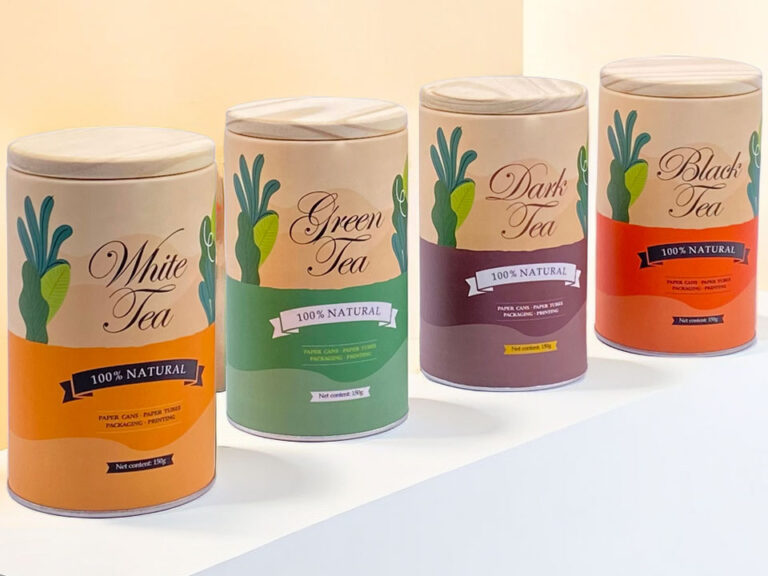
Los envases de té viven o mueren por su aroma. Usted quiere un tubo de primera calidad, que cierre limpio y proteja contra la humedad durante el almacenamiento.
Una buena referencia es el tubo de té con tapa de hojalata: envasado de té en tubo de papel. La página destaca el ajuste ceñido, el laminado mate y los detalles en lámina, que contribuyen tanto al rendimiento de barrera como al aspecto en las estanterías.
Envasado en tubo de papel para proteínas en polvo
Los envases de las proteínas en polvo se meten en las bolsas del gimnasio, se envían a granel y se apilan en los almacenes. Rozaduras, huellas dactilares y abolladuras son los problemas habituales.
El ejemplo del tubo de proteína en polvo muestra un cilindro laminado mate con detalles de lámina caliente: tubos de papel de proteína en polvo. El laminado mate es realmente eficaz: reduce los reflejos, oculta las marcas de manipulación y mantiene el envase limpio durante más tiempo.
Envasado de cosméticos en tubos de papel
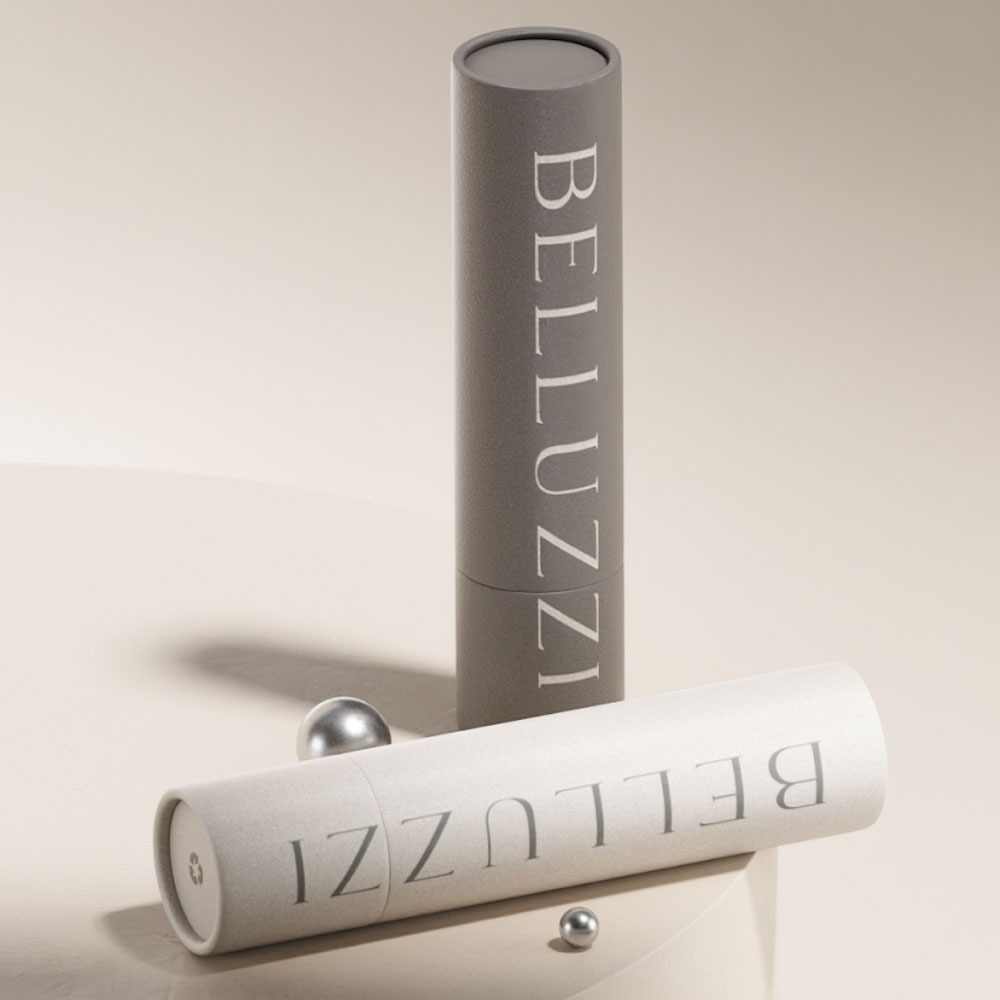
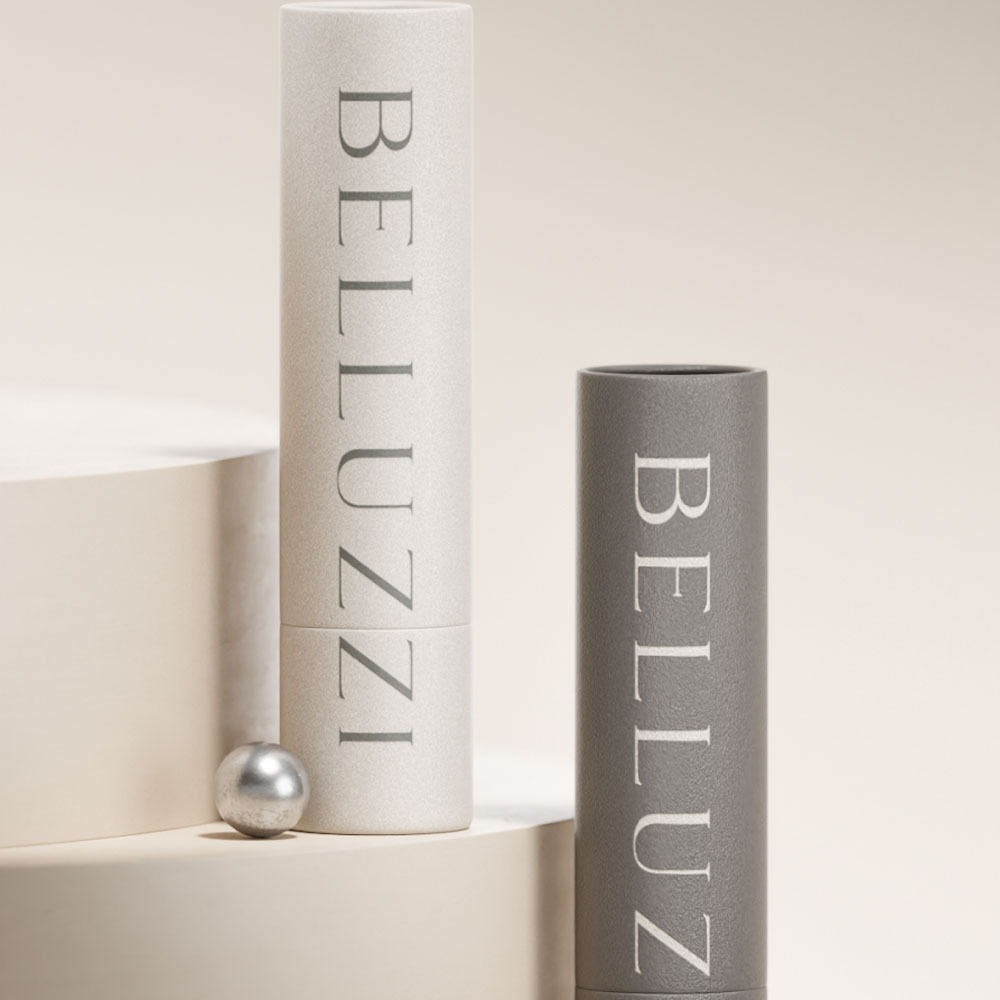
Los compradores de cosméticos juzgan rápido. El tubo debe proteger el producto, pero también debe tener un aspecto caro sin dar la sensación de estar excesivamente diseñado.
Este ejemplo de tubo para cosméticos utiliza un núcleo rígido con impresión offset y estampación en lámina: tubos de papel para cosméticos. Es una estructura clásica “premium pero sencilla” que funciona para sueros, cremas y pequeños artículos de belleza.
Envasado en tubo de papel a prueba de niños
Las categorías reguladas conllevan otro tipo de presión: seguridad, expectativas de cumplimiento y menos “segundas oportunidades” si los clientes se quejan.
El ejemplo a prueba de niños incluye una pared transparente y un soporte de espuma: tubos de papel a prueba de niños. Ese soporte de espuma hace un trabajo silencioso y práctico: mantiene el producto centrado, corta el traqueteo y ayuda a reducir las reclamaciones por daños.
Cajas de tubos de papel para cartuchos de CBD
Los cartuchos son pequeños, pero el embalaje debe cumplir su función. Un ajuste flojo y arañazos durante el transporte pueden provocar devoluciones y malas críticas.
Este tubo de cartucho utiliza un núcleo rígido con laminación mate y detalles de lámina: cajas de tubos de papel para cartuchos de CDB. Es una solución limpia para las marcas que desean una presentación lista para la venta y un envío más seguro.
Envases de tubo de papel para joyería
El envoltorio de una joya tiene una misión: dar la sensación de que se puede regalar en cuanto alguien la sostiene. Las huellas dactilares, los arañazos y la “sensación de tapa barata” arruinan el momento.
Un bonito ejemplo es el tubo de joyería blanco mate con lazo: joyero tubo de papel caja. La superficie mate ayuda a evitar las manchas, y el detalle de la cinta lo convierte en un paquete listo para regalar.
Envasado en tubo de papel impreso por las dos caras
Si quiere una presentación de calidad sin cambiar la estructura central, imprima el interior. Es un movimiento sencillo que hace que el unboxing parezca diseñado.
Especificaciones de los envases de tubos de papel que realmente importan
Grosor de la pared y resistencia al aplastamiento
Si los clientes reciben tubos abollados, normalmente se trata de daño por compresión, no “mala suerte”. Arréglelo con una pared más gruesa, un núcleo más resistente o un mejor plan de inserción para que el producto no transfiera el impacto al cuerpo del tubo.
Ajuste de la tapa, fricción y control del traqueteo
Una tapa suelta mata la confianza. También crea traqueteo, lo que hace que toda la mochila parezca barata. Puedes mejorar la experiencia controlando el ajuste, añadiendo un inserto y eligiendo una estructura que permita una tolerancia estable.
Laminado mate, impresión offset y detalles en caliente
Los acabados no son sólo decoración. El plastificado mate ayuda a reducir los arañazos y las huellas dactilares. La impresión offset mantiene los detalles nítidos. El estampado añade un toque de distinción que los compradores perciben rápidamente, sobre todo en los sectores de la belleza y el bienestar.
Cómo elegir los envases de tubos de papel
He aquí una forma sencilla de elegir la dirección correcta sin complicarse demasiado:
Si realiza envíos directos al consumidor, La resistencia al aplastamiento y el control de las rozaduras son prioritarios. El laminado mate y las paredes más resistentes se amortizan con menos reclamaciones por “daños recibidos”.
Si vende un producto premium, La calidad de los productos de la marca se basa en el tacto de la tapa, la nitidez de la impresión y un acabado limpio. Los clientes se fijan en el ajuste y el acabado antes de leer una sola palabra de la etiqueta.
Si su producto puede moverse dentro del tubo, añade un inserto. Rattle es un imán de retorno.
Si pertenece a las categorías de alimentación, té o aromas, piense primero en la barrera. Eso significa protección de la superficie, cierres más limpios y materiales que se mantengan presentables tras el almacenamiento.
Cajas de tubo de papel personalizadas OEM/ODM
Si compra para una marca, un distribuidor o un programa de marca blanca, no necesita sólo “un tubo”. Necesita un sistema repetible: estructura + acabado + impresión + inserciones + producción consistente para tiradas a granel.
Ahí es donde ayuda el soporte OEM/ODM. Puede alinear las especificaciones una vez, realizar muestras rápidamente y, a continuación, escalar a pedidos al por mayor sin reinventar el paquete cada vez.