¿Aún no encuentra la solución de envasado adecuada? Hable con nuestro jefe.
Si ha consultado nuestro sitio web o hablado con el departamento de ventas y sigue sin ver claro el camino a seguir, envíe su solicitud aquí. Su mensaje irá directamente a nuestro Director General para que realice una revisión ejecutiva de la viabilidad, el coste y el plazo de entrega. Obtendrá información clara sobre el siguiente paso: qué podemos hacer, qué necesitamos de usted y la ruta más rápida para obtener un presupuesto.
Revisión directa por parte de GM de sus especificaciones, casos de uso y limitaciones
Comprobación de tamaño y estructura: diámetro, altura, resistencia de la pared, insertos
Recomendaciones de impresión/acabado que se ajusten a la marca y al presupuesto
Alternativas de reducción de costes y mejora del plazo de entrega
Claridad en la ruta de cotización: MOQ, plan de muestreo y qué hacer a continuación
Hable con nuestro jefe
Obtenga un presupuesto rápido para Envasado de tubos de papel a medida
Diseñado para directores de envasado, compras e ingenieros de envasado. Especifique el tamaño, la cantidad y el acabado para recibir información sobre precios, plazos de entrega y especificaciones para programas de EE.UU. y la UE.
Personalización lista para cotizar: diámetro, altura, grosor de pared, insertos, revestimientos y cierres
Por qué optar por el embalaje en tubo de papel para camisas o ropa interior
Índice
Si vende camisas o ropa interior, es probable que haya visto surgir los mismos problemas una y otra vez: arrugas por pliegues duros, embalajes que parecen “de presupuesto” en la cámara, cajas que se aplastan en tránsito y una línea de cumplimiento que se ralentiza porque el embalaje requiere demasiados pasos.
Por eso, cada vez más marcas de ropa se decantan por los envases de tubo de papel. Es fácil de almacenar, de enviar y de escalar para pedidos al por mayor, a granel y OEM/ODM.
Tabla de decisiones rápidas para envases de tubos de papel para camisas y ropa interior
Objetivo de compra
Qué admite el envasado en tubos de papel
Por qué importa en el mundo real
Presentación limpia
Las prendas enrolladas mantienen mejor la forma que los pliegues duros
Menos “arrugas de desembalaje” y fotos más limpias de los productos
Cumplimiento más rápido
Flujo de trabajo sencillo de apertura-embalaje-cierre
Recogida y embalaje más sencillos y menos errores de embalaje
Mejor impacto en el lineal
Los tubos se mantienen en pie y parecen listos para regalo
Colocación más fácil del planograma y mayor presencia en el expositor
Protección del envío
La estructura del cilindro soporta bien la presión
Menos esquinas aplastadas y menos mensajes de “llegó dañado”.
Historia de la marca
La superficie de impresión envuelve todo el tubo
Mayor recordación de la marca y diferenciación más fácil
Reducir las arrugas en el envasado de camisas y ropa interior
Una camiseta doblada puede tener un aspecto estupendo en el estudio y luego mostrar una arruga dura en el momento en que reposa en una caja de cartón durante una semana. A los conjuntos de ropa interior les va aún peor cuando el encaje o los ribetes se planchan.
Los tubos de papel ayudan porque puedes rollo la prenda en lugar de forzar pliegues pronunciados. No necesita trucos extravagantes. Solo necesitas un estilo de paquete que combine con los artículos blandos.
Escenarios prácticos que reconocerá
Conceptos básicos de DTC: Quieres que el primer contacto sea de primera calidad, no como una bolsa de polietileno.
Pedidos transfronterizos: El largo tiempo de tránsito hace que las líneas de pliegue sean más evidentes.
Conjuntos de venta al por menor: El enrollado mantiene el producto ordenado cuando los clientes lo recogen y lo devuelven.
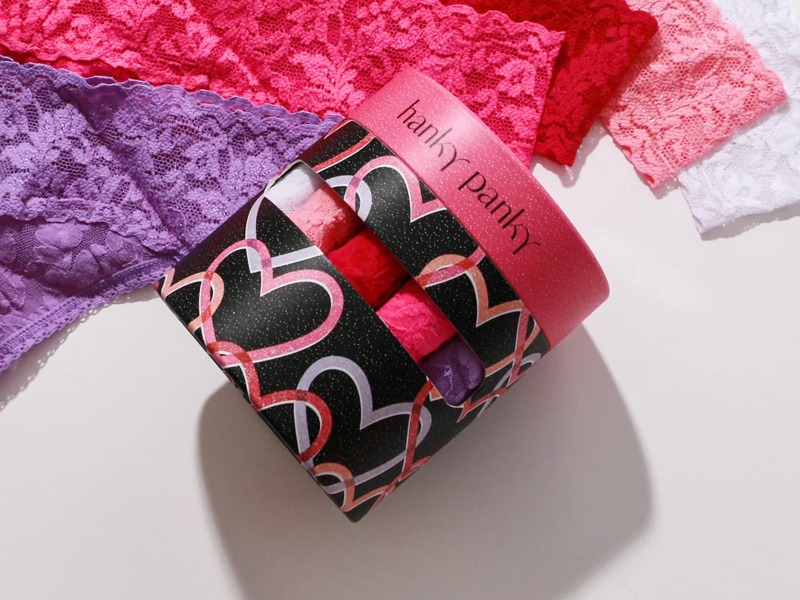
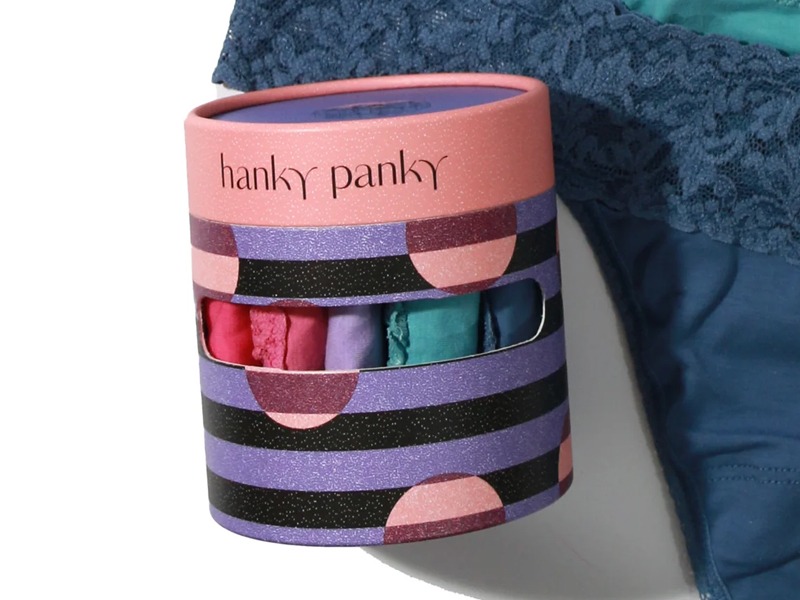
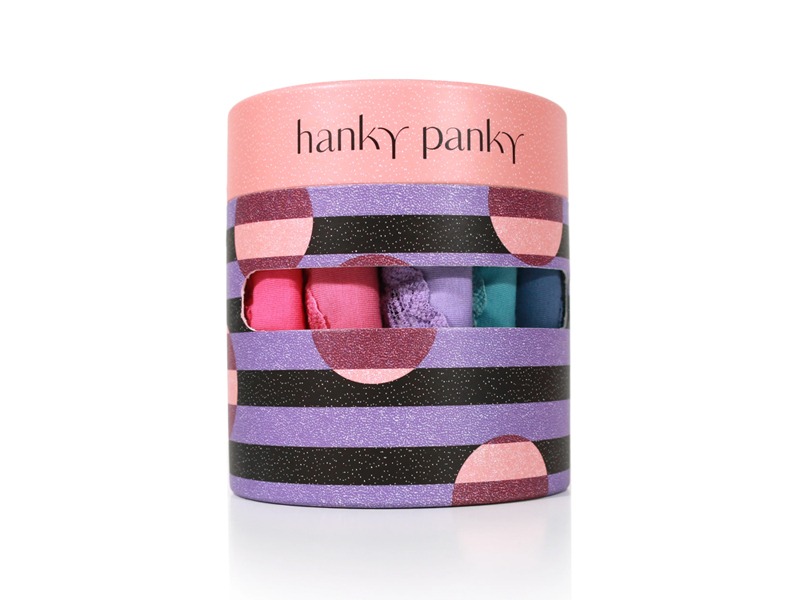
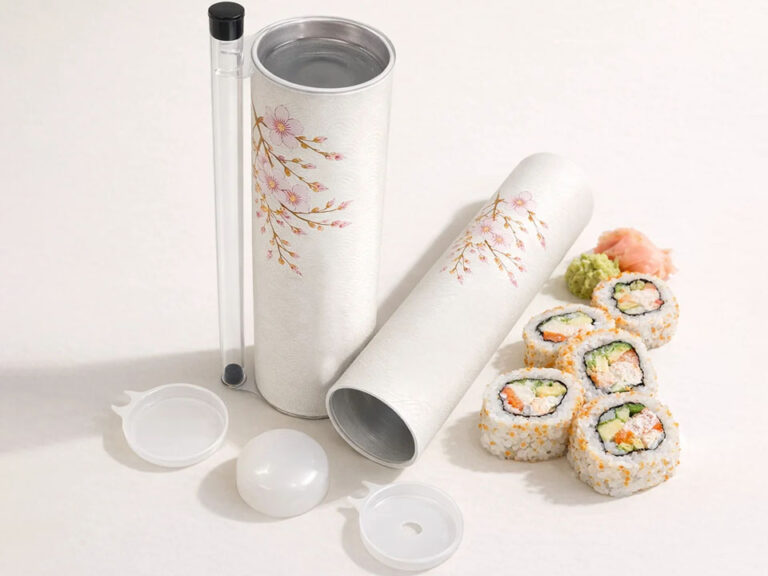
Si le gusta un aspecto limpio y minimalista que fotografíe bien, acabados como el tubo de papel blanco mate cajas de embalaje puede encajar con ese aire “sencillo pero intencionado”.
Embalaje que ahorra espacio para la confección
El espacio de almacén desaparece rápidamente cuando se envían muchas referencias. Las cajas voluminosas crean espacio muerto, lo que complica el encartonado y ralentiza la línea.
En los tubos de papel suelen caber camisas y ropa interior enrolladas con menos volumen desperdiciado. Eso le ayuda a mantener los contenedores de almacenamiento más limpios y los cartones maestros más consistentes.
Ventajas de cumplimiento que aparecen rápidamente
Mejor apilamiento en palés de entrada y cajas de salida
Ranuras más limpias para las referencias más populares
Menos tiempo luchando contra embalajes demasiado grandes durante el empaquetado
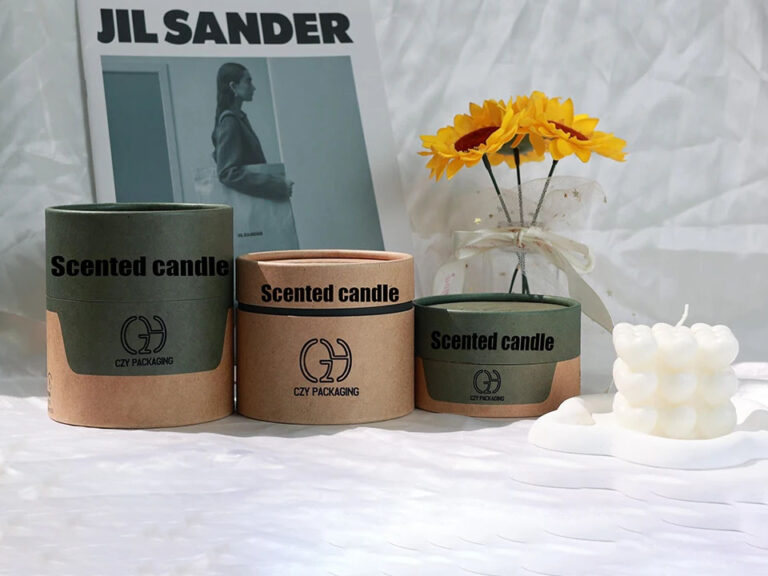
Para ver construcciones de tubo más robustas, consulte formatos como el caja de tubo de papel ecológico que muestra cómo un diseño cilíndrico puede mantenerse rígido y listo para la venta al por menor.
Envase de tubo de papel reutilizable
Muchos envases de ropa se tiran inmediatamente. Es una oportunidad perdida, porque el envase puede seguir funcionando después de la venta.
Un tubo de papel es reutilizable por naturaleza. Los clientes lo conservan porque es resistente y queda bien en una estantería. Esa “segunda vida” mantiene tu marca en su espacio sin que gastes más en anuncios.
Ideas de reutilización habituales que los clientes hacen realmente
Estuche de viaje para camisetas enrolladas
Organizador de cajones para calcetines y ropa interior
Almacenamiento para cables, artículos de papelería o pequeños accesorios
Este es también un movimiento inteligente para las marcas de suscripción. Cuando merece la pena conservar el envase, el desembalaje se convierte en parte de la rutina, no solo en un paso de la entrega.
Envases reciclables y envases de tubos de papel
Si quiere un mensaje ecológico que no resulte vago, hágalo sencillo: los tubos de papel son de papel, y los sistemas de reciclado de papel están muy extendidos en muchos mercados.
También puede apoyar ese mensaje con una tabla de datos clara. He aquí una versión sencilla basada en informes de gestión de materiales de EE.UU. ampliamente citados para el reciclado de papel y cartón.
Tabla de datos que puede citar en su contenido
Categoría
Ejemplo
Tasa de reciclado declarada (redondeada)
Etiqueta de fuente para utilizar en su artículo
Papel y cartón
Mezcla de productos de papel
~68%
Informes sobre gestión de materiales en Estados Unidos (tablas de 2018)
Cajas de cartón ondulado
Cajas de envío
~96%
Informes sobre gestión de materiales en Estados Unidos (tablas de 2018)
Una cosa más: las declaraciones de sostenibilidad dependen de los materiales exactos que elijas. Sigue leyendo, porque los revestimientos y recubrimientos importan.
Embalaje en tubo de papel impreso para marca y presencia en el lineal
La ropa es visual. Si las fotos de tus productos son de calidad, la conversión aumenta. El embalaje desempeña un papel más importante de lo que la mayoría de las marcas esperan, ya que aparece en las imágenes de los anuncios, los vídeos de unboxing y las opiniones de los clientes.
Los tubos de papel ofrecen una superficie envolvente completa para la marca:
Envolturas de ilustraciones y patrones en 360
Acabados mate o brillante
Estampación, gofrado, deboss, UV directo
Control estricto del color para mantener la coherencia de la marca
Los productos blandos parecen “seguros”, pero los daños en el embalaje siguen perjudicando las ventas. Una caja aplastada no sólo da mal aspecto. Provoca devoluciones, tickets de soporte y malas críticas.
La forma cilíndrica ayuda porque maneja la presión de forma diferente a los paneles planos. En términos sencillos, es más difícil aplastar un tubo que un cartón de paredes finas con grandes esquinas.
Escenarios de envío y manipulación
Entrega en la última milla: Los paquetes se apilan, se deslizan y se caen.
Cumplimiento del mercado: La manipulación estándar puede ser dura, incluso cuando no es “frágil”.”
Reposición al por mayor: Las cajas se abren y se vuelven a apilar varias veces.
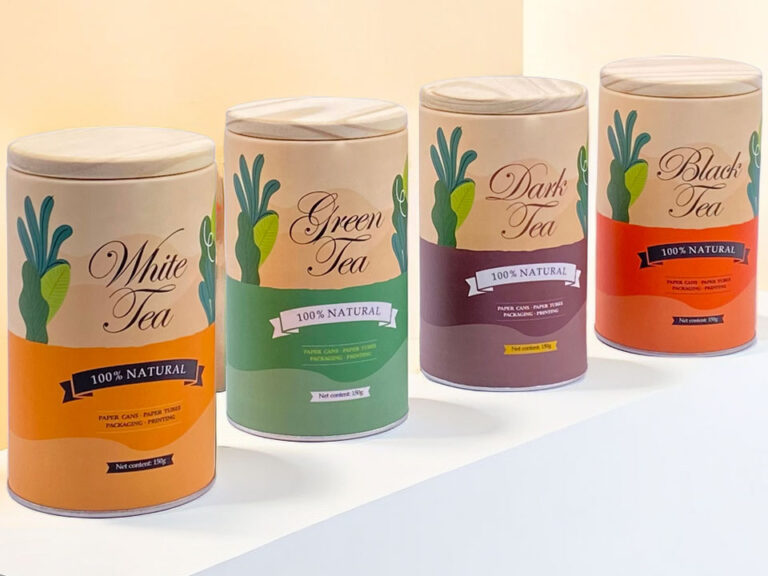
Si quiere ejemplos de cierres rígidos y construcciones protectoras, fíjese en estilos como cajas tubulares de papel kraft para envasar té. La categoría del producto es diferente, pero la estructura muestra cómo un tubo puede sentirse sólido en la mano.
Revestimiento, forrado y reciclado de envases de tubos de papel
Aquí es donde las marcas pueden sobreprometer accidentalmente.
Si añade laminación pesada, película de plástico o revestimientos especiales, el reciclaje puede volverse más complejo en función de las instalaciones locales. Estas mejoras pueden seguir siendo la decisión correcta. Lo único que hay que hacer es adaptar la fabricación del material a sus necesidades reales.
Una forma práctica de elegir los materiales
Empiece por el riesgo real de la prenda: polvo, rozaduras, humedad ligera o ninguno en absoluto.
Utilice el revestimiento mínimo que proteja el producto y la impresión.
Mantenga su declaración de sostenibilidad específica: “a base de papel” y “reciclable donde existan instalaciones”.”
Así se mantiene la honestidad del mensaje y se evita la reacción de los clientes.
Casos prácticos de uso de envases de tubo de papel para camisas y ropa interior
Comercio electrónico de prendas de vestir
Si su equipo realiza operaciones de recogida y envasado de gran volumen, necesita un envasado rápido y repetible. Los tubos simplifican el flujo de trabajo. También reducen la posibilidad de empaquetar el inserto equivocado o de dañar la prenda durante el plegado.
Los tubos se mantienen erguidos y ordenados después de que los clientes los recojan. Esto es importante en el mundo real, porque el mantenimiento de los estantes cuesta tiempo. Un formato de exposición estable ayuda a mantener el aspecto “fresco” del planograma con menos esfuerzo del personal.
Envases de suscripción para productos básicos
Las marcas de suscripción ganan en coherencia. Un tubo hace que la entrega parezca una experiencia planificada en lugar de un momento de buzoneo genérico. También es más fácil mantener un aspecto coherente en las distintas referencias.
OEM/ODM y pedidos al por mayor
Si compra para mayoristas, marcas blancas u OEM/ODM, le importa la repetibilidad: impresión estable, tamaño uniforme y plazos de entrega predecibles. También quiere envases que se adapten sin problemas cuando añada nuevos colores o nuevas referencias.
Cuadro sinóptico de los principales argumentos a favor de los envases de tubo de papel para camisas y ropa interior
Título del argumento
Qué resuelve
Qué destacar como prueba
Reducir las arrugas en el envasado de camisas y ropa interior
Arrugas por pliegues duros
La presentación enrollada mantiene el tejido con un aspecto más limpio
Embalaje que ahorra espacio para la confección
Espacio de almacenamiento y cajas desperdiciado
Mejor apilado y empaquetado más suave
Envase de tubo de papel reutilizable
Los envases se tiran inmediatamente
Los clientes reutilizan los tubos para guardarlos y viajar
Envases reciclables y envases de tubos de papel
Alegaciones ecológicas débiles o vagas
Utilice una tabla de datos sencilla y una redacción clara
Embalaje en tubo de papel impreso para marca y presencia en el lineal
Poco impacto en las estanterías y fotos débiles
Área de impresión de 360° y acabados premium
Embalaje duradero para proteger el envío
Daños en tránsito y devoluciones
Estructura cilíndrica resistente al aplastamiento
Revestimiento, forrado y reciclado de envases de tubos de papel
Promesa excesiva de reciclabilidad
La elección de los materiales influye en los resultados del reciclado
Nota final para los pedidos de cajas de tubos de papel personalizadas
Si va a cambiar a los envases de tubo de papel para camisas o ropa interior, concéntrese primero en tres cosas: tamaño del tubo, acabado de impresión, y flujo de cumplimiento. Si los clavas, el resto se convierte en una simple conversación de producción.