Vous n'avez toujours pas trouvé la bonne solution d'emballage ? Parlez-en à notre patron.
Si vous avez consulté notre site web ou discuté avec le service des ventes et que vous ne voyez toujours pas la voie à suivre, envoyez votre demande ici. Votre message sera transmis directement à notre directeur général, qui examinera la faisabilité, le coût et le délai de mise en œuvre. Vous obtiendrez une étape suivante claire - ce que nous pouvons faire, ce que nous attendons de vous, et la voie la plus rapide pour obtenir un devis.
Obtenir un devis rapide pour l'emballage de tubes en papier sur mesure
Conçu pour les responsables de l'emballage, de l'approvisionnement et les ingénieurs de l'emballage. Spécifiez la taille, la quantité et la finition pour obtenir un devis, un délai de livraison et des conseils sur les spécifications pour les programmes américains/européens.
Personnalisation prête à l'emploi : diamètre, hauteur, épaisseur de paroi, inserts, doublures et fermetures
Finitions haut de gamme : CMYK/Pantone, film, gaufrage, UV
Clarté de l'approvisionnement : spécifications claires + conseils en matière de contrôle de la qualité et de gestion des défauts de fabrication
Durable : Papier FSC® disponible sur demande
Sécurité enfants : conforme à la norme ISO 8317 / PPPA
6 étapes pour choisir l'emballage parfait d'un produit
Le choix de l'emballage semble simple jusqu'à ce que vous soyez confronté à des boîtes cabossées, des étagères en désordre et des retours qui grugent votre marge. La solution n'est pas un “emballage plus joli”. Il s'agit d'un processus propre en 6 étapes qui correspond à ce qui suit taille du produit + abus en matière d'expédition + image de la marque + réalité de la production.
Si vous vous approvisionnez en boîtes en papier personnalisées en vrac (OEM/ODM, vente en gros, marque privée, kitting), ce guide vous aidera à fixer rapidement les spécifications et à éviter les allers-retours habituels.
Vous verrez également quelques scénarios réels et un tableau pratique qui vous permettront d'informer votre concepteur, votre équipe d'exploitation et votre fournisseur avec les mêmes notes.
Le tableau de sélection des emballages en 6 étapes
Utilisez ce tableau comme votre “liste de contrôle des spécifications”. Il transforme les demandes vagues en décisions que votre fournisseur peut réellement produire.
Étape
Mot-clé de la décision
Douleur de l'acheteur qu'il prévient
Résultat le mieux adapté
Source
1
Dimensions du produit
Ajustement approximatif, dommages causés par les secousses, remplissage de vides peu esthétique
Un emballage serré avec une tolérance contrôlée
Cadre de sélection des emballages
2
Structure de la boîte
Écrasement pendant le transport, empilage insuffisant, ligne d'emballage lente
Une structure qui correspond à l'étagère + l'expédition + l'unboxing
Cadre de sélection des emballages
3
Matériau et épaisseur
Éraflures, bosses, toucher bon marché
Tube de papier droit mur + emballage + finition
Cadre de sélection des emballages
4
Spécification de la taille
Fret “aérien”, déchets de carton, chaos de l'UGS
Des tailles rationalisées pour moins de maux de tête
Cadre de sélection des emballages
5
Public cible
L'emballage semble “hors marque”, peu d'achats répétés
Des choix de conception adaptés à vos acheteurs
Cadre de sélection des emballages
6
Test d'emballage
Défaillances surprenantes après la production de masse
Échantillonnage + test de transit + plan de contrôle de qualité
Cadre de sélection des emballages
Étape 1 : Mesurer les dimensions du produit
Commencez ici. Une conception parfaite échoue toujours si le produit s'ébranle à l'intérieur.
Longueur, diamètre et hauteur
Obtenez les chiffres réels, pas la “taille du site web”. Mesurez :
les point le plus large
les point le plus haut
tous bouchons, pompes, compte-gouttes ou protubérances
Si votre produit est inséré dans un encart, mesurez également l'encombrement de l'encart. Les encarts changent tout.
Espace tampon pour les inserts et la protection
Vous avez besoin d'une marge de manœuvre :
inserts (EVA, carton, pâte moulée, mousse - en fonction des règles du marché)
sacs intérieurs
scellés d'inviolabilité
cartes d'instructions
accessoires (pelle, brosse, câbles, recharges)
Une règle simple : conception de l'emballage, mais pas pour un produit nu sur un bureau.
Scénario : Une marque de produits de soin expédie un flacon compte-gouttes en verre. Le flacon survit... jusqu'à ce que la tête du compte-gouttes heurte le couvercle lors de la manutention du courrier. Un petit tampon et un simple insert permettent d'éviter les dommages dus aux “micro-impacts” qui sont à l'origine des réclamations pour fuites.
Étape 2 : Choisir le bon style de boîte et la bonne structure
Il s'agit ici de faire correspondre “la façon dont vous vendez” à “la façon dont l'emballage se comporte”.”
L'emballage en tube de papier permet une forte compression verticale et une sensation de déballage de première qualité, mais vous avez encore le choix de la structure :
le type de couvercle (à friction, en métal, à bouchon, télescopique)
plateau intérieur ou insert
découpe de la fenêtre
tirette, ruban ou poignée
Expédition pour le commerce électronique et présentation en rayon pour le commerce de détail
Posez une question directe : Doit-il survivre à l'expédition de colis ou doit-il simplement faire bonne figure sur une étagère ?
Pour DTC/e-commerceLa sécurité des fermetures, la résistance aux éraflures et la rapidité d'emballage sont des priorités.
Pour commerce de détailLes produits de la catégorie "produits de consommation" : priorité à la mise en rayon, à la cohérence des couleurs et à l'espace réservé aux codes-barres/étiquettes.
Si vous voulez des idées, parcourez le site Tous les produits pour voir les variations de structure que vous pouvez emprunter.
Structure à l'épreuve des enfants et axée sur le respect des règles
Si vous vendez des produits réglementés, la structure n'est pas facultative. Elle fait partie du contrôle des risques.
Exemple : pour les articles réglementés, vous pouvez avoir besoin d'un mécanisme de sécurité pour les enfants. Ce type de structure se retrouve dans des produits tels que cannabis recyclable emballage en tube de papier à l'épreuve des enfants. Il s'agit d'un bon point de référence pour l'élaboration d'une spécification axée sur la conformité.
Étape 3 : Sélection du matériau et de l'épaisseur
Les acheteurs sentent le matériau avant de lire votre logo. Le matériau détermine également si votre emballage reste propre après les entrepôts, les palettes et les convoyeurs de messagerie.
Carton pour tube de papier, papier d'emballage et finition de surface
Vous décidez généralement de trois couches :
le corps du tube (résistance + rigidité)
le papier d'emballage (qualité d'impression + texture)
la finition (résistance aux rayures + contrôle de l'éblouissement)
Choisissez la finition en fonction de la durée de vie de votre produit :
aspect mat: plus calme, de qualité supérieure, respectueux des empreintes digitales
aspect brillant: couleur percutante, bruyante en rayon
traitement des tachesLe logo : met en valeur un logo ou un motif sans recouvrir l'ensemble
Cas d'utilisation de qualité alimentaire et respectueux des barrières
Les aliments et les compléments alimentaires vivent dans un monde différent. Vous vous souciez de la propreté, du contrôle des odeurs et des choix d'alimentation.
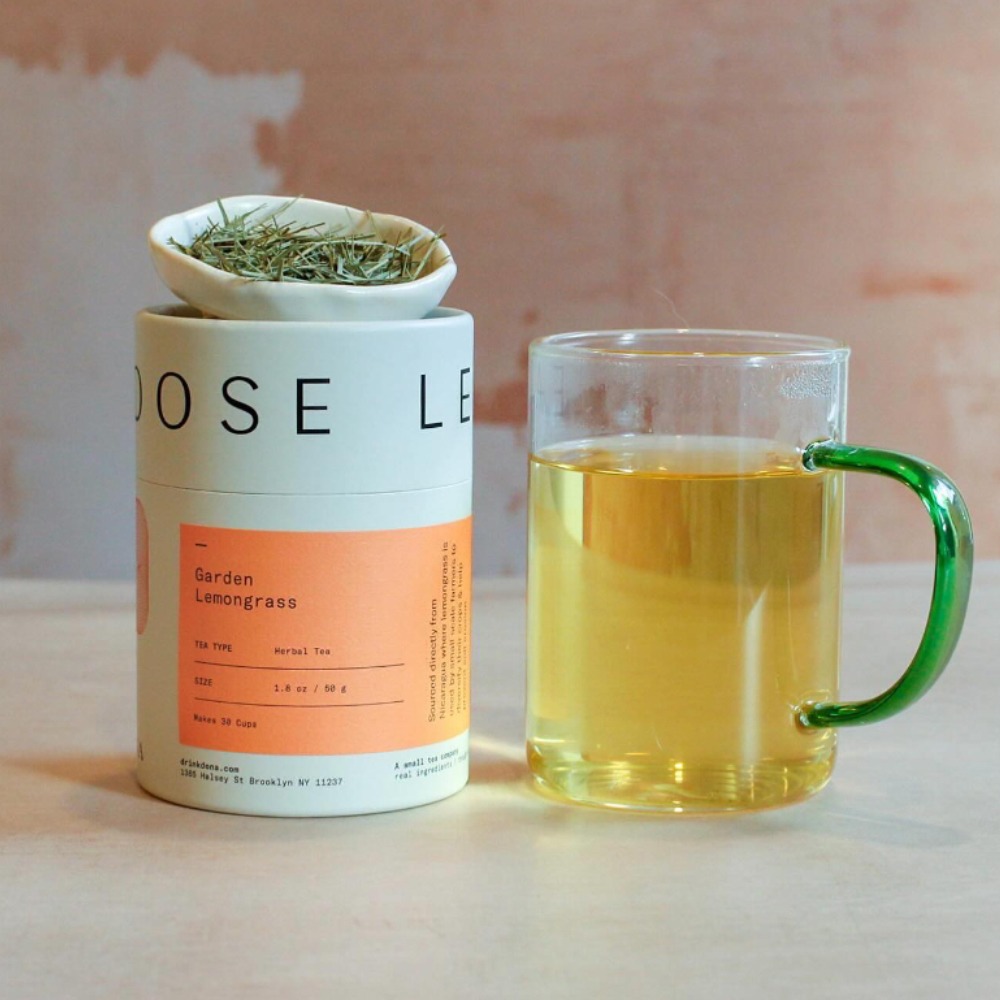
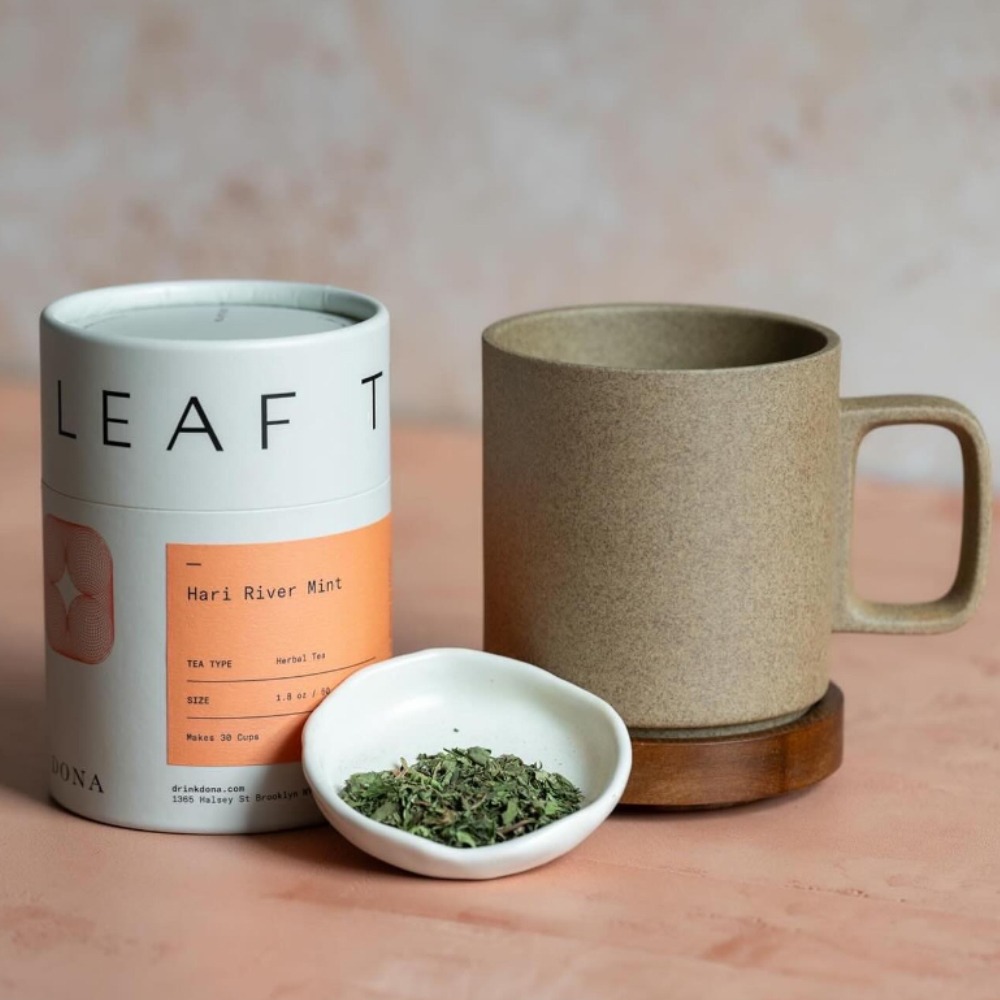
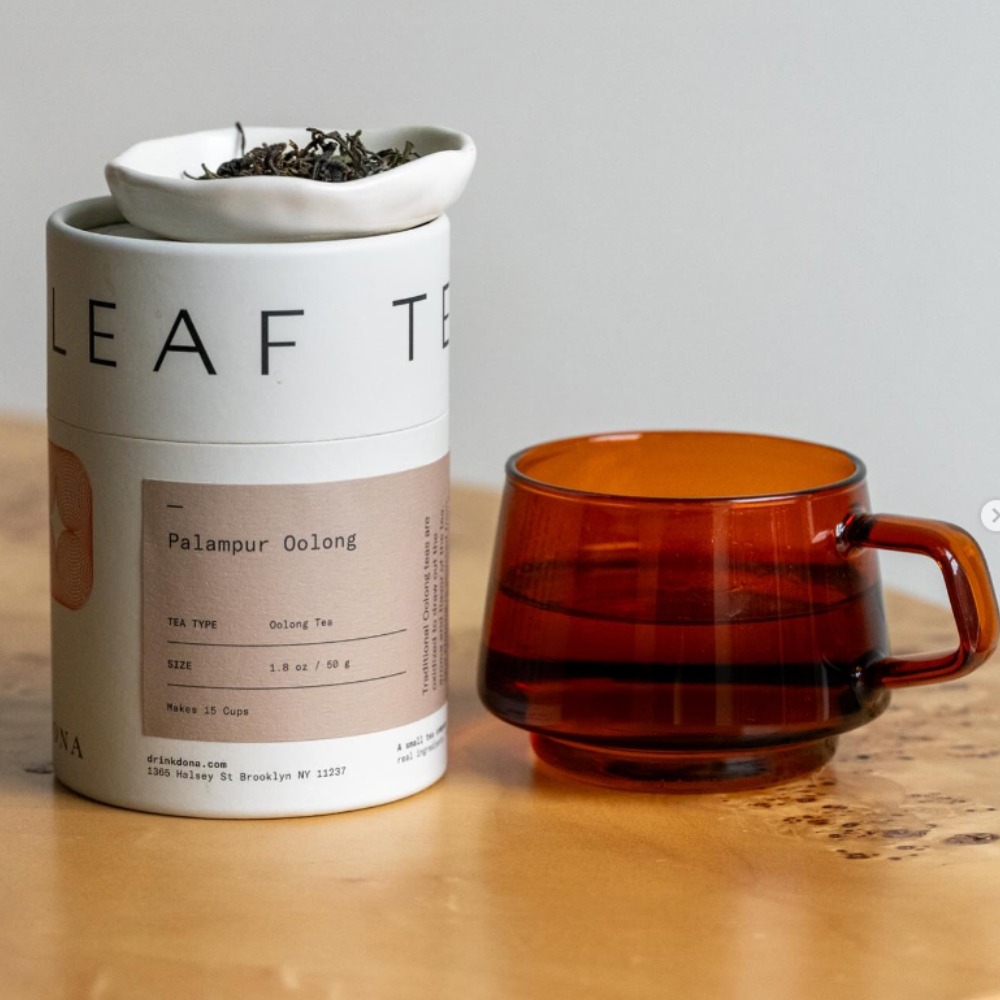
Scénario : Une marque de thé se vend dans les climats humides. Une meilleure fermeture et un meilleur revêtement réduisent la perte d'arôme et préservent la fraîcheur du produit plus longtemps. Les clients ne diront peut-être pas “belle barrière”, mais ils remarqueront l'expérience.
Étape 4 : Confirmer la spécification de la taille
Cette étape semble ennuyeuse. Elle permet de sauver discrètement votre équipe d'exploitation.
Normalisation des UGS pour les lignes de produits
Si vous avez plusieurs UGS, ne créez pas de tube unique pour chaque article, sauf si vous y êtes obligé. Un trop grand nombre de tailles crée :
optimisation des cartons en désordre
kitting lent
risque plus élevé d'emballer la mauvaise UGS
plus de points de contrôle de qualité à gérer
Il est plus judicieux d'opter pour des “familles de taille”. Par exemple :
un format de tube unique pour une gamme de produits cosmétiques
une seule taille de tube pour de multiples saveurs de suppléments
tube unique pour les coffrets cadeaux saisonniers
Cette approche convient parfaitement aux flux de travail des grossistes et des OEM/ODM.
Boîtes d'abonnement et lots groupés
Les paquets brisent l'emballage si vous ne simulez pas l'emballage tôt.
Si vous expédiez des produits groupés (tels que “3-pack”, “starter kit” ou “refill + tool”), créez une maquette d'emballage et confirmez :
Acheteurs au détail se préoccuper de la lecture des rayons et des blocs de marque. Veillez à ce que les faces avant et latérales et la vue de dessus communiquent rapidement la marque.
Indices d'emballage spécifiques à un segment
Les emballages sont lus différemment selon les marchés :
CBD / cartouchesLe système de gestion de l'information : structure + protection + mise en page prête à l'emploi Référence : boîtes en papier pour cartouches CBD
Étape 6 : Échantillonner, tester et verrouiller la spécification d'emballage
C'est ici que les professionnels évitent les “surprises de la production de masse”.”
Échantillonnage et approbation de la ligne de base
Ne vous contentez pas d'approuver sur la base d'un fichier graphique plat. Demandez :
un échantillon physique (ou un prototype serré)
confirmation de la dieline (dimensions + fond perdu + zones de sécurité)
fermeture vérification de l'ajustement
vérification de l'ajustement de l'insert
Si vous travaillez avec des agences de design, donnez-leur la dieline dès le départ. Vous éviterez ainsi les compromis typographiques de dernière minute.
Tests de transit et points de contrôle de la qualité
Si votre produit est expédié, son emballage doit résister aux agressions du monde réel :
gouttes
vibration
compression par empilage
les écarts de température dans les camions et les conteneurs
Exécutez un plan de test de transit simple. Ensuite, verrouillez les points de contrôle de qualité :
cohérence des couleurs d'impression
ajustement du couvercle
l'intégrité des colles (le cas échéant)
résistance aux rayures
contrôle des odeurs pour les produits sensibles
C'est également à ce niveau que la capacité des fournisseurs est importante. Si vous vous agrandissez, vous voulez un fabricant capable de maintenir une production stable. Le profil de votre usine met en évidence un atelier moderne de purification des emballages alimentaires, un entrepôt de 12 300 m² et une capacité journalière élevée, qui permet de traiter des commandes en masse sans que la production ne devienne un goulot d'étranglement.
Fiche technique rapide pour l'emballage personnalisé de tubes en papier
Ce tableau vous aide à rédiger un appel d'offres clair et à obtenir des devis plus rapidement.
Mot-clé
Ce que vous décidez
Options typiques
Meilleur pour
Structure du tube
Comment il s'ouvre/se ferme
couvercle à friction, télescopique, couvercle métallique, bouchon