Vous n'avez toujours pas trouvé la bonne solution d'emballage ? Parlez-en à notre patron.
Si vous avez consulté notre site web ou discuté avec le service des ventes et que vous ne voyez toujours pas la voie à suivre, envoyez votre demande ici. Votre message sera transmis directement à notre directeur général, qui examinera la faisabilité, le coût et le délai de mise en œuvre. Vous obtiendrez une étape suivante claire - ce que nous pouvons faire, ce que nous attendons de vous, et la voie la plus rapide pour obtenir un devis.
Obtenir un devis rapide pour l'emballage de tubes en papier sur mesure
Conçu pour les responsables de l'emballage, de l'approvisionnement et les ingénieurs de l'emballage. Spécifiez la taille, la quantité et la finition pour obtenir un devis, un délai de livraison et des conseils sur les spécifications pour les programmes américains/européens.
Personnalisation prête à l'emploi : diamètre, hauteur, épaisseur de paroi, inserts, doublures et fermetures
Finitions haut de gamme : CMYK/Pantone, film, gaufrage, UV
Clarté de l'approvisionnement : spécifications claires + conseils en matière de contrôle de la qualité et de gestion des défauts de fabrication
Durable : Papier FSC® disponible sur demande
Sécurité enfants : conforme à la norme ISO 8317 / PPPA
La montée en puissance des tubes en carton classiques et des stratégies créatives
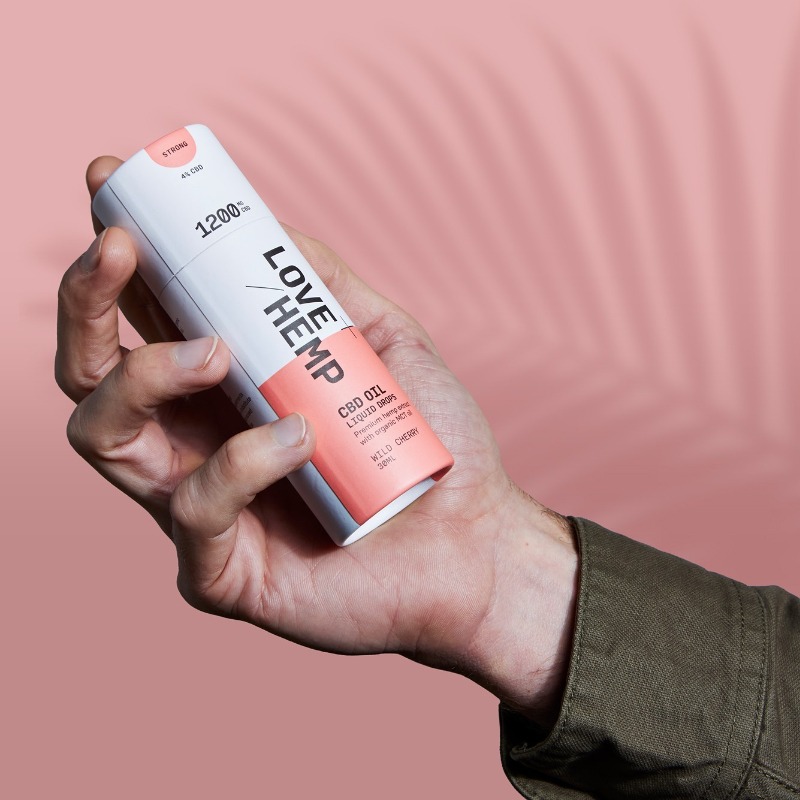
L'emballage en tube de carton a le vent en poupe. Non pas parce qu'il est “à la mode”, mais parce qu'il résout trois problèmes à la fois : impact sur les rayons, protection des expéditions et cohérence de la marque à l'échelle. Si vous vendez au détail, gérez un magasin DTC ou fournissez des distributeurs, vous connaissez déjà les problèmes : boîtes écrasées, marques désordonnées entre les UGS et emballages qui semblent parfaits en ligne mais qui tombent à plat dans la main d'un acheteur.
Ce guide présente les principaux arguments à l'origine de l'essor des tubes classiques, puis les transpose dans les domaines suivants des gestes pratiques en matière d'emballage que vous pouvez utiliser pour les commandes OEM/ODM et les commandes en gros. Il vous renvoie également aux pages internes appropriées afin que vous puissiez faire correspondre les concepts aux styles de tubes réels et aux cas d'utilisation.
Le design de l'emballage, moteur de l'attention portée à la marque
L'emballage est votre premier représentant commercial. Il travaille en silence et ne prend jamais un jour de congé. Une structure de tube propre vous aide à “gagner le regard”, car les acheteurs lisent la forme avant de lire l'étiquette.
Ce que signifie réellement le terme “attention” dans la conception d'un emballage
L'attention n'est pas seulement “jolie”. C'est reconnaissance rapide dans une allée bondée ou un rouleau. Les tubes sont utiles parce qu'ils vous donnent :
Une silhouette forte (facile à repérer dans une file d'attente)
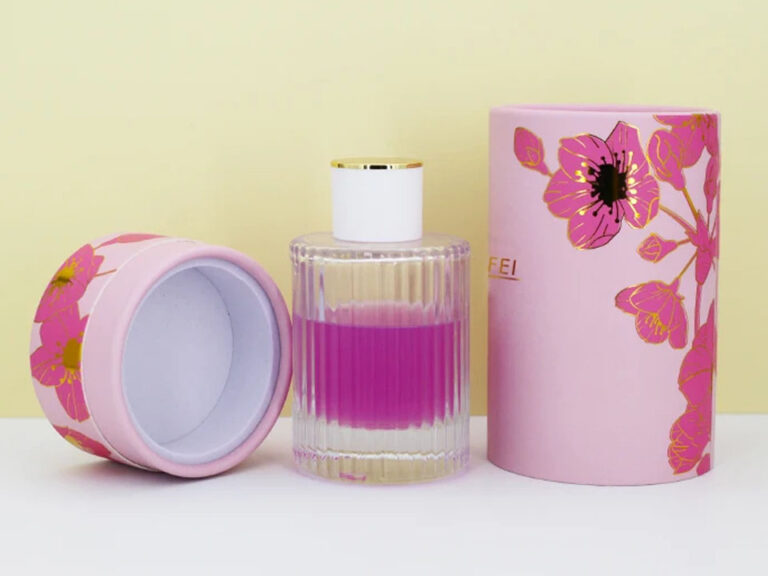
Une surface de marque à 360° (plus d'espace pour raconter des histoires)
Une impression de qualité supérieure sans structures compliquées (moins de risques d'erreurs dans la production)
Si votre produit est en concurrence dans une catégorie restreinte, un tube peut devenir votre meilleur atout. perturbateur de catégorie sans modifier la formule à l'intérieur.
Emballage des tubes en carton dans toutes les industries
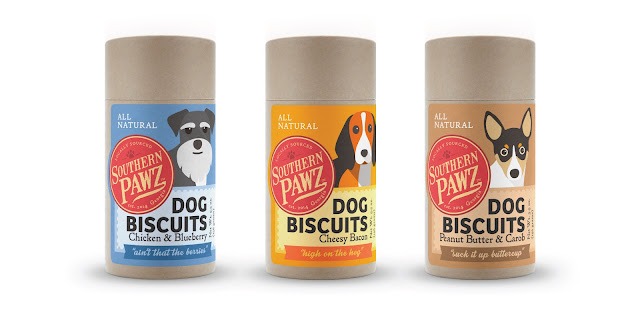
Les tubes ne sont pas cantonnés à un seul créneau. Vous les verrez dans les domaines de l'alimentation, de la beauté, des compléments alimentaires, des accessoires de mode, des cadeaux et des articles réglementés, car leur structure est bien adaptée et leur présentation est claire.
Où l'emballage en tube convient-il le mieux ?
Utilisez des tubes lorsque vous en avez besoin protection de la forme + présence en rayon + merchandising rapide. Scénarios courants :
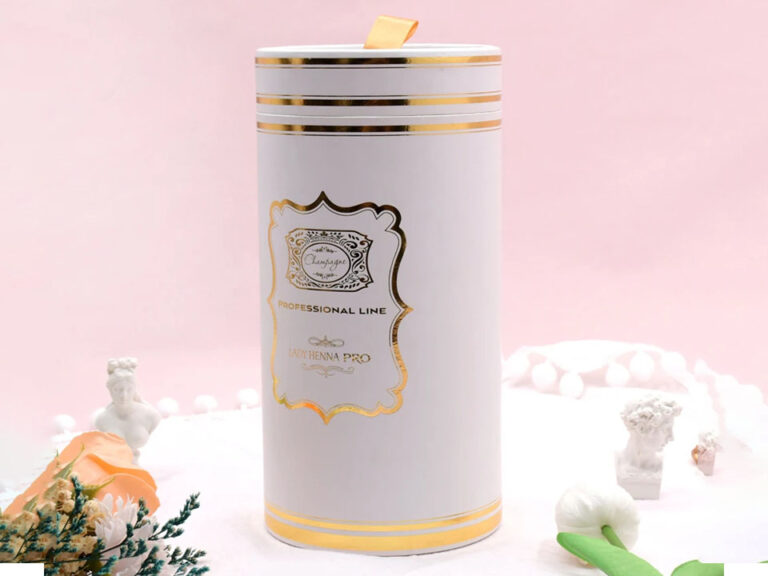
Cadeaux et accessoires pour lesquels l'ouverture de la boîte fait partie du produit Un aspect premium et doux convient parfaitement aux produits suivants boîtes à bijoux et à bracelets en tube de papier.
Stratégies créatives pour l'unboxing et le partage social
Si vous vendez en ligne, vous ne vous contentez pas d'expédier un produit. Vous expédiez un moment. Les tubes facilitent le contrôle de ce moment, car la structure est par défaut “cadeau”.
Des leviers créatifs pratiques qui fonctionnent toujours bien en masse
La créativité n'a pas besoin de formes sauvages. Elle a besoin des décisions intelligentes en matière de surface que la production peut répéter :
Indices de texture: toucher doux et mat, toucher kraft ou aspect cuir
Visuels en 3DLe tube est un objet d'art : des graphiques en couches qui s'affichent lorsque le tube tourne.
Sentiment d'ouvertureLe système d'entraînement : un ajustement par friction qui donne une impression de sécurité sans pour autant être gênant
La règle est la suivante : intégrer un “déclencheur de partage” dans les cinq premières secondes. Si le bouchon se soulève proprement, que l'impression est nette et que la surface est de première qualité, les clients feront le marketing à votre place.
Personnalisation et contrôle de la qualité dans la production de tubes OEM/ODM
Dans le domaine de l'OEM/ODM, le véritable travail se fait avant que le premier carton ne soit expédié. Vous ne voulez pas d'un “beau design”. Vous voulez conception reproductible qui survit à la production de masse, à la manutention et à la logistique à longue distance.
Où la qualité se manifeste (et où les acheteurs se plaignent)
La plupart des plaintes se répartissent en quatre catégories :
Inadéquation des couleurs (la couleur de la marque varie d'un lot à l'autre)
Incohérence des finitions (bords du film, éraflures, pelliculage inégal)
Problèmes d'ajustement (bouchon trop serré, trop lâche ou qui se détache pendant le transport)
Taux de dommage (compression lors de l'expédition ou de l'empilage en entrepôt)
Pour réduire les risques, traitez l'emballage comme un processus contrôlé : spécifications claires, tolérances claires, barrières de contrôle de qualité claires. C'est ainsi que vous protégerez les ventes et éviterez les retouches.
Échantillonnage et épreuvage avant production
L'échantillonnage n'est pas une formalité. C'est votre police d'assurance.
Un flux d'échantillonnage qui évite les erreurs du type “ça passe bien à l'écran”.
Un projet de tube solide se déroule généralement de la manière suivante :
Structure de l'échantillon blanc (dimensions, ajustement de l'insert, friction du bouchon)
Imprimer l'épreuve (précision des couleurs, lisibilité du texte, clarté des codes-barres)
Preuve de finition (feuille, gaufrage, vernis, toucher du revêtement)
Contrôle de transit (simulation de chute/empilement, résistance aux éraflures)
Course pilote (petit lot pour confirmer la consistance)
Production de masse (verrouiller la spécification, puis l'échelle)
Si vous vendez par l'intermédiaire de distributeurs ou de chaînes de magasins, cette étape vous évite les surprises tardives qui nuisent aux délais et aux relations.
Allégations de durabilité et facilité d'utilisation pour les consommateurs
Les clients n'achètent pas un “emballage durable” comme un slogan. Ils achètent ce qui leur semble facile à vivre.
Rendre le développement durable pratique, et non prêchi-prêcha
Si vous voulez que le développement durable se concrétise, parlez-en :
Refermer et réutiliser (les clients les stockent au lieu de les jeter)
Organisation des étagères et du garde-manger (les tubes s'empilent et sont bien rangés)
Elimination des déchets (la structure sur papier est plus facile à trier)
Cet angle d'attaque fonctionne particulièrement bien pour les boîtes d'abonnement, les cadeaux et les produits consommables haut de gamme.
Arguments clés, points de contrôle et signaux de preuve
Le tableau ci-dessous transforme la stratégie en un outil de décision rapide. Il vous donne les argument, le point de contrôle de la fabrication, et un type de source que vous pouvez citer en interne dans les mémoires et les dossiers des clients.
Argument (titre de la thèse)
Ce que cela signifie sur le marché
Point de contrôle de la fabrication (ce qu'il faut verrouiller)
Signal de preuve (ce qu'il faut mesurer)
Source de l'argument
Le design de l'emballage, moteur de l'attention portée à la marque
La forme et la surface déterminent la première impression et la mémorisation
Placement de l'impression, finition de la surface, alignement du capuchon
Des photos du PDP plus fortes
Pratique de la conception d'emballages
Emballage des tubes en carton dans toutes les industries
Les tubes conviennent à l'alimentation, à la beauté, au bien-être, aux cadeaux, etc.
Sélection de la qualité des matériaux, besoins en matière de barrières, inserts
Taux d'endommagement plus faible, merchandising plus propre
Utilisation de l'emballage par catégorie
Stratégies créatives pour l'unboxing et le partage social
La sensation d'unboxing stimule l'UGC et les achats répétés
Frottement à l'ouverture, finition tactile, hiérarchie visuelle
Plus de photos de clients, de meilleures critiques
Marchandisage du commerce électronique
Personnalisation et contrôle de la qualité dans la production de tubes OEM/ODM
La personnalisation n'est gagnante que si elle reste cohérente à l'échelle
Norme de couleur, spécification de finition, contrôles NQA
Moins de retours, moins de réimpressions
Opérations OEM/ODM
Échantillonnage et épreuvage avant production
Les échantillons permettent de détecter les problèmes avant qu'ils ne deviennent coûteux
Modèle de liste de contrôle pour la signature, conservation d'un échantillon d'or
Approbation plus rapide, moins de retards
Gestion de la production
Allégations de durabilité et facilité d'utilisation pour les consommateurs
La commodité se vend mieux que les slogans
Structure facile à réutiliser, résistance aux éraflures
Plus de rachats, moins de plaintes
Logique d'utilisation par le consommateur
Des scénarios concrets que vous pouvez utiliser immédiatement
Lancement d'UGS pour le commerce électronique transfrontalier
Vous lancez une nouvelle gamme de compléments alimentaires. Vous avez besoin d'un emballage qui ait l'air de première qualité devant la caméra, qui survive à l'expédition et qui reste cohérent lorsque vous renouvelez vos commandes. Commencez par un format comme emballage de protéines en poudre dans une boîte cylindrique en carton et fixez une norme de couleur dès le départ afin que votre marque ne dérive pas d'un lot à l'autre.
Baisse saisonnière des marques de détail
Vous réalisez un service à thé en édition limitée. Les tubes vous permettent d'obtenir un look qui peut être offert sans trop d'efforts. Un style comme Boîtes en papier à thé de qualité alimentaire peut porter la mention “premium”, tandis que la structure protège le produit dans les rayons.
Marque privée du distributeur avec cycles de commande rapides
Les distributeurs veulent des emballages stables, empilables et faciles à stocker. Les tubes répondent à ces critères et permettent d'unifier visuellement les UGS. Si vous souhaitez créer une gamme, parcourez la rubrique catalogue des produits d'emballage en tube papier et choisir 2 ou 3 tailles de tubes de carotte pour une gamme propre.
Éléments réglementés ou sensibles du point de vue de la conformité
Capacité et échelle de fabrication pour les commandes de gros
Lors d'une mise à l'échelle, la fiabilité compte autant que l'apparence. Votre positionnement en tant que Boîtes en papier tubulaire fabriquées sur mesure fonctionne mieux lorsque vous la reliez à la réalité opérationnelle : un atelier moderne de purification des emballages alimentaires, un entrepôt de 12 300 m² et une capacité de production quotidienne qui permet de passer des commandes en gros et de se réapprovisionner en permanence.
C'est important pour :
Propriétaires de marques qui ont besoin de commandes stables
Les vendeurs transfrontaliers qui n'ont pas les moyens d'acheter des emballages différents
Les grossistes et les distributeurs qui ont besoin d'un approvisionnement prévisible
Agences qui ont besoin d'un prototypage propre pour passer à la production de masse
les acheteurs OEM/ODM qui souhaitent qu'un seul fournisseur gère l'ensemble de la chaîne d'emballage
Si vous souhaitez un point de départ rapide, envoyez les acheteurs à votre page d'accueil afin qu'ils comprennent d'abord l'histoire de l'usine et de ses capacités, puis qu'ils les dirigent vers les pages produits en fonction de la catégorie.
Liste de contrôle de la stratégie d'emballage des tubes
Utilisez cette liste de contrôle pour faire avancer les projets et réduire les allers-retours :
Confirmer la taille et le poids du produit, ainsi que les besoins d'insertion
Choisir le matériau et la finition en fonction du canal (vente au détail, vente directe à la clientèle, vente en gros)
Verrouiller la norme de couleur (cibles Pantone/CMYK) avant la production de masse
Approuver l'échantillon de structure avant la finalisation de la maquette
Valider la sensation d'ouverture (sécurité, douceur, reproductibilité)
Confirmer l'emplacement du code-barres et du texte de conformité
Effectuer des contrôles d'usure et de compression pour la réalité logistique
Conserver un “échantillon d'or” pour de futures commandes
Si vous souhaitez ensuite élargir votre gamme de tubes, commencez par le catalogue des produits d'emballage en tube papier et construire un système modulaire : quelques tailles de tubes, des règles de marque cohérentes et des finitions adaptées à votre marge et à votre filière.