Vous n'avez toujours pas trouvé la bonne solution d'emballage ? Parlez-en à notre patron.
Si vous avez consulté notre site web ou discuté avec le service des ventes et que vous ne voyez toujours pas la voie à suivre, envoyez votre demande ici. Votre message sera transmis directement à notre directeur général, qui examinera la faisabilité, le coût et le délai de mise en œuvre. Vous obtiendrez une étape suivante claire - ce que nous pouvons faire, ce que nous attendons de vous, et la voie la plus rapide pour obtenir un devis.
Examen direct par GM de vos spécifications, cas d'utilisation et contraintes
Vérification de la taille et de la structure : diamètre, hauteur, résistance des parois, inserts
Recommandations en matière d'impression et de finition en fonction de la marque et du budget
Possibilités de réduction des coûts et d'amélioration des délais
Clarté du cheminement du devis : MOQ, plan d'échantillonnage et étapes suivantes
Parler à notre patron
Obtenir un devis rapide pour l'emballage de tubes en papier sur mesure
Conçu pour les responsables de l'emballage, de l'approvisionnement et les ingénieurs de l'emballage. Spécifiez la taille, la quantité et la finition pour obtenir un devis, un délai de livraison et des conseils sur les spécifications pour les programmes américains/européens.
Personnalisation prête à l'emploi : diamètre, hauteur, épaisseur de paroi, inserts, doublures et fermetures
Finitions haut de gamme : CMYK/Pantone, film, gaufrage, UV
Clarté de l'approvisionnement : spécifications claires + conseils en matière de contrôle de la qualité et de gestion des défauts de fabrication
Durable : Papier FSC® disponible sur demande
Sécurité enfants : conforme à la norme ISO 8317 / PPPA
Guide complet pour la personnalisation de l'emballage des cosmétiques en tube de papier
Table des matières
L'emballage des tubes en papier pour cosmétiques peut remplir deux fonctions à la fois. Il protège votre produit pendant l'expédition et la manutention au détail. Il permet également de vendre votre marque avant que quiconque ne tourne le bouchon ou ne décolle le sceau.
Mais la plupart des acheteurs l'apprennent à leurs dépens : un tube “beau” n'est pas toujours “performant”. Le mauvais diamètre crée des cliquetis et des bosses. Une paroi fragile s'écrase dans les emballages en carton. Un mauvais contrôle de l'impression fait dériver les couleurs d'une commande à l'autre, ce qui donne un aspect désordonné à votre étagère.
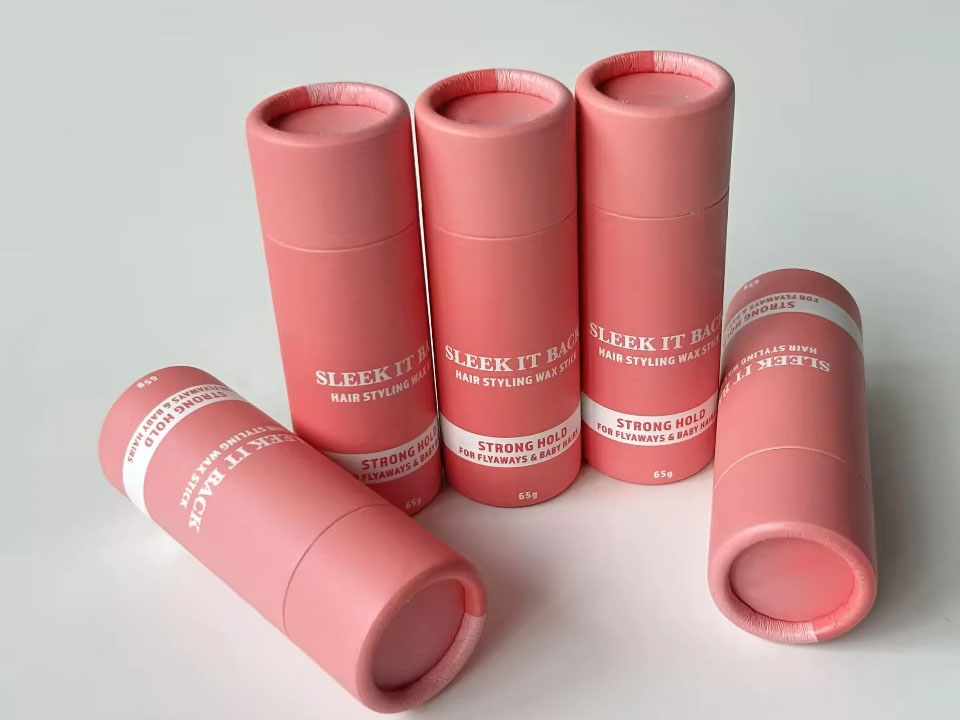
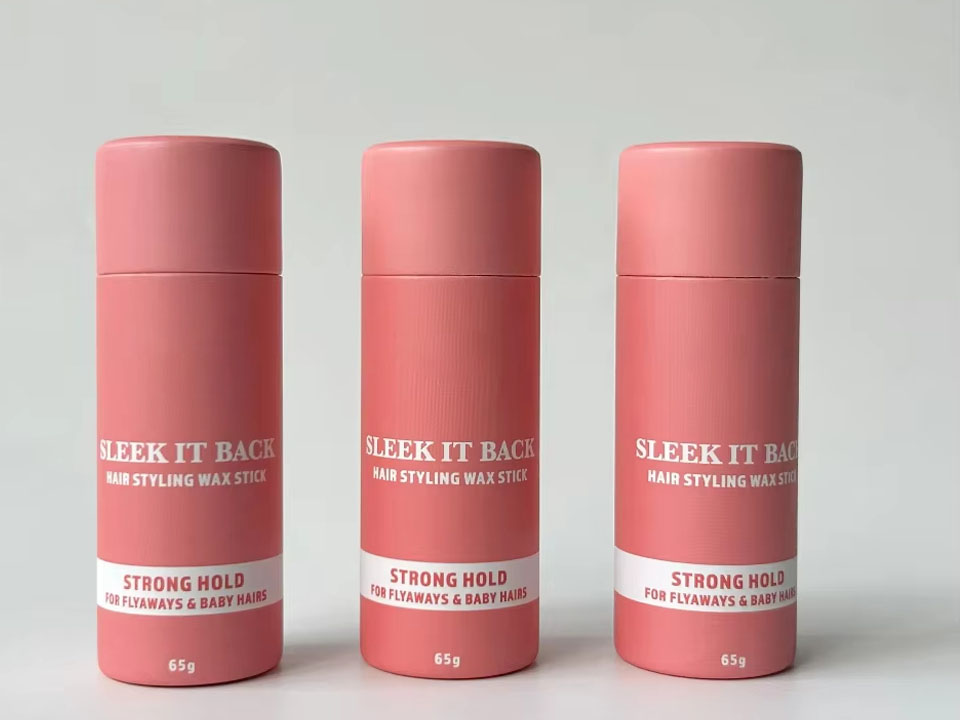
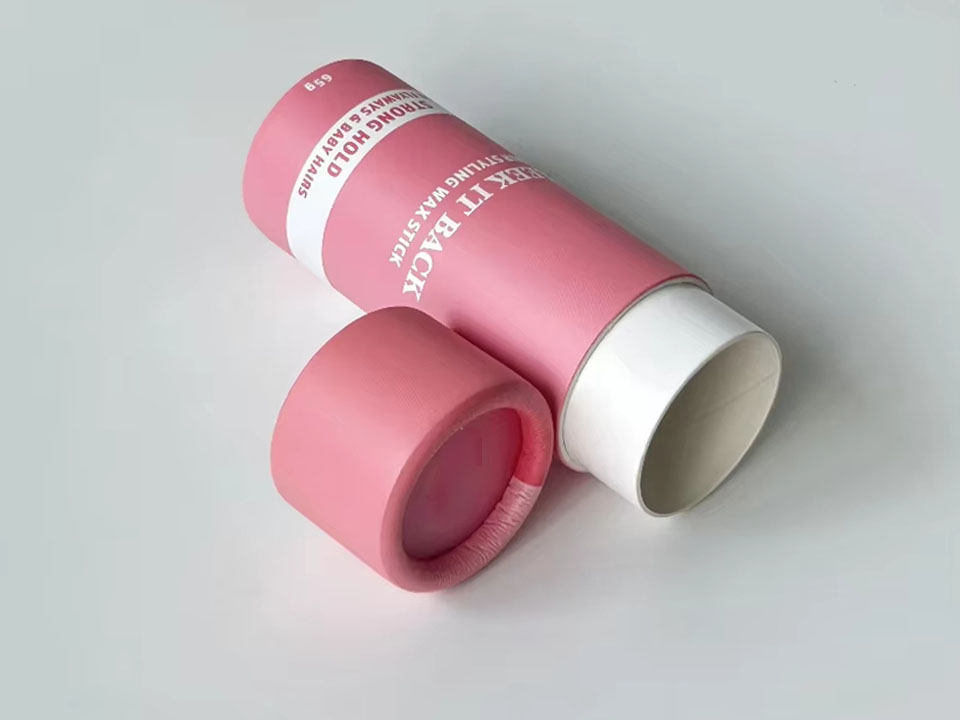
Sur le site Boîtes en papier tubulaire fabriquées sur mesure vous verrez des formats de tubes en papier conçus pour la vente en gros, les projets OEM/ODM et la mise à l'échelle des marques. L'objectif est simple : conserver un emballage cohérent, facile à produire et à commander, même lorsque le nombre de références augmente.
Identité de la marque et impact sur les rayons
Un tube de cosmétique est un signal de rayon. Les acheteurs ne liront pas votre texte en premier. Ils remarqueront d'abord la couleur, la finition et la forme. C'est pourquoi la personnalisation doit commencer par une question : Que voulez-vous que les gens ressentent en une seconde ?
Instructions de marques courantes qui fonctionnent bien sur les tubes :
Prime: enveloppes de couleurs unies profondes, enregistrement serré, accents de feuille, sensation de main plus lourde.
Tendance: bandes lumineuses pour les variantes, icônes ludiques, typographie audacieuse
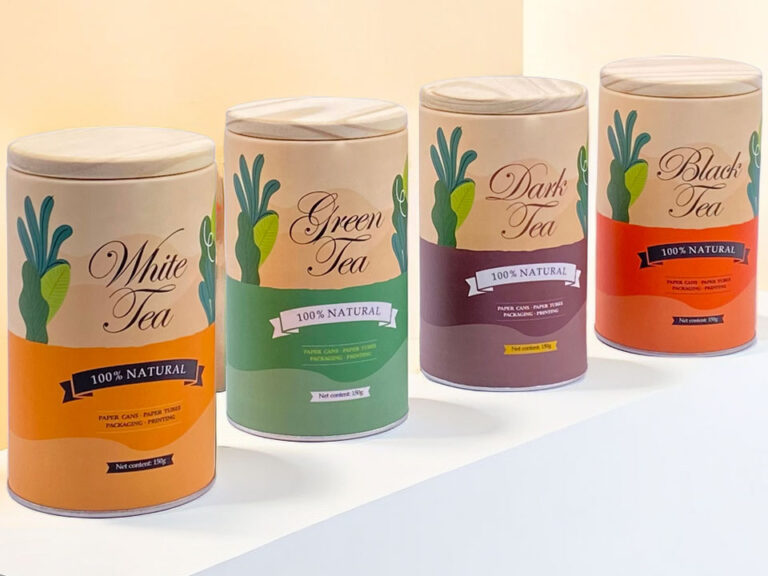
Si vous avez plusieurs gammes (baume à lèvres, baume déodorant, sticks de soin), créez un “système visuel” reproductible. Conservez le même emplacement et la même présentation du logo, puis ne modifiez que ce qui aide les acheteurs à choisir : le parfum, la teinte ou la fonction. C'est ainsi que vous éviterez d'avoir un mur d'UGS qui ressemble à un mélange aléatoire.
Si vous avez besoin d'un aperçu rapide des différents styles de tubes pour harmoniser l'image de votre marque, commencez par la page catalogue de produits.
Contrôle de la maquette et cohérence des couleurs
Lorsque vous changez d'échelle, la dérive des couleurs devient un véritable problème. Votre premier tirage semble parfait, puis le tirage suivant arrive et votre “signature rose” devient légèrement plus pâle. Les clients le remarquent. Les acheteurs au détail le remarquent plus rapidement.
Verrouillez-les rapidement :
les couleurs de la marque (utiliser une norme de couleur fixe et la maintenir cohérente)
l'emplacement critique du logo (éviter les zones de couture et les bords incurvés pour les marques clés)
l'emplacement du code-barres (suffisamment plat pour être scanné, pas enterré près d'un chevauchement d'emballage)
Ajustement et inserts à la bonne taille
La plupart des dommages liés au transit commencent par un seul problème : espace vide. Si le produit se déplace à l'intérieur du tube, celui-ci subit des chocs aux mauvais endroits. Vous voyez des bosses, des éraflures et des épaules écrasées.
Sélection du diamètre et de la hauteur du tube
Choisissez la taille comme si vous optimisiez votre ligne d'emballage, et pas seulement comme si vous faisiez correspondre le produit :
l'ajustement serré réduit le cliquetis et rend les emballages carton plus stables
une hauteur constante permet aux planogrammes des commerces de détail d'avoir une apparence propre
les couvercles qui s'ouvrent en douceur améliorent la sensation de déballage et réduisent la frustration du client
Si votre produit est fin, en verre ou sujet aux rayures, ajoutez un encart. Les encarts maintiennent le produit centré et protègent les bords. Il s'agit d'une amélioration discrète qui permet de réduire les réclamations pour dommages et d'éviter les critiques négatives qui nuisent à la conversion.
Des revendications en matière d'emballage durable que vous pouvez défendre
La durabilité fait vendre, mais seulement lorsqu'elle est spécifique. Les termes vagues de “respect de l'environnement” ne suscitent plus la confiance.
Au lieu de cela, construisez des affirmations que vous pouvez expliquer avec des mots simples :
structure en papier d'abord (corps en tube + emballage en papier)
le bon dimensionnement pour réduire les pertes d'espace
moins de matériaux mixtes lorsque cela est possible
présentation réutilisable “à garder sur la coiffeuse” qui prolonge la durée de vie au-delà d'un seul déballage
Si vous souhaitez un look “papier” qui indique que vous êtes "responsable" sans le crier sur tous les toits, vous pouvez vous référer à la structure et à l'approche stylistique utilisées dans le document suivant emballage écologique en tube de papier et adapter la spécification aux produits cosmétiques.
Transport maritime transfrontalier et durabilité
Si vous effectuez des ventes transfrontalières (vendeurs de plateforme et DTC), la durabilité et la force d'expédition peuvent fonctionner ensemble. Des tubes de bonne taille réduisent les espaces vides. Des parois plus solides réduisent les retours. Moins de dommages signifie moins de déchets. C'est une victoire que votre équipe d'exploitation ressentira réellement.
Encre à base de soja et sécurité d'impression
Les acheteurs de produits cosmétiques sont attentifs aux signaux de sécurité. Même si l'emballage ne touche pas directement la formule, la qualité de l'impression influe sur la perception de la sécurité.
Les mauvais signes que les clients remarquent immédiatement :
forte odeur d'encre
taches sur les mains
graphiques éraflés après un seul envoi
noirs inégaux et couleurs floues
Il convient d'évoquer ces spécifications dès le début :
type d'encre et contrôle des odeurs
résistance au frottement (pour que l'emballage ne paraisse pas “usé” pendant le transport)
cohérence des couleurs entre les commandes
des petits textes nets pour l'étiquetage des ingrédients et de la conformité
Si vous vendez vos produits à des canaux plus stricts, veillez à ce que les détails relatifs à la conformité soient verrouillés dès le départ. Par exemple, si vous avez besoin de fermetures contrôlées, référez-vous à la rubrique emballage en tube de papier à l'épreuve des enfants pour l'orientation de la fermeture et la discipline structurelle.
Tubes vierges + étiquettes autocollantes pour les petites séries
Les tubes à impression complète sont parfaits lorsque vous savez déjà ce qui se vend. Mais si vous êtes encore en train de tester des variantes, les tubes vierges accompagnés d'étiquettes peuvent vous éviter de perdre des stocks.
les campagnes saisonnières et les publipostages d'influence
de nombreux parfums/teintes avec des cycles courts
des changements rapides dans les allégations, le langage ou le texte de conformité
Vous obtenez toujours un aspect propre. Vous restez également flexible tout en apprenant. Une fois que vos données vous indiquent les UGS qui se vendent bien, vous les transformez en tubes à impression complète pour améliorer l'efficacité du réapprovisionnement.
Menu de personnalisation
Lorsque les acheteurs disent “sur mesure”, ils peuvent parler de structure, de matériau, d'impression, de finition ou d'ajouts. Si vous ne faites pas la distinction entre ces éléments, vous obtenez des devis erronés, des boucles de révision et des retards qui réduisent à néant les fenêtres de lancement.
Utilisez-le comme un menu de personnalisation clair :
Élément de personnalisation
Ce qu'il change
Point de douleur de l'acheteur qu'il résout
Taille du tube (diamètre/hauteur)
ajustement, stabilité de l'expédition, présence en rayon
bosses, cliquetis, planogrammes désordonnés
Épaisseur de la paroi et du panneau
résistance à l'écrasement, sensation de la main
dommages dus au transit, “sensation de bon marché”
Impression (extérieur / double face)
espace de narration, système de marque
faible stratégie de marque, faible taux de pénétration dans les rayons
Finition (mat / brillant / soft touch)
le toucher et la valeur perçue
sensation de qualité supérieure, moins d'empreintes digitales
Compléments (insert / fenêtre / poignée)
protection et affichage
casse, mauvaise visibilité, besoins de cadeaux
Si vous vendez des produits qui ont besoin de visibilité ou d'être offerts, un format comme le emballage de tubes à fenêtre et poignée transparentes montre comment les compléments peuvent accroître la clarté du rayon et la valeur perçue.
Sélection des matériaux : sécurité, durabilité et options de conception
Ne choisissez pas les matériaux comme si vous choisissiez un “beau papier”. Choisissez-les comme si vous vouliez protéger votre marge et vos évaluations.
Utilisez cinq filtres :
Sécurité des matériauxLes produits de l'UE sont les suivants : odeur propre, structure stable, manipulation sûre.
DurabilitéLes produits de l'emballage : résistent aux chocs, gardent leur forme, survivent à la compression des cartons.
Options de conceptionLe système d'impression : il s'imprime proprement et prend en compte vos choix de finition.
Options de taille et de forme: s'adapte à votre produit sans gaspillage
Stabilité des commandesLa politique de l'emploi : une offre cohérente et des résultats cohérents
Si votre produit contient des huiles ou repose dans des salles de bains humides, parlez de la tolérance à l'humidité dès le début. Un tube qui se déforme sur un meuble de salle de bain se transforme rapidement en mauvais retour d'information.
Canaux spécialisés et attentes en matière de clôture
Certains segments accordent plus d'importance à la fermeture qu'à l'apparence. Pensez au bien-être, aux catégories réglementées ou aux produits vendus au détail sous contrôle. Si vous vous situez dans cette zone, vous devrez exercer un contrôle plus strict sur la structure et les mécanismes de fermeture.
Un format de référence pertinent est le suivant emballage en tube de papier pour cartouches, où la stabilité et la présentation de la conformité sont généralement plus importantes.
Budget et réalité de l'échelle
Il n'est pas nécessaire de tout construire à outrance dès le premier jour. Vous avez besoin d'un plan qui corresponde à la façon dont les marques évoluent réellement.
Voici un déploiement qui fonctionne pour les acheteurs en gros, les projets OEM/ODM et les marques en expansion :
verrouiller d'abord la structure (taille, résistance des parois, adaptation du couvercle)
verrouiller le système de marque suivant (couleurs, mise en page, emplacement du logo)
variantes d'essai avec étiquettes ou impression simplifiée
les gagnants de l'échelle seulement dans les commandes d'imprimés complets pour une production plus fluide et une meilleure cohérence des unités
Cette approche permet de réduire les cycles de révision, de protéger votre calendrier de lancement et de maintenir votre processus de commande propre.
Tableau des preuves : arguments clés et sources internes
Utilisez ce tableau comme “couche de preuve” pour un blog, un pitch deck ou un document de sourcing. Chaque source renvoie à des pages de votre propre site.
Titre de l'argument
Ce que vous pouvez déclarer en toute confiance
Source interne
Identité de la marque et impact sur les rayons
Les tubes permettent de mettre en place des systèmes de marque cohérents pour plusieurs lignes de produits.