Vous n'avez toujours pas trouvé la bonne solution d'emballage ? Parlez-en à notre patron.
Si vous avez consulté notre site web ou discuté avec le service des ventes et que vous ne voyez toujours pas la voie à suivre, envoyez votre demande ici. Votre message sera transmis directement à notre directeur général, qui examinera la faisabilité, le coût et le délai de mise en œuvre. Vous obtiendrez une étape suivante claire - ce que nous pouvons faire, ce que nous attendons de vous, et la voie la plus rapide pour obtenir un devis.
Examen direct par GM de vos spécifications, cas d'utilisation et contraintes
Vérification de la taille et de la structure : diamètre, hauteur, résistance des parois, inserts
Recommandations en matière d'impression et de finition en fonction de la marque et du budget
Possibilités de réduction des coûts et d'amélioration des délais
Clarté du cheminement du devis : MOQ, plan d'échantillonnage et étapes suivantes
Parler à notre patron
Obtenir un devis rapide pour l'emballage de tubes en papier sur mesure
Conçu pour les responsables de l'emballage, de l'approvisionnement et les ingénieurs de l'emballage. Spécifiez la taille, la quantité et la finition pour obtenir un devis, un délai de livraison et des conseils sur les spécifications pour les programmes américains/européens.
Personnalisation prête à l'emploi : diamètre, hauteur, épaisseur de paroi, inserts, doublures et fermetures
Finitions haut de gamme : CMYK/Pantone, film, gaufrage, UV
Clarté de l'approvisionnement : spécifications claires + conseils en matière de contrôle de la qualité et de gestion des défauts de fabrication
Durable : Papier FSC® disponible sur demande
Sécurité enfants : conforme à la norme ISO 8317 / PPPA
Conseils et avantages de l'emballage des boîtes à thé personnalisées
Table des matières
Le thé est difficile. Il perd rapidement son arôme, déteste l'humidité et absorbe les odeurs bizarres comme une éponge. Quant à vos clients, ils jugent de la qualité en quelques secondes. Si le paquet semble bon marché, le thé l'est aussi.
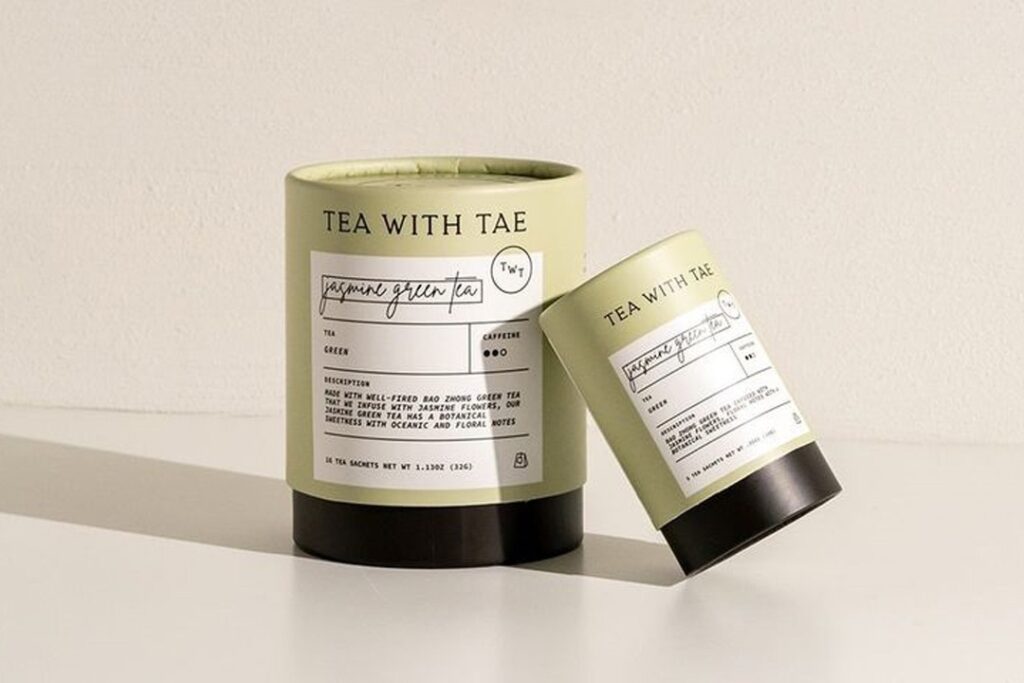
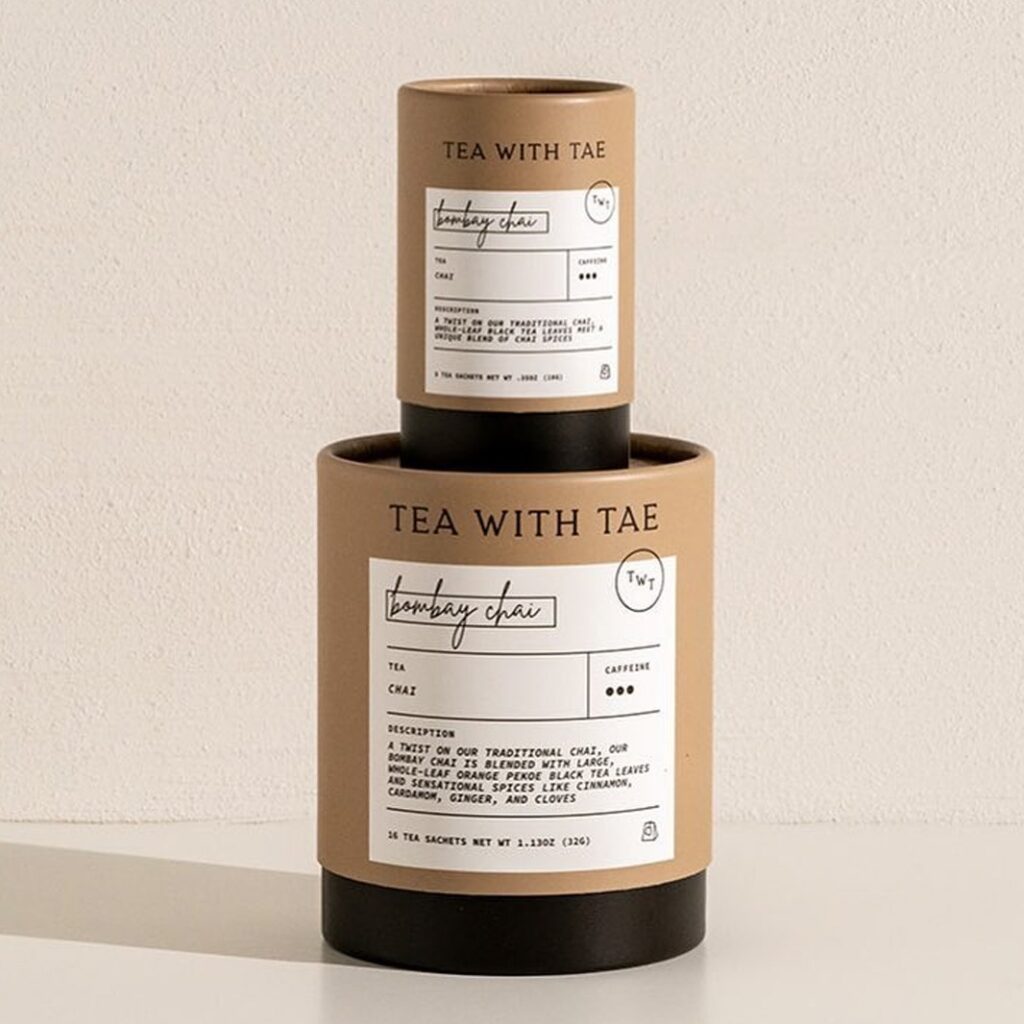
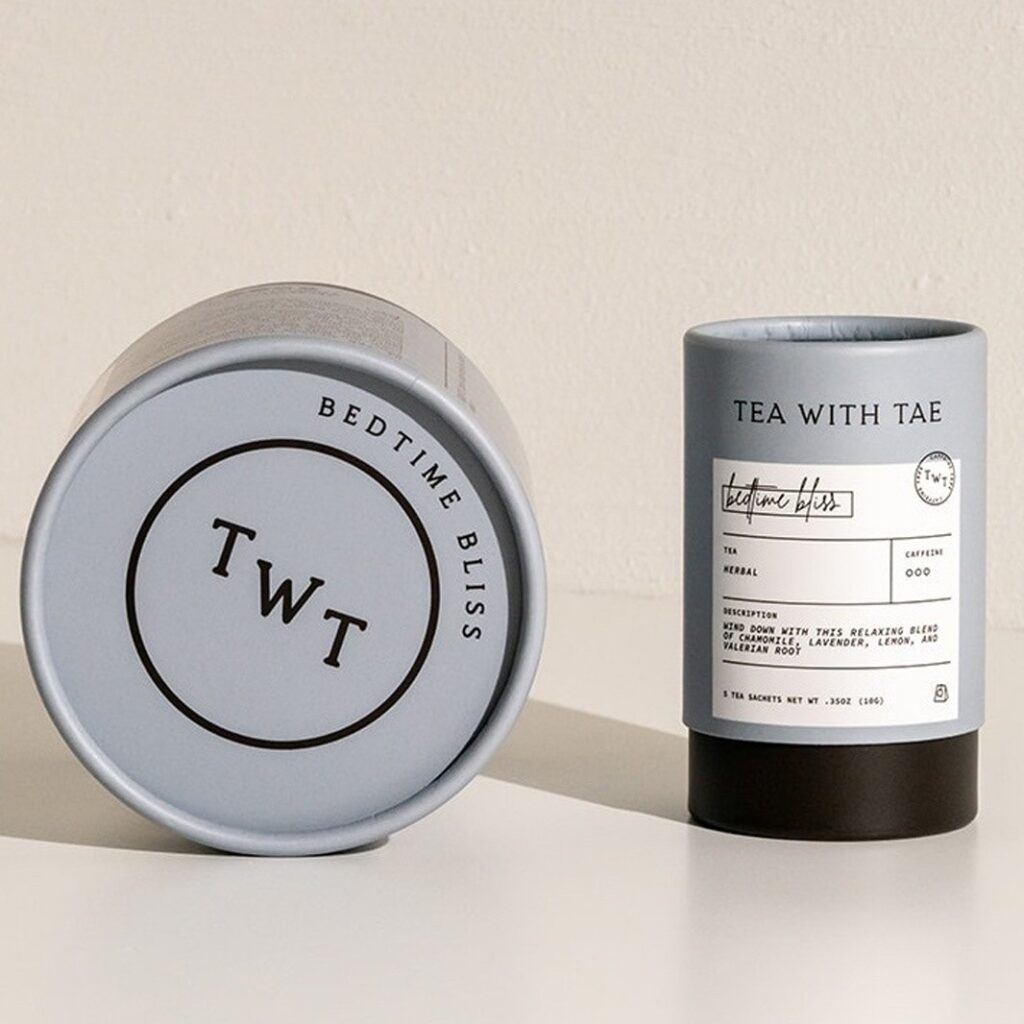
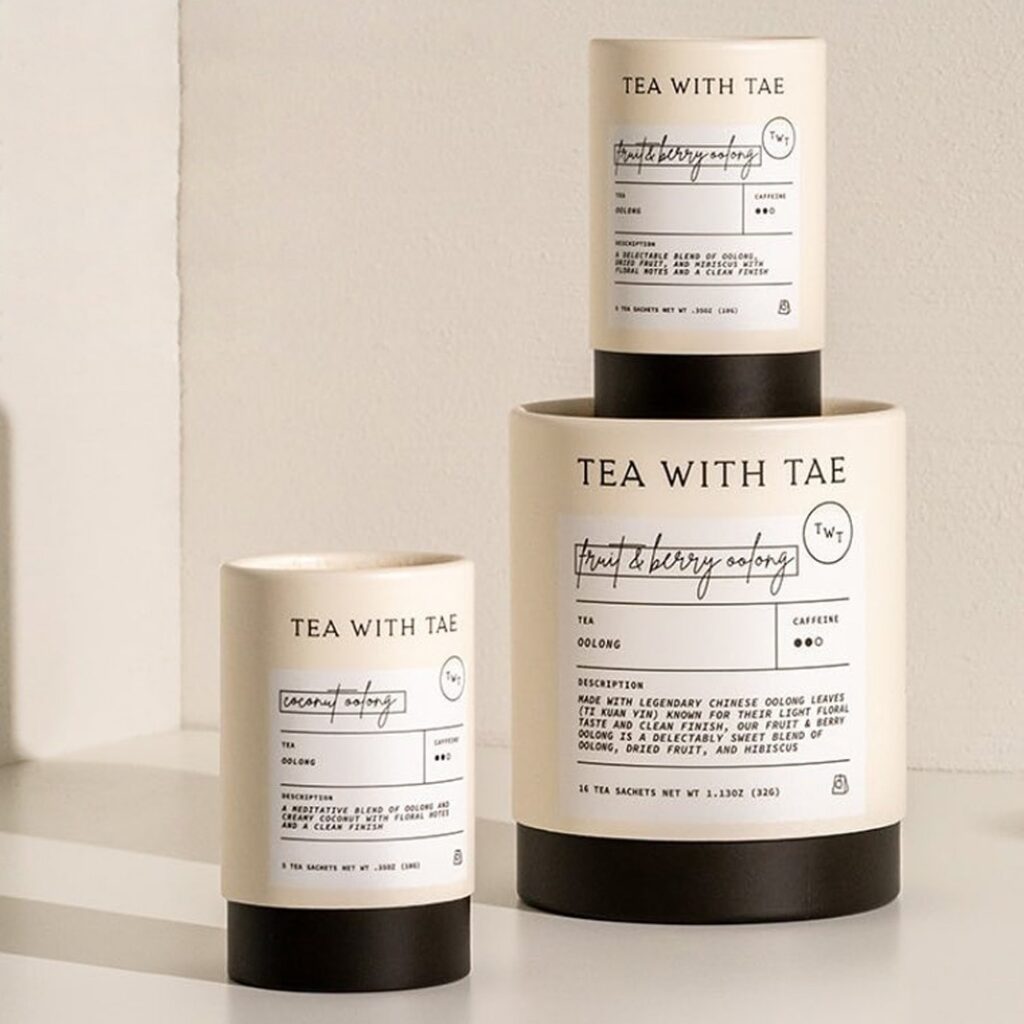
C'est pourquoi un boîte à thé personnalisée fonctionne si bien. Un emballage rond rigide protège les feuilles, améliore la présence en rayon et vous donne un canevas propre pour la marque et les informations de conformité. Si vous vous approvisionnez en gros, si vous faites de l'OEM/ODM ou si vous fournissez les détaillants et le commerce électronique, cela facilite également les opérations.
1) Résoudre les “quatre facteurs de fraîcheur” : oxygène, lumière, humidité, odeur
La qualité du thé diminue lorsque l'air s'infiltre, que l'humidité augmente, que la lumière du soleil frappe le produit ou que les odeurs environnantes le contaminent. Il n'est pas possible de se débarrasser d'un thé périmé par une “copie marketing”.
Ce qui fonctionne habituellement dans la production :
Utiliser un tube extérieur rigide pour bloquer la lumière et réduire l'écrasement.
Le couvercle est mieux ajusté pour que le sac reste fermé pendant le transport et après l'ouverture.
Ajoutez une couche intérieure lorsque vous avez besoin d'une barrière plus performante.
2) Utiliser une structure tubulaire rigide pour réduire les dommages dus au transport.
Les sacs souples se froissent. Les cartons pliants s'écrasent. Un cylindre rigide conserve sa forme, ce qui permet de protéger les feuilles de thé entières et de conserver l'aspect neuf de l'emballage à l'arrivée.
C'est ce qui importe le plus :
Expédition transfrontalière (long transit, nombreuses manipulations)
Boîtes d'abonnement (répétition de l'unboxing, mémoire de la marque)
Ventes sur les marchés (les retours et les mauvaises critiques nuisent au classement)
Parlons opérations : la réduction du taux de dommages n'est pas seulement une bonne chose. Elle permet de réduire les remboursements, de diminuer le volume de réexpédition et de maintenir les indicateurs de votre magasin à un niveau élevé.
3) Utiliser une stratégie de marque à 360 degrés pour un impact sur les étagères
Un emballage rond vous offre une toile enveloppante. Vous pouvez renforcer la reconnaissance en rayon et donner l'impression que le produit est plus “conçu” que simplement étiqueté.
Une présentation pratique qui fait vendre :
Devant : nom du thé + notes de dégustation + marque de fabrique
Côté : origine/histoire + indices de dégustation
Retour : guide de brassage + informations sur la conformité + code-barres
Le thé est un cadeau classique. Un paquet de tubes a naturellement l'air d'être “conservé”, comme un objet que l'on exposerait sur une étagère de la cuisine au lieu de le jeter.
Stratégie intelligente en matière d'UGS :
Gardez un pack “buveur quotidien” simple pour le volume.
Ajoutez un tube prêt à offrir pour les fêtes, les offres groupées et les commandes d'entreprise.
Utilisez le même thé à l'intérieur. Laissez l'emballage faire la différence.
5) Traiter l'expression “qualité alimentaire” comme une spécification et non comme un slogan
Les acheteurs sérieux ne veulent pas de vagues promesses. Ils veulent des spécifications, de la cohérence et des documents prêts à être remplis.
Ce que les acheteurs demandent généralement dans le domaine du B2B :
Déclaration des matériaux (carton, liner, adhésif, encre)
Aptitude au contact alimentaire pour les produits secs
Points de contrôle du contrôle qualité (ajustement du couvercle, contrôle des odeurs, résistance au frottement de l'impression)
Si vous vendez à des détaillants, à des distributeurs ou à des équipes de grandes marques, mettez en place un flux de travail “fiche technique + liste de contrôle” dès le début. Il raccourcit les cycles d'approbation et réduit les allers-retours.
6) Rendre vérifiables les affirmations relatives à la durabilité
La durabilité attire l'attention, mais seulement si vous pouvez l'expliquer clairement. Vos affirmations doivent être précises, spécifiques et faciles à valider.
Les meilleures pratiques du secteur :
Privilégier, dans la mesure du possible, les structures de type "paper-forward".
Évitez les matériaux mixtes tape-à-l'œil, sauf si la performance l'exige.
N'en faites pas trop. Les acheteurs détestent l'écoblanchiment.
Si vous voulez une référence de cylindre à tendance écologique, voir boîte en papier écologique. Là encore, produit différent, même positionnement en matière de développement durable.
7) Verrouiller la taille et la fermeture à un stade précoce pour éviter les reprises
La plupart des retards d'échantillonnage sont dus au fait que les équipes commencent par la conception graphique. Ensuite, quelqu'un se rend compte que le godet ne convient pas, que le couvercle est mal fixé ou que la zone d'étiquetage est trop petite.
Un flux de travail propre :
Confirmer le format du thé et le volume de remplissage
Définir le diamètre intérieur et la hauteur (y compris l'espace de tête)
Choisir le type de couvercle et la tolérance d'ajustement
Finaliser les encarts (uniquement s'ils apportent une réelle valeur ajoutée)
Ensuite, il y a le travail artistique et la finition.
C'est ainsi que vous gardez votre ligne de conduite stable et que vous évitez les boucles de “refonte de la conception”.
8) Contrôler la température de stockage à l'aide de l'emballage et des opérations
L'emballage contribue à la qualité. Il ne remplace pas un bon stockage. Si votre chaîne d'approvisionnement passe par des entrepôts chauds ou des ports humides, vos spécifications d'emballage doivent correspondre à la réalité.
Ce qui aide dans la logistique réelle :
Des options de barrière plus solides pour une durée de conservation plus longue
Fermetures plus serrées pour un comportement d'ouverture/fermeture fréquent
Des messages clairs sur le thème “conserver au frais et au sec”, à des endroits où les clients ne peuvent pas les manquer.
Vous ne protégez pas seulement le thé. Vous protégez les commandes répétées.
9) Imprimer clairement les informations pour réduire les tickets d'assistance
Des informations claires réduisent les questions des clients, les problèmes des détaillants et les litiges sur le marché. Elles réduisent également le nombre de retours pour cause de “liste confuse”.
Les mettre sur l'emballage dans une hiérarchie lisible :
Type de thé + notes de saveur
Guide de brassage (simple et lisible)
Poids net + ingrédients
Placement des lots + codes-barres sans envelopper les coutures
Note de l'industrie : un mauvais emplacement du code-barres cause des maux de tête aux détaillants qui le reçoivent et peut déclencher des rétrofacturations. Ne laissez pas un joli design perturber les opérations.
10) Planifier la qualité de fabrication, le délai de livraison et l'échantillonnage comme un pro
Si vous faites des ventes en gros, des marques privées ou des OEM/ODM, l'échantillonnage est votre police d'assurance.
Un flux d'échantillonnage pratique :
Échantillon de structure (ajustement, fermeture, sensation de la main)
Épreuve de couleur (précision de l'impression, finition, résistance aux éraflures)
Échantillon de préproduction (approbation finale avant la production en série)
Rédigez des critères d'acceptation pour chaque étape. Vous éviterez ainsi des erreurs coûteuses sans avoir à parler de “calcul des coûts”.”
11) Utiliser la demande du marché du thé pour justifier l'amélioration des emballages
Les mises à niveau de l'emballage sont plus efficaces lorsqu'elles sont liées à des résultats commerciaux :
Une valeur perçue plus élevée soutient un positionnement de prix plus élevé
Une meilleure protection réduit les retours et les critiques négatives
Les packs prêts à être offerts augmentent le chiffre d'affaires grâce aux offres groupées et aux promotions saisonnières.
Une forte présence en rayon améliore les ventes au détail
En clair, un meilleur emballage facilite la vente de thé de qualité supérieure à grande échelle.
Tableau de contrôle des spécifications pour l'emballage des tubes à thé
Ce tableau peut servir de liste de contrôle pour les acheteurs ou d'outil d'alignement interne rapide.
Risque lié à l'emballage
Ce qu'il faut prévoir dans une boîte à thé personnalisée
L'importance pour les acheteurs
L'arôme s'estompe rapidement
Meilleure couche barrière + ajustement plus serré du couvercle
Conserve plus longtemps l'arôme “première ouverture”.
Le thé absorbe l'humidité
Structure de contrôle de l'humidité + étanchéité propre
Réduit l'agglutination et la perte d'arôme
Exposition à la lumière
Film opaque + tube en papier rigide
Protège le thé et les herbes sensibles
Dommages dus au transit
Structure cylindrique rigide
Moins de paquets écrasés et de remboursements
La marque semble générique
Impression intégrale + finitions haut de gamme
Un impact plus fort sur les rayons et une meilleure conversion
Questions relatives aux opérations de détail
Code-barres sur la surface plane, pas sur les coutures
Moins de retards de réception et de litiges
Cas concrets d'utilisation d'emballages de tubes de thé personnalisés
Voici les modèles commerciaux les plus courants pour le thé, ainsi que les méthodes les plus efficaces.
Type d'entreprise
Un conditionnement en tube qui tient la route
Un conseil opérationnel qui évite les maux de tête
Marque de thé DTC
Tube rigide + présentation claire des informations + couvercle refermable
L'emballage doit être rapide ; éviter les encarts complexes, sauf en cas de nécessité.
Vendeur transfrontalier
Structure solide + finition résistante aux éraflures
Choisissez des finitions qui résistent à un transport et à une manipulation prolongés
Distributeur / grossiste
Taille standard des tubes pour toutes les UGS
La standardisation réduit la prolifération des UGS et le chaos dans les entrepôts
Cadeaux d'entreprise
Un look axé sur les cadeaux + un design adapté aux offres groupées
Planifier le kitting à l'avance pour que votre 3PL n'improvise pas
Label privé / OEM
Fiche technique + points de contrôle de l'échantillonnage
Verrouiller la ligne de démarcation avant le début des travaux d'art lourds
Vous souhaitez une référence à structure tubulaire rigide qui s'adapte à un positionnement “haute protection” ? Vérifier tubes d'emballage en carton recyclable personnalisé. Le marché diffère, mais la logique de protection est exactement ce dont les vendeurs de thé ont besoin.
Si votre ligne de thé comprend un positionnement “premium + sécurité” (ou si vous vendez dans des catégories qui nécessitent un accès contrôlé), vous pouvez emprunter le concept de fermeture à boîte d'emballage en tube de papier recyclable à l'épreuve des enfants. L'idée clé est la performance de fermeture et la discipline en matière de spécifications, et non la catégorie de produits.
Avantages de l'emballage du tube de thé pour la vente en gros et OEM/ODM
Si vous fournissez des détaillants, gérez une marque ou réalisez des projets OEM/ODM, les paquets de tubes de thé créent trois types d'effet de levier :
Levier de marque : une structure premium donne à votre thé une légitimité, avant même que les clients ne le goûtent.
Levier opérationnel : les emballages rigides réduisent les dommages et gardent les produits prêts à être mis en rayon.
Levier de vente : La présentation "cadeau" prend en charge les offres groupées, les promotions saisonnières et les produits de grande valeur.
Et lorsque vous achetez en gros, vous voulez un fournisseur capable de gérer des séries stables, un contrôle qualité cohérent et un volume de vente en gros. C'est ce qui fait la différence entre un “bel échantillon” et un programme d'emballage évolutif.