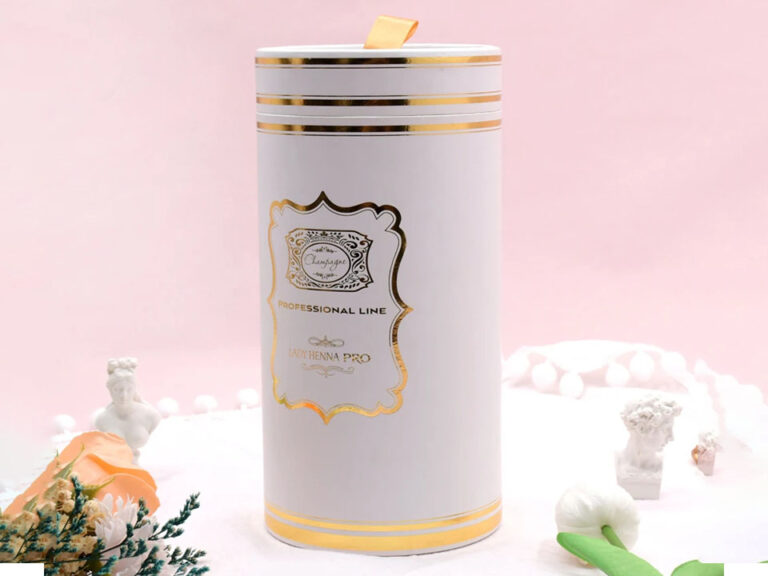
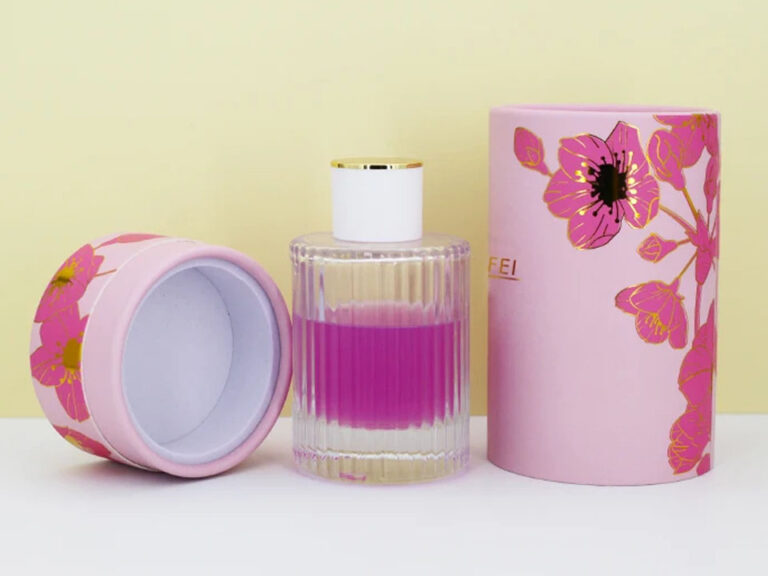
Vous n'avez toujours pas trouvé la bonne solution d'emballage ? Parlez-en à notre patron.
Si vous avez consulté notre site web ou discuté avec le service des ventes et que vous ne voyez toujours pas la voie à suivre, envoyez votre demande ici. Votre message sera transmis directement à notre directeur général, qui examinera la faisabilité, le coût et le délai de mise en œuvre. Vous obtiendrez une étape suivante claire - ce que nous pouvons faire, ce que nous attendons de vous, et la voie la plus rapide pour obtenir un devis.
Examen direct par GM de vos spécifications, cas d'utilisation et contraintes
Vérification de la taille et de la structure : diamètre, hauteur, résistance des parois, inserts
Recommandations en matière d'impression et de finition en fonction de la marque et du budget
Possibilités de réduction des coûts et d'amélioration des délais
Clarté du cheminement du devis : MOQ, plan d'échantillonnage et étapes suivantes
Parler à notre patron
Obtenir un devis rapide pour l'emballage de tubes en papier sur mesure
Conçu pour les responsables de l'emballage, de l'approvisionnement et les ingénieurs de l'emballage. Spécifiez la taille, la quantité et la finition pour obtenir un devis, un délai de livraison et des conseils sur les spécifications pour les programmes américains/européens.
Personnalisation prête à l'emploi : diamètre, hauteur, épaisseur de paroi, inserts, doublures et fermetures
Finitions haut de gamme : CMYK/Pantone, film, gaufrage, UV
Clarté de l'approvisionnement : spécifications claires + conseils en matière de contrôle de la qualité et de gestion des défauts de fabrication
Durable : Papier FSC® disponible sur demande
Sécurité enfants : conforme à la norme ISO 8317 / PPPA
Rehaussez votre marque avec un emballage personnalisé exceptionnel pour les tubes de vêtements
Table des matières
Les marques de vêtements vivent et meurent en fonction de la perception. Vous pouvez réussir le tissu et la coupe, mais vous perdez dès que l'emballage apparaît écrasé, éraflé ou oubliable.
C'est pourquoi emballage personnalisé de tubes pour vêtements est devenu une référence pour les marques qui souhaitent un déballage plus propre, une meilleure protection et une sensation de qualité supérieure. Un tube en papier rigide ne ressemble pas à un “simple envoi”. Il fait partie intégrante du produit.
Dans ce guide, vous découvrirez les moyens pratiques d'utiliser les tubes en papier pour accroître la valeur de la marque, réduire les problèmes d'expédition et soutenir les commandes en gros et les commandes répétées. Vous obtiendrez également une liste de contrôle des spécifications et un tableau d'épreuves que vous pourrez remettre à votre équipe.
Le design de l'emballage influence l'achat et le choix
Les gens jugent rapidement. Ils décident “premium ou basic” avant même de toucher le vêtement. Le design de l'emballage et les indices de matériaux font une grande partie de ce travail pour vous.
Un tube est utile parce qu'il signale une intention. Il tient debout sur une étagère. Il donne l'impression d'être un souvenir. Il rompt également avec l'océan de rectangles que l'on trouve dans le commerce de détail et le contenu des photos.
Cas d'utilisation où la conception détermine la décision :
Jeux d'étagères pour la vente au détail : Les cylindres interrompent la grille visuelle, de sorte que votre article est remarqué.
Les publipostages des créateurs : un tube se présente comme un cadeau, ce qui augmente les chances qu'ils le filment.
Stands d'événements et pop-ups : Les tubes sont autonomes, ce qui permet à votre marque d'être visible sans avoir à recourir à des accessoires supplémentaires.
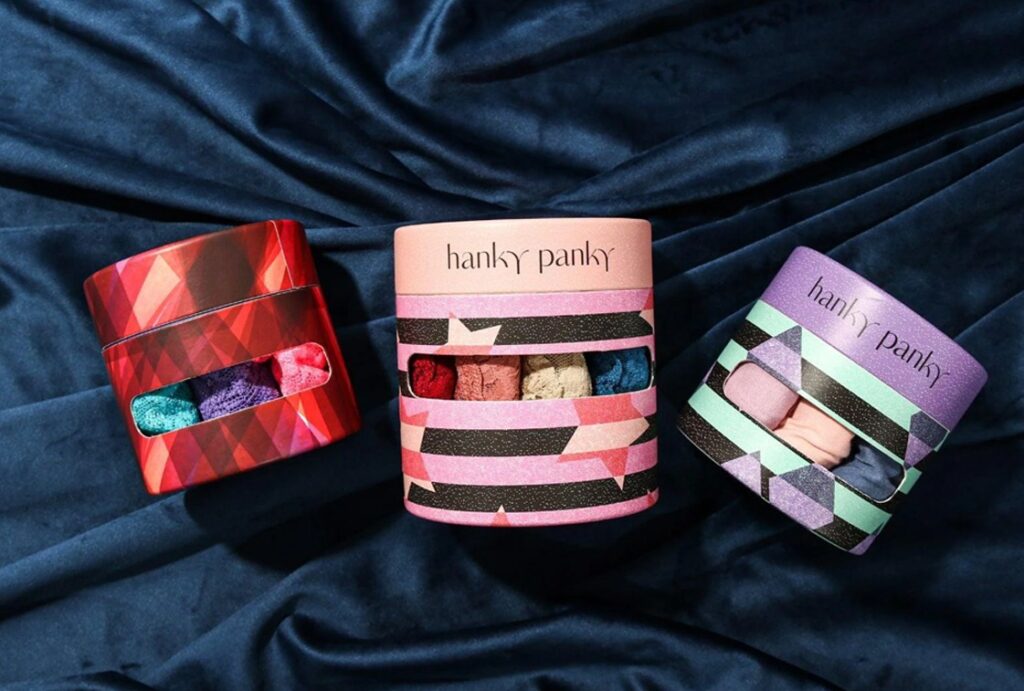
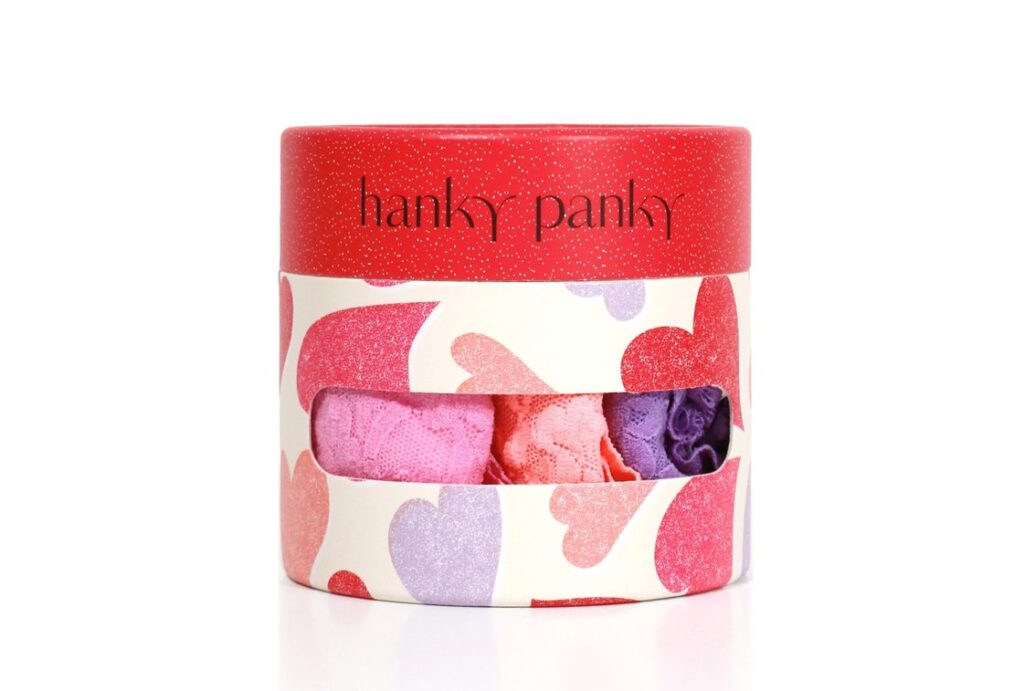
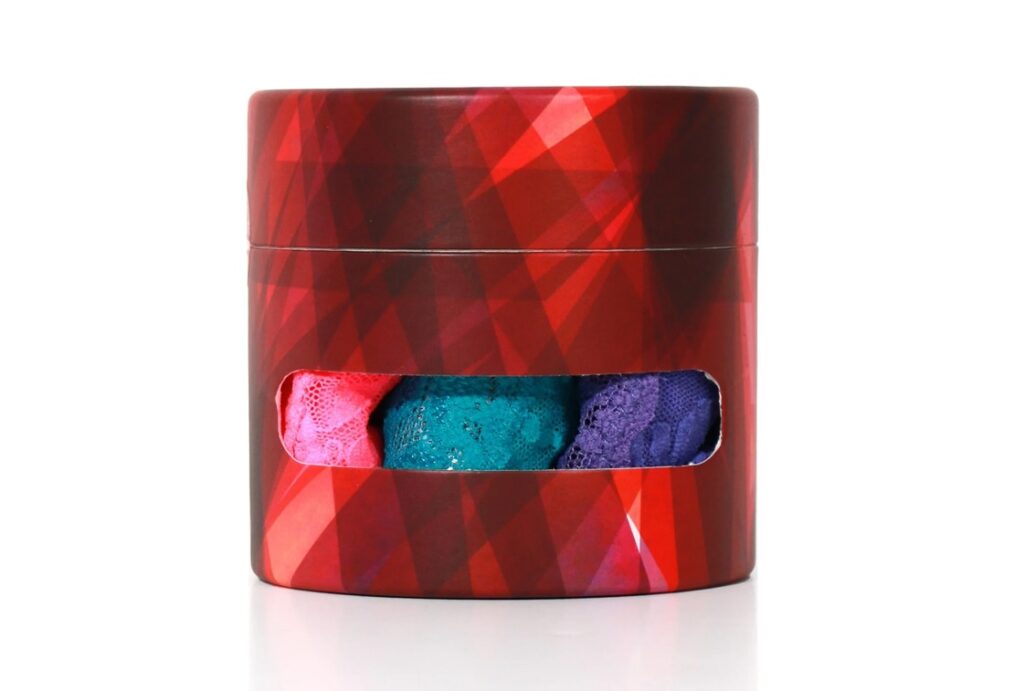
Si vous vendez des accessoires, des chaussettes ou des ensembles compacts de vêtements, une fenêtre peut s'avérer utile lorsque vous avez besoin d'une clarté rapide. Voici un style de référence solide avec une fenêtre et une poignée : emballage en tube à fenêtre transparente avec poignée en soie
Des règles de conception rapides qui tiennent la route en production :
Choisissez un élément du héros. N'encombrez pas le tube d'affirmations.
Construisez un système, pas une pièce unique. Même emplacement du logo, même finition, même ambiance pour toutes les UGS.
Utilisez l'espace négatif. Il donne à votre logo un aspect plus coûteux que ne le fera jamais l'ajout d'encre.
La structure tubulaire solide réduit les risques d'expédition
Les retours ne touchent pas seulement la marge. Ils portent atteinte à la confiance. Et la plupart des problèmes liés aux articles “arrivés endommagés” ne sont pas dus au vêtement. Ils sont dus à un emballage défectueux, à une coupe mal ajustée ou à un traitement brutal de la commande.
Un tube rigide vous donne un meilleur contrôle dans le monde réel : chutes de convoyeurs, empilement de bacs, pression dans les coins et chaos du dernier kilomètre.
Structure de boîte en tube de papier rigide en deux parties pour le commerce électronique et 3PL
Pour les flux de travail DTC et 3PL, l'option tube en deux parties (base + couvercle) reste stable, s'emballe proprement et s'ouvre bien. Il évite également l'aspect “rabat déchiré” que l'on obtient avec les boîtes pliantes minces.
Un cylindre solide est également plus facile à standardiser entre les lignes de produits. C'est important lorsque vous gérez plusieurs UGS et que votre 3PL souhaite des étapes d'emballage prévisibles.
Caractéristiques de protection intérieure pour les emballages de vêtements
Vous n'avez pas besoin d'inserts compliqués pour protéger vos vêtements. Vous avez besoin des bonnes bases :
Contrôle des poussières : un emballage en papier de soie ou une pochette intérieure permet de conserver la fraîcheur du produit.
Il n'y a pas d'ajustement de cliquetis : La taille serrée réduit les éraflures et permet de conserver une présentation nette.
Ouverture propre : pas de cicatrices de ruban adhésif sur le panneau du héros.
L'aspect premium provient de l'impression et de la finition, pas d'un excès de texte.
Les emballages haut de gamme ne parlent pas plus. Il parle plus clairement.
Le moyen le plus rapide de donner à un tube un aspect bon marché est de le surcharger de textes, d'icônes et de couleurs concurrentes. L'impression de qualité supérieure vient de Finir la discipline-La texture, le contraste et les petits détails que les gens peuvent sentir.
Options d'impression de tubes en papier personnalisés pour les marques de vêtements
Pour l'habillement, ces finitions ont tendance à bien fonctionner car elles correspondent à la façon dont les gens achètent la mode : ils touchent, ils regardent de près, ils jugent les détails.
Pelliculage mat / toucher doux pour une sensation de douceur dans la main
Spot UV lever le logo sans crier
Marquage à la feuille pour un contraste net et une touche haut de gamme
Embossage / débossage pour un marquage tactile qui semble intentionnel
Un style épuré “à offrir” peut convenir à des produits de base haut de gamme, à des tee-shirts en collaboration avec des bijoux ou à des articles de fête. Cet exemple montre un look mat minimal avec un détail de ruban : tube en papier blanc mat avec noeud papillon
Impression intérieure pour une expérience de déballage
L'impression intérieure est une amélioration intelligente car elle n'encombre pas l'extérieur. Elle transforme le moment d'ouverture en expérience de marque :
une courte ligne de marque
un modèle qui correspond à votre campagne
des instructions d'entretien qui font partie intégrante de la conception
Il n'est pas nécessaire de “dépenser plus”. Vous devez dépenser plus intelligemment, surtout lorsque vous commandez en grande quantité.
La plupart des marques gaspillent leurs efforts dans une complexité invisible. Pendant ce temps, les clients ne ressentent que peu de choses :
comment le couvercle s'ouvre
la sensation de la surface
la propreté des graphiques
la façon dont le produit se présente à l'intérieur
Des moyens pratiques pour assurer l'efficacité des emballages :
Standardisez la taille des tubes pour une famille de produits afin de simplifier l'emballage et de réduire les frictions pour votre 3PL.
Garder une finition de héros (feuille ou spot UV). L'empilement d'un trop grand nombre d'effets donne généralement l'impression d'être trop chargé.
Ne réinventez pas les lignes directrices pour chaque goutte. Une structure stable facilite les commandes répétées.
Si vous choisissez des structures dans plusieurs catégories, commencez par un large éventail et réduisez rapidement votre champ d'action : boîtes en papier tubulaire produits
L'emballage durable des tubes en papier a besoin de preuves, pas de mots à la mode
Les déclarations de durabilité peuvent être utiles, mais seulement lorsqu'elles sont spécifiques. Les acheteurs et les clients ont déjà entendu toutes les vagues déclarations “écologiques”.
La clarté est le fondement de la confiance :
la nature du matériau
la manière dont il doit être éliminé
si vous avez réduit les matériaux mixtes dans la mesure du possible
Comment choisir des matériaux durables pour l'emballage de tubes de vêtements sur mesure ?
Lorsque vous rédigez votre dossier d'emballage, restez simple :
préférence pour les structures sur papier
attentes en matière de revêtement/lamination
toute orientation en matière de contenu recyclé (si cela fait partie de la promesse de votre marque)
conseils de recyclage imprimés sur l'emballage
Si votre marque propose plusieurs lignes de produits, l'emballage en tube de papier peut permettre d'obtenir un aspect cohérent entre les différentes catégories tout en conservant la simplicité des matériaux. Pour un style de référence dans une famille d'emballage similaire, voir : emballage personnalisé de tubes en papier et en carton
L'emballage avec code QR transforme un tube en canal de commercialisation
Un tube offre une surface utilisable. Ne la gaspillez pas avec du papier de remplissage.
A Code QR sur l'emballage du tube peut transformer l'unboxing en action :
lien vers une page de style (“3 façons de le porter”)
montrer les instructions d'entretien sans grand encart
pousser une page de réapprovisionnement pour les agrafes
collecter des CGU (“affichez votre forme” à l'aide d'un message clair)
s'inscrire pour devenir membre ou déposer une demande d'adhésion
Restez simple : un QR, un objectif, une page d'atterrissage propre. C'est ainsi que l'on obtient des conversions.
L'expérience du déballage favorise le réachat et le bouche-à-oreille
Le déballage n'est pas superflu. Elle fait partie de la fidélisation.
Lorsque l'ouverture donne une impression de douceur et de qualité, les clients considèrent le produit comme s'il valait la peine d'être acheté. Ils le partagent également plus souvent, ce qui alimente le haut de votre entonnoir sans dépenses publicitaires supplémentaires.
Scènes d'unboxing pratiques pour les marques de vêtements
Nombre de gouttes limité : numéroter le tube à l'intérieur, minimiser l'extérieur.
Achats de cadeaux : ajoutez un ruban et une petite carte. Il faut que ce soit bien rangé, pas trop bruyant.
Offres groupées en gros : tube extérieur cohérent, étiquette SKU à un endroit propre, emballage rapide.
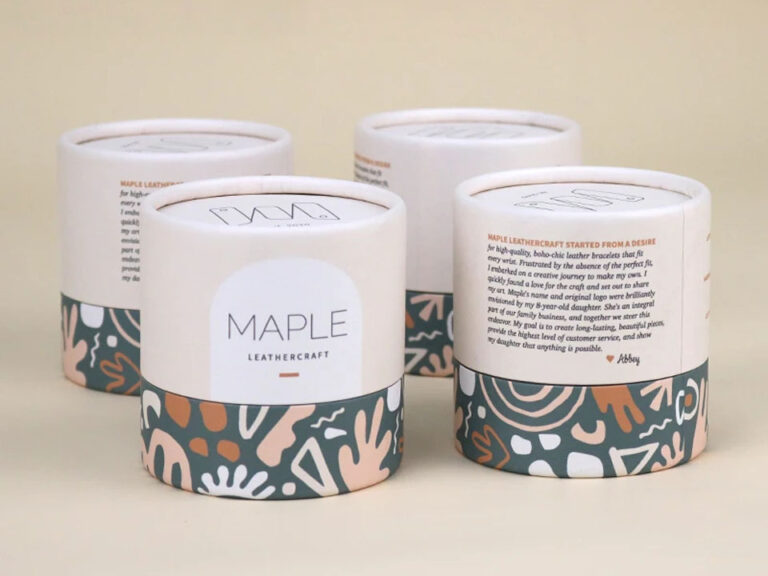
Si vous réalisez des séries saisonnières ou des collaborations et que vous souhaitez donner l'impression d'être dans un “contenant à souvenirs”, un couvercle en fer blanc peut ajouter une touche de luxe : tube en papier kraft avec couvercle en fer blanc
Tableau de preuve : principales affirmations, éléments à spécifier et endroits où ils apparaissent
Titre de l'argument
Ce que cela signifie en termes simples
Ce que vous devez spécifier dans votre appel d'offres
Référence interne
Le design de l'emballage influence l'achat et le choix
Les gens jugent rapidement la qualité, la conception a donc une incidence sur la conversion
Système de présentation de la marque, cohérence de la finition, hiérarchie claire du panneau avant
OEM/ODM fabricant de boîtes en papier personnalisées pour la vente en gros
Si vous commandez des emballages pour une ligne de produits, un programme de vente au détail ou plusieurs projets de clients, vous avez besoin d'une production reproductible. De jolis échantillons ne suffisent pas. Vous avez besoin d'une production stable, d'un contrôle qualité cohérent et d'une usine qui comprend les réalités de la vente en gros, telles que les extensions de SKU, les réapprovisionnements et les pics saisonniers.
Votre positionnement est conçu pour cela : La personnalisation OEM/ODM, les commandes en gros et les acheteurs tels que les propriétaires de marques, les vendeurs transfrontaliers de commerce électronique, les distributeurs, les agences et les start-ups en pleine croissance.