Vous n'avez toujours pas trouvé la bonne solution d'emballage ? Parlez-en à notre patron.
Si vous avez consulté notre site web ou discuté avec le service des ventes et que vous ne voyez toujours pas la voie à suivre, envoyez votre demande ici. Votre message sera transmis directement à notre directeur général, qui examinera la faisabilité, le coût et le délai de mise en œuvre. Vous obtiendrez une étape suivante claire - ce que nous pouvons faire, ce que nous attendons de vous, et la voie la plus rapide pour obtenir un devis.
Examen direct par GM de vos spécifications, cas d'utilisation et contraintes
Vérification de la taille et de la structure : diamètre, hauteur, résistance des parois, inserts
Recommandations en matière d'impression et de finition en fonction de la marque et du budget
Possibilités de réduction des coûts et d'amélioration des délais
Clarté du cheminement du devis : MOQ, plan d'échantillonnage et étapes suivantes
Parler à notre patron
Obtenir un devis rapide pour l'emballage de tubes en papier sur mesure
Conçu pour les responsables de l'emballage, de l'approvisionnement et les ingénieurs de l'emballage. Spécifiez la taille, la quantité et la finition pour obtenir un devis, un délai de livraison et des conseils sur les spécifications pour les programmes américains/européens.
Personnalisation prête à l'emploi : diamètre, hauteur, épaisseur de paroi, inserts, doublures et fermetures
Finitions haut de gamme : CMYK/Pantone, film, gaufrage, UV
Clarté de l'approvisionnement : spécifications claires + conseils en matière de contrôle de la qualité et de gestion des défauts de fabrication
Durable : Papier FSC® disponible sur demande
Sécurité enfants : conforme à la norme ISO 8317 / PPPA
Guide pour choisir les boîtes personnalisées parfaites
Table des matières
Le choix de boîtes personnalisées semble simple jusqu'à ce que vous rencontriez les vrais problèmes : des coins écrasés pendant le transport, un couvercle qui semble “bon marché”, des étiquettes qui ne s'adaptent pas, ou un produit de qualité supérieure qui a l'air moyen sur une étagère.
Si vous voulez éviter les maux de tête, commencez par appliquer la même logique que celle utilisée par les ingénieurs en emballage : choisir d'abord le bon type de boîte pour le travail à effectuer, Puis, il faut fixer la taille, la structure et les finitions de l'appareil.
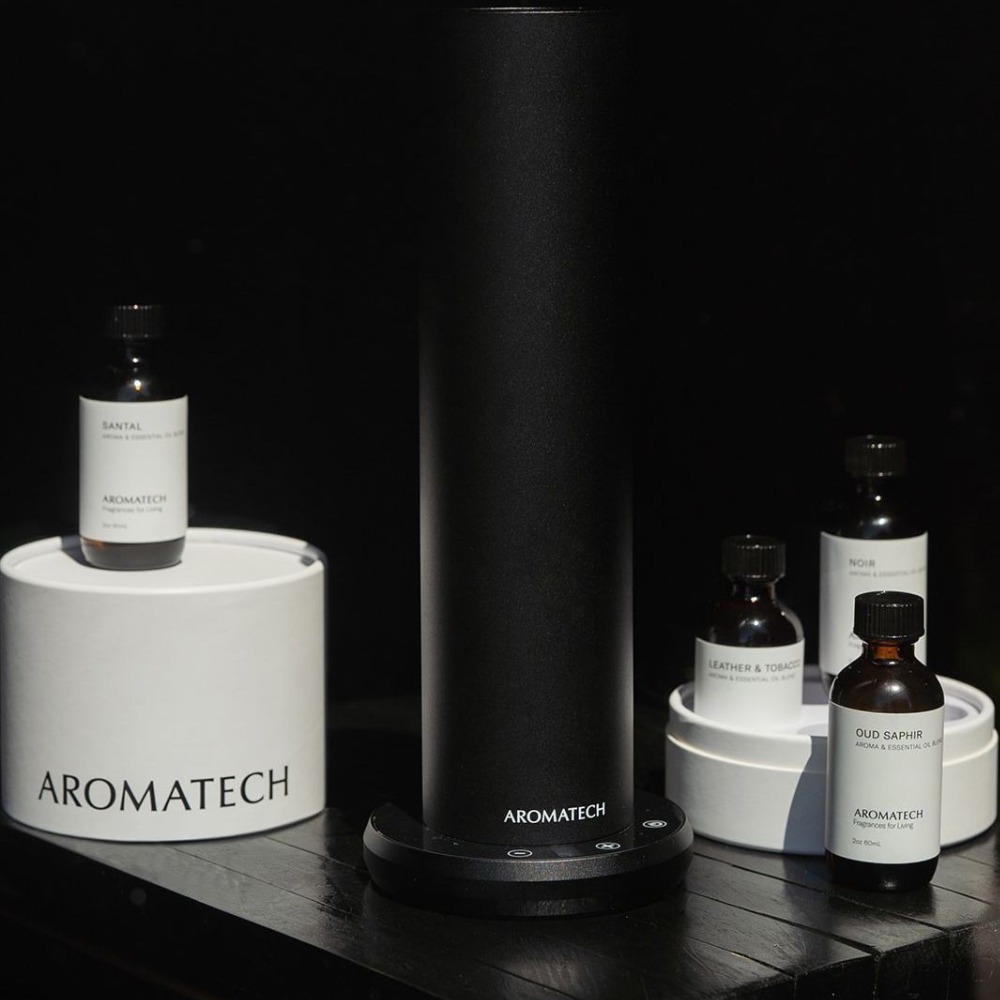
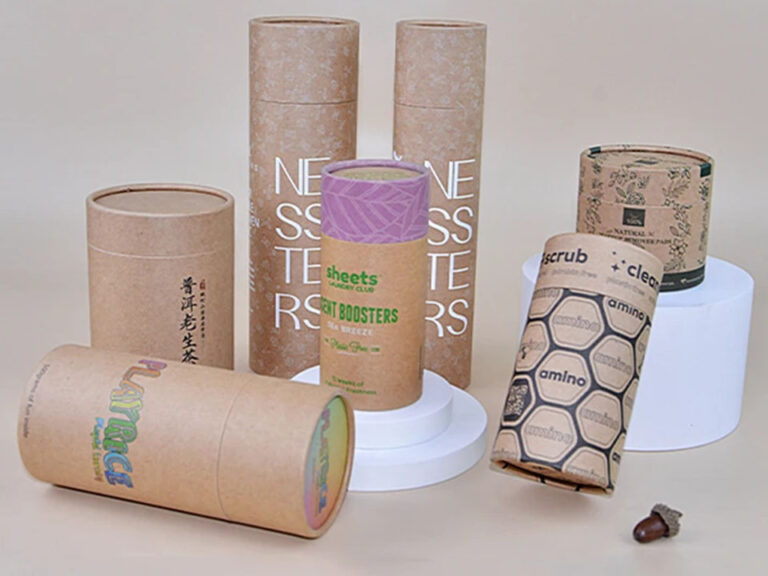
Si vous vendez des tubes en papier, vous êtes déjà sur la bonne voie. Les tubes se protègent bien, s'empilent proprement et donnent l'impression d'être de première qualité sans pour autant attirer l'attention. Vous pouvez explorer les styles dans notre Produits liste.
Et si vous avez besoin de capacité pour des envois en vrac, notre site indique que nous exploitons un système de transport de marchandises en vrac. atelier de purification des emballages alimentaires modernes plus un 12 300 m² d'entrepôt, avec capacité quotidienne moyenne supérieure à 300 000 pièces. (Boîtes de papertubes personnalisées)
Les boîtes personnalisées commencent par le type de boîte et le cas d'utilisation
1) Choisir d'abord le type de boîte, puis parler des matériaux et de la finition
Avant de demander “rigide”, “luxe” ou “écologique”, déterminez ce que votre boîte doit survivre :
Rayon de vente au détailimpact sur les rayons, image de marque claire, lisibilité des codes-barres
Expédition du commerce électronique: résistance aux chutes, résistance aux bosses, taux de dégâts plus faible
2) L'emballage des produits cosmétiques vend l'image de la marque, et pas seulement la protection
Les acheteurs de produits cosmétiques jugent rapidement. Votre boîte devient le “premier coup d'œil” à votre marque.
Des mesures pratiques qui fonctionnent dans le monde réel :
Choisissez un style de marque (minimal, clinique, naturel, luxueux) et restez cohérent.
Contrôle cibles de couleur précoce (attentes CMYK vs Pantone).
Utilisez des finitions ciblées : mat pour le moderne, soft-touch pour le haut de gamme, spot gloss pour les reflets.
Ajoutez un insert si le produit peut tourner ou rebondir. Les cliquetis nuisent à l'impression de qualité.
Si vous vendez des produits de beauté, commencez par une structure éprouvée comme la nôtre. emballage de tubes cosmétiques.
Boîtes-cadeaux et déballage
3) Les coffrets cadeaux sont des séquences de déballage.
L'emballage des cadeaux n'est pas une “plus belle boîte”. C'est une chorégraphie.
Pensez par étapes :
Première touchetexture, ajustement serré, pas d'oscillation à bon marché
Première vuemessage, emplacement du logo, emballage intérieur propre
RévélerLe produit est droit, il ne tremble pas, il n'y a pas d'éraflures.
Après usageLes gens les gardent ou les jettent
Un tube en papier se distingue ici parce qu'il donne naturellement l'impression d'être un souvenir. Ajoutez un encart personnalisé, et votre unboxing devient répétable à l'échelle.
Boîtes d'emballage pour la vente au détail
4) Les boîtes de vente au détail fonctionnent comme des vendeurs en rayon
Sur une étagère, votre emballage a quelques secondes pour accomplir trois tâches :
Arrêter l'acheteur
Expliquer le produit rapide
Confirmer la marque est digne de confiance
Utiliser la hiérarchie des emballages comme un pro :
Avant : nom du produit héros + un avantage principal
Côté : caractéristiques principales et texte de conformité
Retour : histoire, utilisation, zone de code-barres facile à scanner
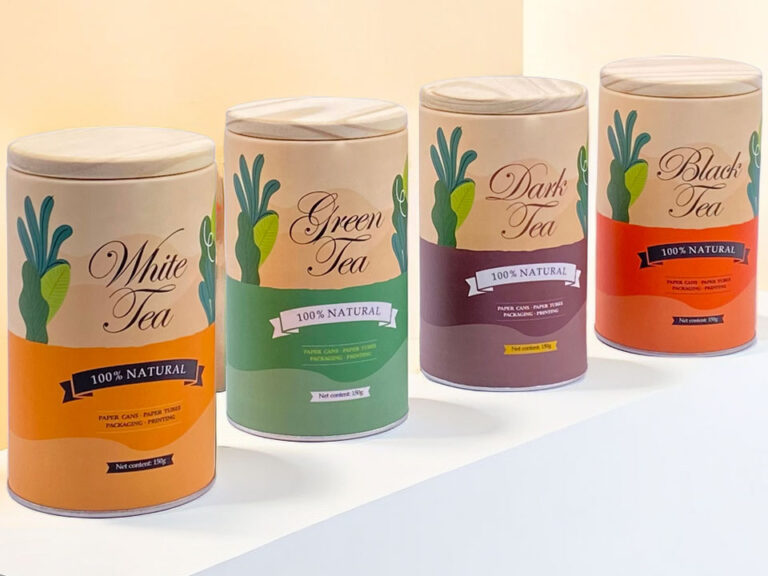
Pour les catégories de produits très vendues, comme les compléments alimentaires et le thé, un tube propre peut être bien présenté et rester solide. Vous pouvez voir des exemples dans notre Produits catalogue.
Taille et tolérance de la boîte sur mesure
5) Mesurer les dimensions avec tolérance et non au jugé
Une erreur fréquente consiste à ne mesurer que le produit et à commander un “ajustement parfait”. Cela se retourne généralement contre la chaîne d'emballage.
Ce qu'il faut faire à la place :
Mesurer la maximum diamètre/largeur, et non la moyenne.
Laissez un petit espace libre pour que les travailleurs puissent emballer rapidement sans se blesser.
Si vous avez besoin d'une présentation serrée, utilisez un insérer pour contrôler le mouvement plutôt que de rétrécir le tube.
C'est ainsi que vous éviterez les ralentissements de ligne, les retours et le pénible fil d'e-mail “pourquoi ça ne va pas ?.
Matériaux et structure de l'emballage des tubes en papier
6) Adapter la structure et les matériaux aux canaux de distribution
Tous les tubes ne sont pas construits pour le même itinéraire.
Expédition DTC veut résister à la bosselure et fermer de manière fiable.
Réapprovisionnement du commerce de détail veut que les piles soient stables et que les bords soient nets.
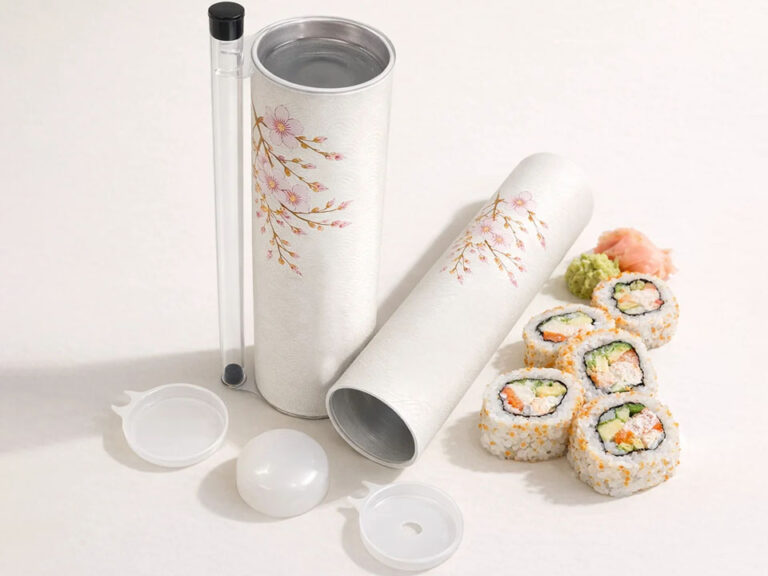
Aliments et compléments alimentaires ont souvent besoin d'une meilleure réflexion sur les barrières et d'un ajustement cohérent des couvercles.
Des exemples qui signalent des orientations fonctionnelles différentes :
Si vous commandez des quantités OEM/ODM ou en gros, c'est là que l'apport d'un ingénieur en emballage vous permet d'éviter les retouches. Notre page d'accueil souligne que vous pouvez vous adresser directement à des ingénieurs en emballage pour la structure, les matériaux, les finitions, les inserts et les options de sécurité enfant. (Boîtes de papertubes personnalisées)
Boîtes d'emballage écologiques
7) Les emballages respectueux de l'environnement ont besoin de preuves concrètes
“La mention ”écologique" ne suffit plus à convaincre les acheteurs. Vous avez besoin d'éléments spécifiques qui résistent à l'examen :
Contenu recyclé, papier provenant d'une source responsable ou réduction sensible des matériaux mixtes
Une structure plus propre et plus facile à recycler
Des illustrations moins chargées en encre lorsqu'elles ne sont pas utiles à la marque.
Si votre public s'intéresse au développement durable, donnez-lui une histoire courte et factuelle qu'il pourra répéter.
8) Rendre les déclarations de durabilité vérifiables par le biais de l'approvisionnement et des spécifications
Le langage vert et vague est le moyen le plus rapide de perdre la confiance. Le chemin le plus sûr :
Utiliser, dans la mesure du possible, des matériaux dont l'origine est traçable.
Préparer la documentation pour les acheteurs, les distributeurs et les plateformes.
Alignez le message de votre emballage sur ce que la boîte est réellement (pas de surpromesse).
Cela est également utile aux équipes chargées des achats. Elles aiment les spécifications qu'elles peuvent transmettre sans les réécrire.
Boîtes d'expédition et résistance à l'empilage
9) L'expédition et l'empilage sont des exigences strictes, et non des “avantages”.”
Si vous expédiez dans des cartons, empilez sur des palettes ou stockez dans un entrepôt, vous devez penser en termes de logistique :
compression du carton
résistance à l'écrasement des bords
vibrations + réalités des chutes
risque d'exposition à l'humidité
Même les emballages de qualité supérieure ne sont pas efficaces s'ils ne parviennent pas à franchir le dernier kilomètre.
10) Éviter la suringénierie en choisissant une “force suffisante”
Un emballage plus grand, plus épais et plus lourd n'est pas automatiquement meilleur. Un emballage surdimensionné peut créer de nouveaux problèmes :
augmentation du volume de fret
plus difficile à ouvrir
plus de matériel que nécessaire
emballage plus lent
Viser une force adaptée à l'usage. C'est ainsi que vous réduirez les taux de dommages sans transformer votre emballage en brique.
Essais d'emballage pour l'expédition de colis
11) Testez comme un transporteur de colis, pas comme une salle d'exposition
Un échantillon qui a l'air parfait sur un bureau peut toujours être défectueux pendant le transport.
Effectuer des contrôles pratiques avant la production en série :
essais de chute (sous plusieurs angles)
simulation des vibrations
essais d'empilement par compression
fatigue de la fermeture (cycles d'ouverture/fermeture)
Cette étape permet de respecter le calendrier de lancement et de ne pas perturber le service d'assistance à la clientèle.
Messages sur les emballages recyclables
12) Renforcer la mention “recyclable” par des instructions adaptées aux consommateurs
Si vous dites “recyclable”, aidez les acheteurs à le faire correctement :
faire court (clarté du style “tube de papier + étiquette de papier”)
expliquer ce qu'il faut retirer (insert, revêtement ou fermetures spéciales, le cas échéant)
éviter les icônes confuses qui ne correspondent pas aux règles locales de recyclage
Des instructions claires réduisent les frictions et améliorent la confiance dans la marque.
La liste de contrôle des boîtes personnalisées en 12 points
Titre du point
Ce qu'il prévient
Ce qu'il faut préciser dans l'appel d'offres
1) Choisissez d'abord le type de boîte
mauvaise structure, itérations inutiles
cas d'utilisation : commerce de détail / DTC / cadeaux / réglementé
2) L'emballage des produits cosmétiques vend le sentiment d'appartenance à la marque
“Produit de qualité supérieure, emballage moyen”
terminer, imprimer la cible, insérer le besoin
3) Les coffrets cadeaux sont des séquences de déballage.
l'unboxing se fait dans le désordre
ordre de révélation, ajustement interne, emplacement du message
4) Les boîtes de vente au détail fonctionnent comme des vendeurs en rayon
conversion de l'étagère basse
hiérarchie, zone de code-barres, revendications clés
5) Mesurer les dimensions avec tolérance
délais d'emballage, éraflures
produit max size + clearance + insert plan
6) Adapter la structure aux canaux
dommages dus au transport
méthode d'expédition, emballage du carton, hauteur de la pile
7) Les affirmations écologiques doivent être étayées par des preuves
risque d'écoblanchiment
histoire des matériaux, approche de la recyclabilité