Vous n'avez toujours pas trouvé la bonne solution d'emballage ? Parlez-en à notre patron.
Si vous avez consulté notre site web ou discuté avec le service des ventes et que vous ne voyez toujours pas la voie à suivre, envoyez votre demande ici. Votre message sera transmis directement à notre directeur général, qui examinera la faisabilité, le coût et le délai de mise en œuvre. Vous obtiendrez une étape suivante claire - ce que nous pouvons faire, ce que nous attendons de vous, et la voie la plus rapide pour obtenir un devis.
Examen direct par GM de vos spécifications, cas d'utilisation et contraintes
Vérification de la taille et de la structure : diamètre, hauteur, résistance des parois, inserts
Recommandations en matière d'impression et de finition en fonction de la marque et du budget
Possibilités de réduction des coûts et d'amélioration des délais
Clarté du cheminement du devis : MOQ, plan d'échantillonnage et étapes suivantes
Parler à notre patron
Obtenir un devis rapide pour l'emballage de tubes en papier sur mesure
Conçu pour les responsables de l'emballage, de l'approvisionnement et les ingénieurs de l'emballage. Spécifiez la taille, la quantité et la finition pour obtenir un devis, un délai de livraison et des conseils sur les spécifications pour les programmes américains/européens.
Personnalisation prête à l'emploi : diamètre, hauteur, épaisseur de paroi, inserts, doublures et fermetures
Finitions haut de gamme : CMYK/Pantone, film, gaufrage, UV
Clarté de l'approvisionnement : spécifications claires + conseils en matière de contrôle de la qualité et de gestion des défauts de fabrication
Durable : Papier FSC® disponible sur demande
Sécurité enfants : conforme à la norme ISO 8317 / PPPA
Le guide complet de l'emballage en tube de papier et de son caractère écologique
Table des matières
Si vous vendez un produit en 2026, votre emballage ne doit pas se contenter de “contenir des choses”. Il doit survivre à l'expédition, avoir l'air de première qualité sur une étagère, s'adapter à votre flux de travail et passer le test du développement durable.
C'est pourquoi emballage de tubes en papier se retrouve dans les cosmétiques, le thé, les suppléments, le CBD et les coffrets cadeaux. Il est solide dans la main, s'imprime magnifiquement et s'intègre mieux dans les systèmes de recyclage que de nombreux emballages en matériaux mixtes, à condition de le spécifier de la bonne manière.
Si vous vous approvisionnez en boîtes en papier personnalisées Si vous souhaitez produire des produits à grande échelle (OEM/ODM, vente en gros, marque de distributeur), vous vous souciez également de la cohérence, de la capacité et du débit. Notre installation prend en charge la production en vrac avec un atelier de purification moderne et un entrepôt de 12 300㎡, ainsi qu'une production quotidienne qui peut gérer de grandes séries.
Emballage en tube de papier : Qu'est-ce que c'est ?
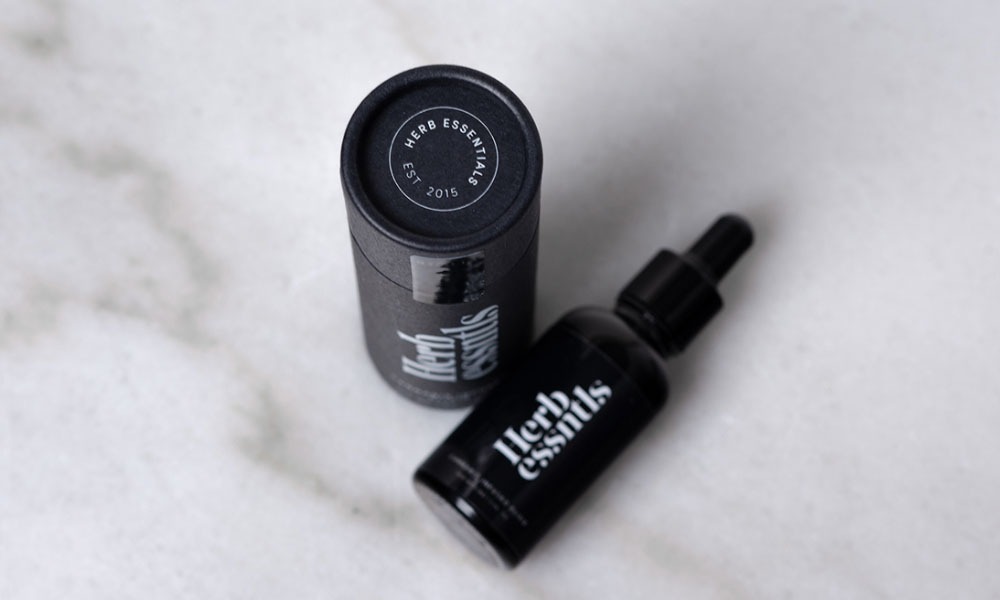
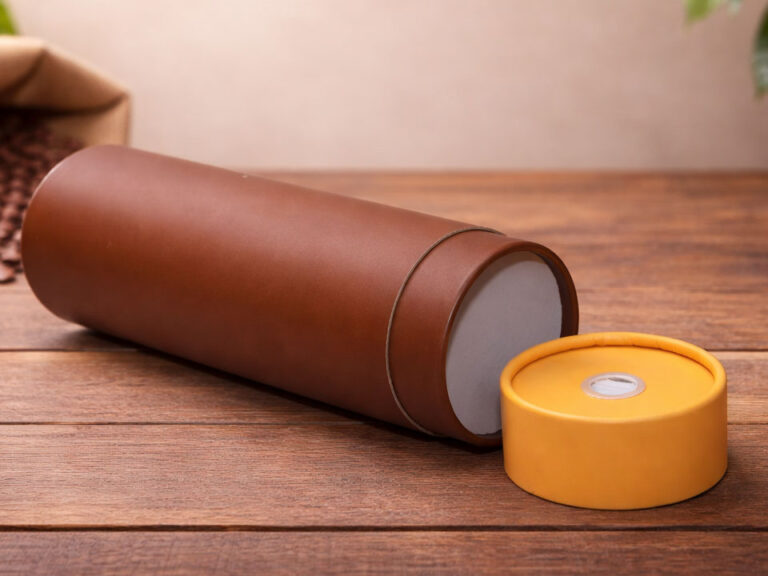
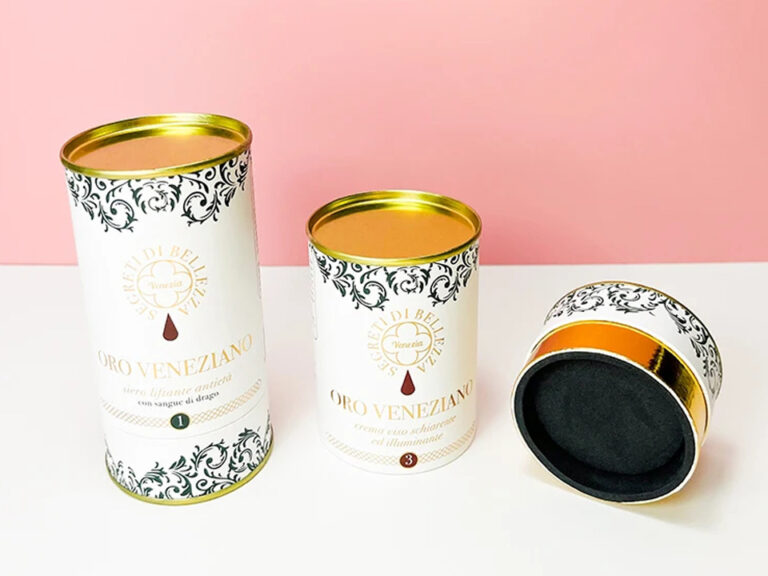
Un emballage en tube de papier est un cylindre rigide fabriqué à partir d'une couche de carton (souvent du kraft ou du carton gris) avec une enveloppe extérieure pour le marquage. La plupart des modèles utilisent un couvercle + base la structure (couvercle coulissant, télescopique ou étanche). Selon la catégorie, vous trouverez également des améliorations telles que des couvercles métalliques, des fenêtres transparentes, des poignées, des inserts et des fermetures à l'épreuve des enfants.
Un emballage respectueux de l'environnement : Pourquoi les tubes en papier sont choisis
“La notion d”"écologie" ne peut pas être une simple impression. Il faut qu'il tienne la route dans les opérations réelles : usines, 3PL, places de marché, rayons de vente au détail et retours.
Les tubes en papier l'emportent généralement pour trois raisons pratiques :
Matériaux à base de fibres s'intègrent dans les flux de recyclage établis plus souvent que de nombreux emballages à forte teneur en plastique (cela dépend encore des règles locales et des revêtements du tube).
Protection rigide réduit les dommages, ce qui réduit les retours et les remboursements (c'est un problème caché de durabilité que les gens oublient).
Unboxing Premium aide à la conversion pour le DTC et les places de marché, de sorte que vous n'êtes pas obligé d'ajouter des boîtes cadeaux supplémentaires.
Le papier est largement accepté dans les programmes de recyclage (avec des règles locales).
La plupart des programmes municipaux acceptent le papier/carton sous une forme ou une autre. Mais le mot clé est règles du programme. Si vous ajoutez un pelliculage lourd, une feuille d'aluminium ou des pièces en plastique collées, vous risquez de faire passer l'emballage dans la catégorie “poubelle” dans certaines régions.
Les fibres de papier ne sont recyclées qu'un nombre limité de fois (5 à 7 cycles environ).
Le recyclage n'est pas infini. Les fibres raccourcissent à chaque fois qu'elles passent par le système, de sorte que les marques ont toujours besoin d'une certaine quantité de pâte vierge dans le circuit global. C'est normal. L'objectif est de faire circuler les fibres le plus longtemps possible.
Les plastiques peuvent persister pendant des décennies, voire des siècles
C'est le contraste que les marques communiquent souvent : le plastique peut durer longtemps et peut se fragmenter en petits morceaux au lieu de disparaître. Pas besoin d'un marketing effrayant ici. Restez factuel et calme.
Emballages en papier recyclable : Ce qui est réellement recyclé
Voici la partie que la plupart des marques négligent et regrettent par la suite. La recyclabilité est une spécification, pas un slogan. Deux tubes peuvent avoir l'air identiques et se comporter de manière totalement différente dans le recyclage.
Les revêtements et les couches composites décident du résultat
Si vous avez besoin d'une barrière de protection (humidité, graisse, oxygène), vous pouvez ajouter des revêtements ou des doublures. Certains sont légers et faciles à recycler. D'autres transforment l'emballage en un composite dont les centres de tri ne veulent pas.
Les fenêtres, les inserts et les pièces métalliques ajoutent de la friction
Une fenêtre transparente est idéale pour l'affichage. Elle peut également compliquer le recyclage si elle est grande, collée de manière agressive ou fabriquée à partir d'un matériau que les programmes locaux rejettent.
Performance des barrières et revêtements : Le compromis
Il n'est pas possible de “manifester” la performance de la barrière. Si votre produit est sensible, vous devez concevoir l'emballage.
Les emballages à haute barrière réduisent souvent la recyclabilité
Les suppléments, les poudres, les thés et les produits sensibles à l'humidité peuvent avoir besoin d'une meilleure étanchéité et d'une meilleure barrière. Cela peut signifier
doublures intérieures
papiers couchés
des tolérances plus étroites sur l'ajustement du couvercle
preuves falsifiées
L'astuce consiste à définir les besoins réels de votre produit, puis à choisir la solution la plus légère qui le protège. La surconstruction donne une impression de sécurité, mais elle peut nuire à la durabilité et à l'efficacité de l'emballage.
Des emballages bien dimensionnés réduisent les déchets d'expédition
Les marques appellent cela “l'optimisation des cubes”. Votre fournisseur de services logistiques l'appelle “arrêter d'expédier de l'air”. Lorsque votre tube s'adapte parfaitement au produit (tout en passant les tests de chute), vous réduisez les espaces vides et les problèmes de poids dimensionnel.
Applications d'emballage de tubes en papier : Cas d'utilisation dans le monde réel
Les tubes en papier ne sont pas réservés aux “belles choses”. Ils sont efficaces lorsque leur structure est adaptée à la tâche à accomplir.
Emballages de produits cosmétiques
Les acheteurs de produits cosmétiques remarquent la texture, les détails de l'impression et la sensation de fermeture. Les tubes offrent une sensation manuelle de qualité supérieure sans qu'il soit nécessaire de recourir à des boîtes rigides lourdes.
impact sur le rayon (couleur, accents de feuille, contraste mat/brillant)
des bords nets et des coutures régulières
des inserts qui empêchent le cliquetis
Emballage de suppléments et de protéines en poudre
Les poudres ont besoin de rigidité et de protection pendant le transport. Les tubes offrent également une plus grande surface d'affichage pour les textes de conformité et les blocs de marque.
diamètre intérieur constant pour l'emballage automatisé
cohérence de l'ajustement du couvercle d'un lot à l'autre
efficacité de l'emballage carton
Emballage du thé
Les marques de thé recherchent souvent une histoire de “fraîcheur” ainsi qu'une apparence de cadeau haut de gamme. Les couvercles en métal peuvent augmenter la valeur perçue tout en conservant le corps principal à base de fibres.
Emballage de cartouches de CBD et emballage de cannabis à l'épreuve des enfants
C'est là que l'emballage devient une question de conformité. Vous pouvez avoir besoin de fermetures à l'épreuve des enfants, de preuves d'effraction et de zones d'étiquetage précises. Les tubes peuvent répondre à ces exigences tout en conservant un aspect propre.
Les tubes conviennent bien aux bracelets, aux petits accessoires et aux coffrets cadeaux, car ils donnent l'impression d'une boîte “souvenir”. C'est une bonne chose pour la fidélisation de la marque.
Déclarations de durabilité : Ce que vous pouvez dire (et ce que vous devez éviter)
Vous serez plus crédible si vos affirmations sont spécifiques. Ce tableau vous aide à aligner le langage marketing sur les spécifications de l'emballage.
Affirmation que vous souhaitez faire
Ce qui doit être vrai dans le pack spec
Exemples de preuves que vous pouvez demander
Note de bonnes pratiques
“Emballage en tube de papier recyclable”
Carrosserie à base de fibres, couches composites minimales, ajouts de plastique limités
Déclaration des matériaux, dessin de la structure, vérification des directives locales en matière de recyclage
Éviter les affirmations absolues ; le recyclage varie selon les régions
“Fabriqué à partir de carton / papier kraft”.”
Catégories de carton définies ; emballage extérieur défini
Fiche technique + échantillons
Ne pas cacher les doublures en plastique si elles existent
“Réduction des emballages en plastique”
Remplacement des coquilles, bouteilles et manchons en plastique par des structures en fibre.
Carte des emballages avant/après
Restez honnête : montrez ce qui a changé
“Conçu pour la protection des envois”
Épaisseur de la paroi du tube et ajustement Risques liés à la manipulation et à la chute des tubes
Plan d'essai de chute, approche de l'essai de transit
Moins de dommages signifie souvent moins de reships
“Emballage respectueux de l'environnement”
Vous pouvez expliquer clairement les matériaux + la fin de vie
Conseils simples pour l'élimination, spécifications internes d'assurance qualité
Les affirmations vagues suscitent rapidement la méfiance
Boîtes en papier tubulaire personnalisées : OEM/ODM et production en gros
Si vous êtes propriétaire d'une marque, fabricant, vendeur transfrontalier, distributeur ou agence, vous souhaitez généralement trois choses : qualité stable, résultats évolutifs et itération rapide.
C'est là que la production OEM/ODM est utile. Vous pouvez fixer la ligne de conduite, les matériaux et les normes d'impression, puis passer des commandes en masse avec une assurance qualité cohérente.
Les acheteurs en gros se soucient de la cohérence de l'emballage
Dans la réalité, les acheteurs se plaignent :
des couvercles différents d'un lot à l'autre
dérive des couleurs entre les séries
des coutures qui ne s'alignent pas
des plateaux intérieurs qui se détachent pendant le transport
Vous pouvez éviter la plupart de ces problèmes grâce à des spécifications strictes : Références Pantone, règles de positionnement des coutures, objectifs de tolérance et échantillonnage avant expédition.
Les vendeurs au détail et les vendeurs en ligne s'intéressent à l'aspect “prêt à l'emploi” et “prêt à l'expédition”.”
Le commerce de détail a besoin d'une présentation soignée. Le commerce électronique a besoin de durabilité et de faibles taux de retour. Un tube en papier peut faire les deux si vous choisissez la bonne structure.
Si vous créez une ligne avec plusieurs UGS, commencez par établir une cartographie des tailles et des fermetures pour l'ensemble de la gamme. Cela simplifie les achats et accélère le réapprovisionnement.
Liste de contrôle pour la conception d'un emballage en tube de papier
Utilisez-le comme un bref briefing interne avant de demander des devis ou des échantillons.
Exigences en matière de protection des produits
A-t-il besoin d'une barrière contre l'humidité, d'une résistance aux graisses ou d'un contrôle des odeurs ?
A-t-il besoin d'un joint étanche ou simplement d'une protection contre la poussière ?
Doit-il être muni d'un témoin d'effraction ?
Exigences en matière de marque et d'impression
CMYK ou Pantone ?
Mat, doux au toucher ou brillant ?
Marquage à chaud, gaufrage, UV ponctuel ?
Exigences en matière d'exécution et de logistique
Convient-il à votre plan de carton et à votre modèle de palette ?
Votre équipe peut-elle l'assembler rapidement ?
Réduit-il le remplissage des vides et l'air d'expédition ?
Exigences en matière de fin de vie
Les clients peuvent-ils le recycler facilement ?
Les ajouts (fenêtres, doublures, pièces métalliques) créent-ils une confusion ?
Pouvez-vous imprimer sur l'emballage des indications simples concernant l'élimination des déchets ?
Questions fréquemment posées sur l'emballage des tubes en papier
Les tubes en papier sont-ils toujours recyclables ?
Non. Beaucoup le sont, mais les revêtements, les doublures et les matériaux composites lourds peuvent modifier le résultat. Si vous voulez être à la pointe de la recyclabilité, faites en sorte que la structure soit d'abord constituée de fibres et évitez, dans la mesure du possible, les matériaux difficiles à séparer.
Les tubes en papier conviennent-ils pour les aliments et les compléments alimentaires ?
Oui, avec les matériaux et la structure appropriés. Le thé et les poudres sont courants. Vous spécifierez généralement des matériaux de contact de qualité alimentaire (le cas échéant), des fermetures plus étroites et des options de barrière en fonction de la sensibilité du produit.
Les tubes en papier peuvent-ils répondre à des exigences de conformité telles que la protection des enfants ?
Ils le peuvent. C'est pourquoi on les retrouve dans les catégories réglementées. Le système de fermeture est important, tout comme la cohérence de la fabrication.
Prêt à spécifier un tube en papier qui fonctionne dans le monde réel
L'emballage des tubes en papier semble simple. Ce sont les détails qui décident de tout : barrière, ajustement de la fermeture, cohérence de l'impression et clarté de la fin de vie.
Si vous voulez un tube qui s'expédie bien, se vend bien et soutient une histoire de durabilité que vous pouvez défendre, commencez par la structure, puis construisez l'image de marque par-dessus.